Systemic Sustainability
1.1 Environmental Curriculum & Instruction
1.1 Environmental Curriculum & Instruction
Elementary & middle schools must provide one example of outdoor/environmental instruction per grade level.
High schools must provide four different examples of outdoor/environmental instruction. These examples can be from any grade level but must show four distinct subject areas/classes (which may include multiple different sciences).
Description: This IB unit : WHERE WE ARE IN PLACE AND TIME. Students learned about how plants grow and impact the world and planted their own seeds to see the plant's lifecycle.
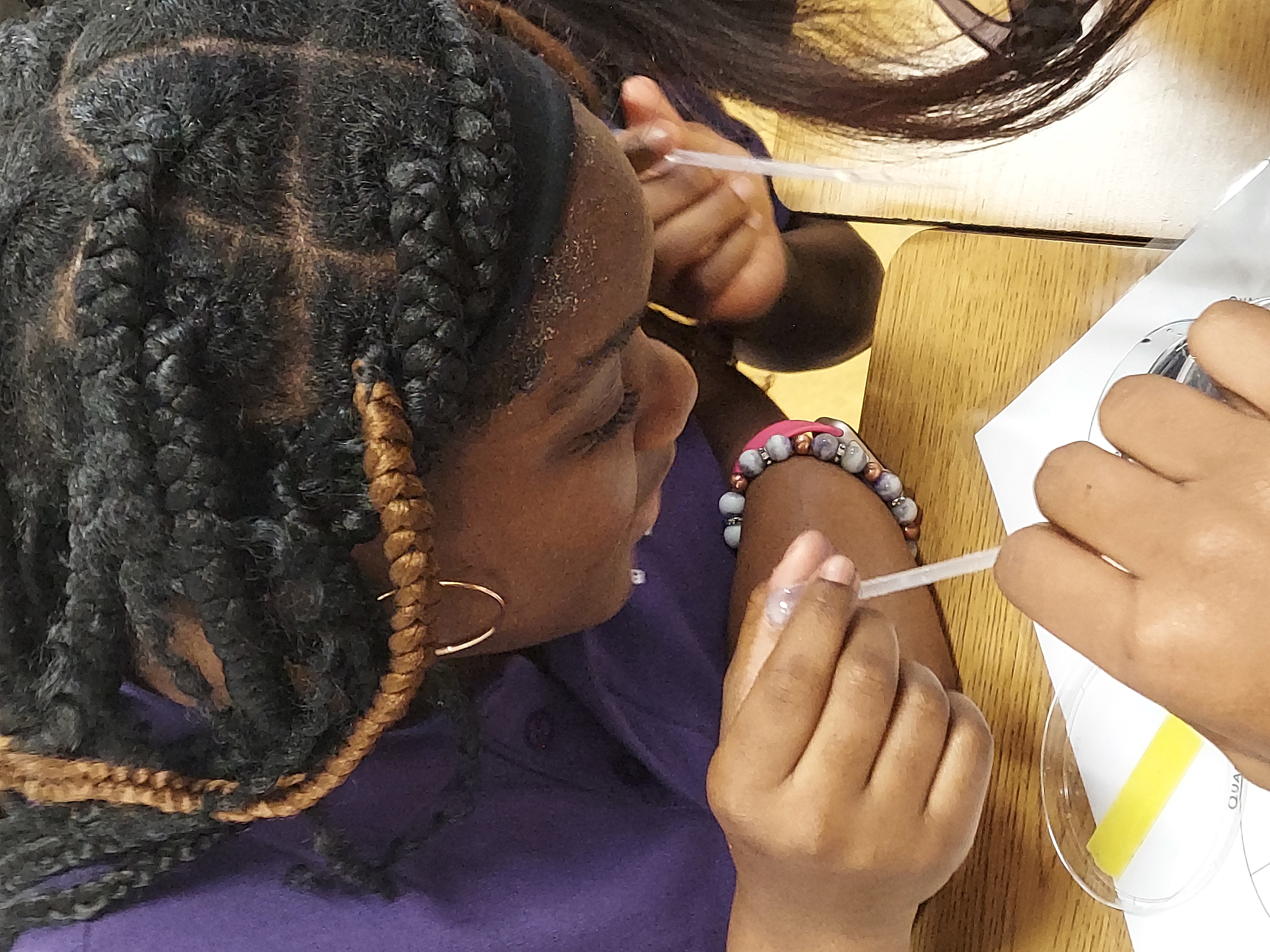
BIOEYES: Date: February, 042025): PaulineOji and Elaine Kukin Eighth-grade Russian Immersion students participated in the hands-on science program Project BioEYES in partnership with Johns Hopkins University. They conducted real research using live zebrafish and scientific tools. Students paired adult fish to produce embryos, cared for them, and observed their development as they hatched and grew, gaining firsthand experience in scientific inquiry and biological research.
Student doing BIOEYES Investigation
__20260301054105.jpg)
Student doing BIOEYES Investigation
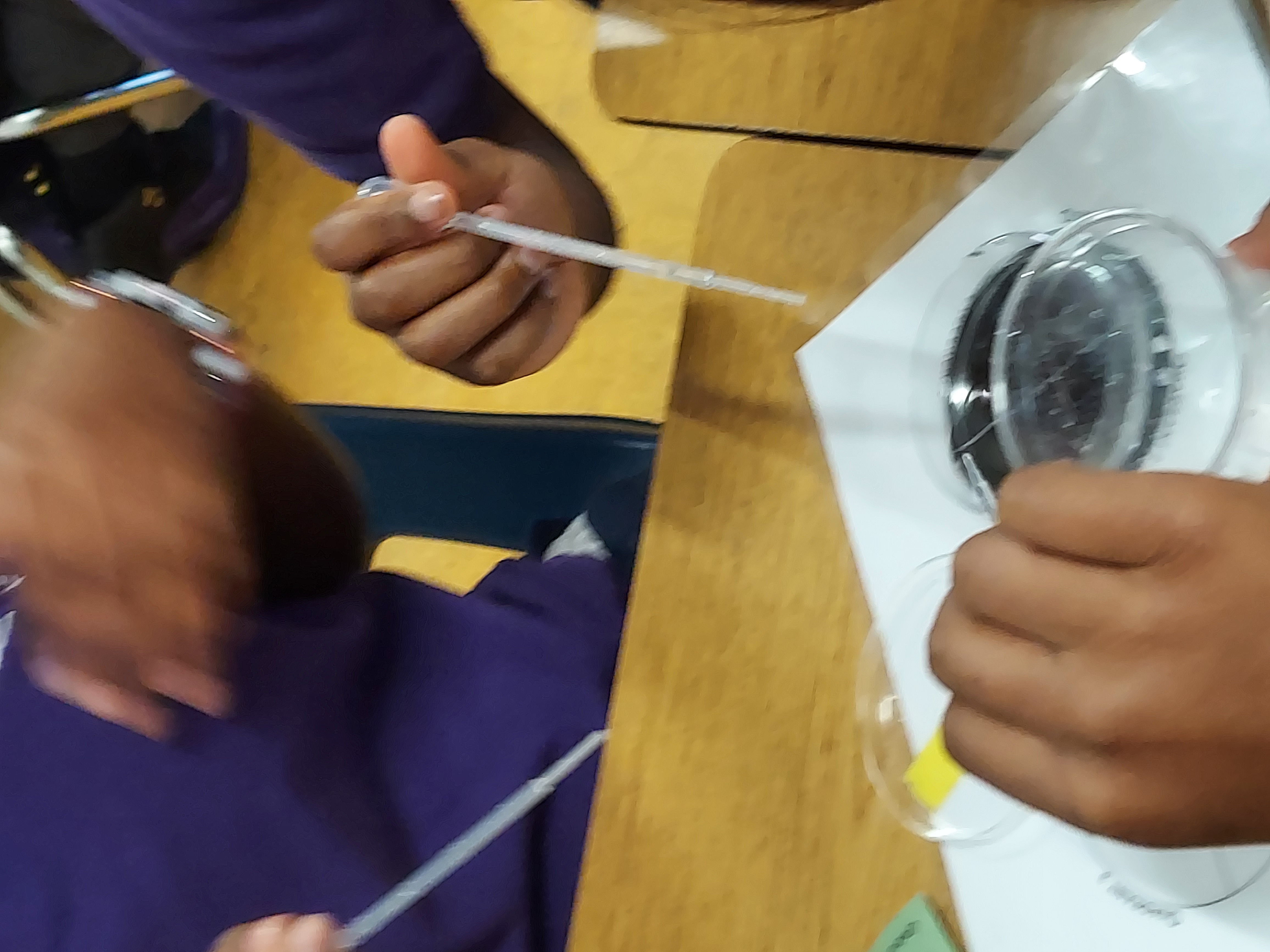
Student doing BIOEYES Investigation
The IB unit was on How the World works. Students worked in pairs by writing a poem and describing the Fall season. During the fall season, there are hurricanes here and there due to drastic weather changes.
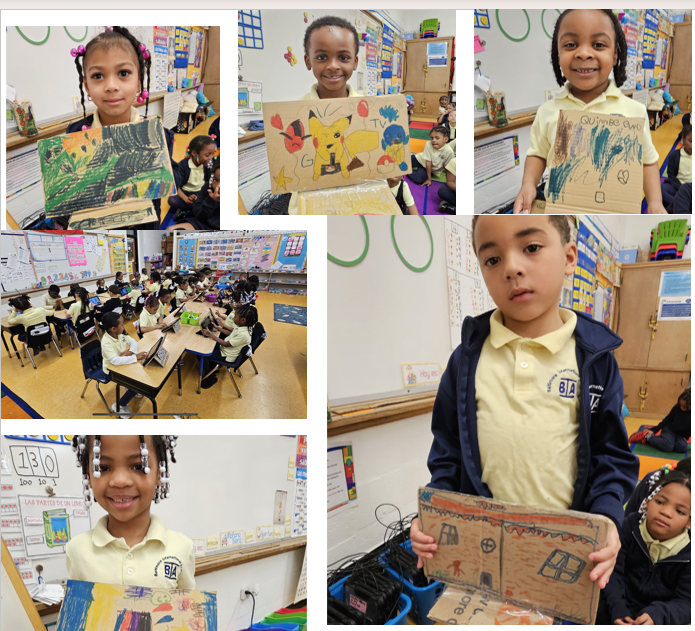
Description: During this PYP unit, kindergarten students engaged in a meaningful recycling project that highlighted their understanding of environmental responsibility. As part of their inquiry, students created tablet holders using recycled cardboard, demonstrating how everyday materials can be reused instead of thrown away. and care for shared resources. Through this project, students explored their rights and responsibilities in caring .resources, practiced sharing materials respectfully, and learned how their actions impact their community. This experience supported the central idea that the environment is important to them and that it is their responsibility to take care of it.
Students crafting things from recycle materials.
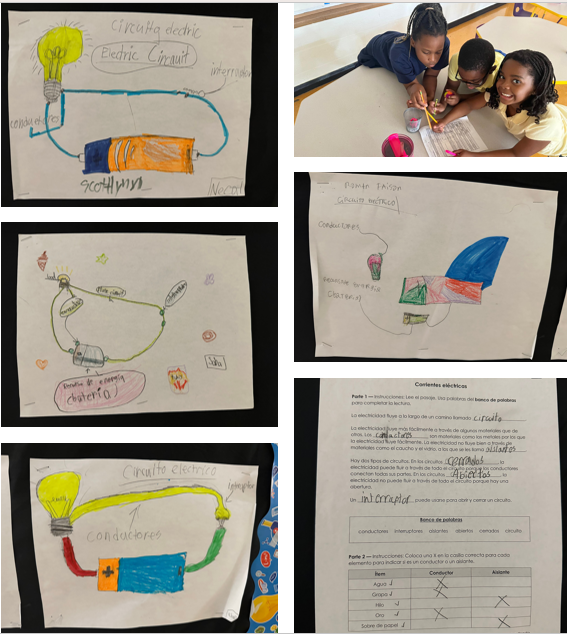
As part of their science learning, our 4th grade students explored the fundamentals of electricity by designing and building simple electrical circuits. Through hands-on investigations, students learned how energy flows through a closed circuit, identified key components such as a power source, conductors, and loads, and experimented with creating complete and incomplete circuits to observe the effects. Building on this understanding, students engaged in discussions about energy sources, comparing renewable and nonrenewable forms of energy and analyzing the environmental impact of each.
Student work on open and close circuits.
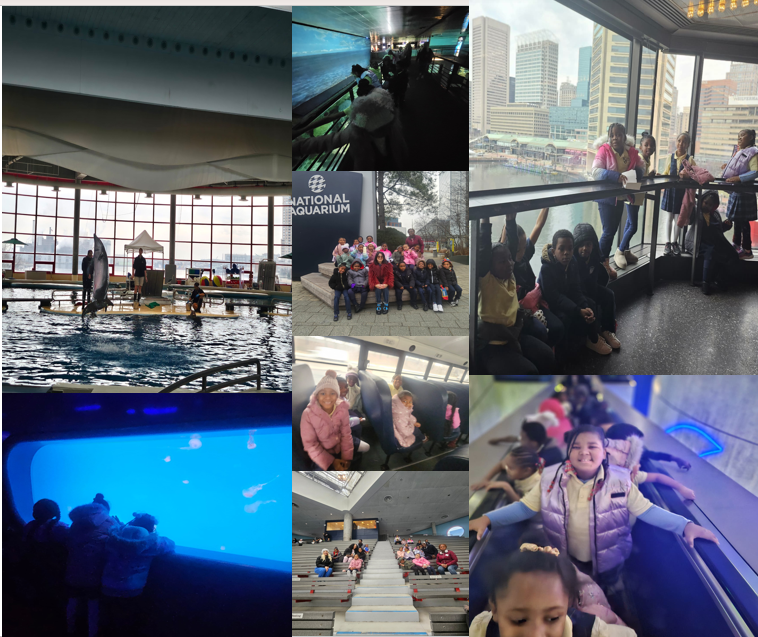
In the fall, first grade Spanish immersion students visited the National Aquarium to deepen their understanding of aquatic ecosystems, local marine life, and environmental stewardship. During the field trip, students explored exhibits featuring species native to the Chesapeake Bay as well as tropical reef environments, observing fish, sharks, rays, turtles, and other aquatic organisms while discussing habitats, food chains, and adaptations. A highlight of the visit was learning about the Aquarium’s Atlantic bottlenose dolphins, where students examined dolphin behavior, communication, and the responsibilities involved in marine animal care.
Students visiting the Baltimore National Aquarium.
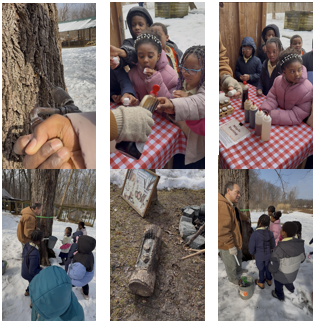
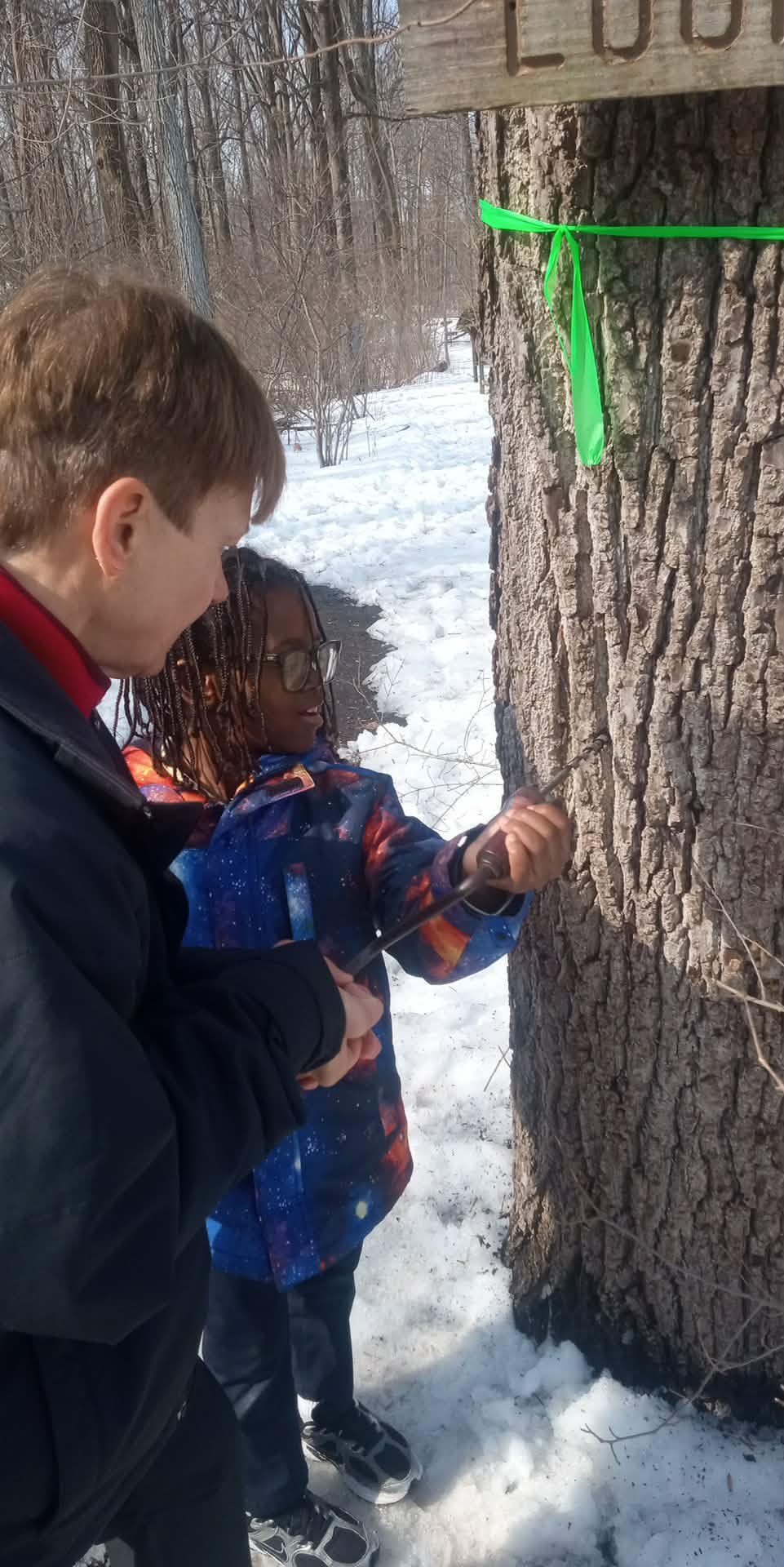
Second grade Spanish Immersion students visited Oregon Ridge Nature Center to learn about the science and history of maple syrup production. Students identified maple trees by observing opposite branch patterns and seasonal buds, and explored how Indigenous peoples may have first discovered and collected maple sap using natural tree openings and hollow wooden spiles. They learned how sap was heated with hot stones to produce maple sugar and how production methods evolved with the introduction of metal tools and modern evaporators. Students drilled into maple tree, inserted a spile, observed sap dripping, carried sap using a wooden yoke, and tasted different types of maple syrup.
Students doing experiments in Oregon Ridge Nature Center.
Students participated in a Chesapeake Bay Foundation Field Program .CBF introduces participants to the wonders of the watershed and works to heighten sensitivity, increase knowledge, and empower community members to take positive action toward the Bay's restoration. Students participated in hands-on, outdoor learning opportunities. The teaching philosophy is: To care for the environment, you must love it. To love it, you must know it. And to know it, you must experience it. During the education program, students participated in a variety of outdoor activities – like pulling a trawl net for fish, marsh mucking, canoeing, and/or dredging for oysters.
Students participating in hands-on, outdoor learning opportunities at Chesapeake bay Foundation
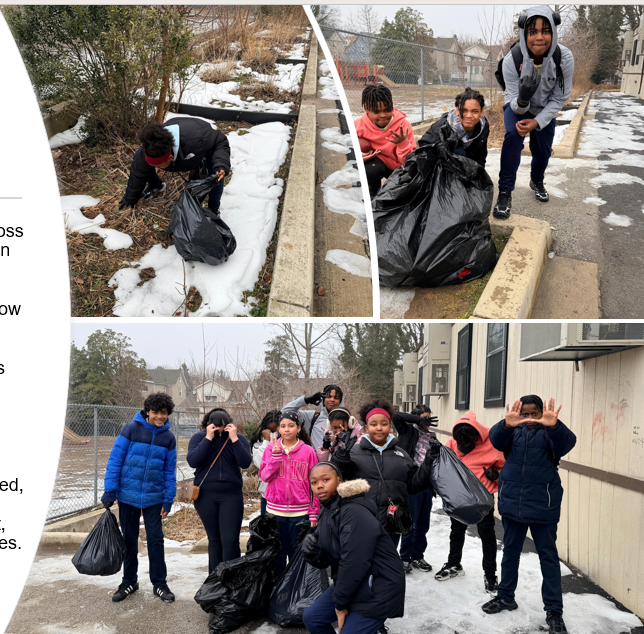
Following a winter storm, 5th grade Spanish Immersion students observed that high winds had scattered litter across the playground and surrounding outdoor areas. Building on prior Green Club commitments to reduce litter on school grounds, students engaged in a teacher-supported environmental stewardship experience. They discussed how stormwater, wind, and melting snow can move waste into local ecosystems, potentially impacting wildlife and the community environment. As conditions improved, students conducted a supervised outdoor site check of the playground, identified types and sources of debris, and collaborated to remove and properly dispose of the litter.
Students doing Winter Clean up.
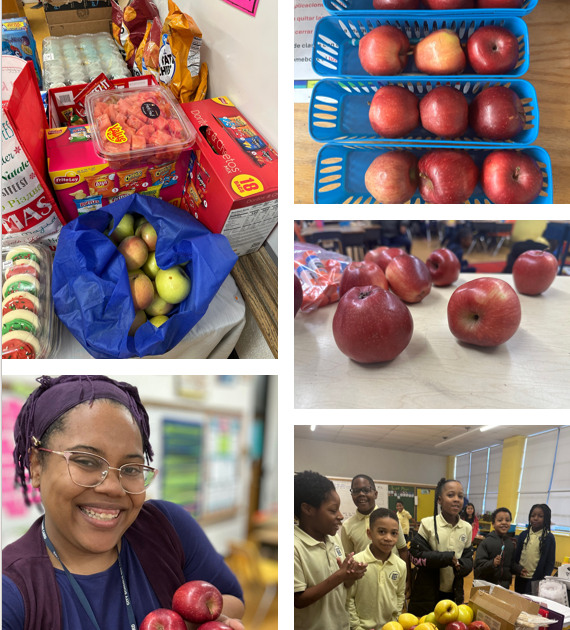
During lunch at the cafeteria, 3rd grade Spanish Immersion students noticed that many whole apples were being thrown away once the share table became full. This student-identified problem led to a class discussion about food waste and its environmental impact. Students researched causes of waste and collaboratively planned a solution. They encouraged peers to continue using the share table and organized a system to collect excess apples in baskets and bring them back to classrooms so they could be eaten later when students felt hungry. Students also extended the effort by offering extra apples to teachers and including them in classroom celebrations to reduce waste.
Students interacting with others in the cafeteria about food waste.
1.2 Green School Awareness
1.2.1 Schoolwide Awareness - Staff
Demonstrate that all school personnel are aware of your school's Green School status and application process.
Acceptable Documentation: Staff meeting agenda or staff sign-in sheet with date and clear description of an all-staff presentation about your Green School efforts; this can be a showing of the MAEOE presentation video on "What it Means to be a Maryland Green School" found on the portal.
On December 01, 2025 during the Faculty meeting Mrs. Pauline Oji and Ms. Joanna Pi-Sunyer did an overview regarding the importance of our Green School renewal. During the Faculty meeting all school personnel were made aware of our school's Green School status and the renewal application process.
During the staff meeting, Ms. Oji, school Green Team leader introduce Ms. Joanna Pi Sunyer, from Baltimore City school district, making sure the environmental literacy and sustainability is being implemented, discussed and
Sign in sheets (1.54 MB)
Sign in sheet of the staff who attended the meeting.
1.2.2 Schoolwide Celebration
Demonstrate how your school celebrates being a Green School by hosting a schoolwide environmentally-focused event open to all students.
Acceptable Documentation: Photos of students in all grades participating in activities celebrating Earth Day or other environment-themed holidays such as Earth Hour, America Recycles Day, World Water Day, Arbor Day, etc. and/or detailed event agendas or newsletters describing these celebrations.
Baltimore International Academy celebrates Earth Day annually by hosting a school-wide environmentally-focused event open to all students such as school-wide recycling/trash collecting, assemblies
Students will explore the importance of recycling and proper waste disposal, understand the environmental and social impacts of waste, and apply their learning through a hands-on school playground clean-up and a community recycling action challenge
Students and teachers picking up trash around the school.
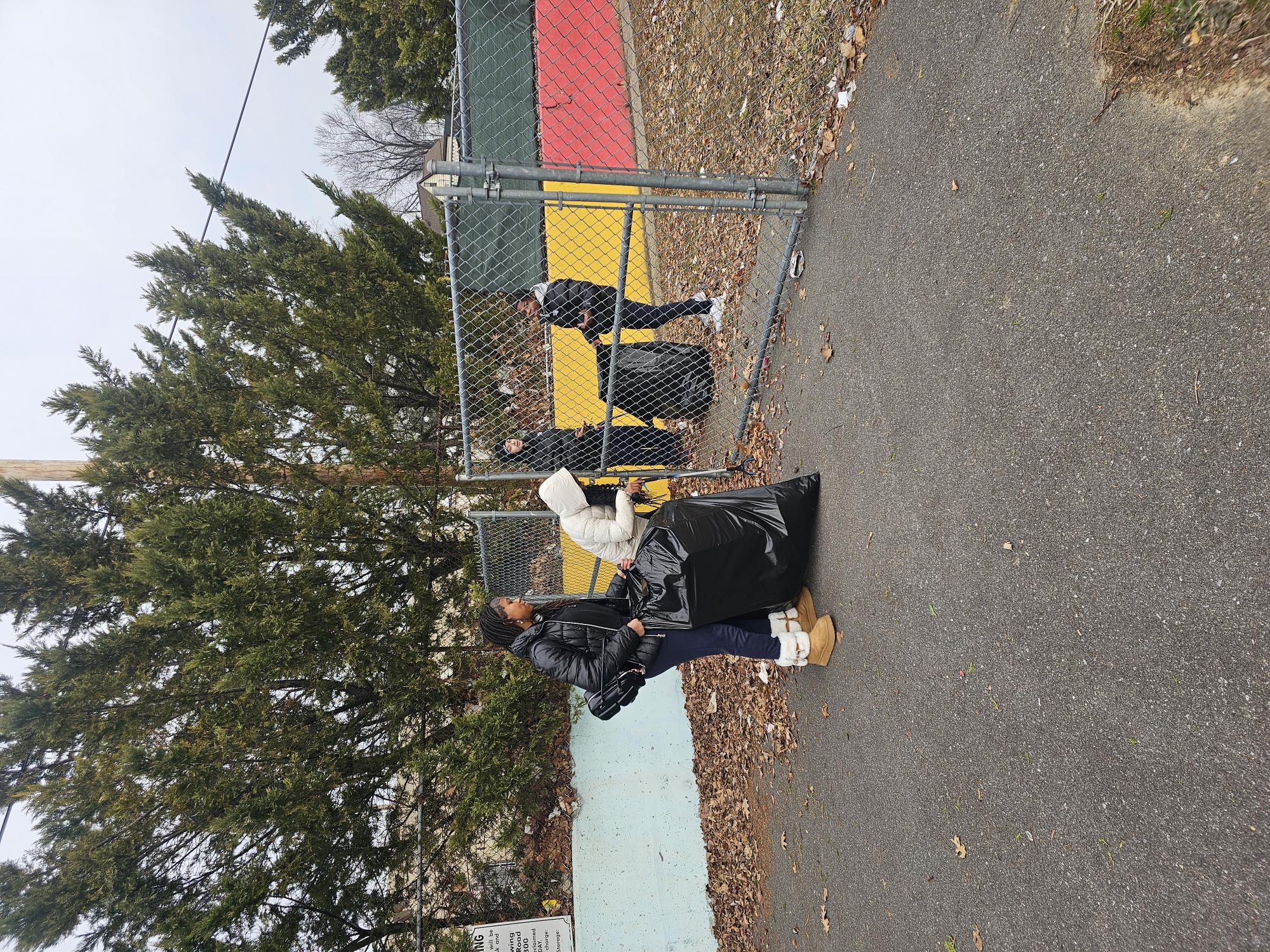
Students and teachers picking up trash around the school.
Morning assembly, Mrs. Wilkins discussed about the current water and electricity bill of the school and asked students what they could do to lower it.
Mrs. Wilkins directly asking students their suggestions and ideas in lowering the consumption of water and electricity.

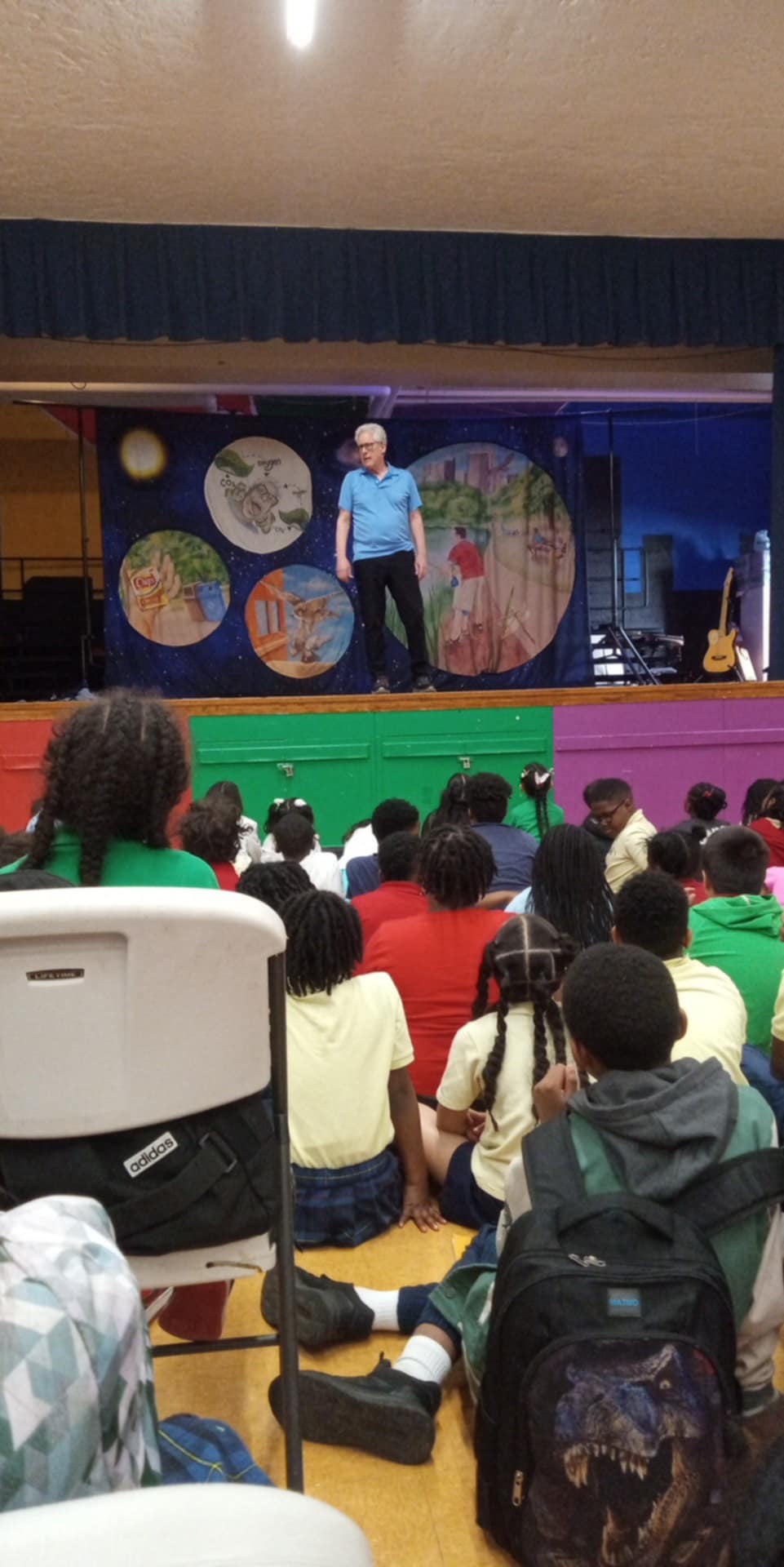
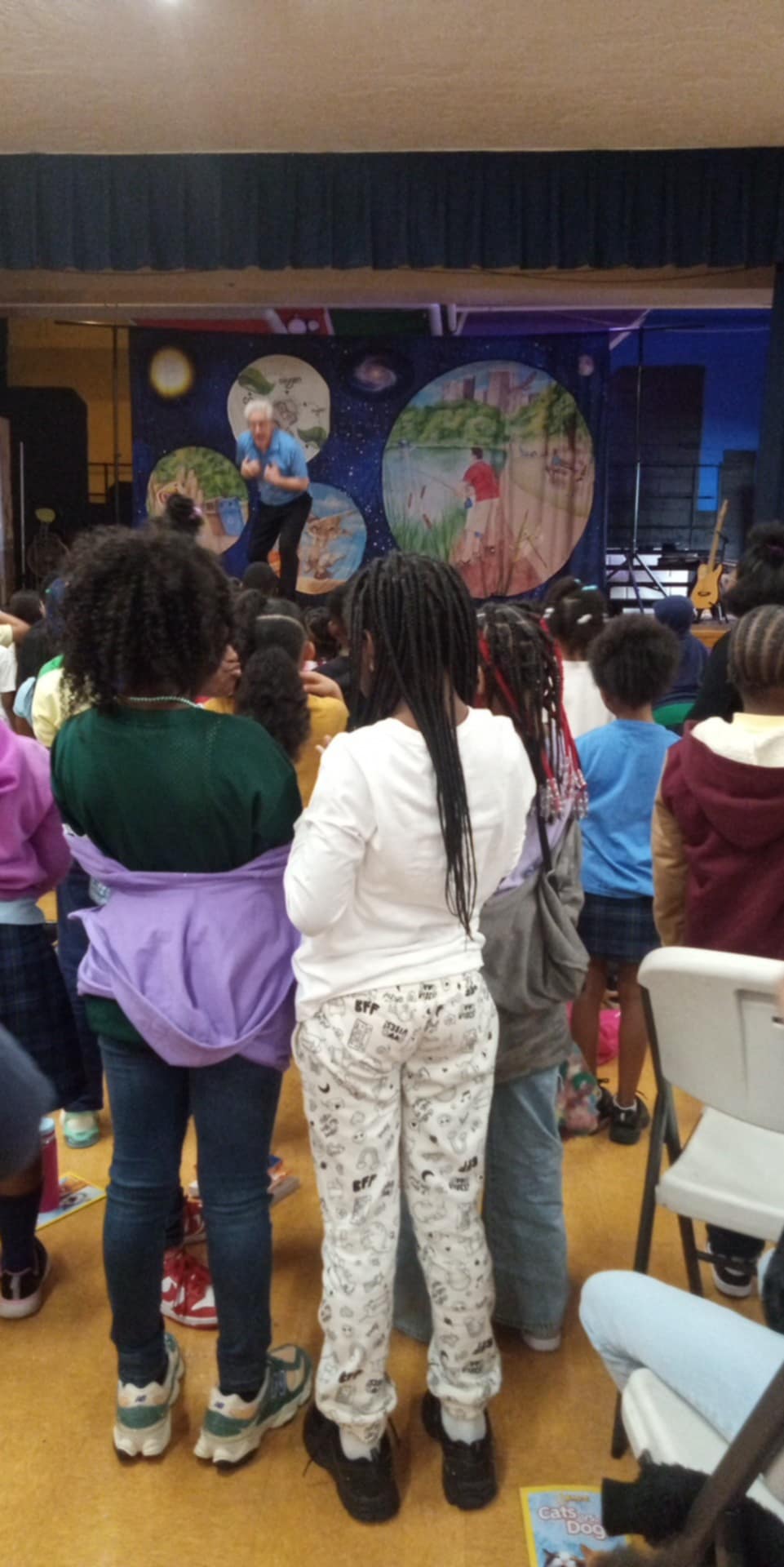
Mr. Billy Brennan came to Baltimore International Academy. His songs are all about environmental awareness and encouraging the youths to take charge of taking care the Earth.
Billy in Concert.
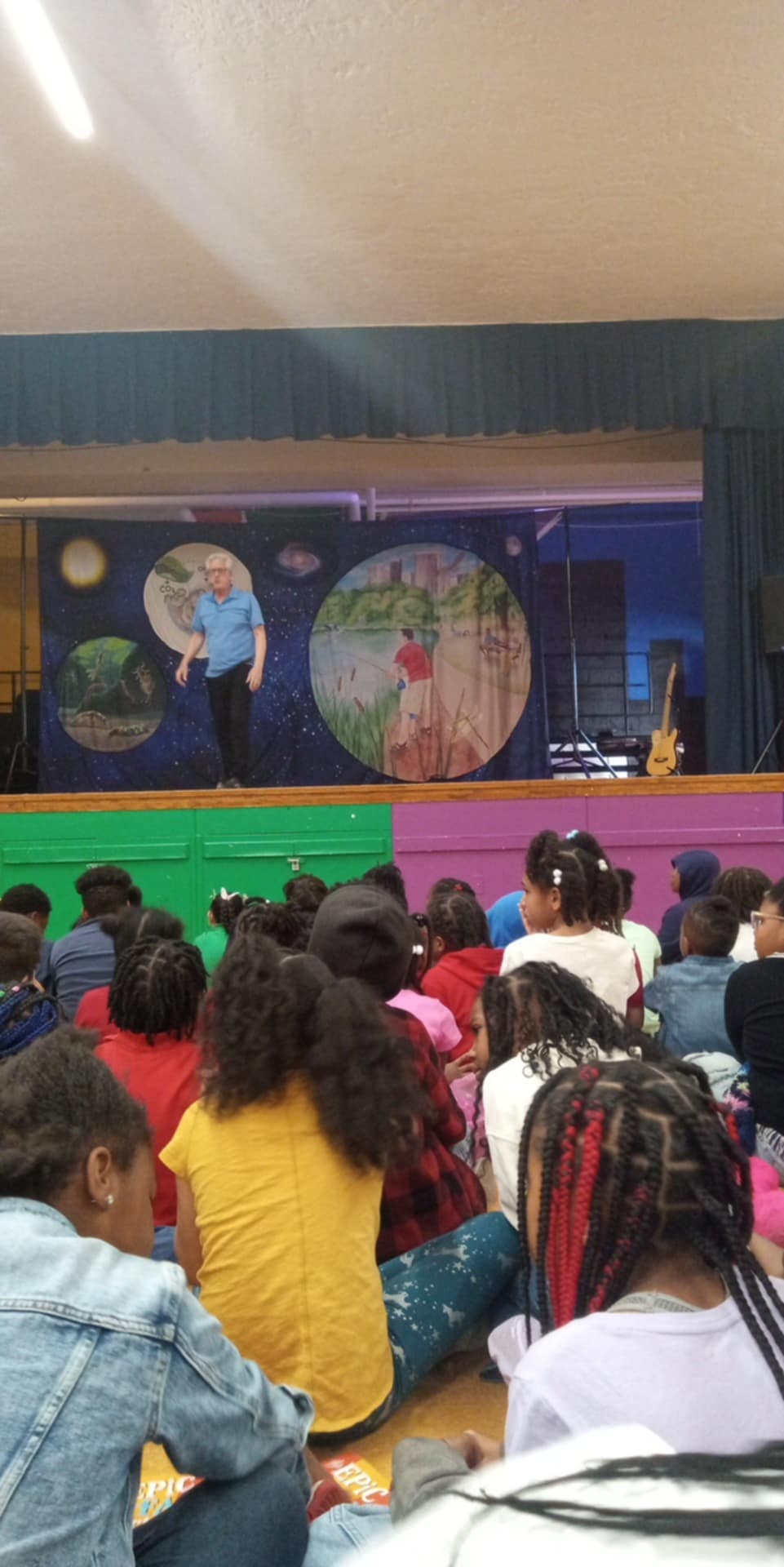
Billy B. Talking to kids about their responsiblity in taking care of the earth.
Billy B. teaching students some dance moves to help them remember their part in taking care of our environment.
1.3 Environmental Professional Development for Teachers
1.3 Environmental Professional Development for Teachers
Demonstrate that 10% of instructional staff have completed an environmental PD. Instructional staff is defined as any staff that manages a gradebook.
- New Schools must have all PD completed within the past 2 years.
- Renewing schools must have all PD completed within the past 4 years.
A teacher who has participated in multiple workshops may only be counted once.
Acceptable Documentation: A certificate of completion from any MAEOE training or recommended PD listed on www.MAEOE.org under Professional Learning or any environmental training provided by your school district.
Baltimore International Academy Staff participated in multiple workshops offered by Nature Forward to learn how to involve their students in environmental protection.
Teachers attended a series of workshops on "Simple Strategies for Green Schools" to learn how they could incorporate nature activities in their classrooms. The topic is Explore sustainability practices related to Water Conservation & Solid Waste Reduction.
12_11_25 SSGS Certificate_Baltimore International Academy (265.35 KB)
Explore sustainability practices related to Water Conservation & Solid Waste Reduction Training Staff Certificate of Attendance
Teachers attended a series of workshops on "Simple Strategies for Green Schools" to learn how they could incorporate nature activities in their classrooms. The topic is Strategies for Energy Conservation and creating a Healthy Indoor Environment.
1_21_26 SSGS Certificate_ - Baltimore International Academy (366.26 KB)
Strategies for Energy Conservation and creating a Healthy Indoor Environment training Certificate for 31 staff members.
Teachers attended a series of workshops on "Simple Strategies for Green Schools" to learn how they could incorporate nature activities in their classrooms. The topic is Opportunities for Nature Exploration & Habitat Restoration.
2_10_26 SSGS Certificate_Baltimore International Academy (268.86 KB)
Opportunities for Nature Exploration & Habitat Restoration training certificates for staff members.
1.4 Sustainable School Practices
1.4.1 Schoolwide Staff Sustainability
Demonstrate the sustainability practices your teachers, staff, and other personnel have implemented school-wide to make your school green. Any actions involving students belong under Objective 2.
Acceptable Documentation: Photos of practices being implemented by staff and/or policy documents that describe sustainable behaviors such as reducing paper use via double-sided copying or electronic communications, de-lamping or using natural light or task lamps to conserve energy; incentivizing carpooling or public transportation; reducing waste in the staff lounge; etc. You may also include the installation of sustainability features at your school such as solar panels, geothermal heating, water bottle refilling stations, etc.
Our school is a green school. We have demonstrated the sustainability practices in our school by teachers, staff, and other personnel by implementing recycling school-wide to make your school green. DPW pick up our recycled materials every Wednesday
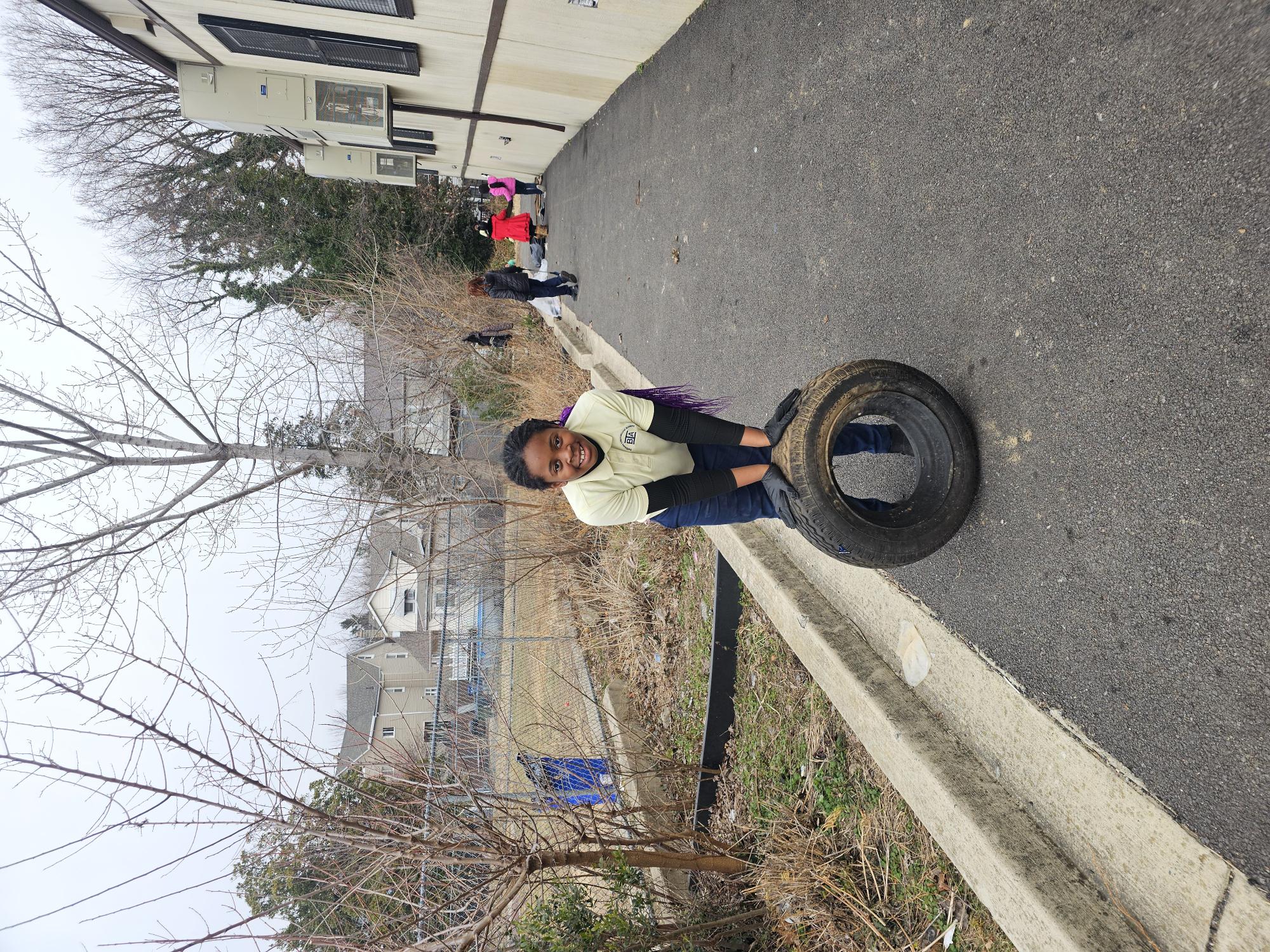
Ms. Kukin together with her students are cleaning our school campus.
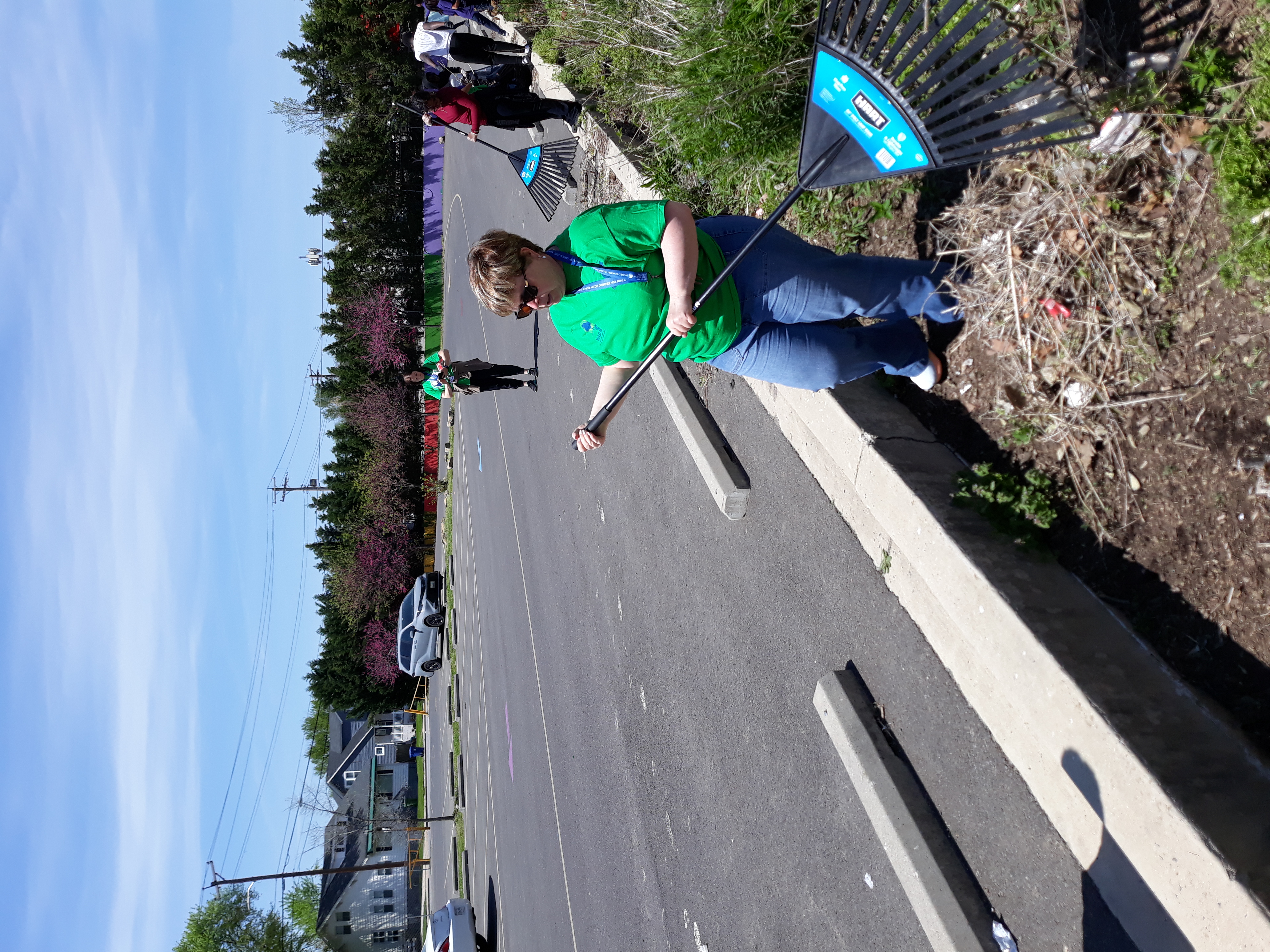
Ms. Oji participating in our community clean up.
__20260215133692.jpg)
1.4.2 Systemic Partnership
Demonstrate at least one partnership with a central office or board within the school system that supports part of the Maryland Green Schools Program. Any partnerships outside of your school system belong under Objective 3. Independent schools may partner with their board of trustees, parish office/archdiocese, or funders.
Acceptable Documentation: Sustainability plans, letters from district partners, or completed program applications as well as photos of practices being implemented in partnership with your systemic partner.
Baltimore International Academy partners with Baltimore City Schools Office of Sustainability in most of its Green Schools initiatives. Ms. Joanna Pi-Sunyer from the office of sustainability provides support in different levels including Great kids farm field trips for students, professional development for teachers, and grants opportunities. We received $1080 from Green Healthy Smart Challenge grant through BCPS connection. The grant is to be used to revive our pollinator garden.
Award Letter Template - 2025 - BIA East (5) (266.79 KB)
Green Healthy Smart Challenge grant award letter.
Emails from BCPS (740.77 KB)
Support emails from the City Schools
No records were added by the school.
Student Action
Schools must document eight total actions that address at least three of the listed sustainability practices.
These are student actions, not adult actions. Adult sustainable actions can be documented in Objective 1.4.
2.1 Water Conservation/Pollution Prevention
2.1 Water Conservation/Pollution Prevention
The Russian Immersion 6th and 7th graders went on a field trip to do investigation on Water Quality. They collected data on pH, salinity, dissolved oxygen, temperature and turbidity. Based on the data collected they took action and wrote Council woman Ms. Porter narrating their findings and suggesting that bird seeds be used to treat winter snow storm instead of salt which pollutes the environment
dfield trip data__20260127200343 (1) (186.77 KB)
Water investigation data collection sheet.
kNational Aquarium pic__20260127201083 (485.2 KB)
Water Quality Investigation at the National Aquarium
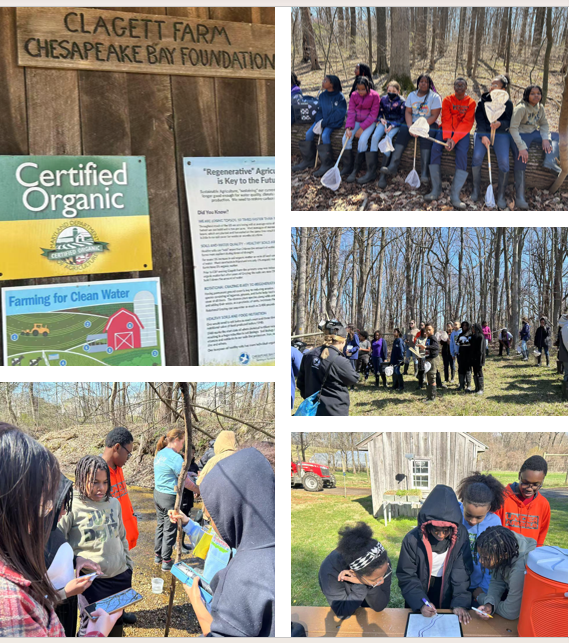
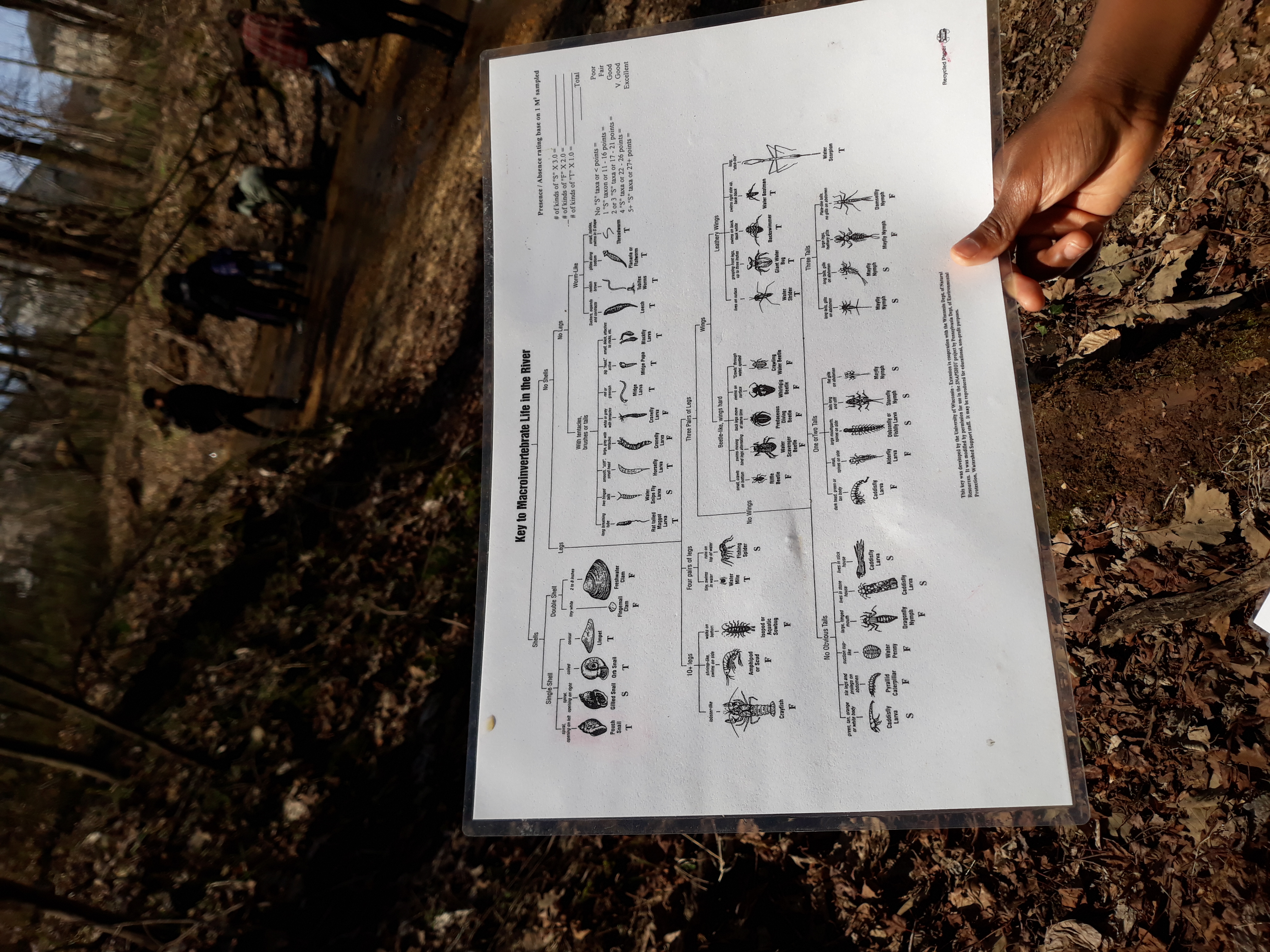
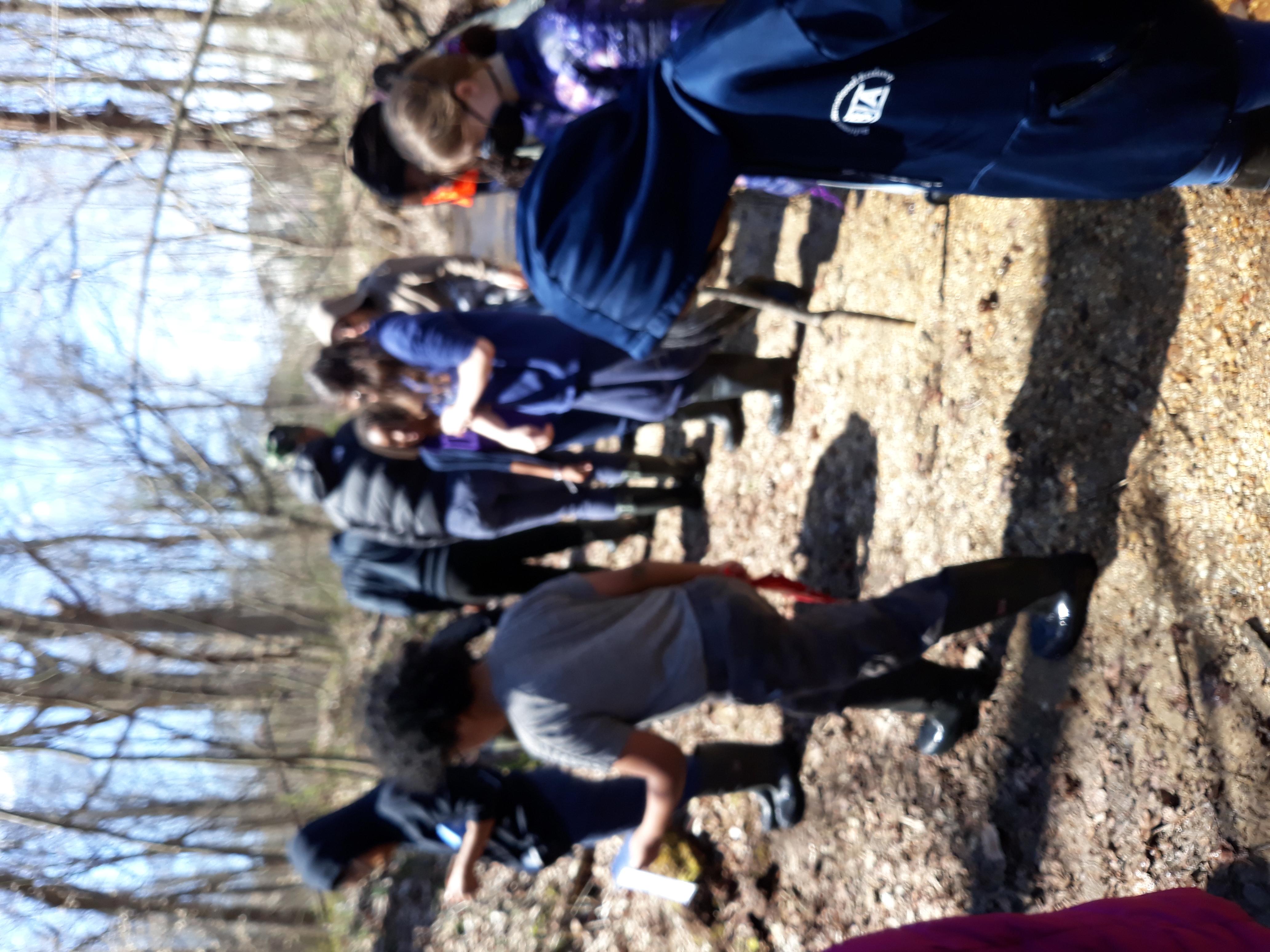
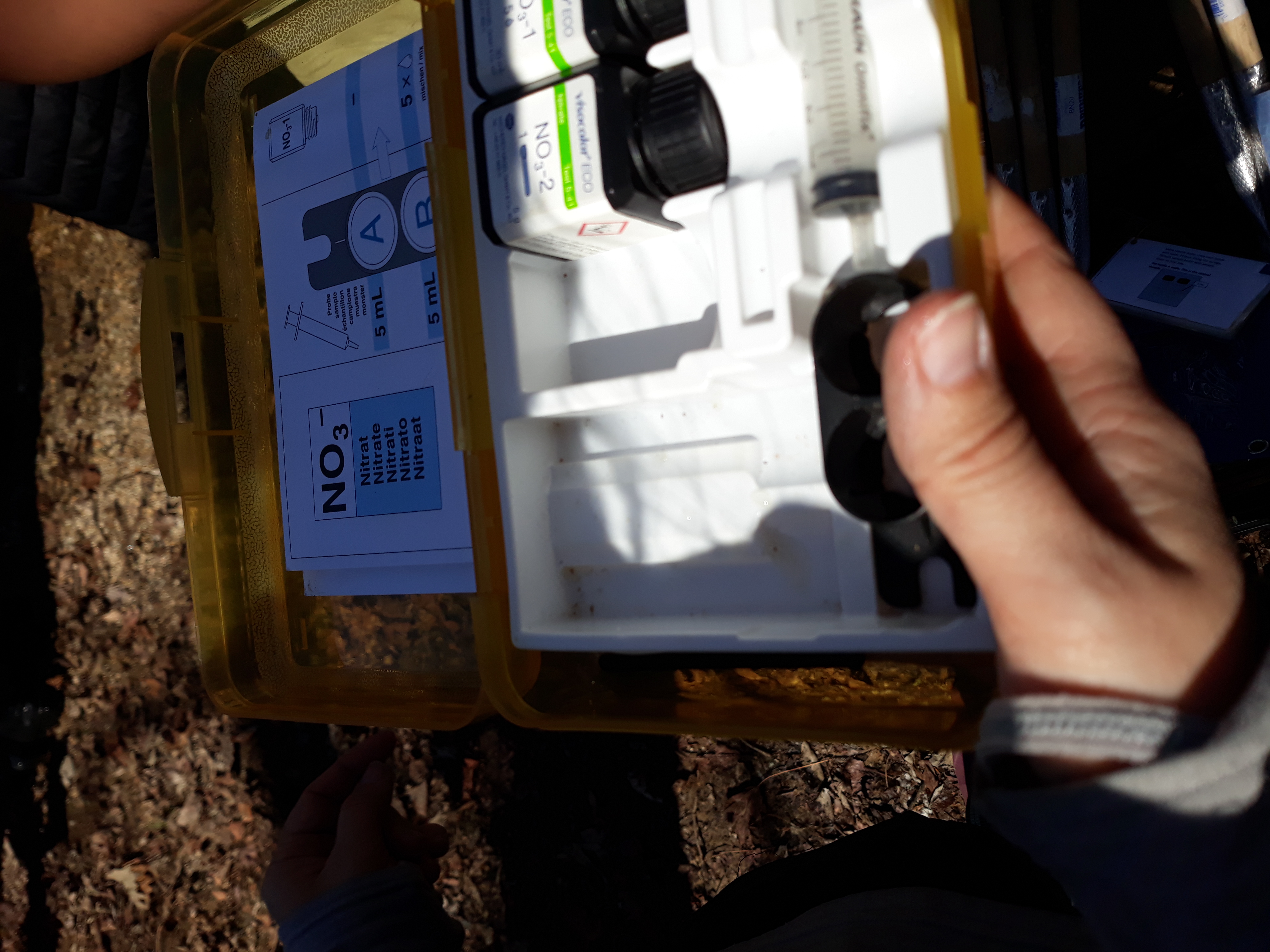
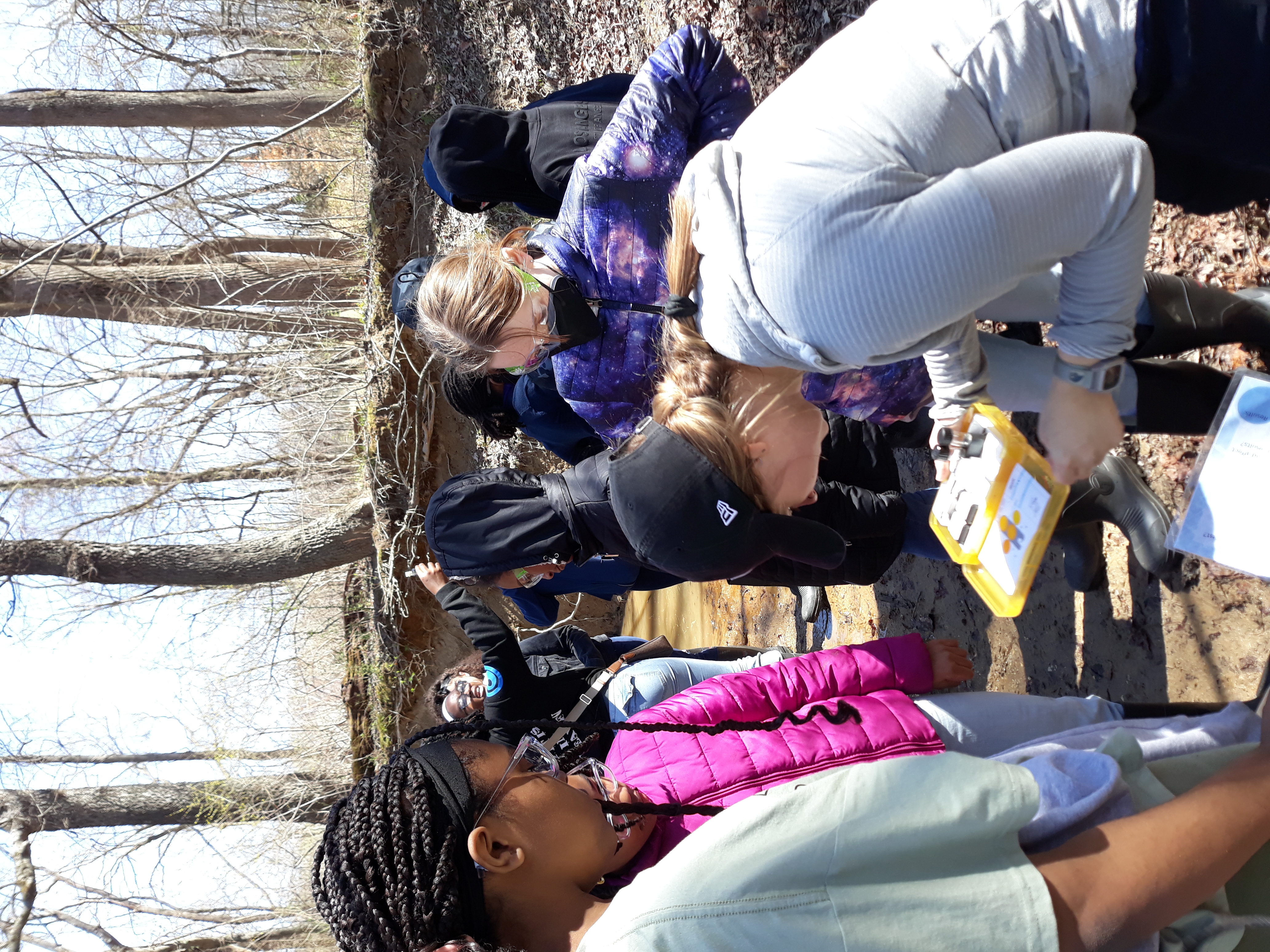
On March 25, 2025 Russian and Chinese Immersion 6th and 7th graders went on a fieldtrip to Clagett farm operated by Chesapeake Bay foundation. The farm is a 283-acre, sustainable, and regenerative farm in Upper Marlboro, MD. It focuses on improving soil health and water quality through organic vegetable production, 100%grass-feedbeef/lamb, and native tree nurseries The student did a lot of hands-on activities such water quality investigation, looking at microinvertebrates and looking at how biodiversity helps the ecosystem.
Students doing hands on activities in Clarett Farm.
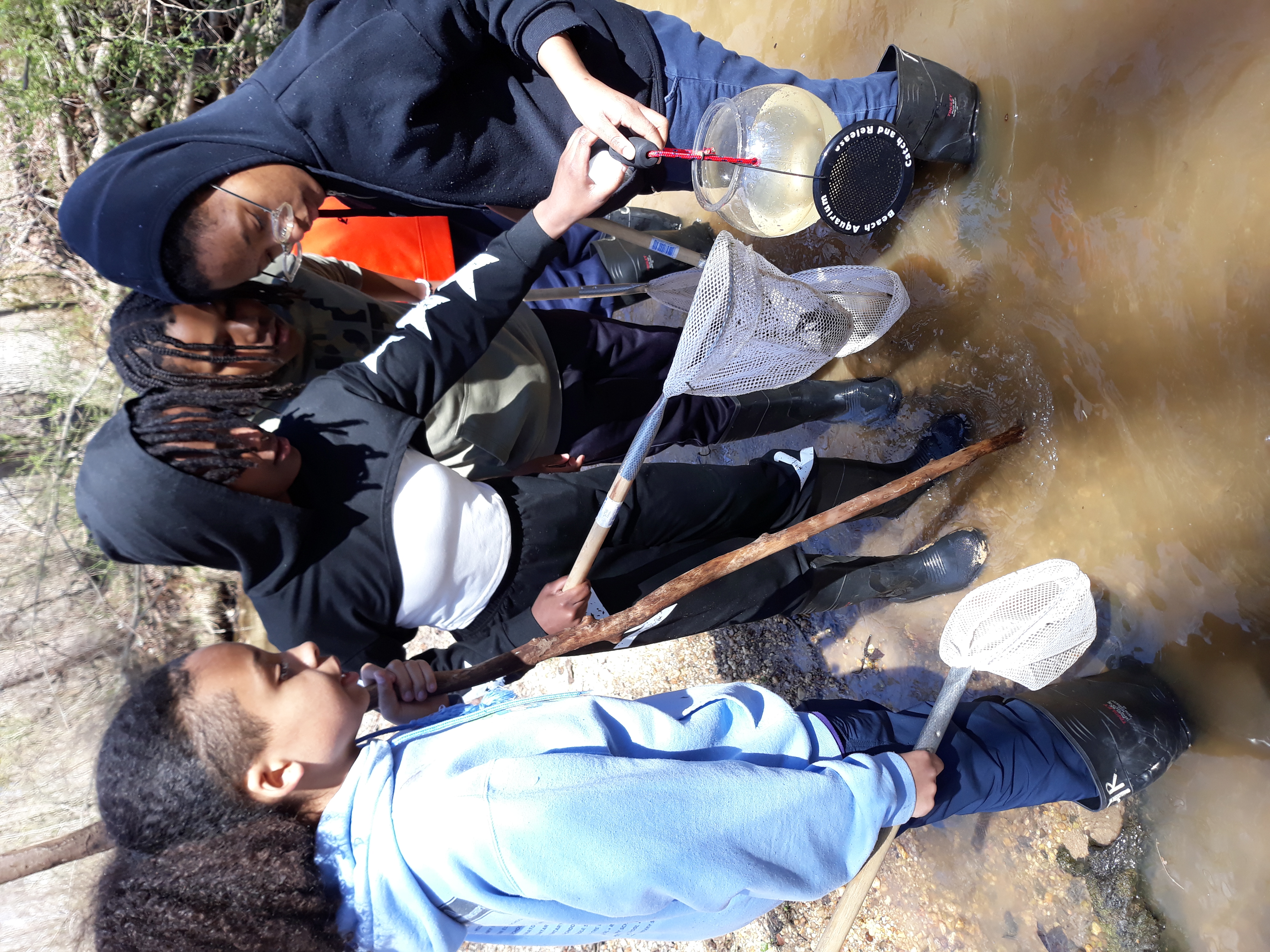
Students doing hands on activities in Clarett Farm.
Students doing hands on activities in Clarett Farm.
Students doing hands on activities in Clarett Farm.
Students doing hands on activities in Clarett Farm.
Baltimore International Academy celebrate Earth Day annually. Students celebrated Earth Day on 4/22/2025 by cleaning up their school environment and recycling
Students cleaning on Earth Day.
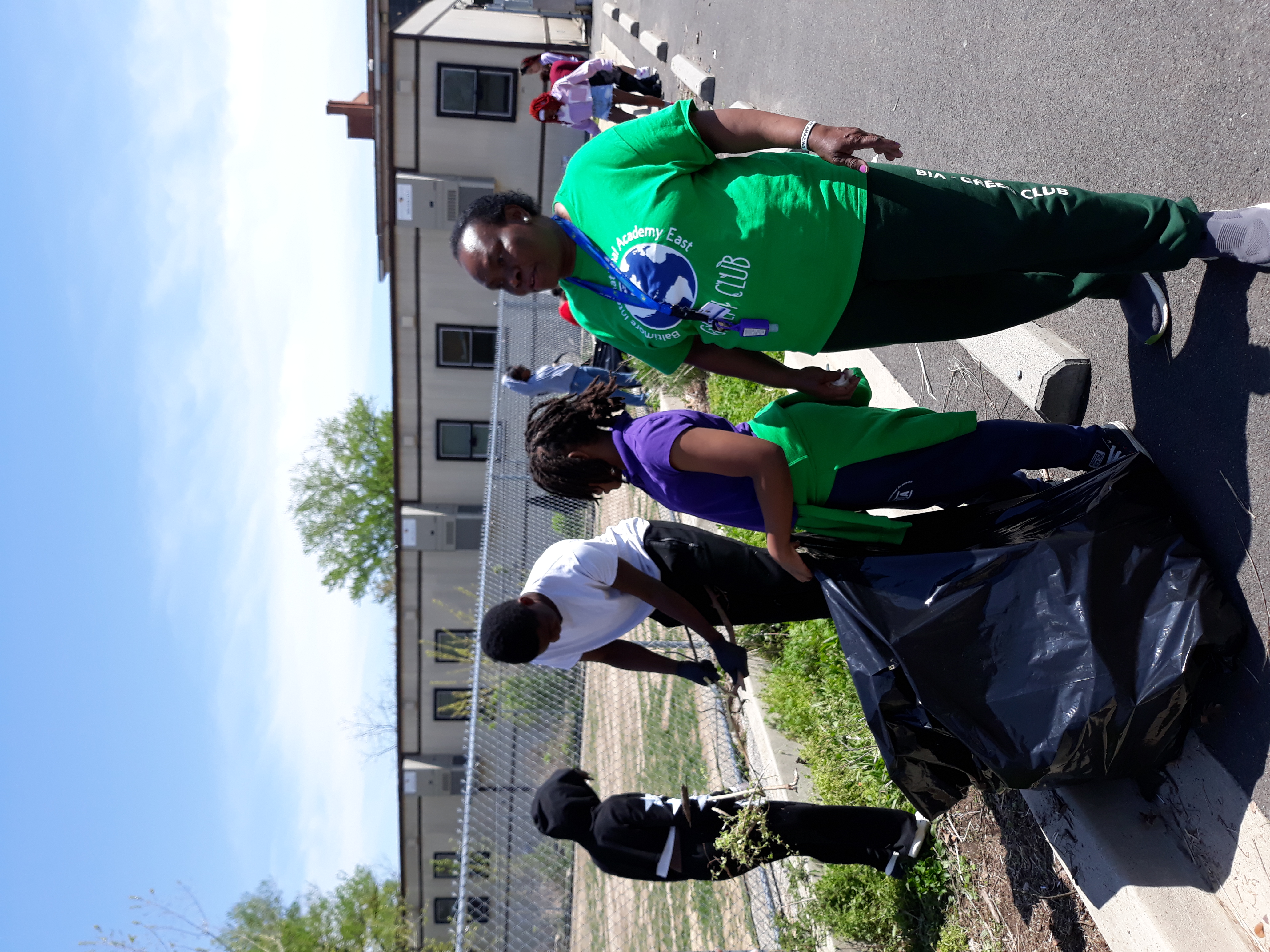
Students cleaning on Earth Day.
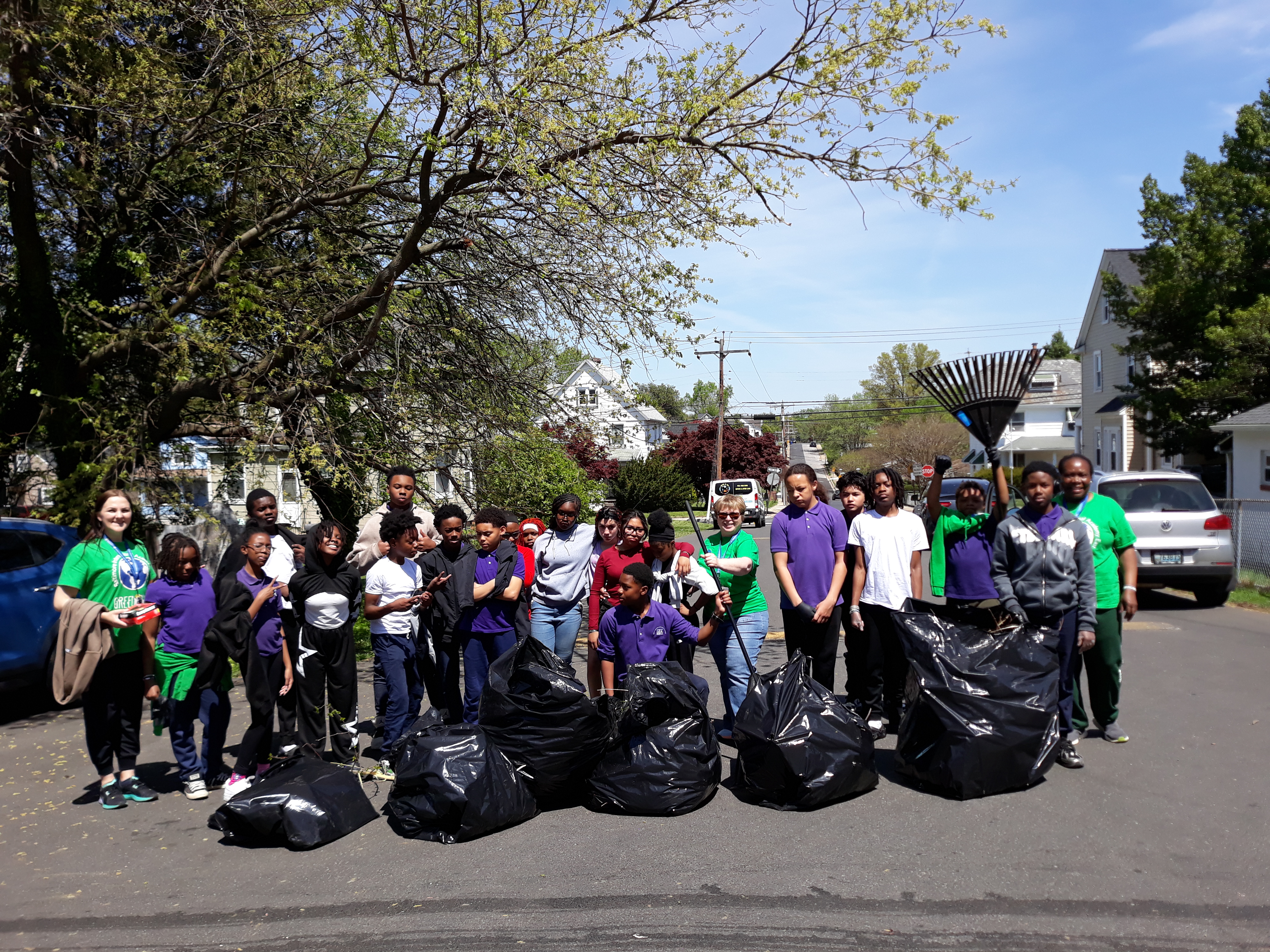
2.2 Energy Conservation
2.2 Energy Conservation
Baltimore International Energy Conserves energy by turning off lights and other devices when not in use. The conserve energy sign is posted in every classroom and office at Baltimore International Academy. The sign is written in every target language
Signs printed in different language and posted in each classroom wall.
__20260214200596.jpg)
Student turning off the lights beforeleaving the classroom.
__20260214200538.jpg)
2.3 Solid Waste Reduction
2.3 Solid Waste Reduction
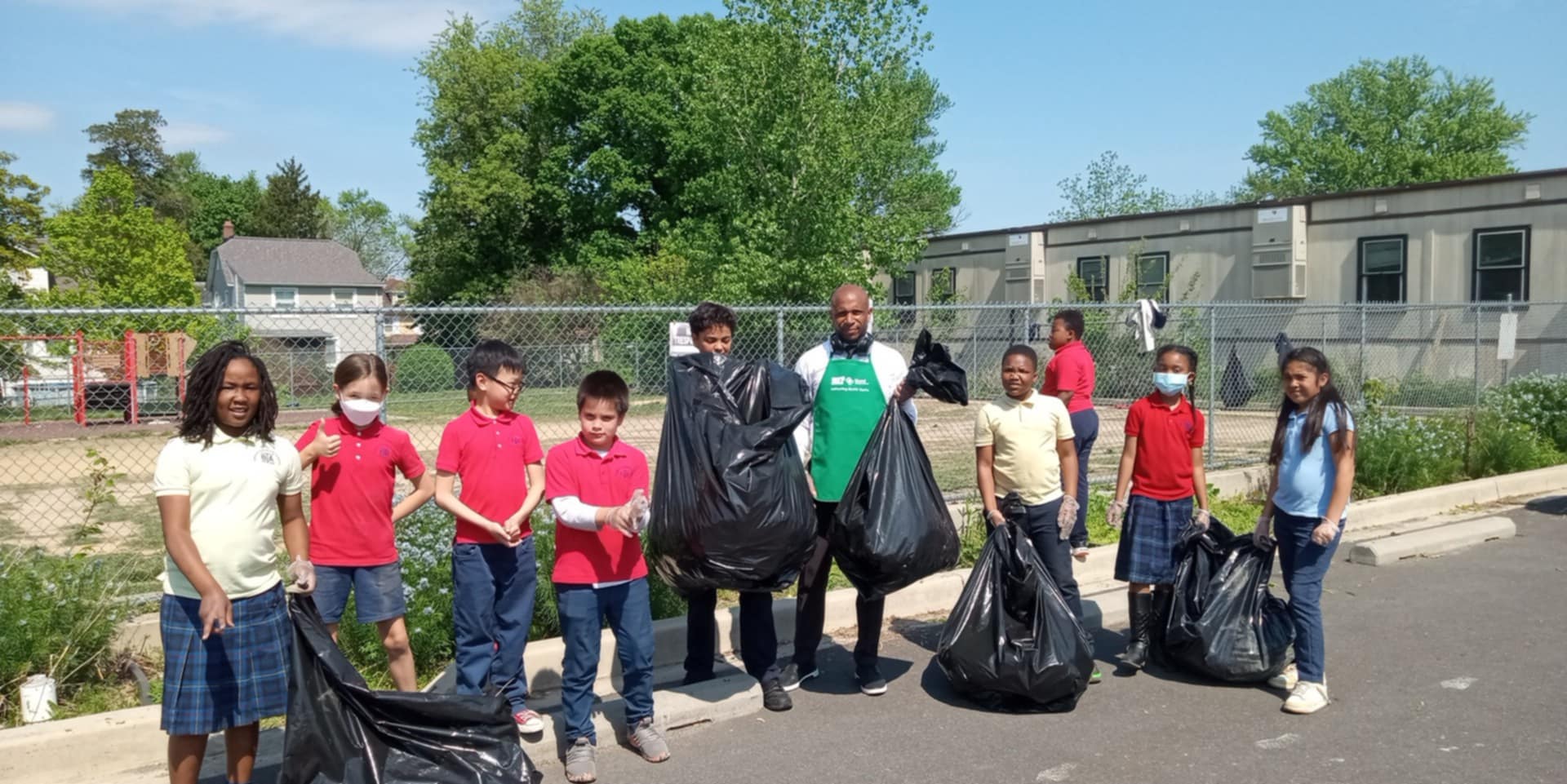
Students helped in community clean up.
Students enjoying community clean up.
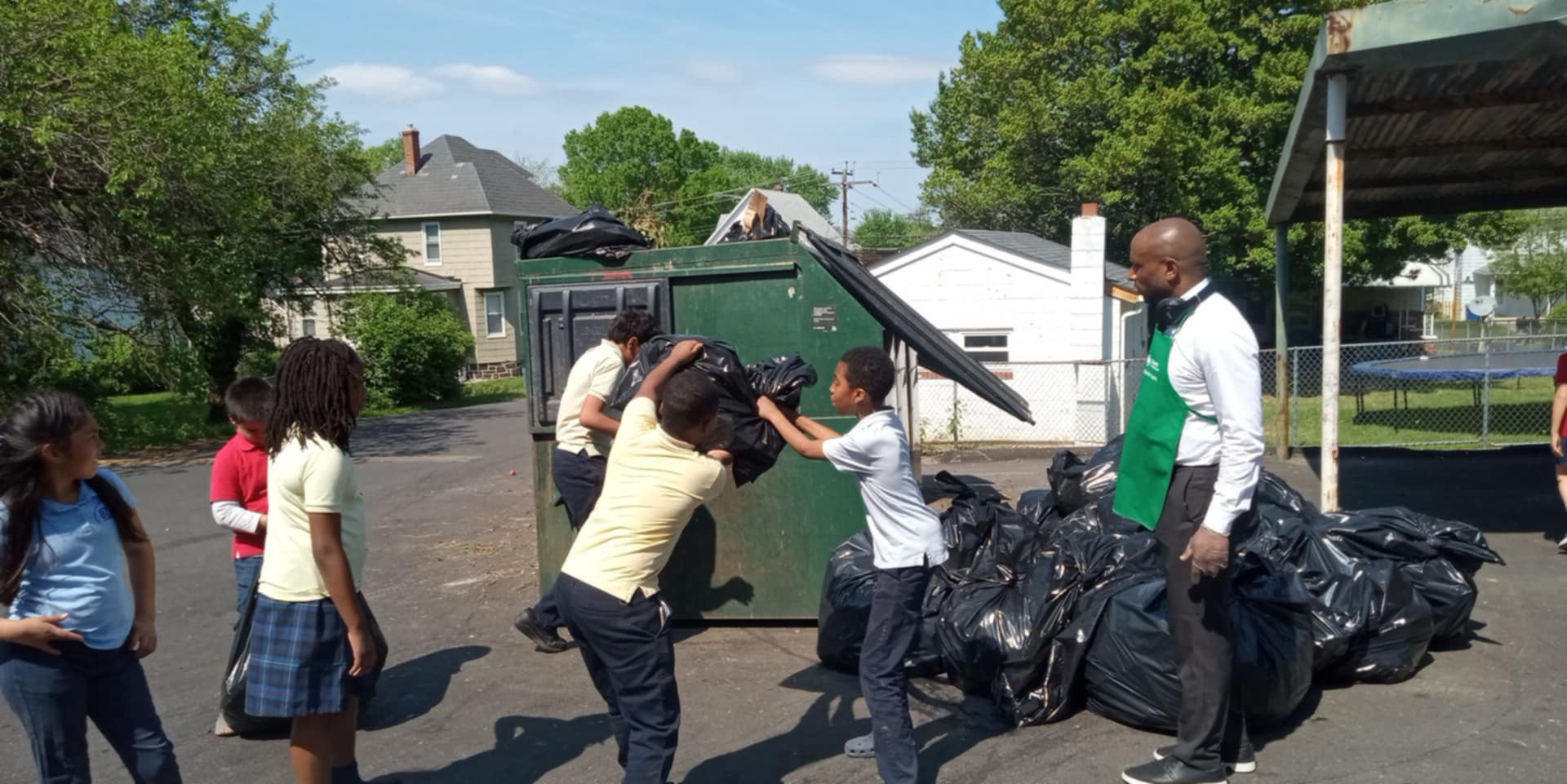
Students pulling grass and picking up trash along the way.
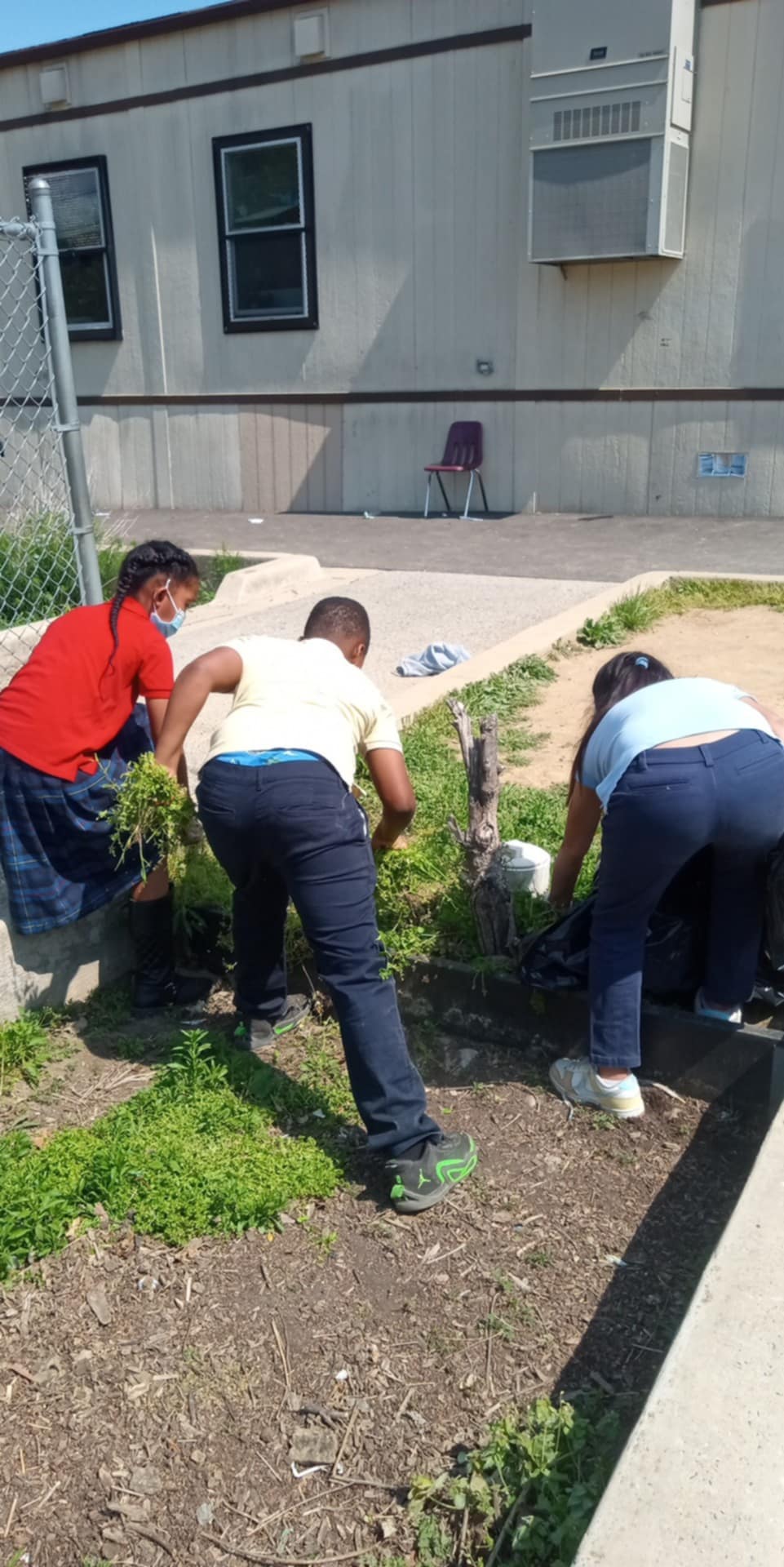
Green Club members posing with Mr. Burton after filling up their bags of trash from our school ground.
2.4 Habitat Restoration
2.4 Habitat Restoration
Students did investigation in the classroom on the connection between aquatic and terrestial ecosystem in the classroom.
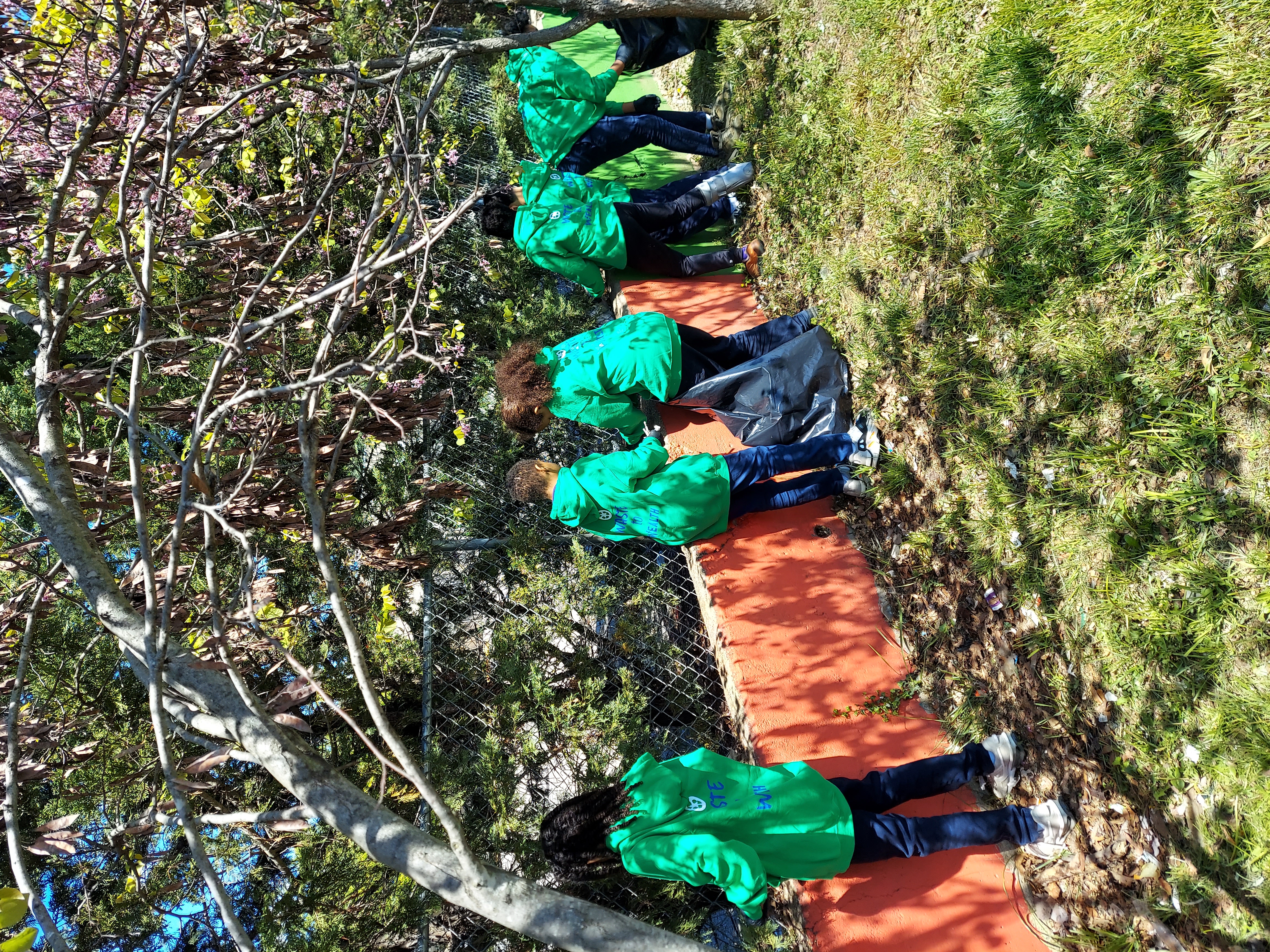
Students went to the school yard and looked at invasive species to remove them.
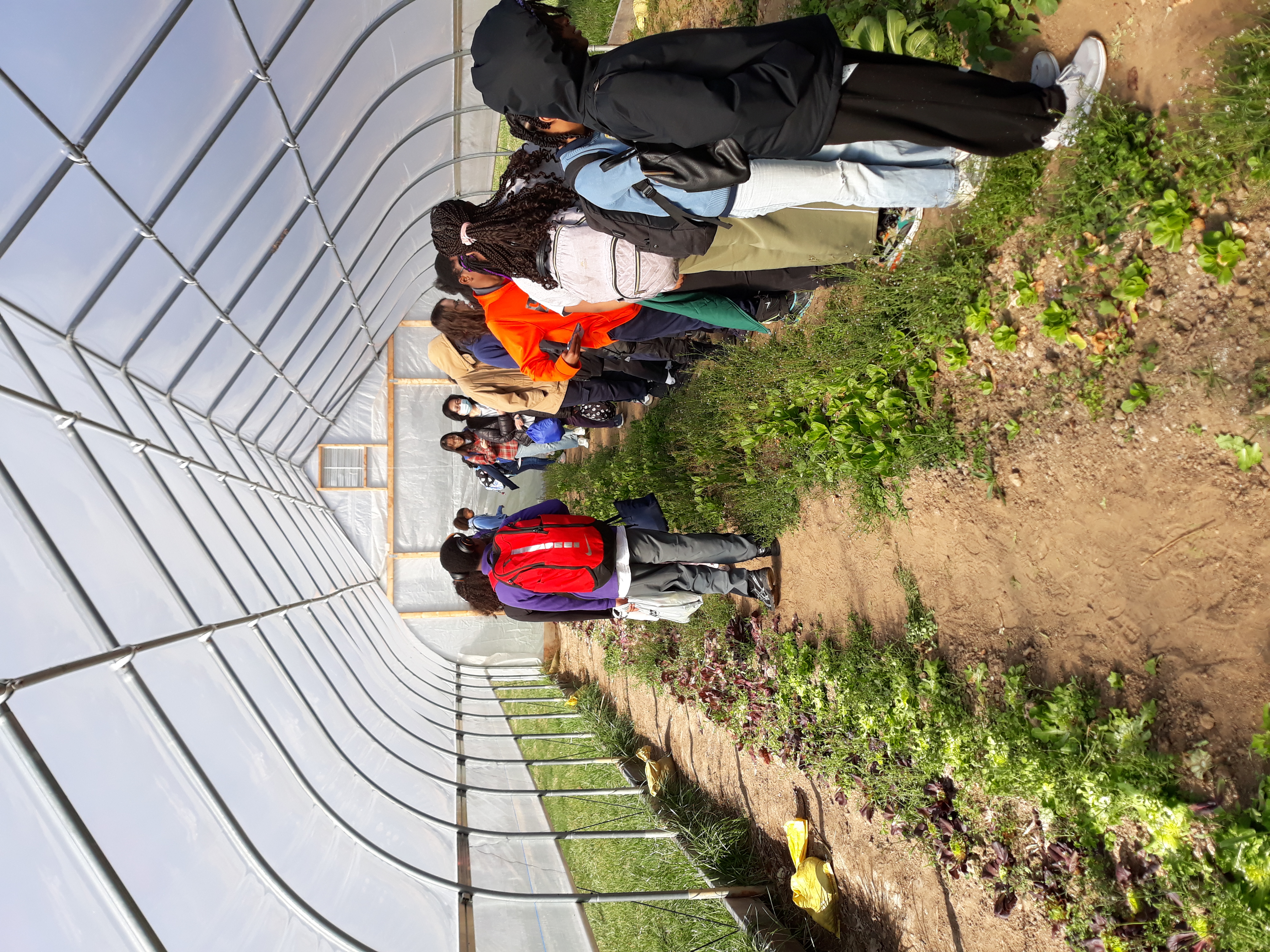
Students visit Clagett Farm to explore the greenhouse.
Students removing invasive species.
Investigation in the classroom
__20260214205638.jpg)
Students in the Greenhouse in clarett Farm
2.5 Outdoor Learning Structures
2.5 Outdoor Learning Structures
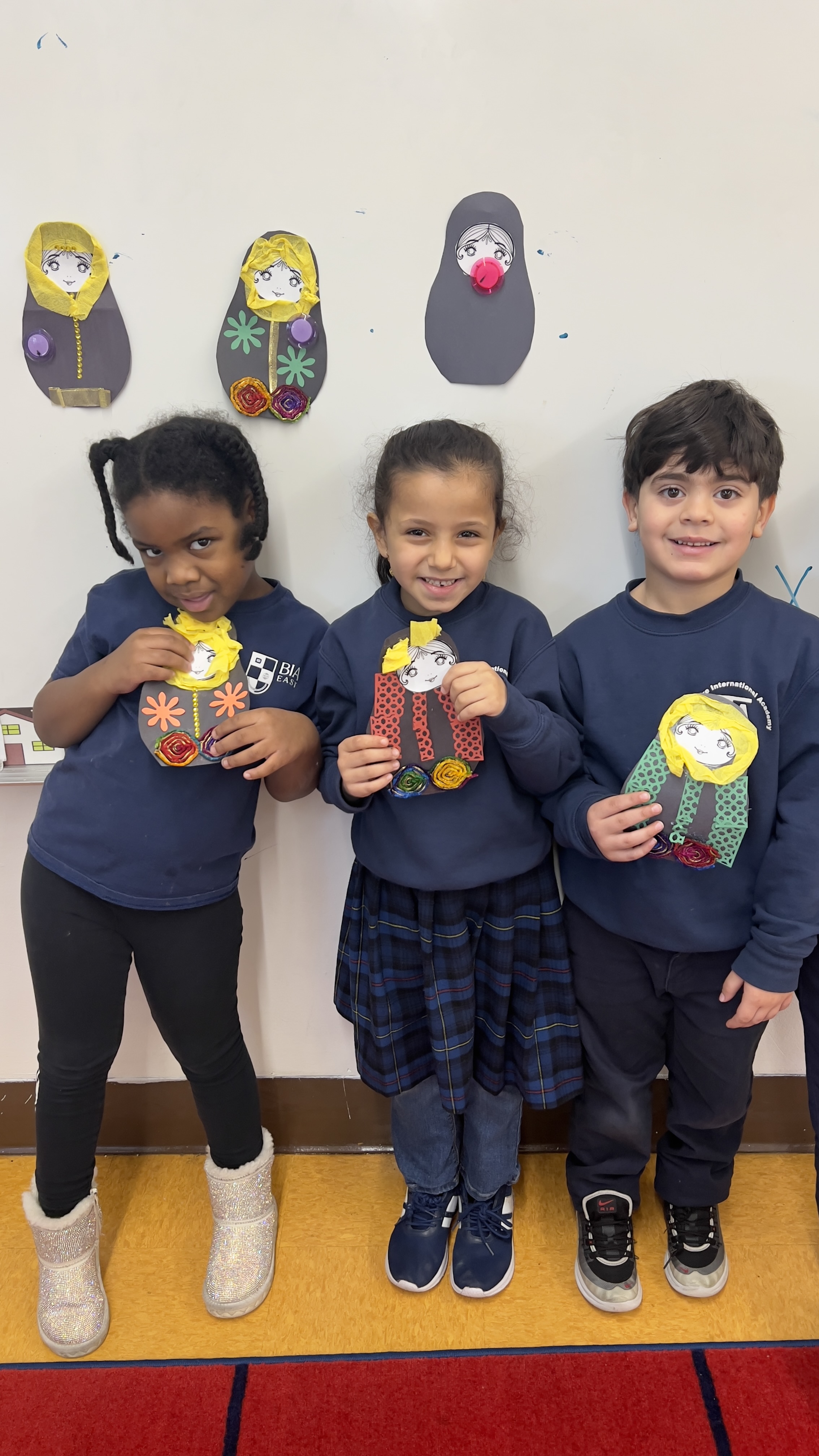
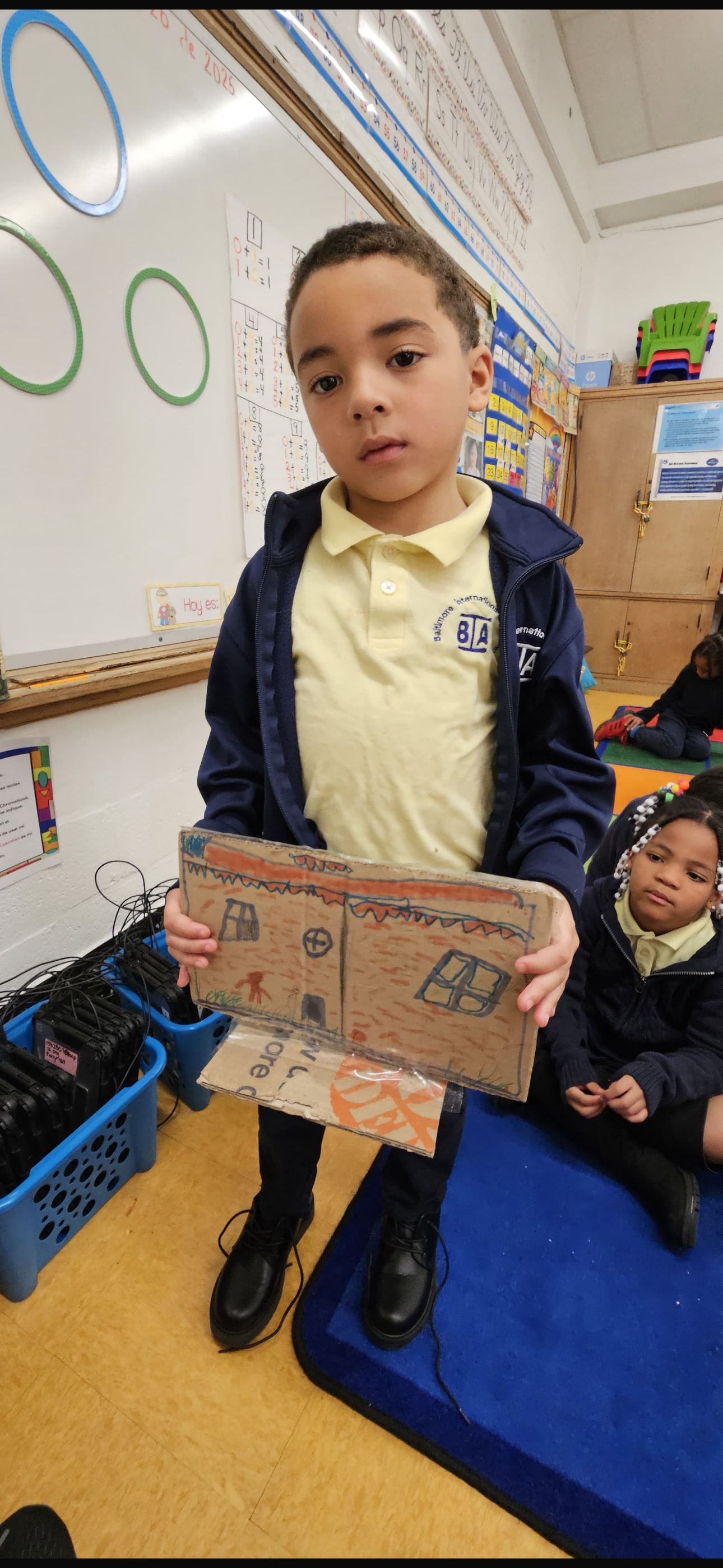
Students created structures, signage, artwork from recycled materials that encourage the use of nature in learning.
Students with their artwork.
Student showing his house design using recycled materials.
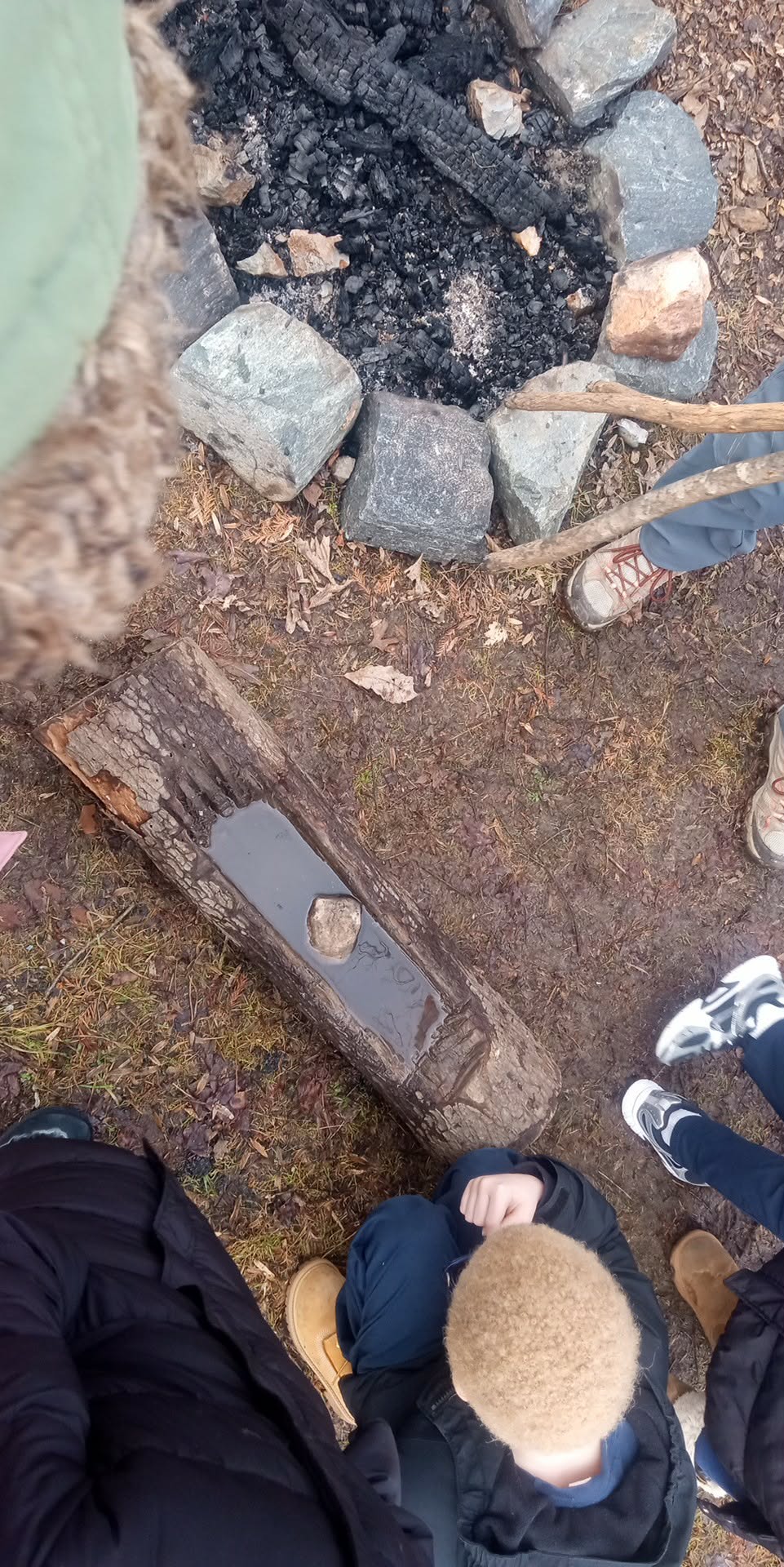
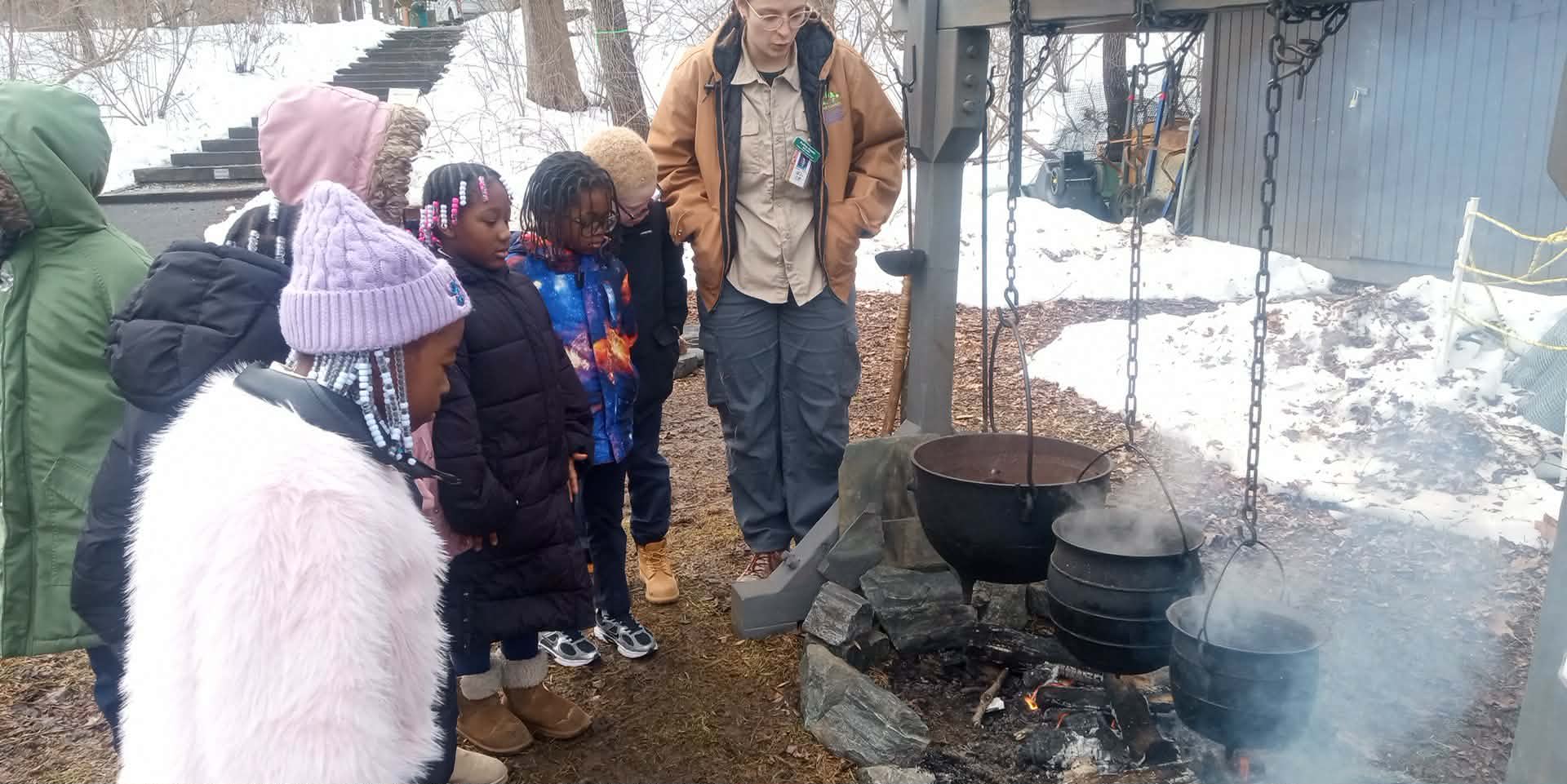
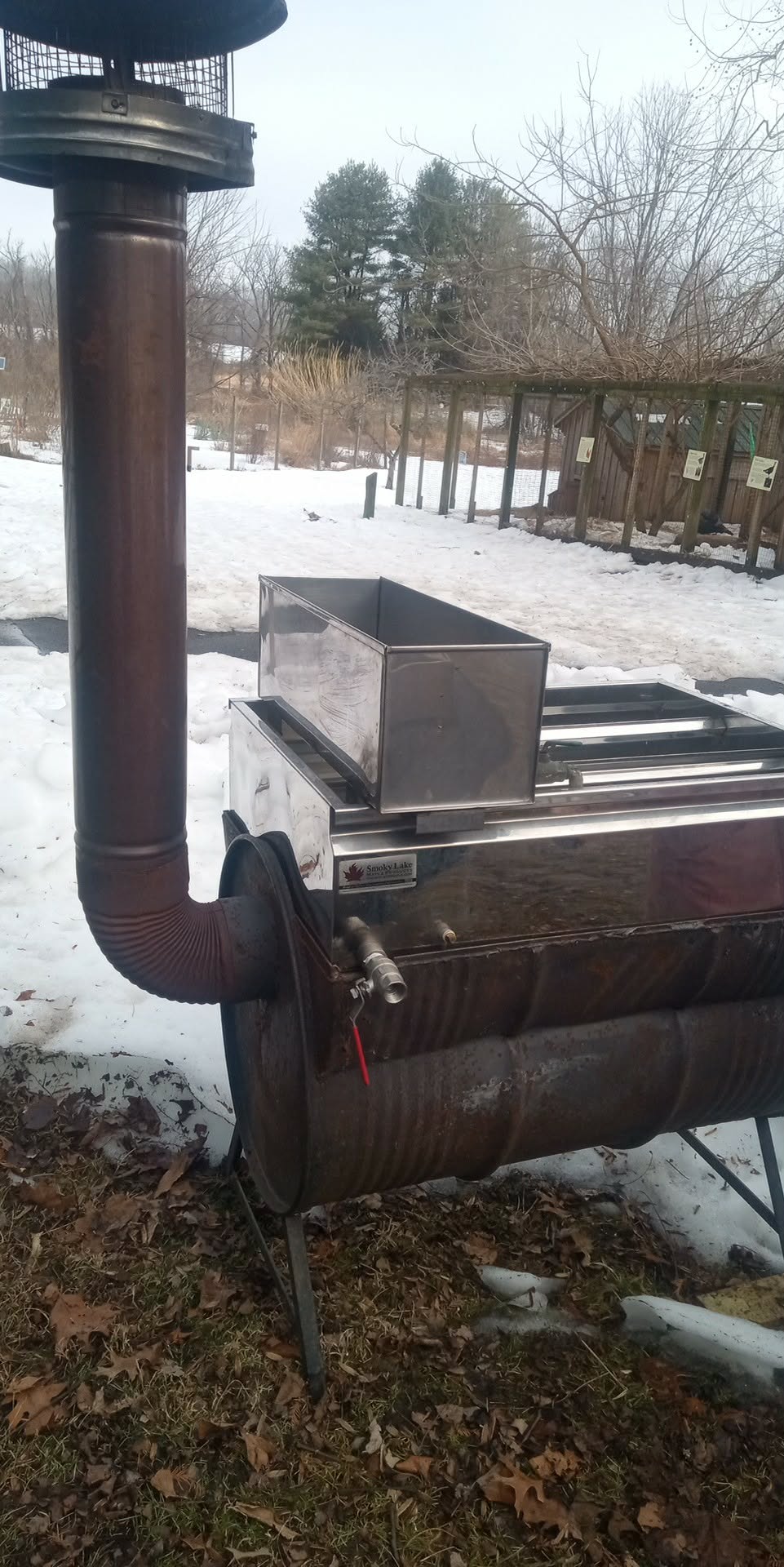
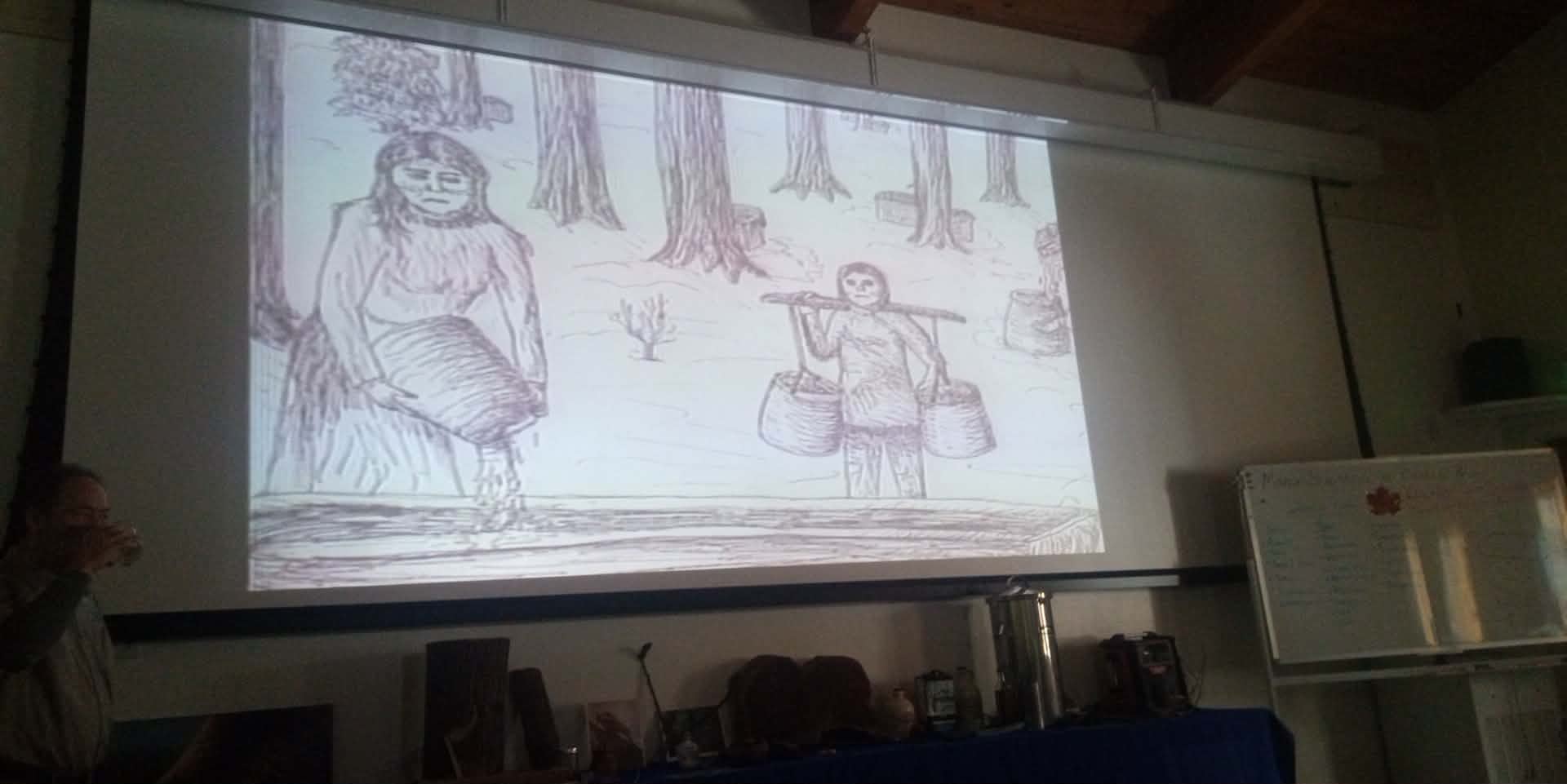
Students were given a chance to learn the history of maple sugaring in Maryland. They learned how the Native Americans used tools to extract sap from maple trees. The students made their own spiles and learned to extract sap by drilling a hole on a tree. They also learned the process of turning sap into sugar by dehydration using three pots and back in the day using hot rocks to dehydrate and extract sugar from the sap.
Wooden bucket/trough and hot rock used by Native Americans to dehydrate the sap extracted from the Maple trees.
The three metal pot that were used for dehydrating sap from maple tree.
The new way to dehydrate the sap callde dehydrator.
A student being taught how to drill a hole on a maple tree
A story on how Native Americans gathered and processed maple sap to make into maple sugar.
2.6 Responsible Transportation
2.6 Responsible Transportation
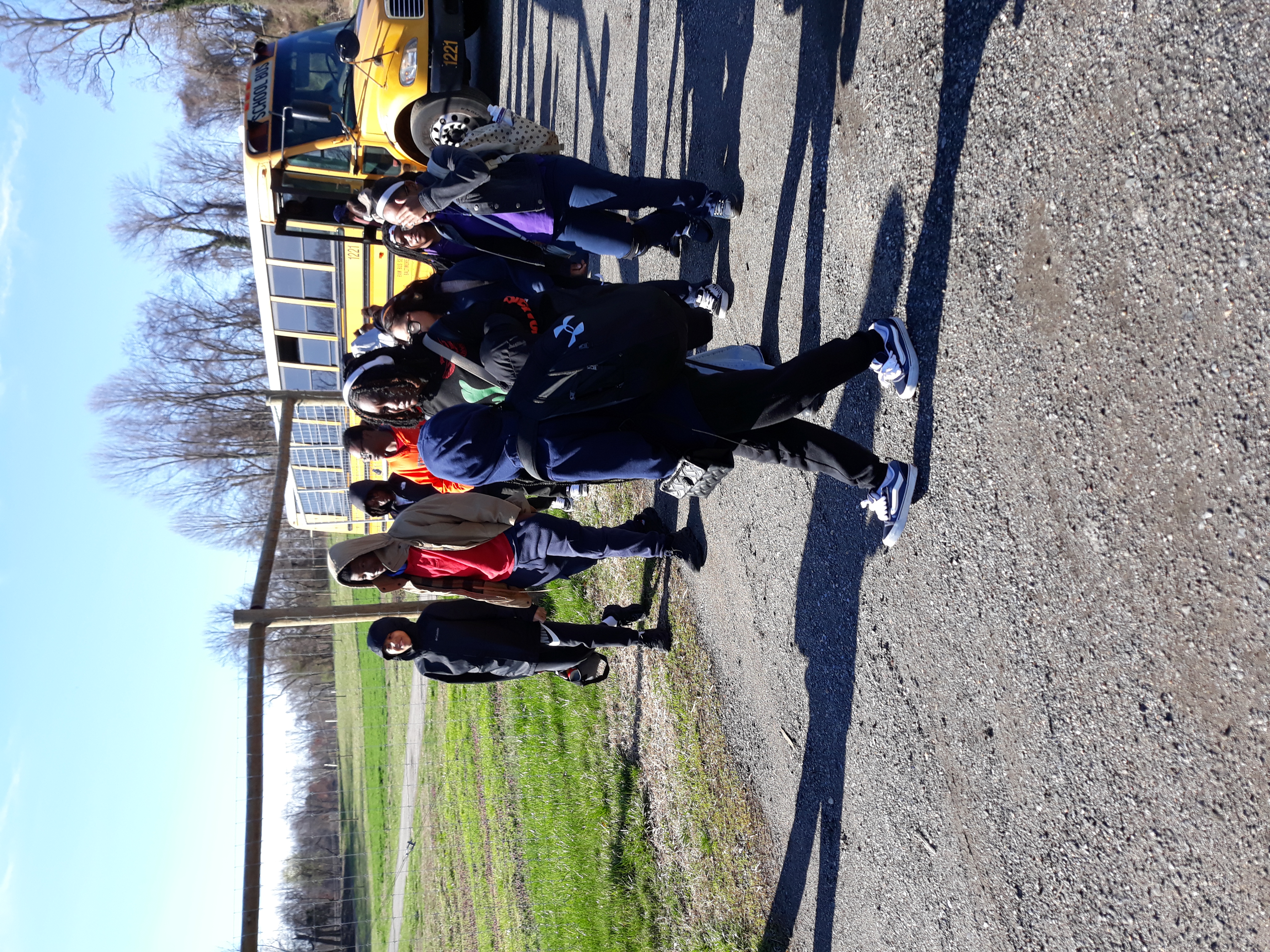
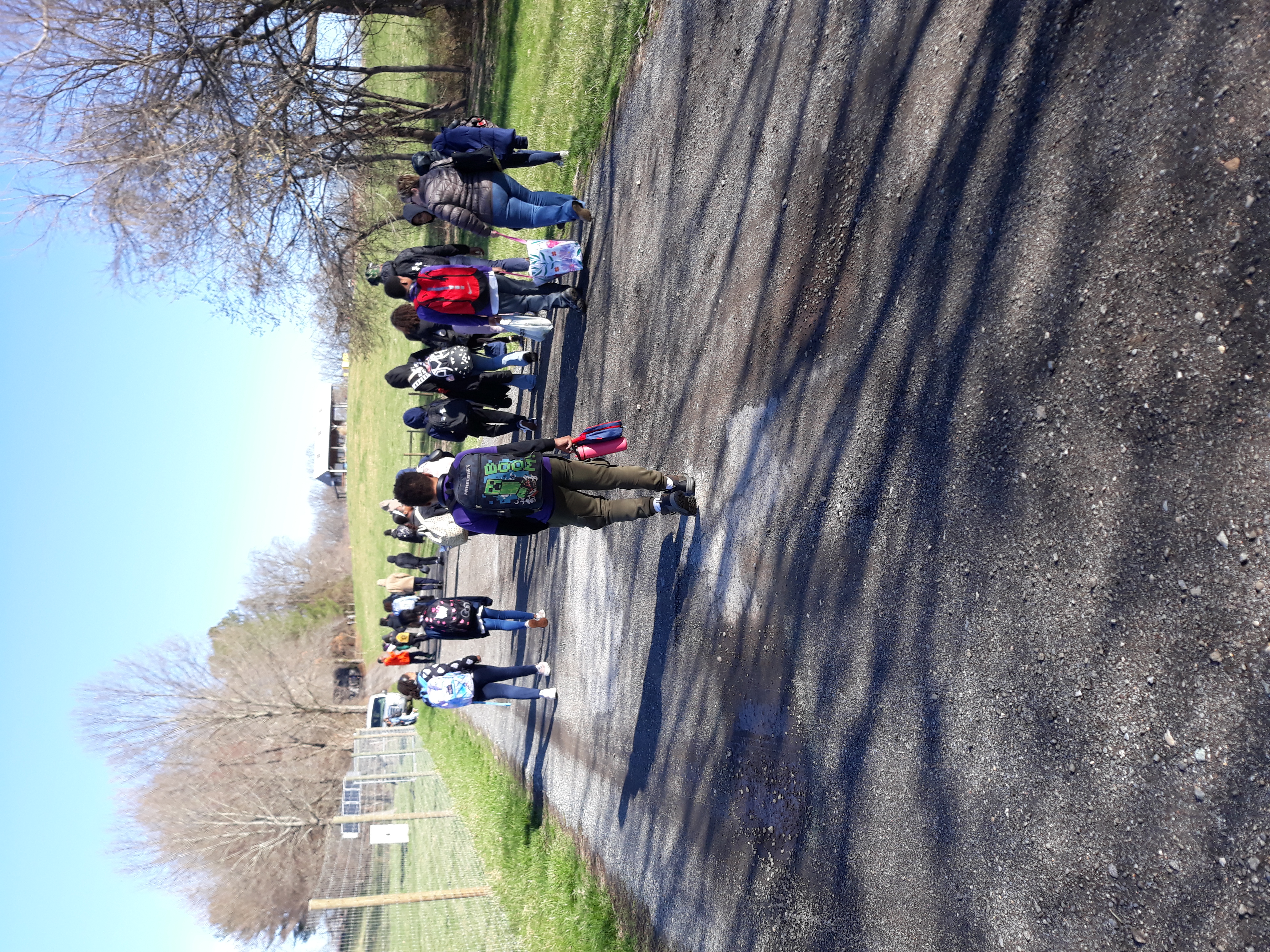
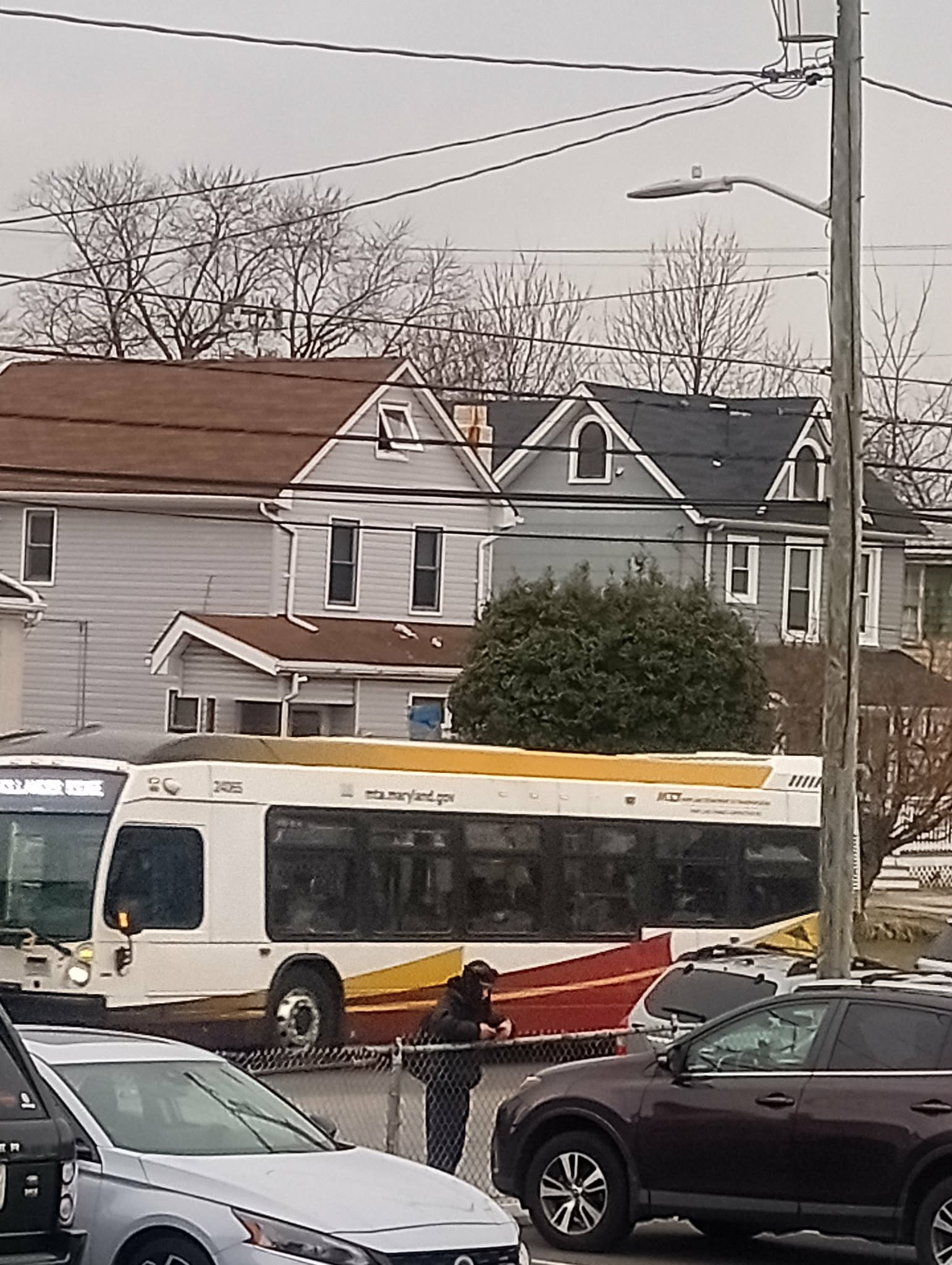
Baltimore International Academy addresses sustainable options for school transportation and fossil fuels reduction such as reminding our parents to car pool while bringing their children to school./staff carpooling to school. Staff, students and chaperones go on fieldtrip by riding the bus which carry all attendees. This has created more awareness in our school to maintain responsible transportation.
Students riding school bus to go to field trips instead of individual cars.
Parents riding on the bus together with students to lessen carbon footprints.
Student using public transportation to go home.
2.7 Healthy Indoor Environments
2.7 Healthy Indoor Environments
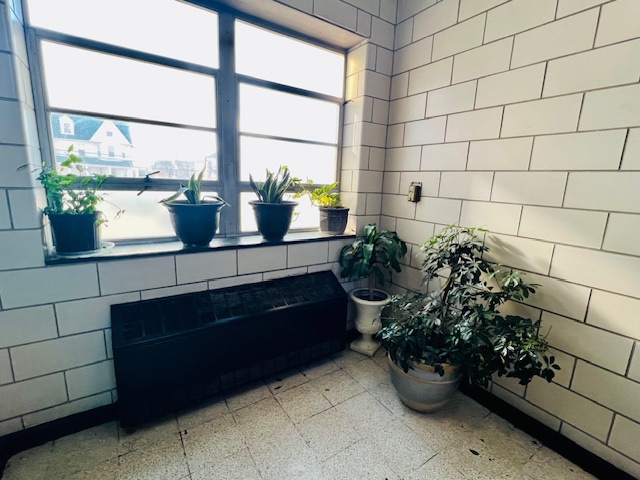
Our Green Club students are making sure that our indoor plants located inside the building are well taken cared of, watered, and pruned to make our indoor air clean and fresh.
Some of our indoor plants that helps to keep our inside air clean.
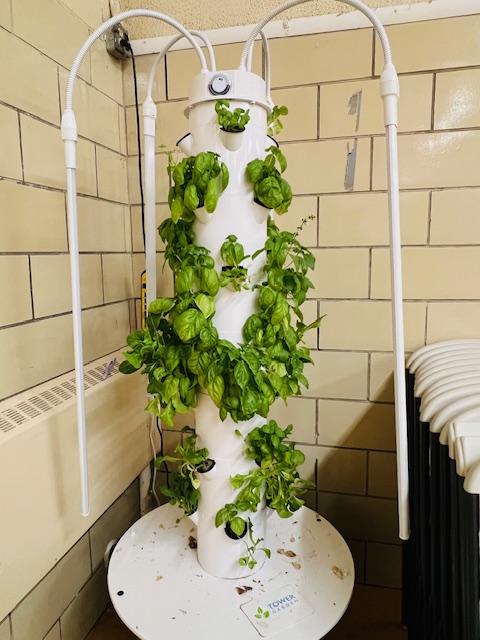
Our hydrophonics that students harvest from to bring home, give to teachers or to other community members.
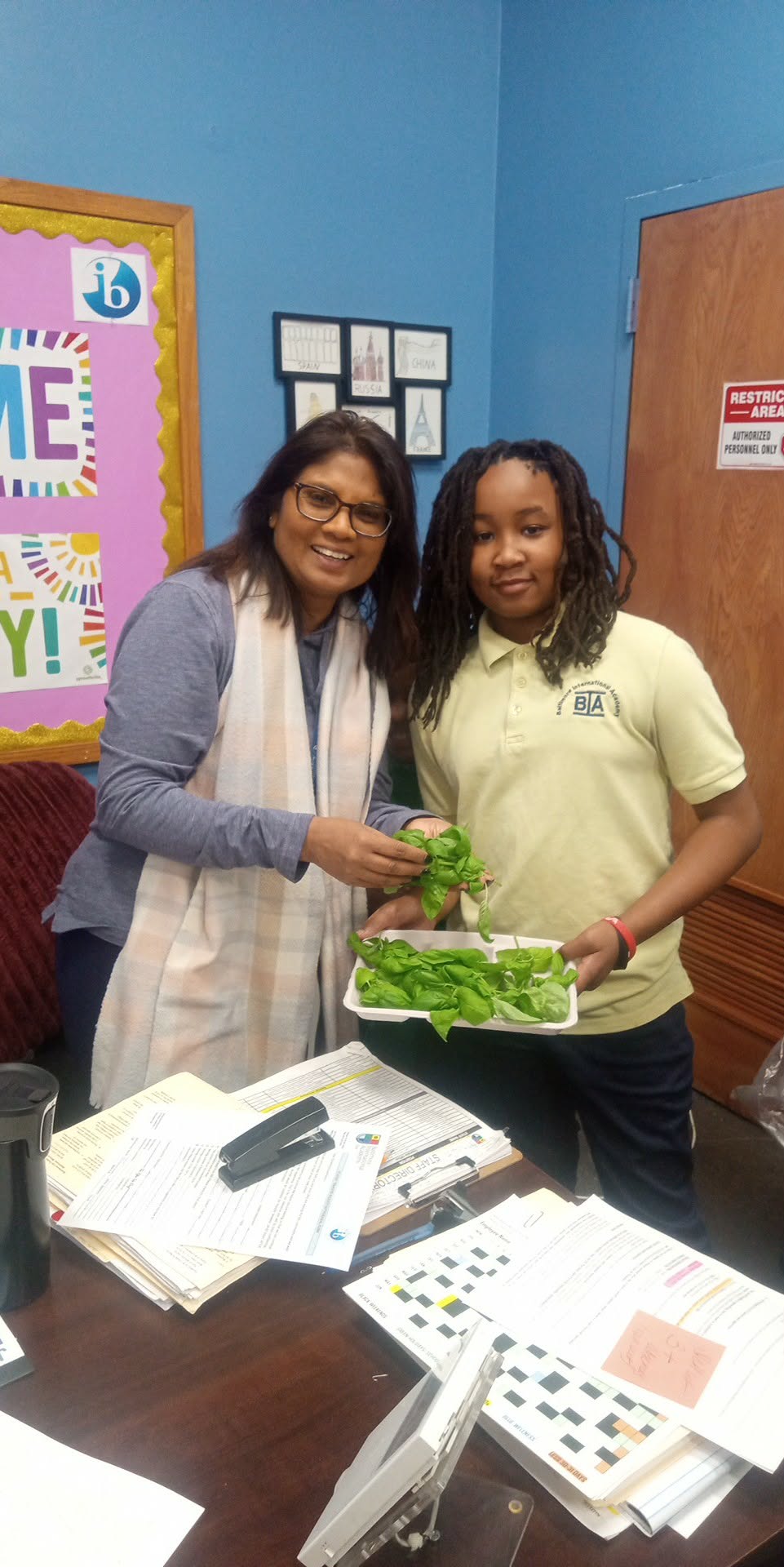
Greeb Club members giving away our harvested basils to our Asssitant principal.
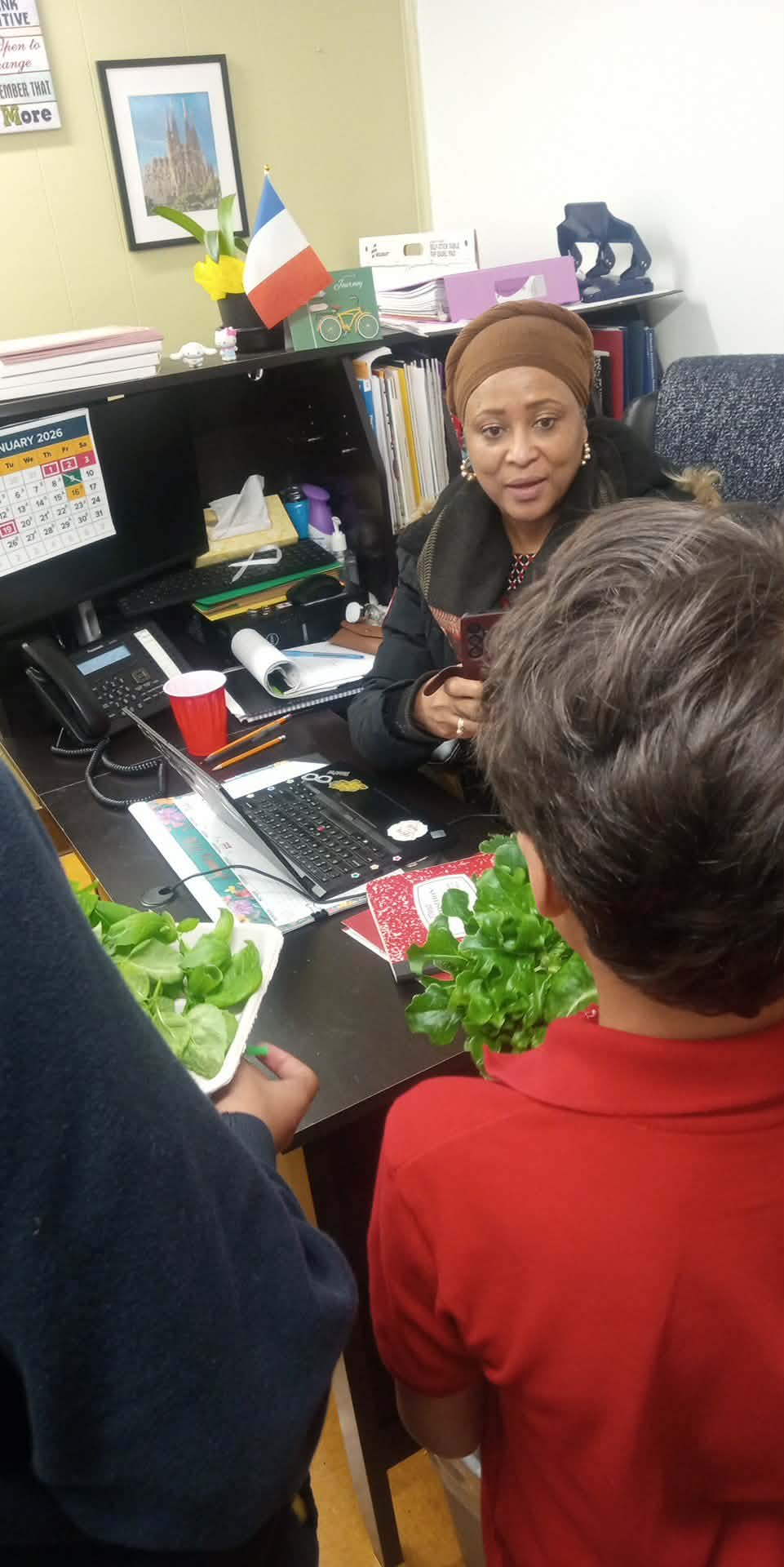
Green Club member giving some basils from our indoor garden to our school secretary.
Students harvested lettuce for salad and smoothie, as a culminating event activity using the Green Bronx machine's curriculum.
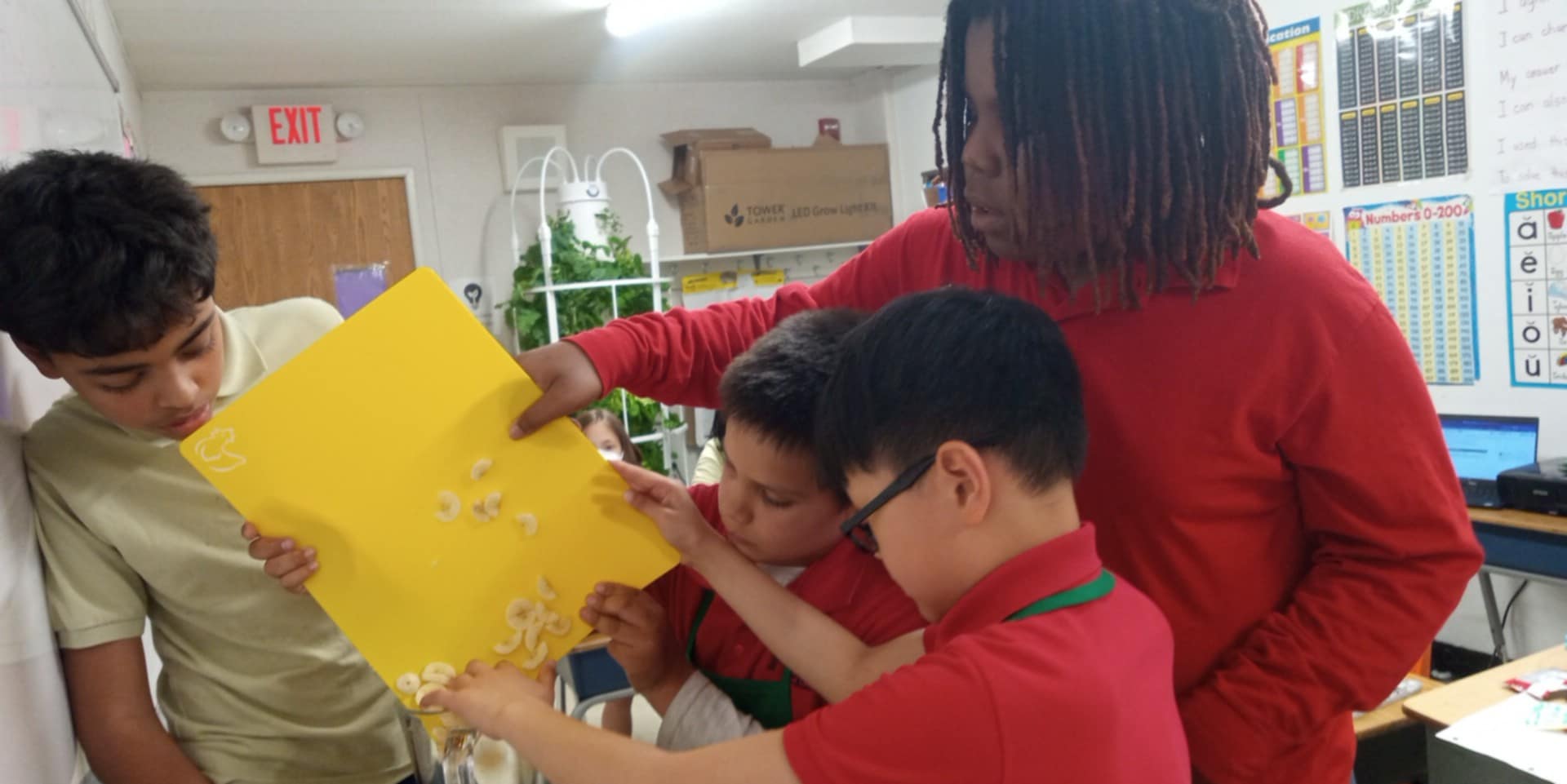
Children working on the blender that the Green Bronx Machine curriculum had provided. Students are also using the apron as well as the cups and plates, materials provided by the Green Bronx Machine company.
__20260226135253.jpg)
Celebrating the Green Bronx Machine harvest fo the year 2025.
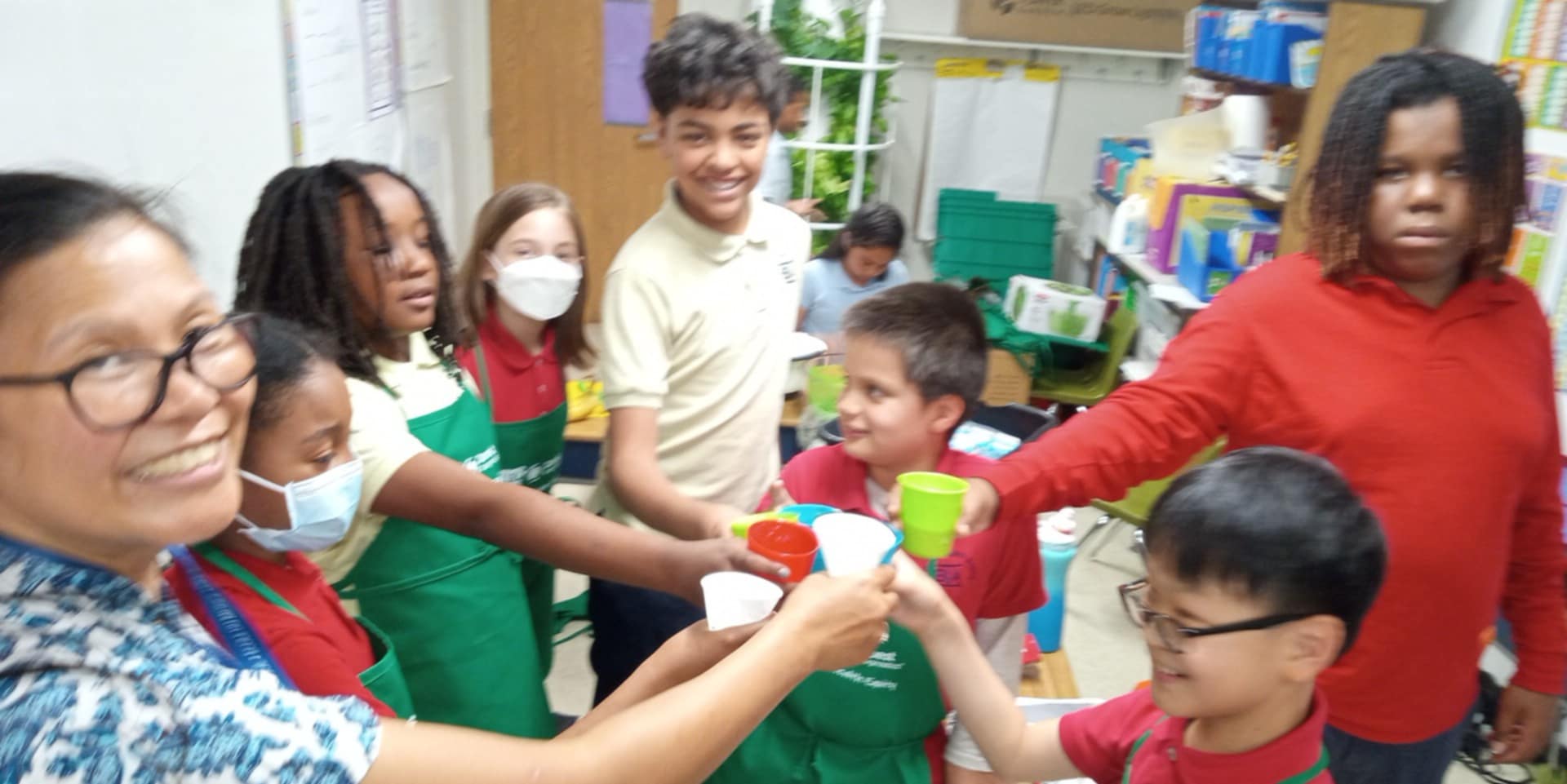
Students making smoothie from harvested lettuce, banana and milk from the cafeteria.
Students showing their harvested lettuce.
__20260226135204.jpg)
Students are harvesting lettuce for salad.
__20260226135375.jpg)
2.8 Participatory/Community Science
2.8 Participatory/Community Science
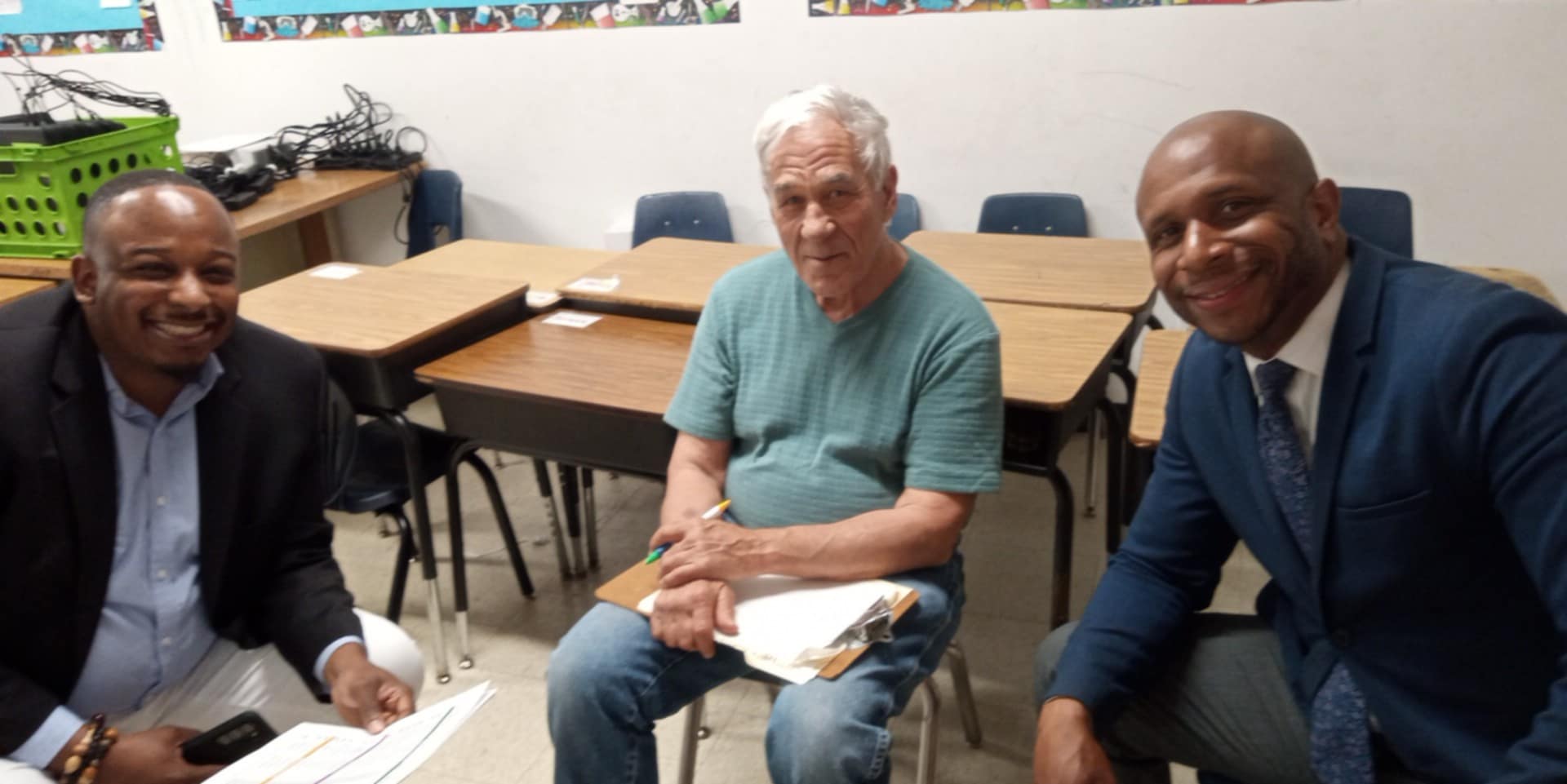
Mrs. Wilkins (Green Team Leader, who took the picture) met with this three gentleman namely Mr. Gary Williams (a parent from school), Mr. Michael Andorsky (the master gardener) and Mr. Burton (a staff from BIA) about reviving the pollinator garden in our school.
A meeting with these gentlemen was held on April 24, 2025 to talk about the plan for reviving our pollinator garden.
site plan Balt Int Acad 5.25 (2) (1.6 MB)
The proposed plan for our Pollinator Garden.
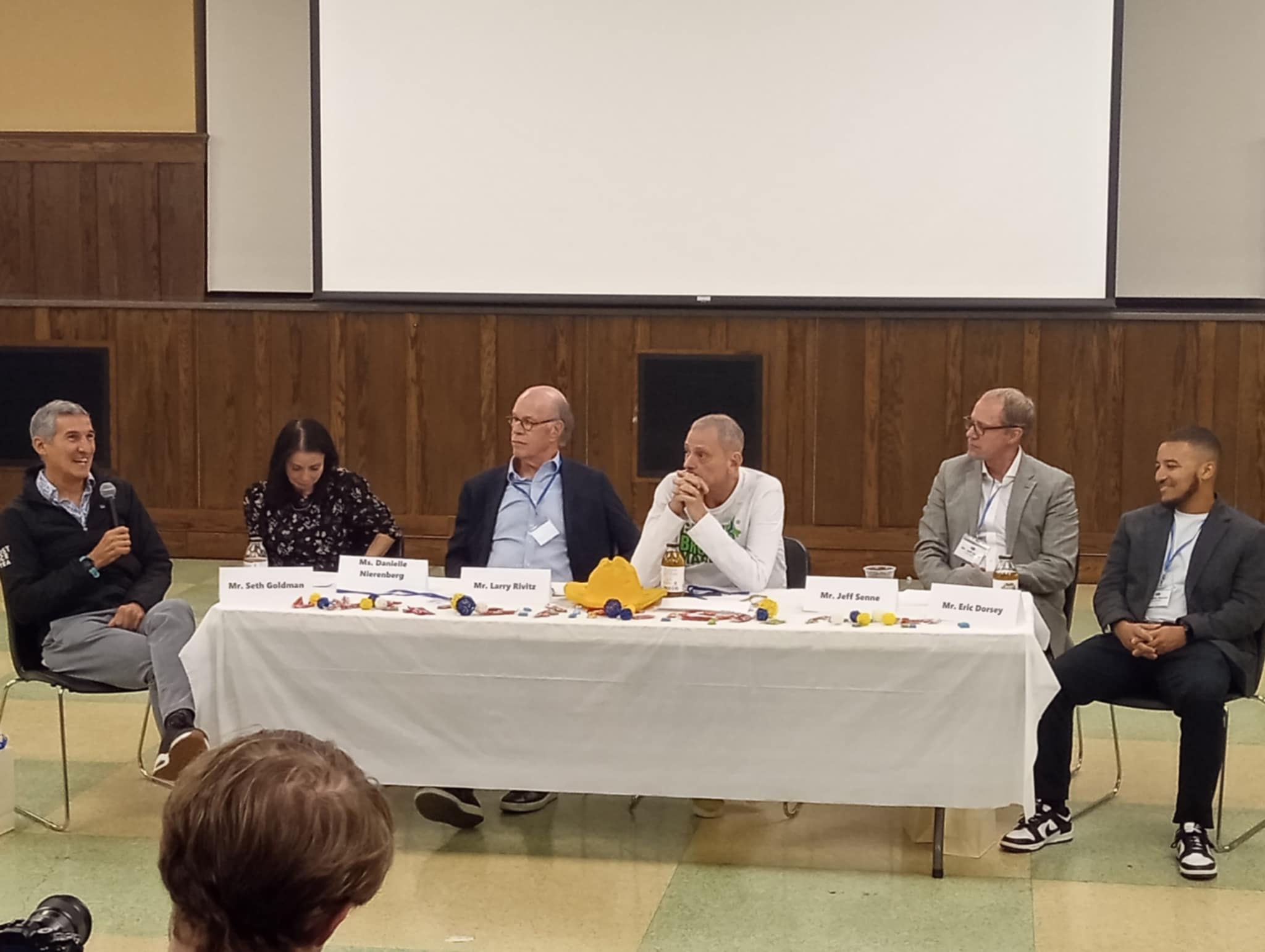
Students met the founder of the Green Bronx Machine. The students interacted with Mr. Stephen Ritz together with his wife. Students asked questions and Mr. Ritz presented to the students how his company started.
Second Grade students met with Mr. and Mrs Rotz founder of Green Bronx Machine.
__20260226133879.jpg)
Mr. Ritz talking to BIA students about how he started his company.
__20260226133834.jpg)
Mr. Ritz in white shirt, in a symposium held at Loyola University
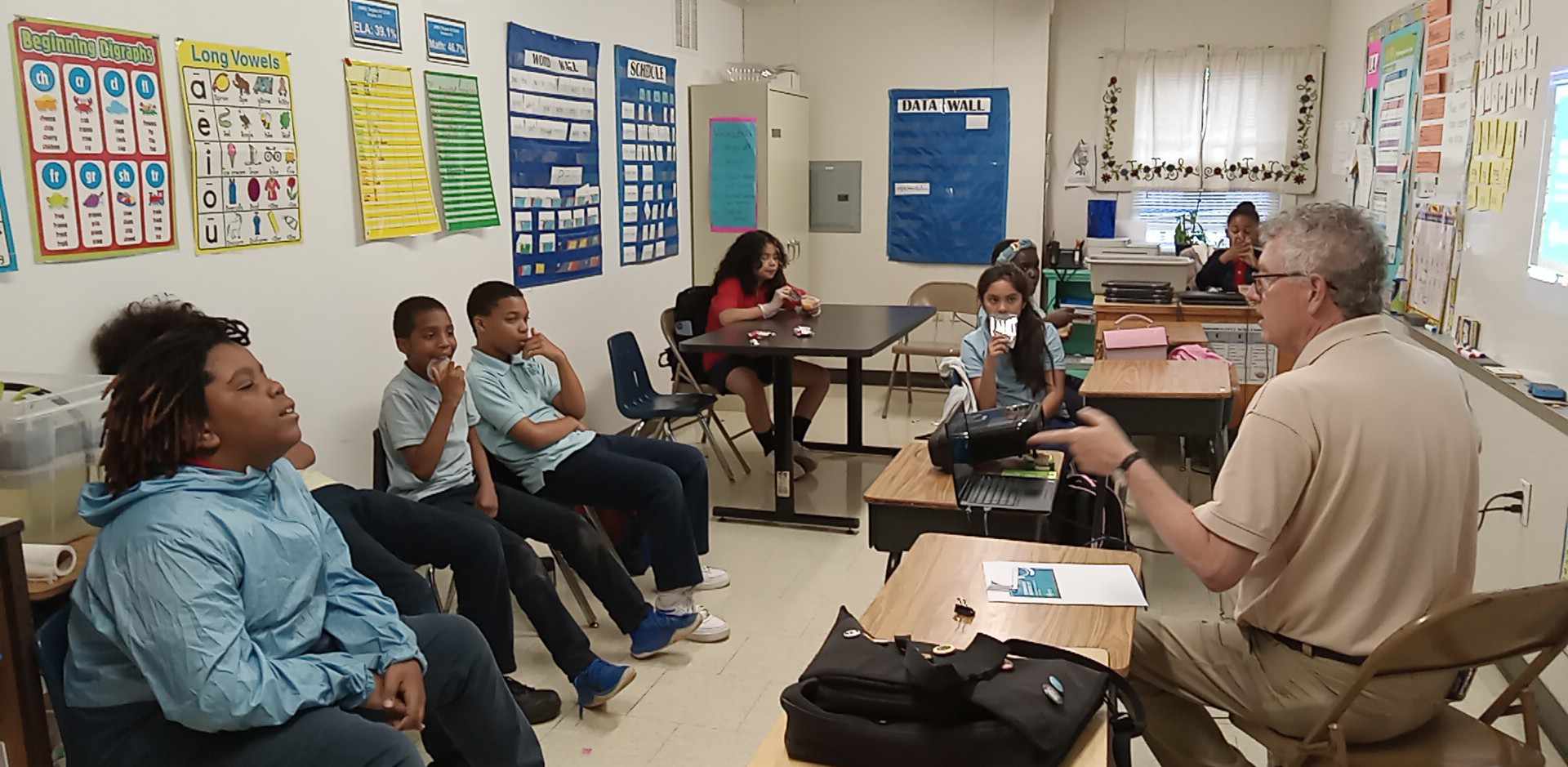
May 9, 2024. We had a visitor from Department of Public Works, Mr. Mark Cameron who taught us to call 311 when we see something about our environment that we cannot pick up or clean ourselves.
Mr. Cameron from Department of Public Works is teaching students to call 311 if there is anything that they can't clean themselves like oil spills, clogged street drains etc.
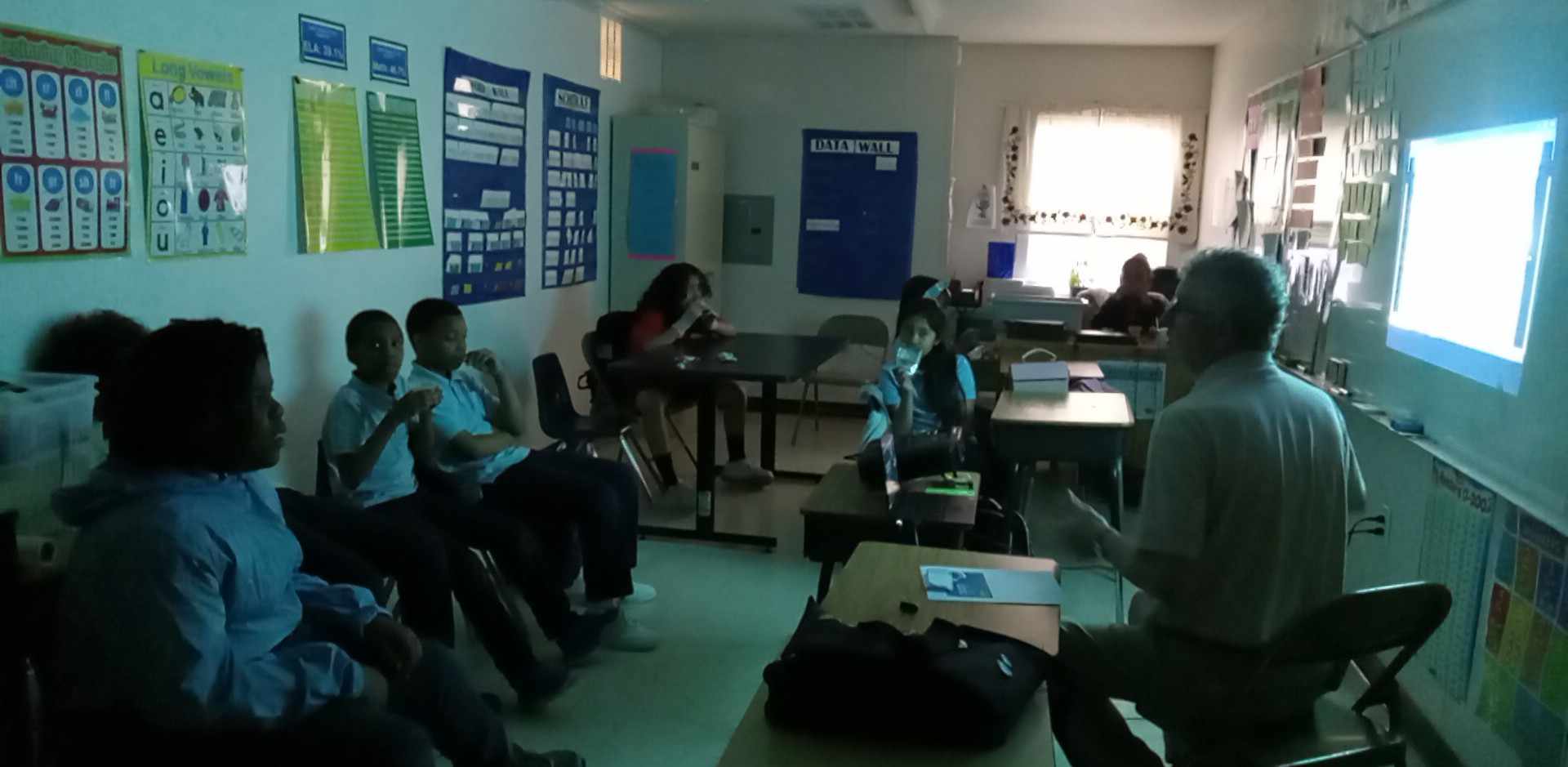
Mr. Cameron teaching the students what Department of Public Works are responsible for and what they do for people in our community.
Community Partnerships
Demonstrate that your school is forming long-term partnerships to foster environmental stewardship and cultivate community wellness through real-world connections.
3.1 Community Partnerships
3.1.1 School Active in the Community
Describe at least one environmentally-focused partnership in which your school is working to benefit your community.
Acceptable Documentation: Photos, newsletters, or social media highlighting students participating in an environmental service project such as a local park conservation project, harvesting produce from a farm or school garden to be donated to a food bank, holding a recurring used clothing drive or book swap for the community, or visiting another school to teach other students about the environment.
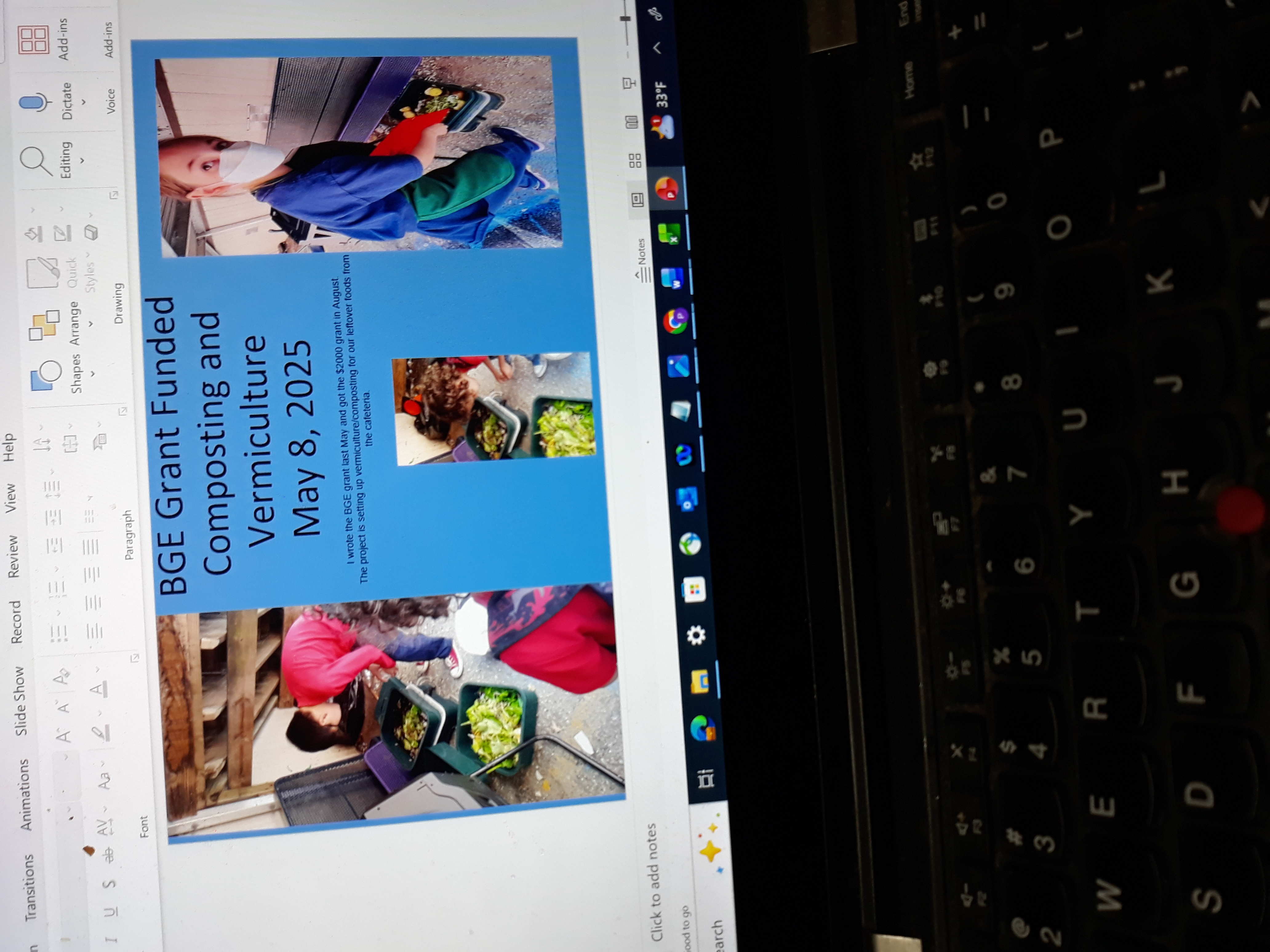
BGE awarded Baltimore International Academy $2000 grant to fund Vermiculture to help lessen the amount of food waste going to landfills.
Students feeding the worms with food scraps from the school cafeteria.
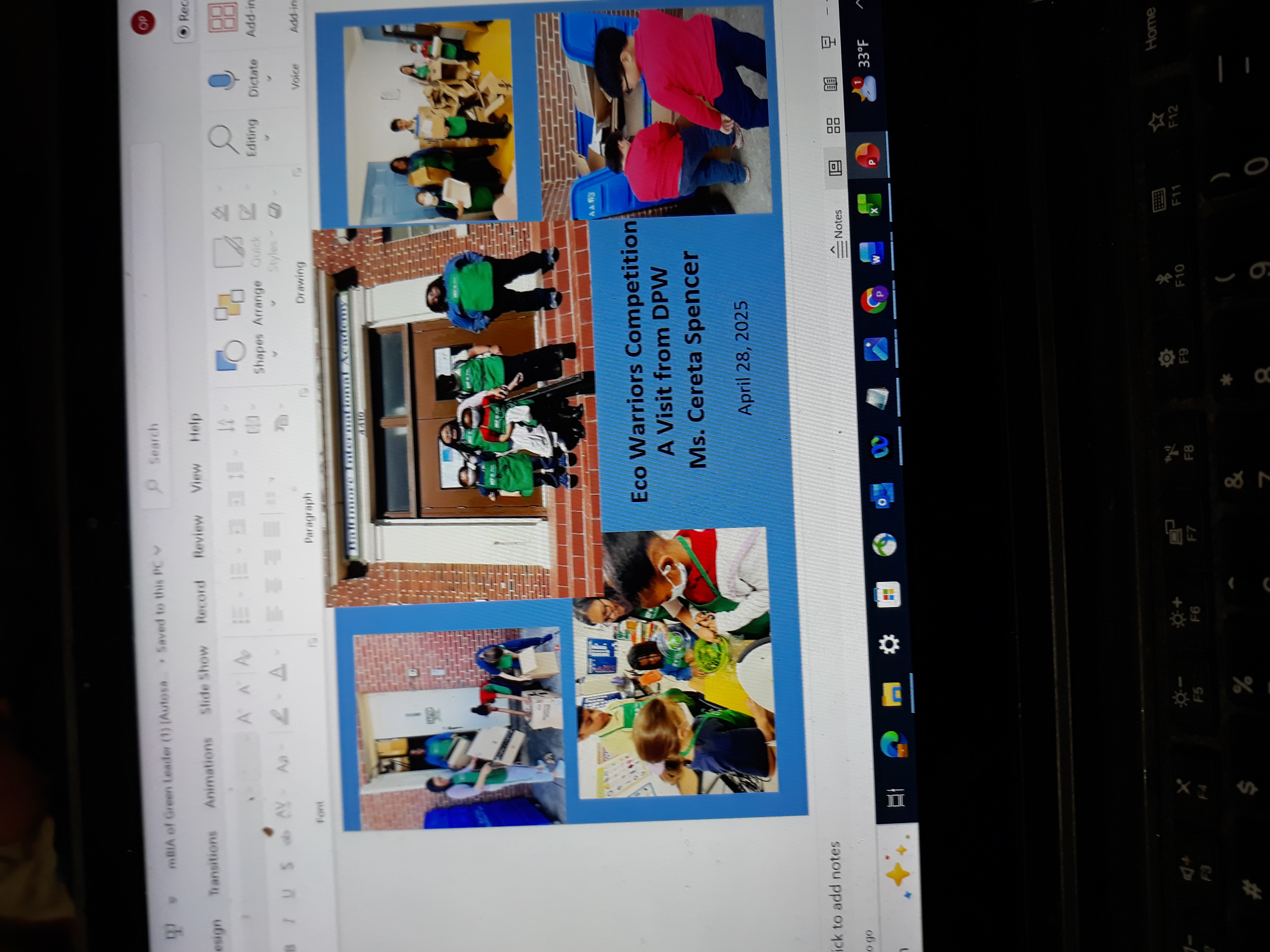
Students participated in Eco Warriors activity. This is a Baltimore City of Public Works program to empower K-12 students to take an active role in making Baltimore a cleaner, greener, and healthier city.
BIA "Eco-warriors" in action.
3.1.2 Community Active in the School
Describe at least one partnership in which a community partner (different from the systemic partner listed in 1.4.2) is providing any type of Green School services to the school that occur within the classroom, school building, or on school grounds.
Acceptable Documentation: Photos, newsletters, or social media highlighting a local business providing funding or in-kind donations for environmental activities, organizations delivering classroom presentations or assemblies on environmental topics, or organizations assisting with school campus projects such as tree plantings and bird box installations.
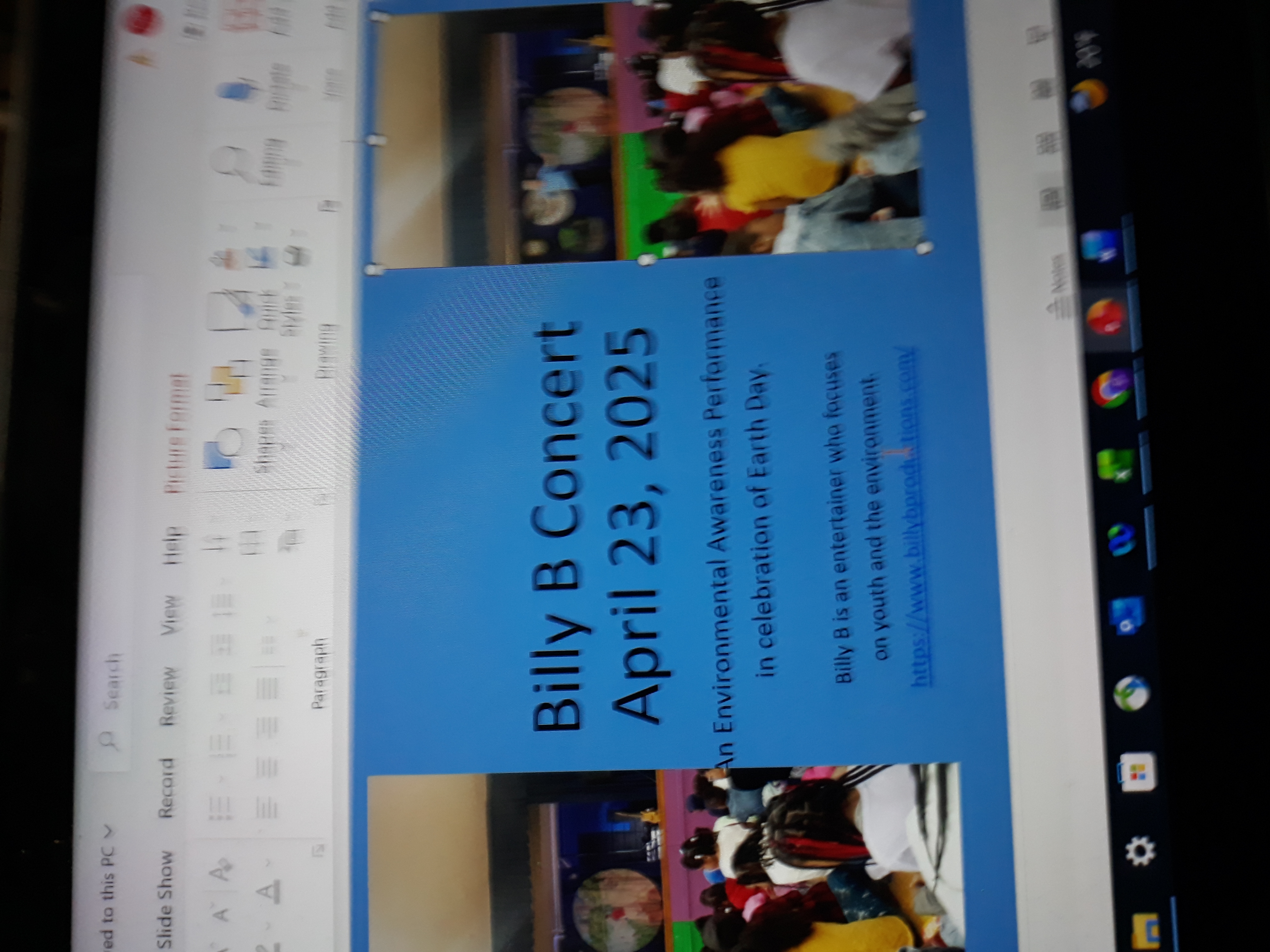
Billy B Concert April 23, 2025 An Environmental Awareness Performance in celebration of Earth Day.
Billy B is an entertainer who focuses on youth and the environment. https://www.billybproductions.com/
Billy B came to BIA to perform in celebration of Earth Day
3.2 Additional Achievements
3.2 Additional Achievements optional
Share any environmentally-related awards, special recognition, certifications, or other achievements that your school, staff or students have accomplished.
No records were added by the school.