Systemic Sustainability
1.1 Environmental Curriculum & Instruction
1.1 Environmental Curriculum & Instruction
Elementary & middle schools must provide one example of outdoor/environmental instruction per grade level.
High schools must provide four different examples of outdoor/environmental instruction. These examples can be from any grade level but must show four distinct subject areas/classes (which may include multiple different sciences).
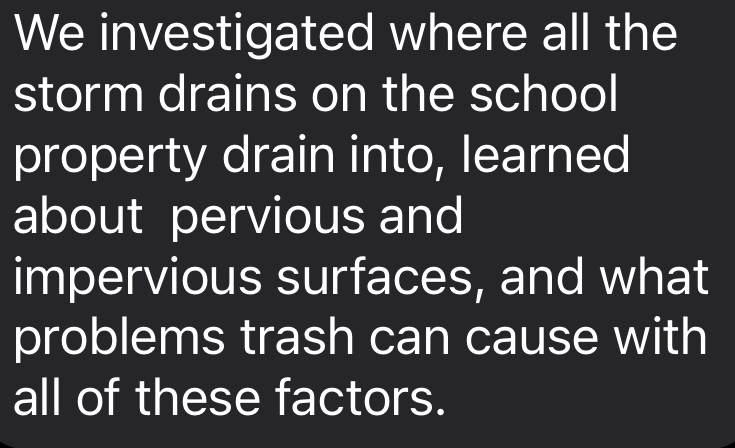
Whole school environmental education efforts include a mix of teaching students about important of responsible waste disposal, cleaning our school environment, growing new plants and more. Pre-K: Water and Me Kindergarten: Plants and animals 1st grade: Sunrise, sunset 2nd grade: Planting seeds 3rd grade: Weather watchers 4th grade: Exploring weather affecting the conditions of the planet, including landforms 5th grade: Investigating where storm drains on school property drain to and the problems trash can cause. 6th grade: Exploring biodiversity 7th grade: Exploring changes in weather. 8th grade: Exploring tectonic plates.
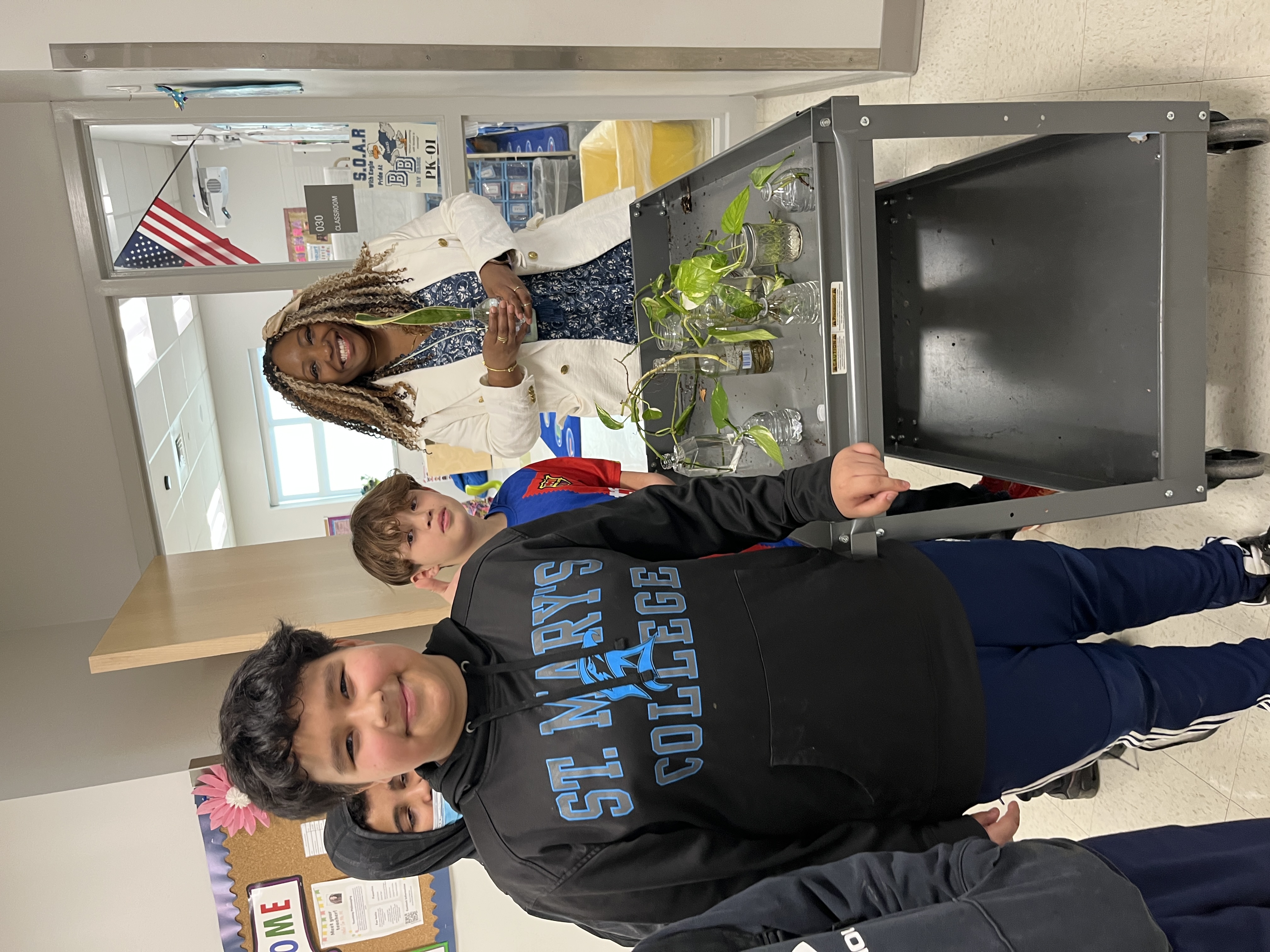
1st grade teachers getting plants for their classroom.
3rd grade class: Worked on planting seed balls.

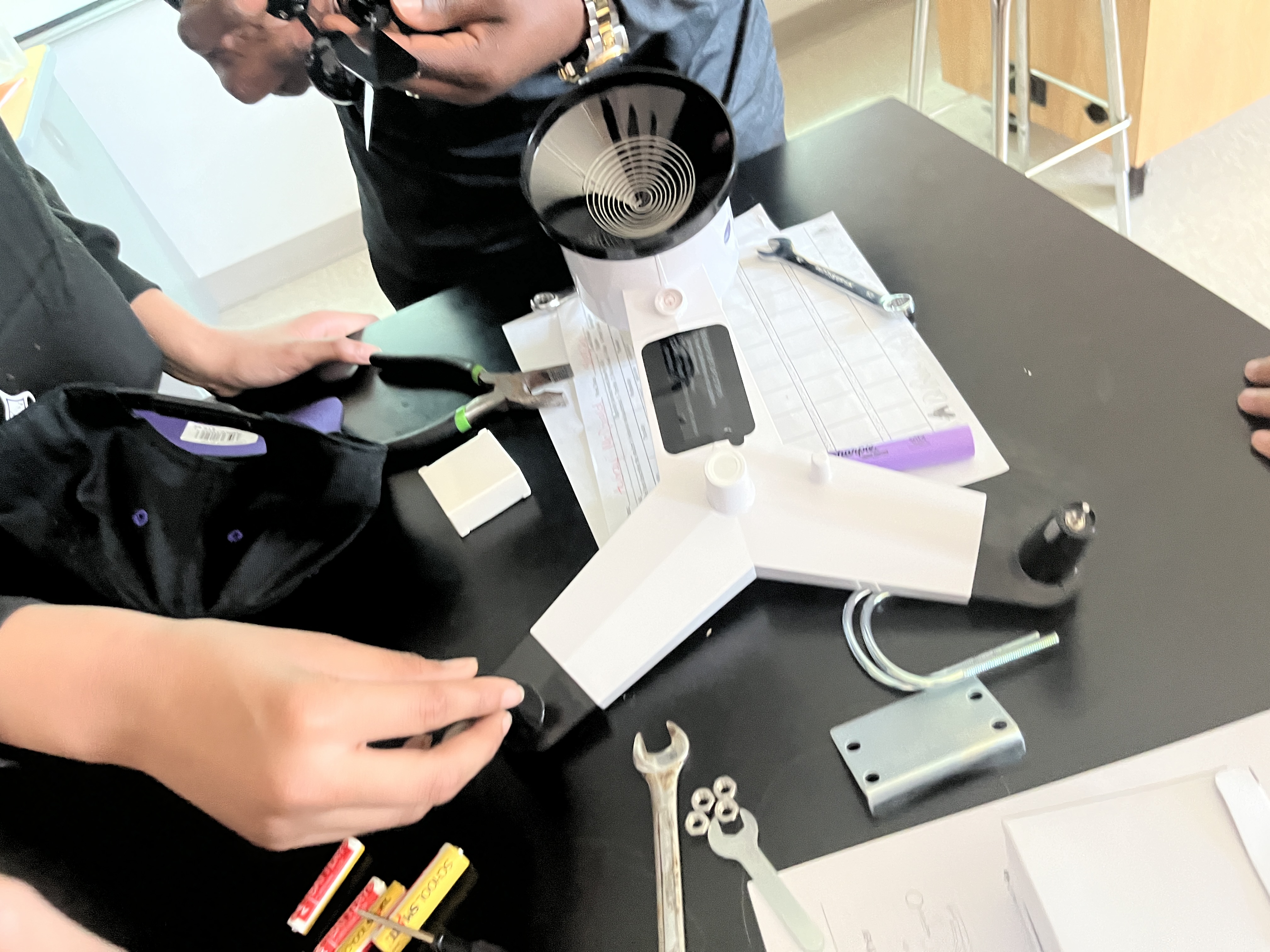
(7th grade) Building a weather station. Exploring changes in weather, climate, hot and cold variations create different weather conditions at all times of the year.
5th grade exploring how pollution affects the Chesapeake Bay.
7th grade students used the Seek app to identify various species.
Students got to interact with worms and learn how worms serve as decomposers in our ecosystem.
Students independently exploring worm anatomy and interaction with its environment.
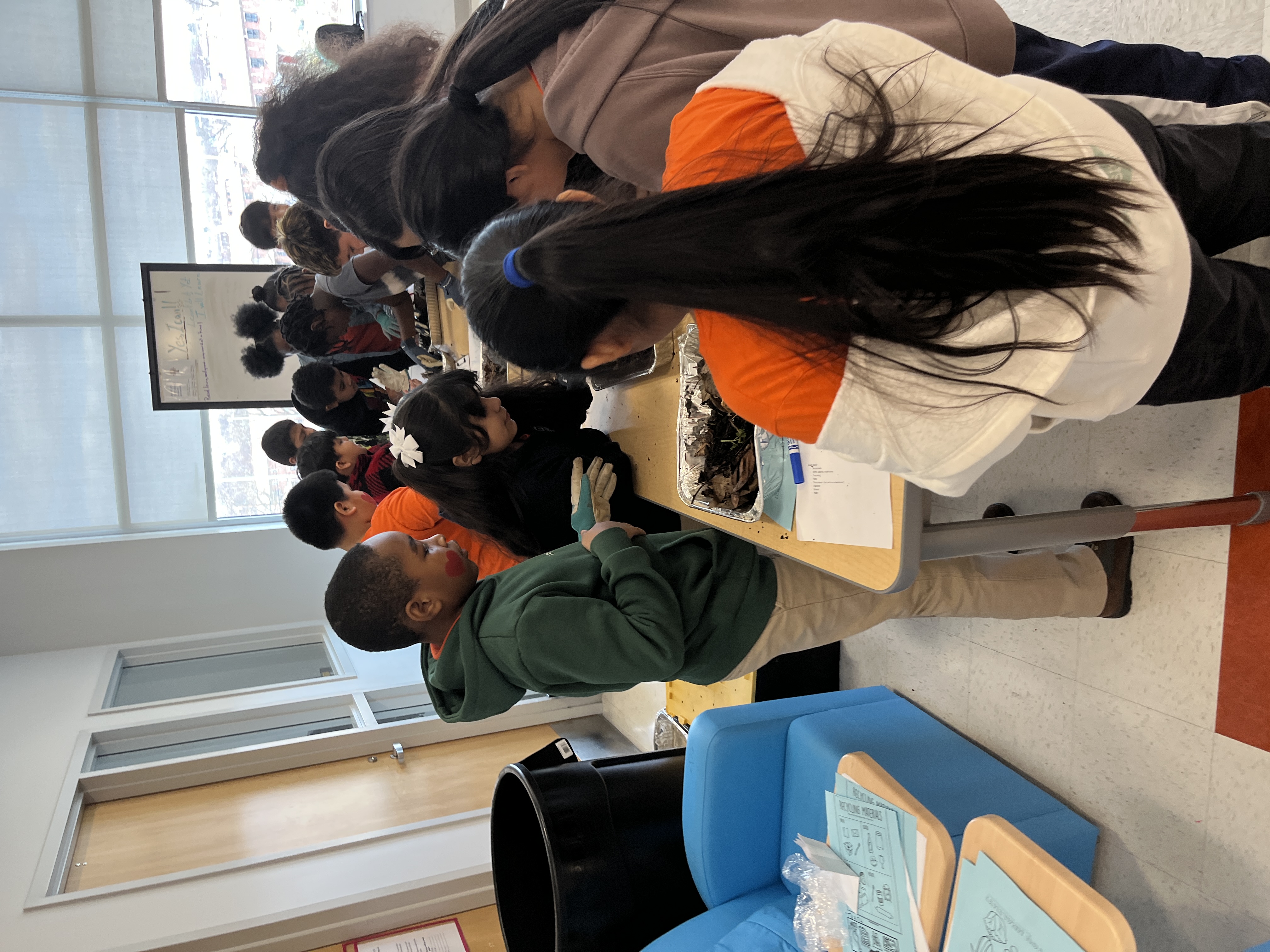
Students independently exploring worm anatomy and interaction with its environment.
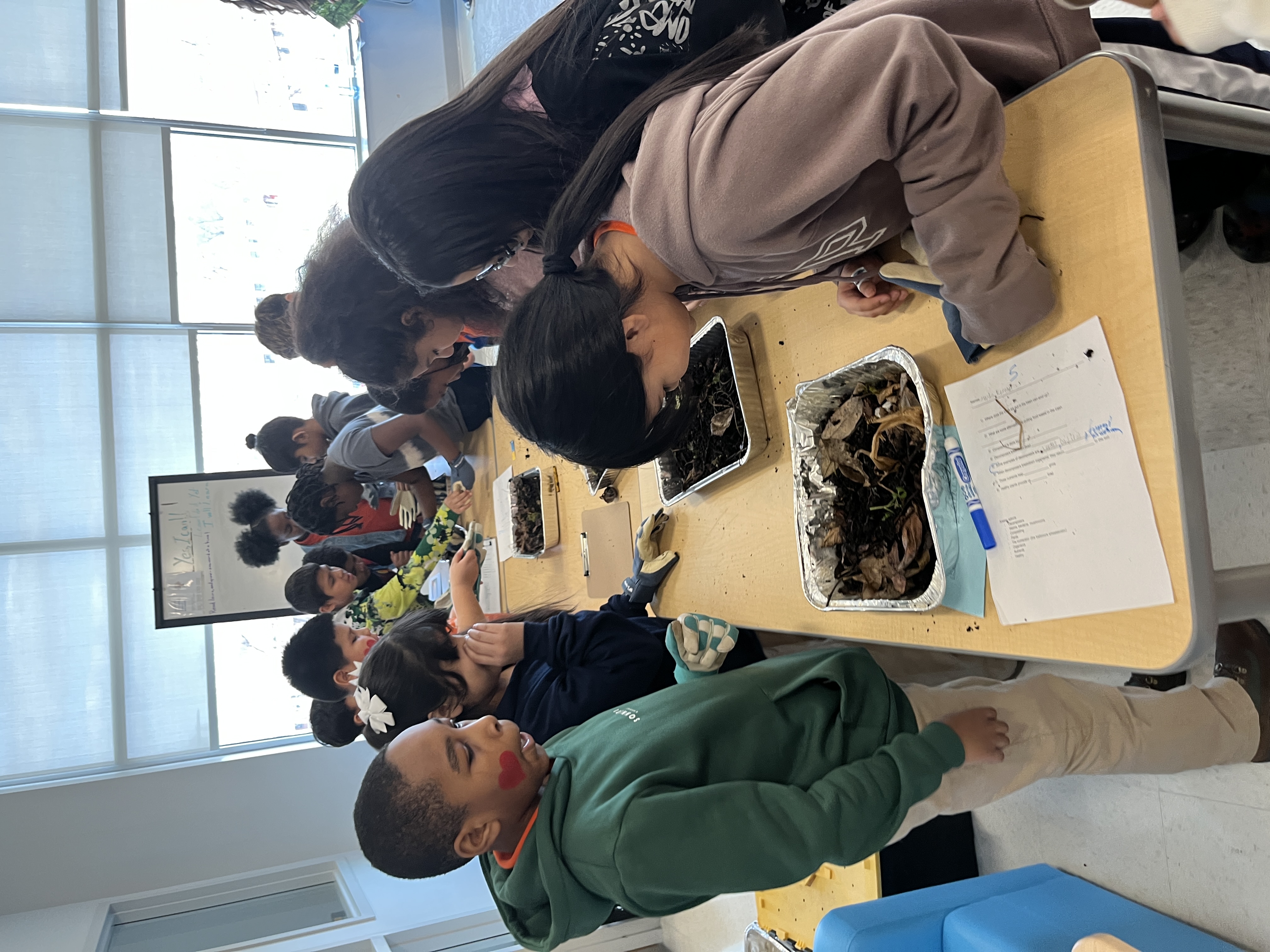
Students independently exploring worm anatomy and interaction with its environment.
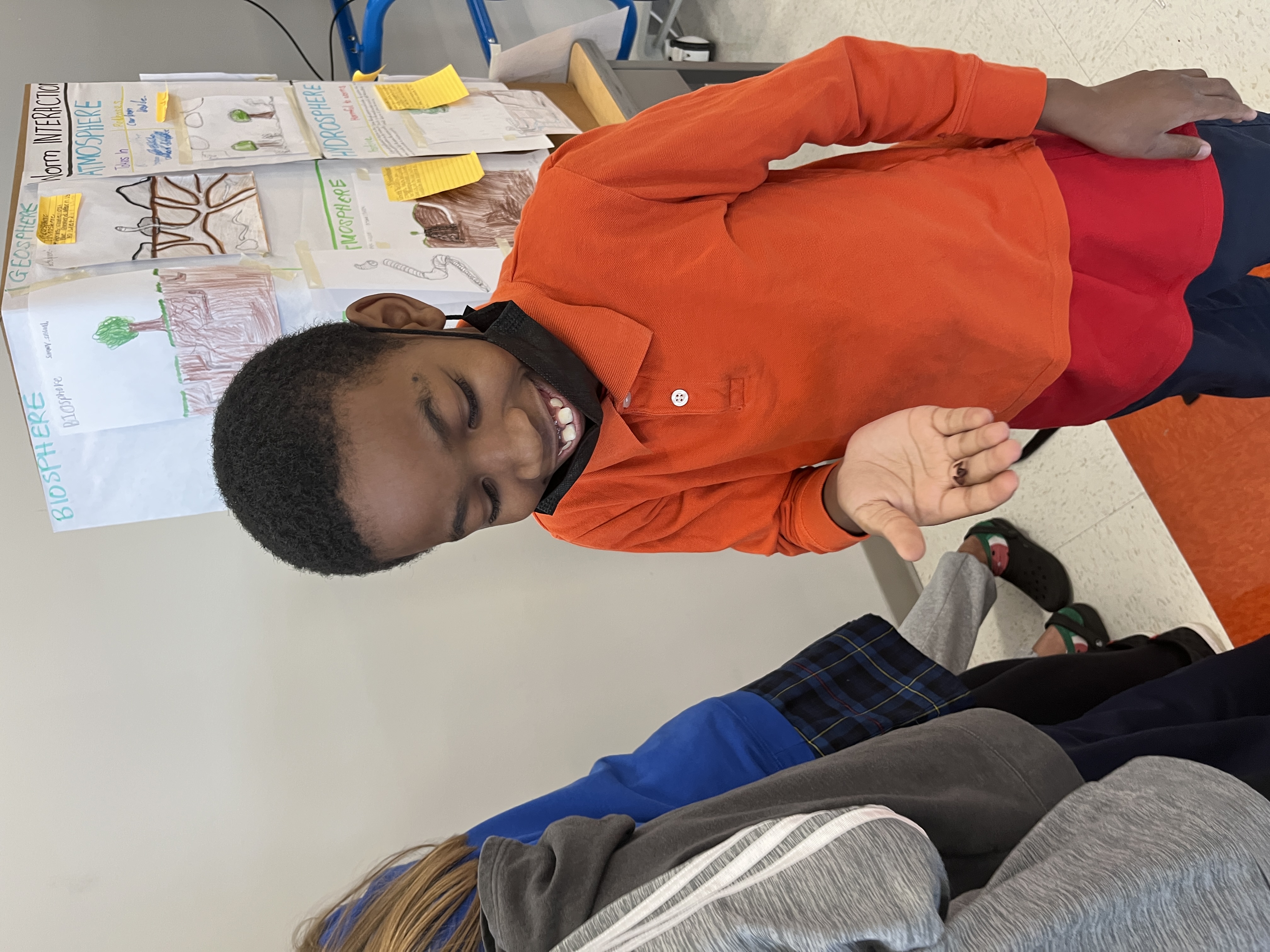
Building a weather station. Exploring changes in weather, climate, hot and cold variations create different weather conditions at all times of the year.
1.2 Green School Awareness
1.2.1 Schoolwide Awareness - Staff
Demonstrate that all school personnel are aware of your school's Green School status and application process.
Acceptable Documentation: Staff meeting agenda or staff sign-in sheet with date and clear description of an all-staff presentation about your Green School efforts; this can be a showing of the MAEOE presentation video on "What it Means to be a Maryland Green School" found on the portal.
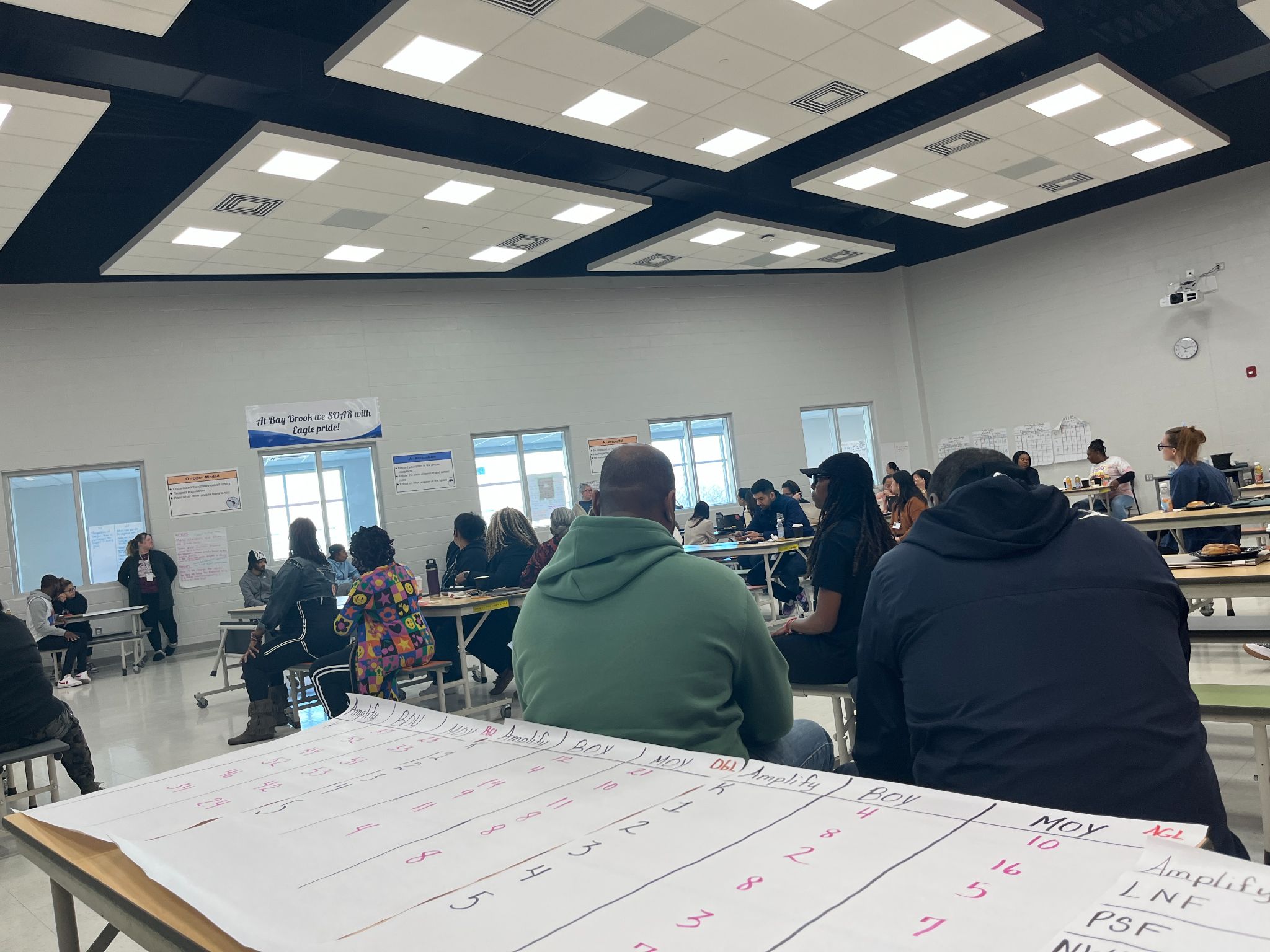
-School-wide meeting with all staff being informed about the MAEOE application process and discussing strategies for completion of green school application.
- Kickoff meeting at the start of the year in which the Green Team reminded staff to be mindful of material use and reuse; including minimizing paper use, keeping rooms cleans, using sunlight when possible, turning off electronics when not in use, spending time outdoors when possible, encouraging parents during back to school night to also be mindful of their habits as well.
School-wide meeting with all staff being informed about the MAEOE application process and to discuss strategies for completion.
Whole school engagement in Green School's process - November 2023
School-wide meeting with all staff being informed about the MAEOE application process and to discuss strategies for completion.
1.2.2 Schoolwide Celebration
Demonstrate how your school celebrates being a Green School by hosting a schoolwide environmentally-focused event open to all students.
Acceptable Documentation: Photos of students in all grades participating in activities celebrating Earth Day or other environment-themed holidays such as Earth Hour, America Recycles Day, World Water Day, Arbor Day, etc. and/or detailed event agendas or newsletters describing these celebrations.
-
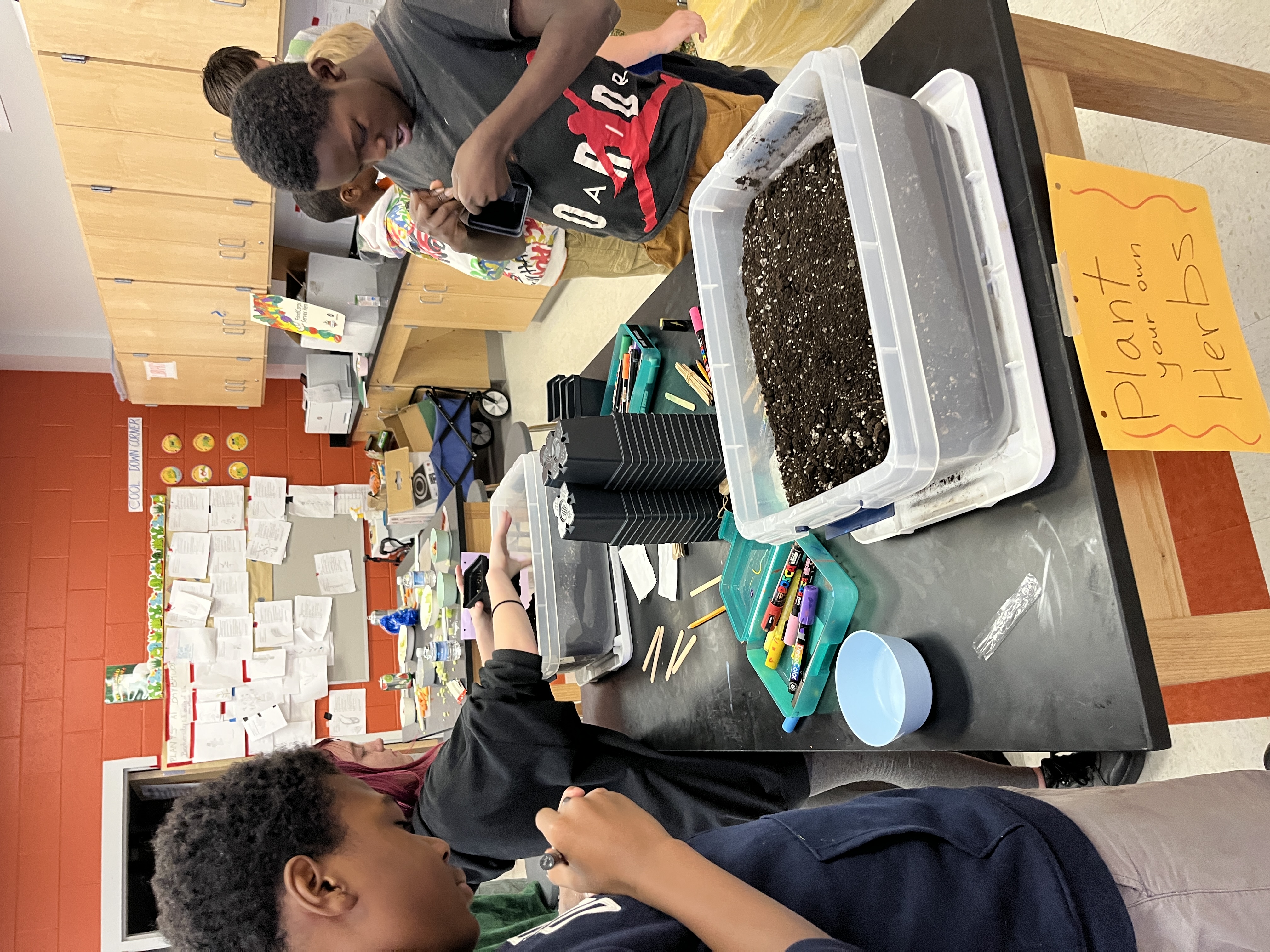
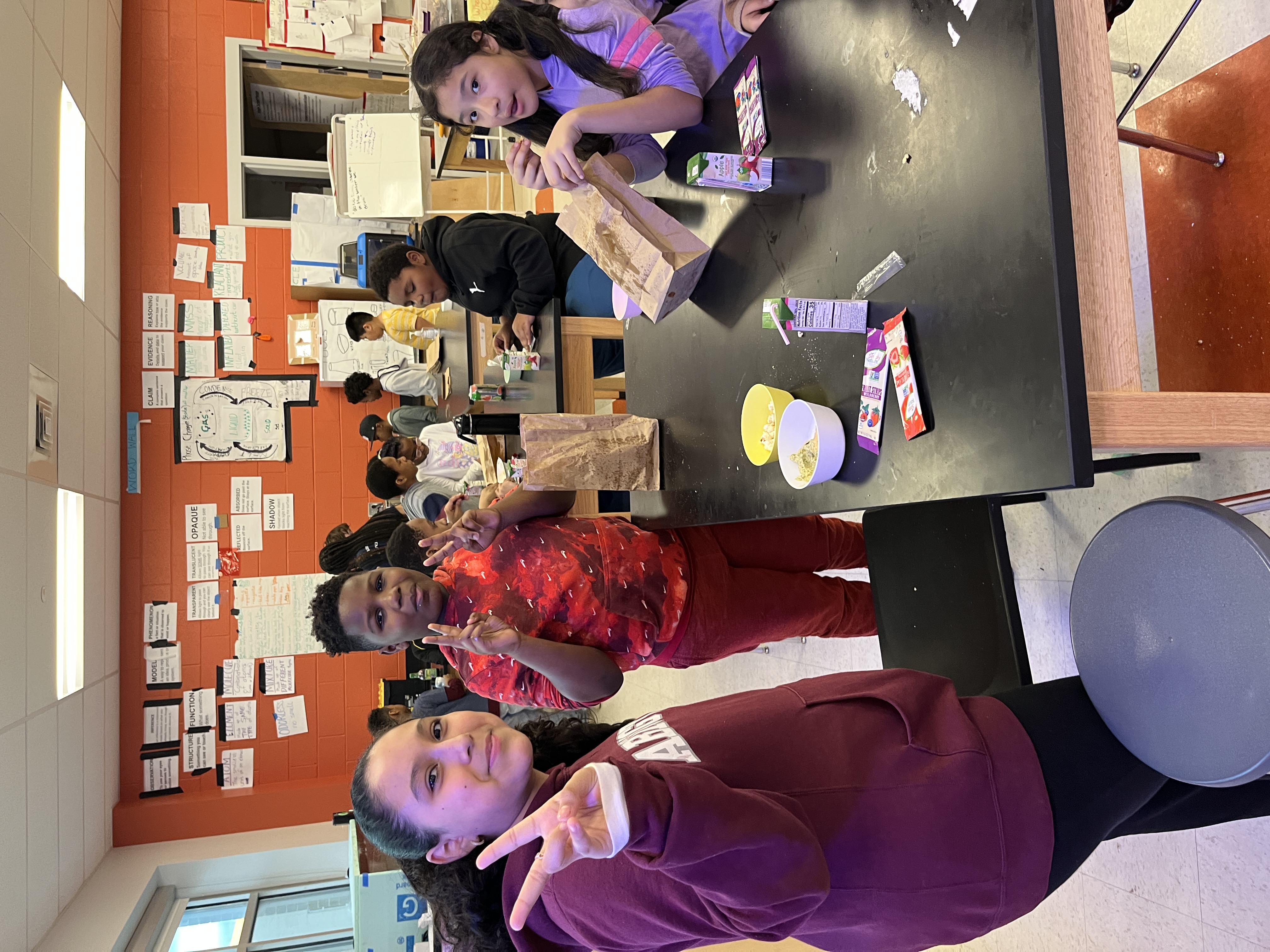
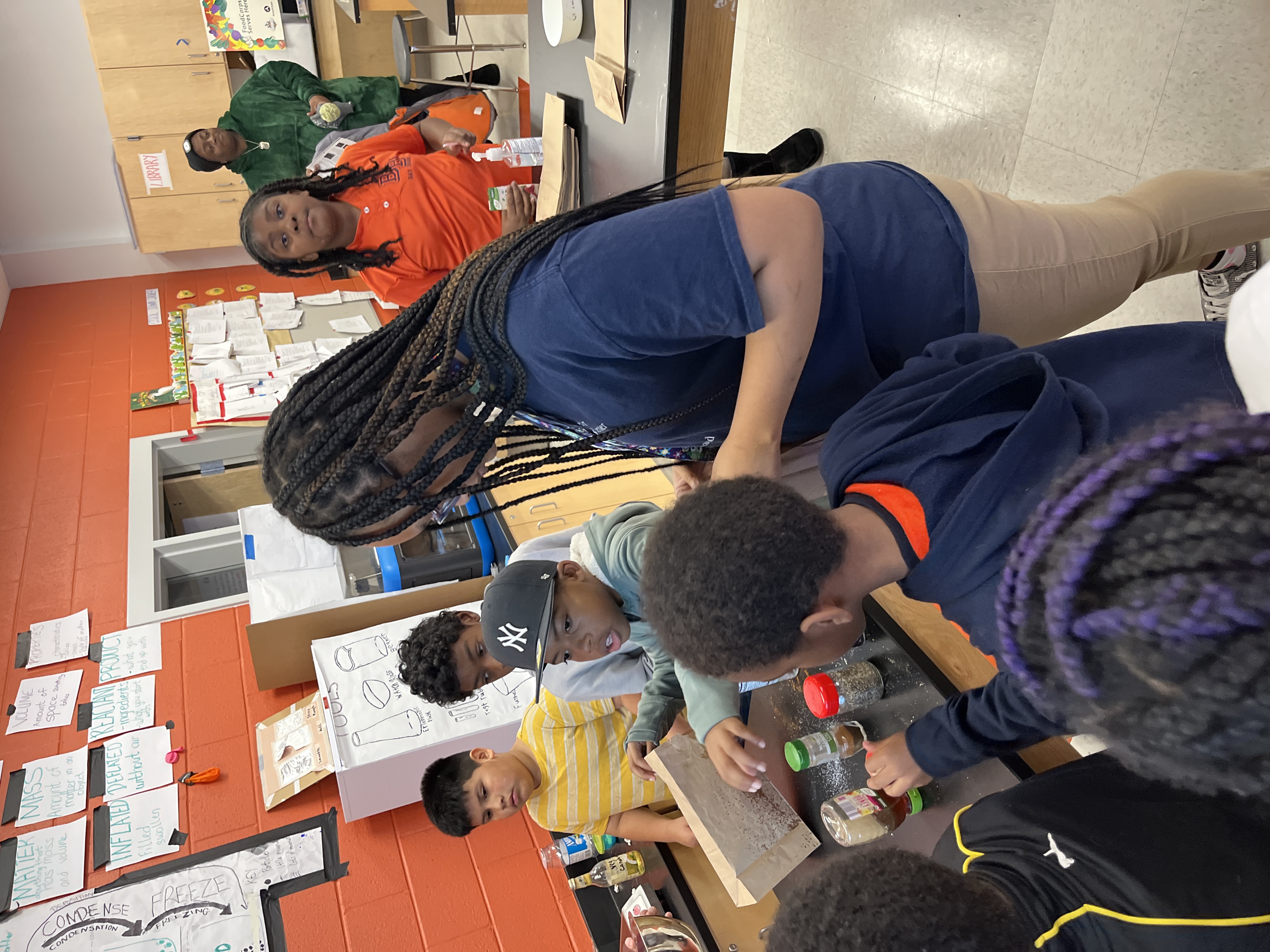
We had a popcorn party after school during which all grades were invited to come to the party where we discussed where food comes from, students got to plant a lettuce garden, make their seasoning for popcorn, and more.
-
Cooking with healthy vegetables for the school during our house events.
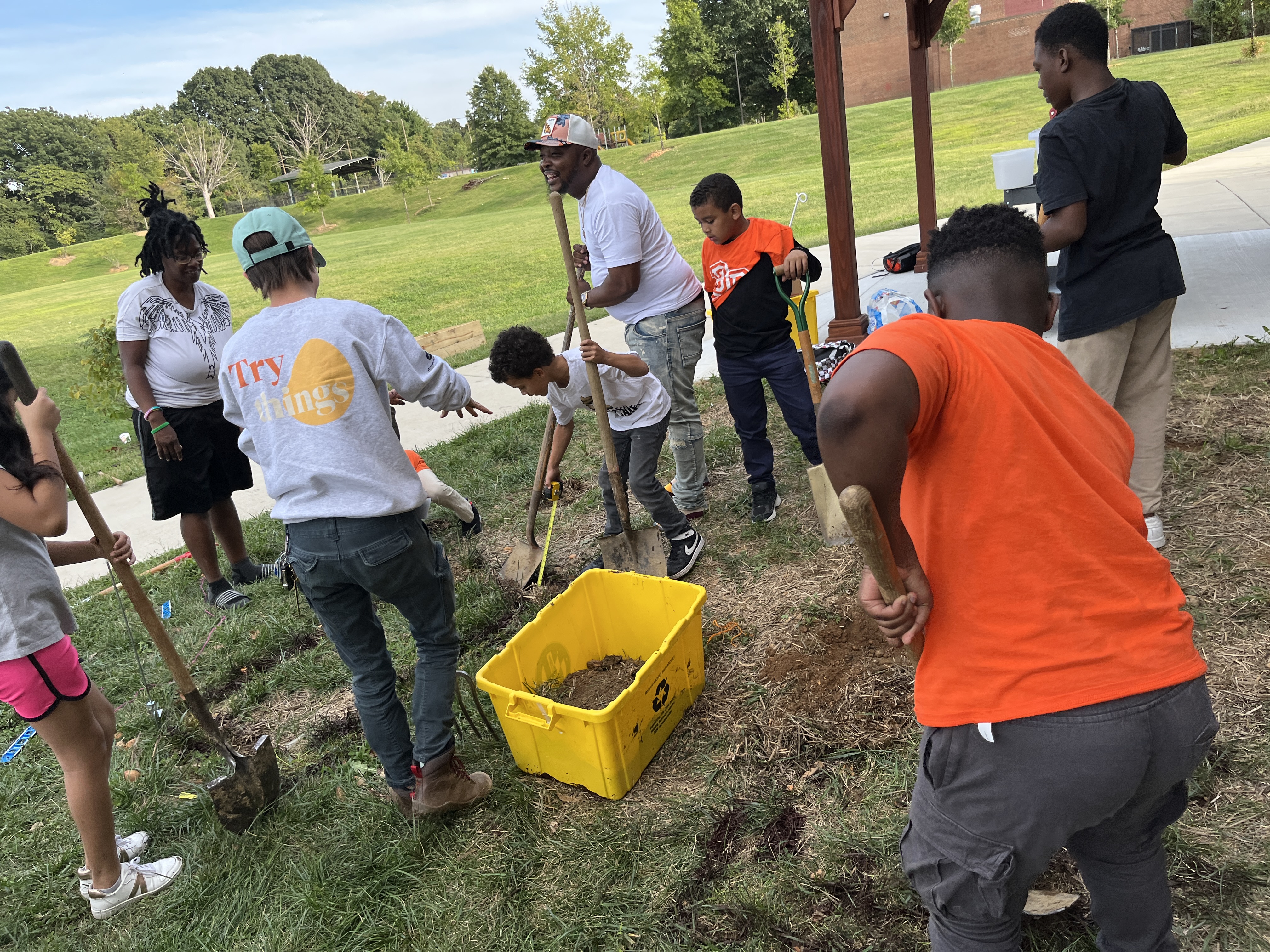
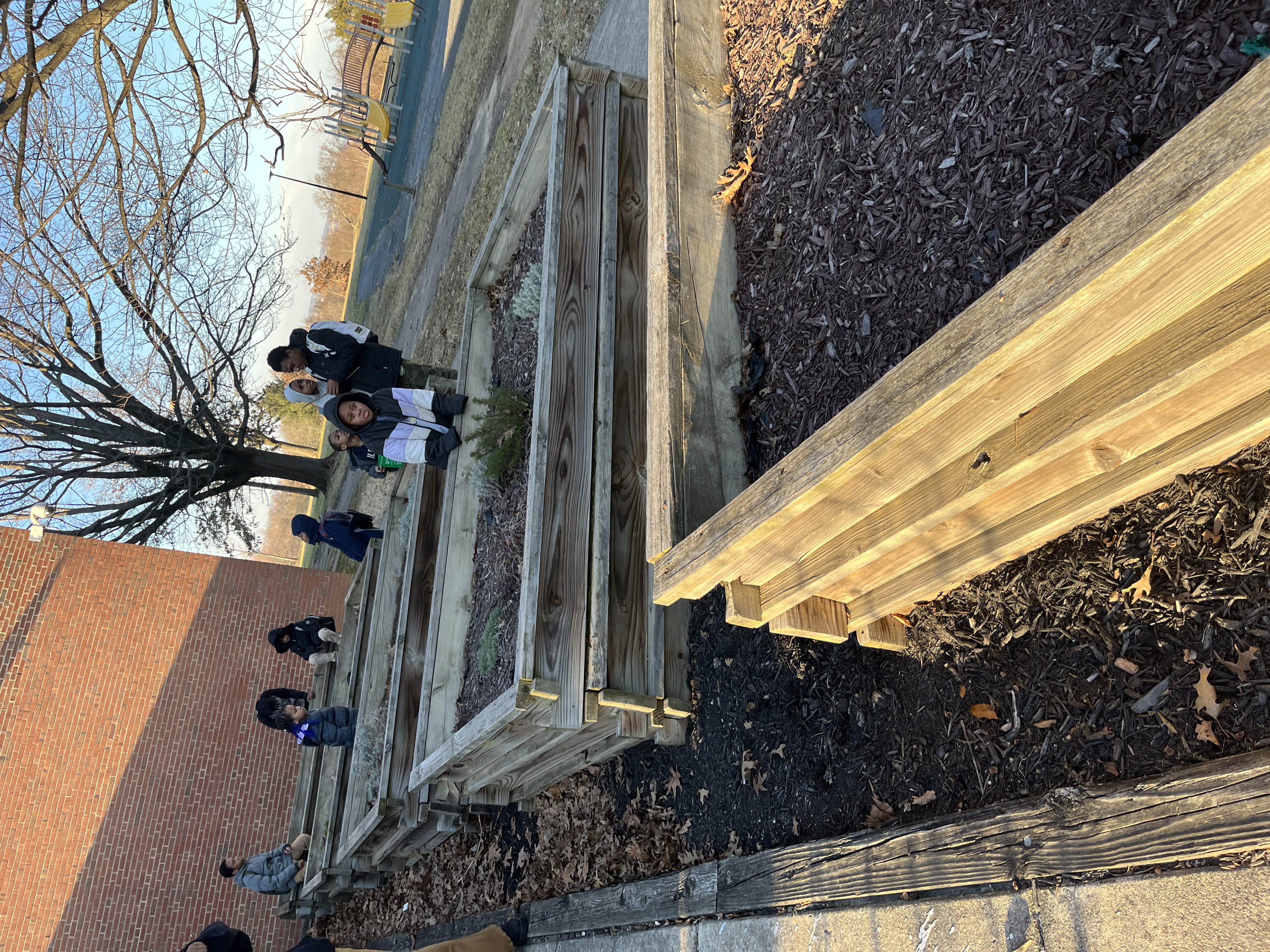
-Students, parents, teachers, and other staff members came together to celebrate our new garden space and place down our raised beds to open the garden to planting
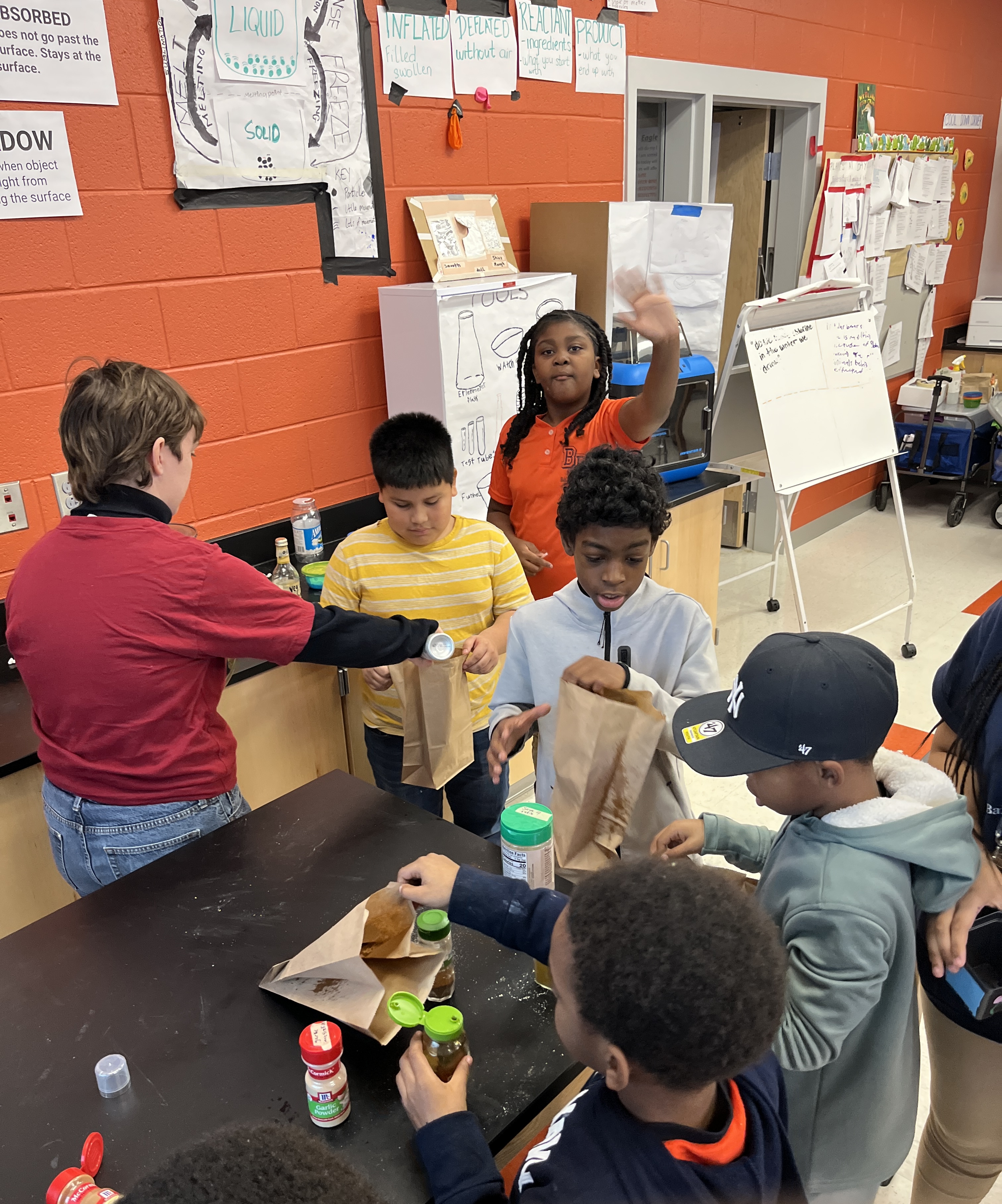
-We had a popcorn party after school during which all grades were invited to come to the party where we discussed where food comes from, students got to plant a lettuce garden, make their seasoning for popcorn, and more.
- November 15, 2024 with the support of our school science coach, Mrs. Thompson, scholars from our school participated in a whole school clean-up and recycling efforts.
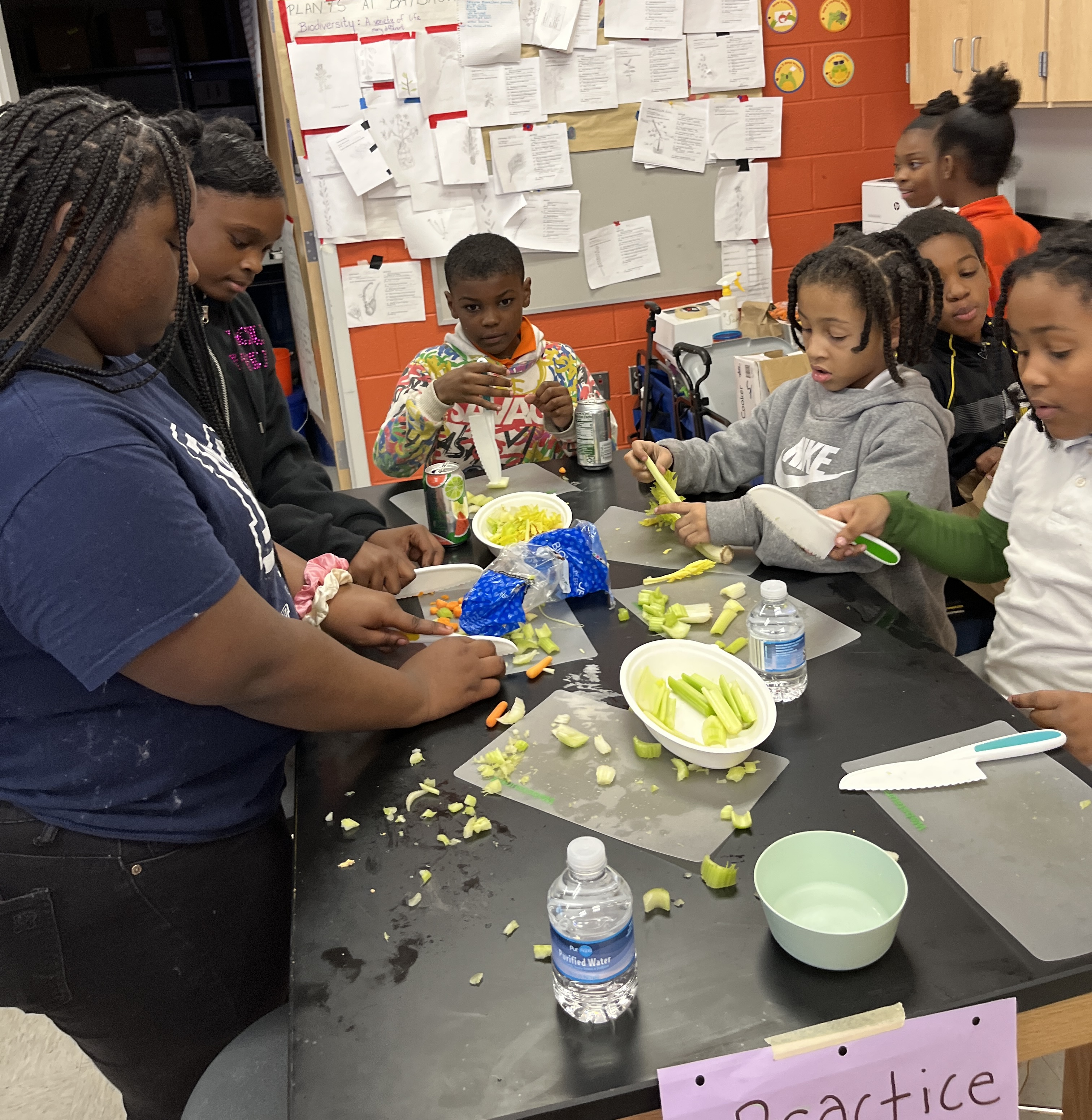
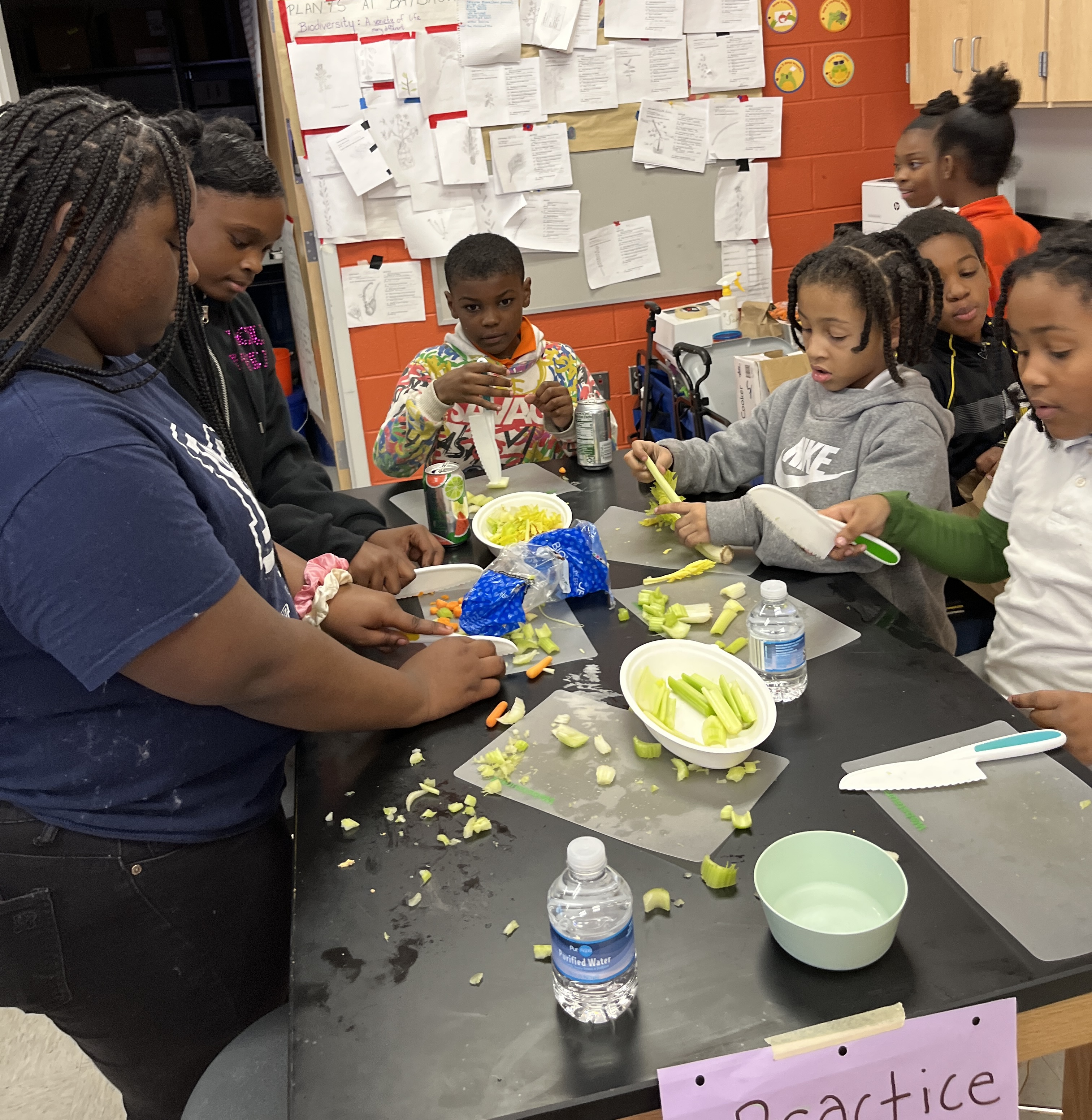
Students practiced cutting veggies
Students made their own flavors.
Students planted new seeds
Students enjoyed their popcorn
GARDEN DAY! Students, parents, teachers, and other staff members came together to celebrate our new garden space and place down our raised beds to open the garden to planting
Flier to advertise our Green Team hosted party: Popcorn party

1.3 Environmental Professional Development for Teachers
1.3 Environmental Professional Development for Teachers
Demonstrate that 10% of instructional staff have completed an environmental PD. Instructional staff is defined as any staff that manages a gradebook.
- New Schools must have all PD completed within the past 2 years.
- Renewing schools must have all PD completed within the past 4 years.
A teacher who has participated in multiple workshops may only be counted once.
Acceptable Documentation: A certificate of completion from any MAEOE training or recommended PD listed on www.MAEOE.org under Professional Learning or any environmental training provided by your school district.
All science teachers go to science PD which includes environmental information.
-
Teachers in the school have to meet with the Science coach Mrs. Thompson who provides professional development opportunities for our school.
-
For example,
PDs include Great Kids Farm professional developments:
- Fowler Dawn (2022/2023)
- Natalie Infante
- Mabelle Fomundam (2022-2024)
- Mr. Masuchi (2022/2023)
- Ms. Moe
- Ms. Carr
Teacher collaboration
1.4 Sustainable School Practices
1.4.1 Schoolwide Staff Sustainability
Demonstrate the sustainability practices your teachers, staff, and other personnel have implemented school-wide to make your school green. Any actions involving students belong under Objective 2.
Acceptable Documentation: Photos of practices being implemented by staff and/or policy documents that describe sustainable behaviors such as reducing paper use via double-sided copying or electronic communications, de-lamping or using natural light or task lamps to conserve energy; incentivizing carpooling or public transportation; reducing waste in the staff lounge; etc. You may also include the installation of sustainability features at your school such as solar panels, geothermal heating, water bottle refilling stations, etc.
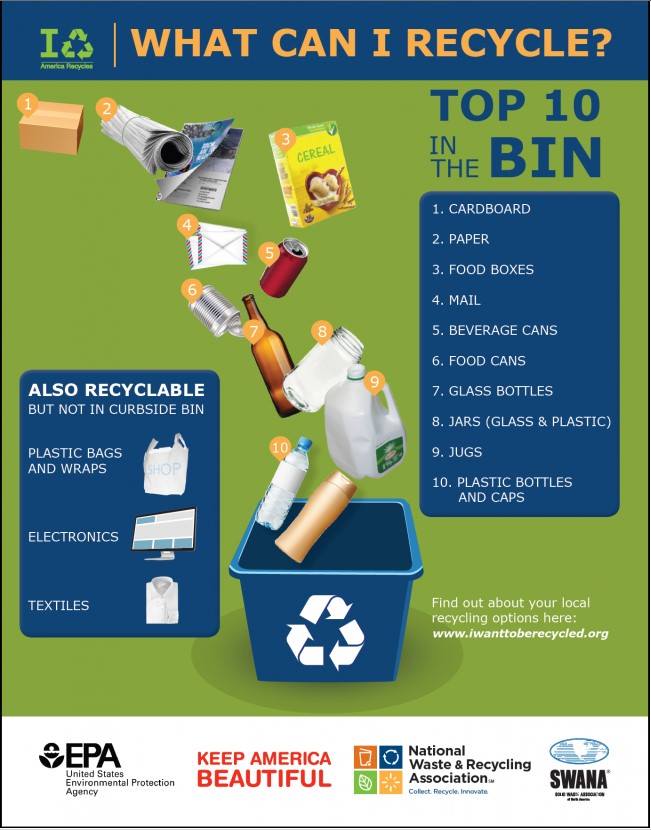
1) Distribution of recycling guides to various classrooms, providing guidelines on how to dispose of recyclable waste.
2)Announcements made on Fruit Day Tuesday about collecting compost from various classes.
3)Whole school reminders by principal to keep the school tidy.
Distribution of recycling guides to various classrooms as a guideline of how to dispose of waste.
Distribution of recycling bins to some classes.
1.4.2 Systemic Partnership
Demonstrate at least one partnership with a central office or board within the school system that supports part of the Maryland Green Schools Program. Any partnerships outside of your school system belong under Objective 3. Independent schools may partner with their board of trustees, parish office/archdiocese, or funders.
Acceptable Documentation: Sustainability plans, letters from district partners, or completed program applications as well as photos of practices being implemented in partnership with your systemic partner.
MWEEs
6th grade students attend WHAT LIVES IN THE HARBOR which connects students to the Baltimore Harbor and learning how to protect our watersheds.
5th grade and below students get to work in collaboration with Masonsville Cove learning about Heat Island and constructing ideas on how to cool down our local environments.
Bay-Brook works in collaboration with Great Kids Farm and Food Corps, which host an after-school garden club with students, open to all grades.
We also work in collaboration with Trout in the Classroom, Sunfish in the classroom, Temple X for the development of an extended outdoor garden, SERC for the growing of orchids and more
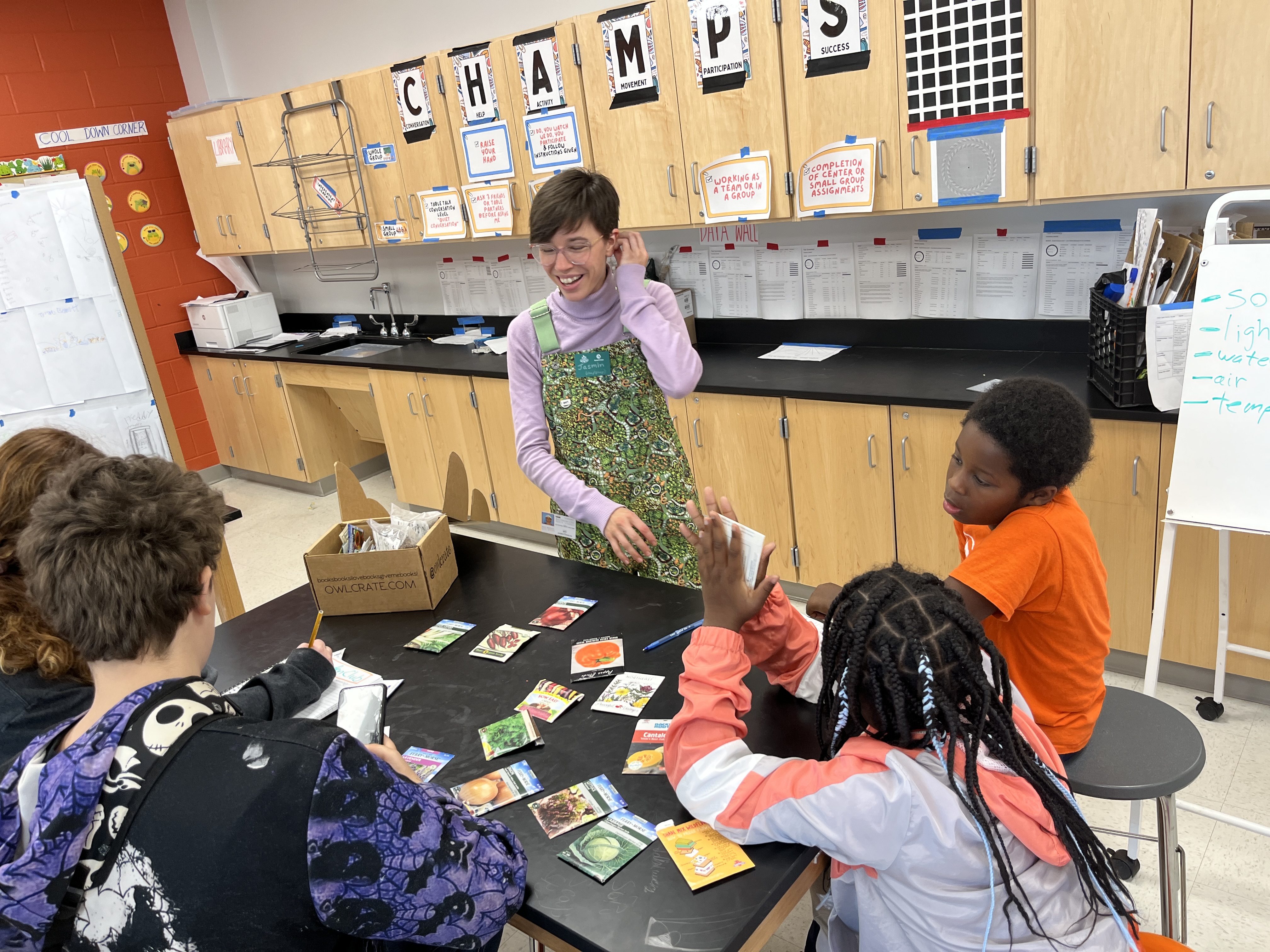
Green Team students exploring different types of seeds with Great Kids Farm, FoodCorps volunteer.
We are in works with Temple X for the development of an extended outdoor garden
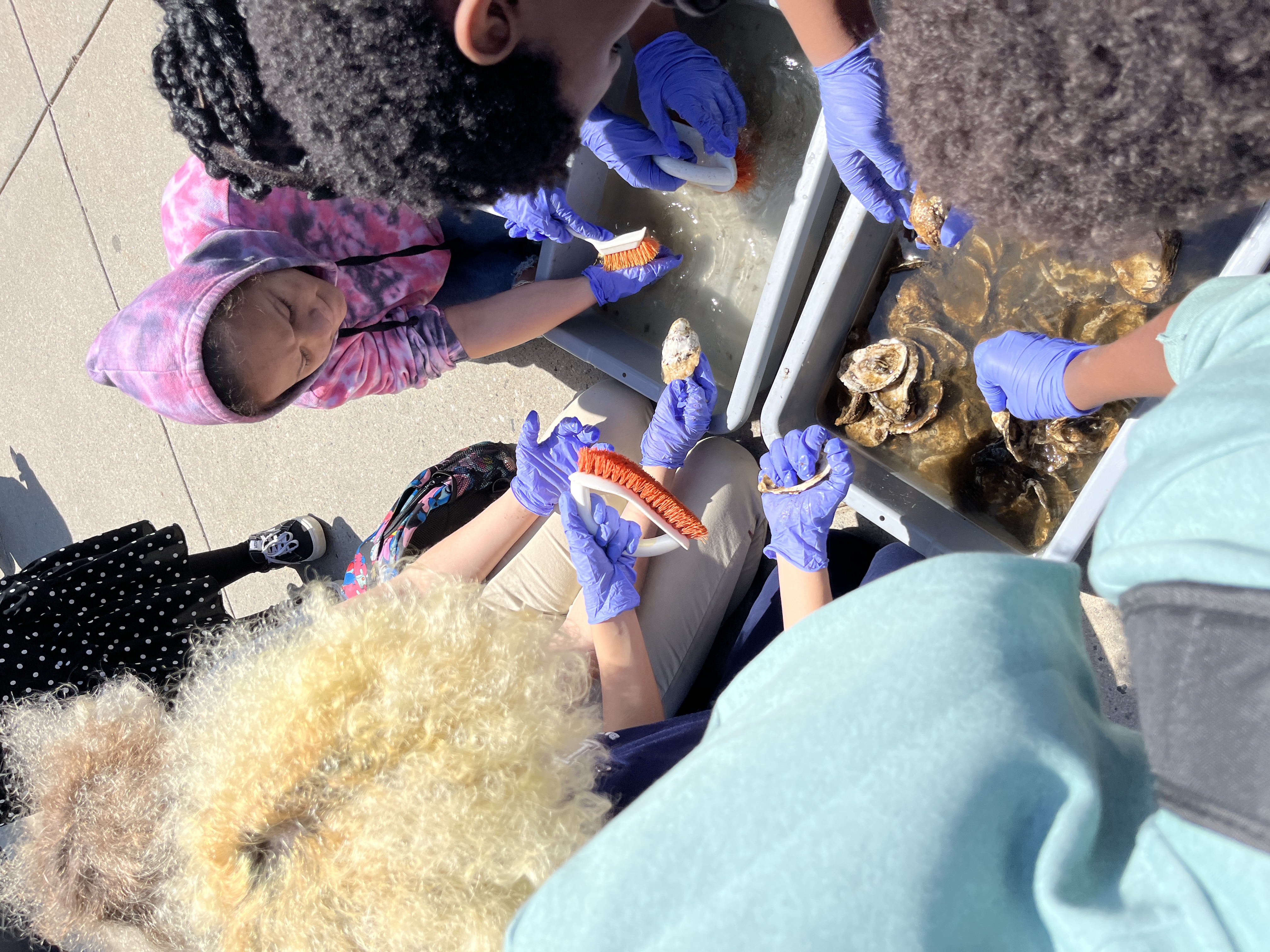
Bay-Brook also works in collaboration with Chesapeake Bay Foundation
No records were added by the school.
Student Action
Schools must document eight total actions that address at least three of the listed sustainability practices.
These are student actions, not adult actions. Adult sustainable actions can be documented in Objective 1.4.
2.1 Water Conservation/Pollution Prevention
2.1 Water Conservation/Pollution Prevention
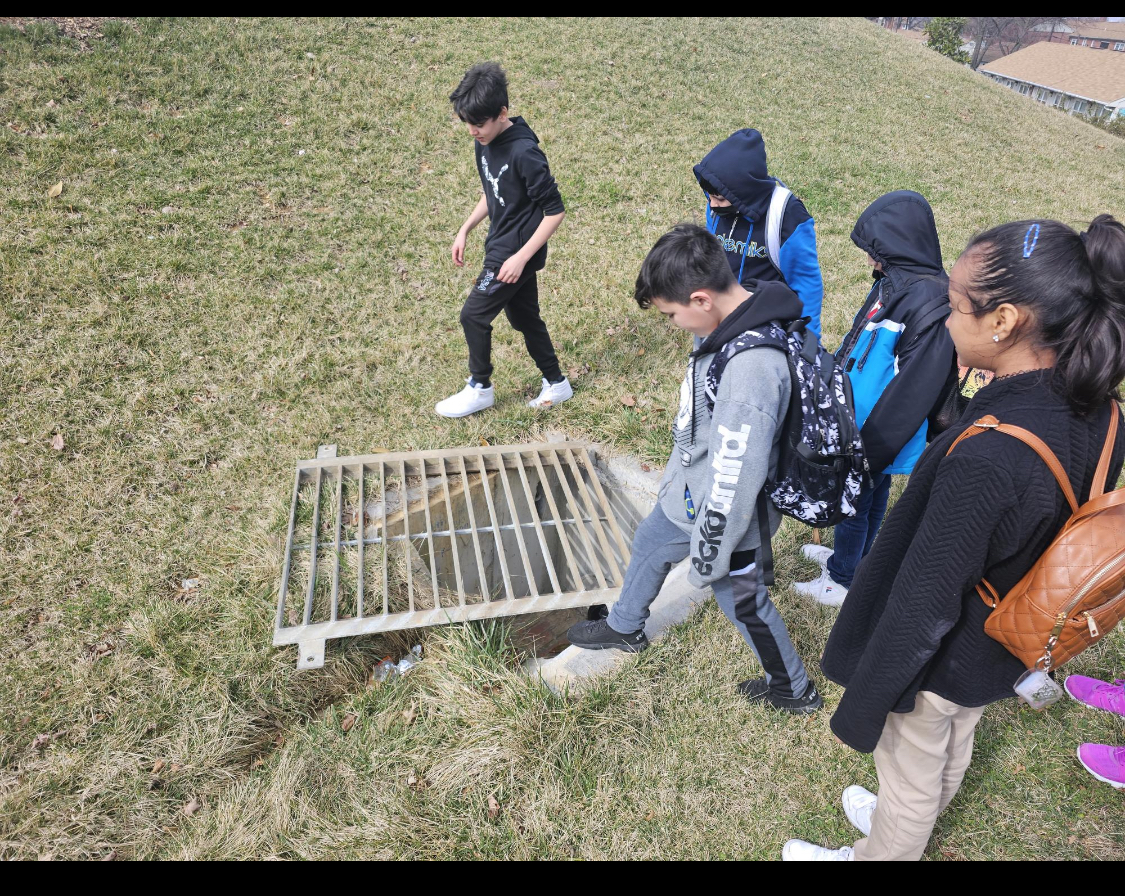
Students investigate where storm drains are located, if the drains need alterations and if there are unplanted areas that need green cover.
This is connected to our MWEEs where students explore life in the Chesapeake Bay, and how what comes through the storm drains affects our watershed. Students create final projects aimed at preventing this pollution.
Students cleaning up rain garden before the spring plants start flowering again.
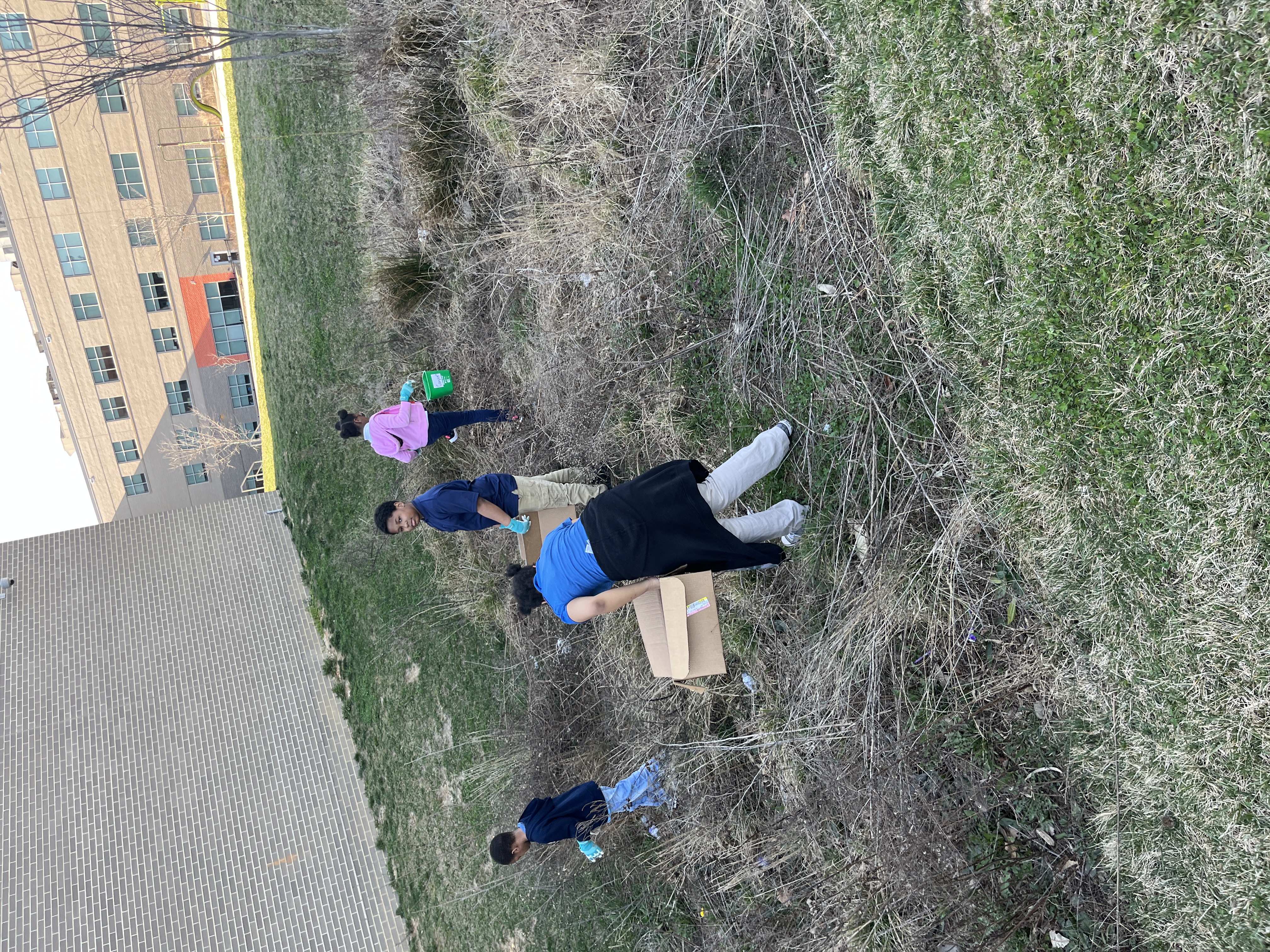
Students identify a storm drain that is not well fitted during our exploration of how to reduce our pollution impact on the harbor from our campus.
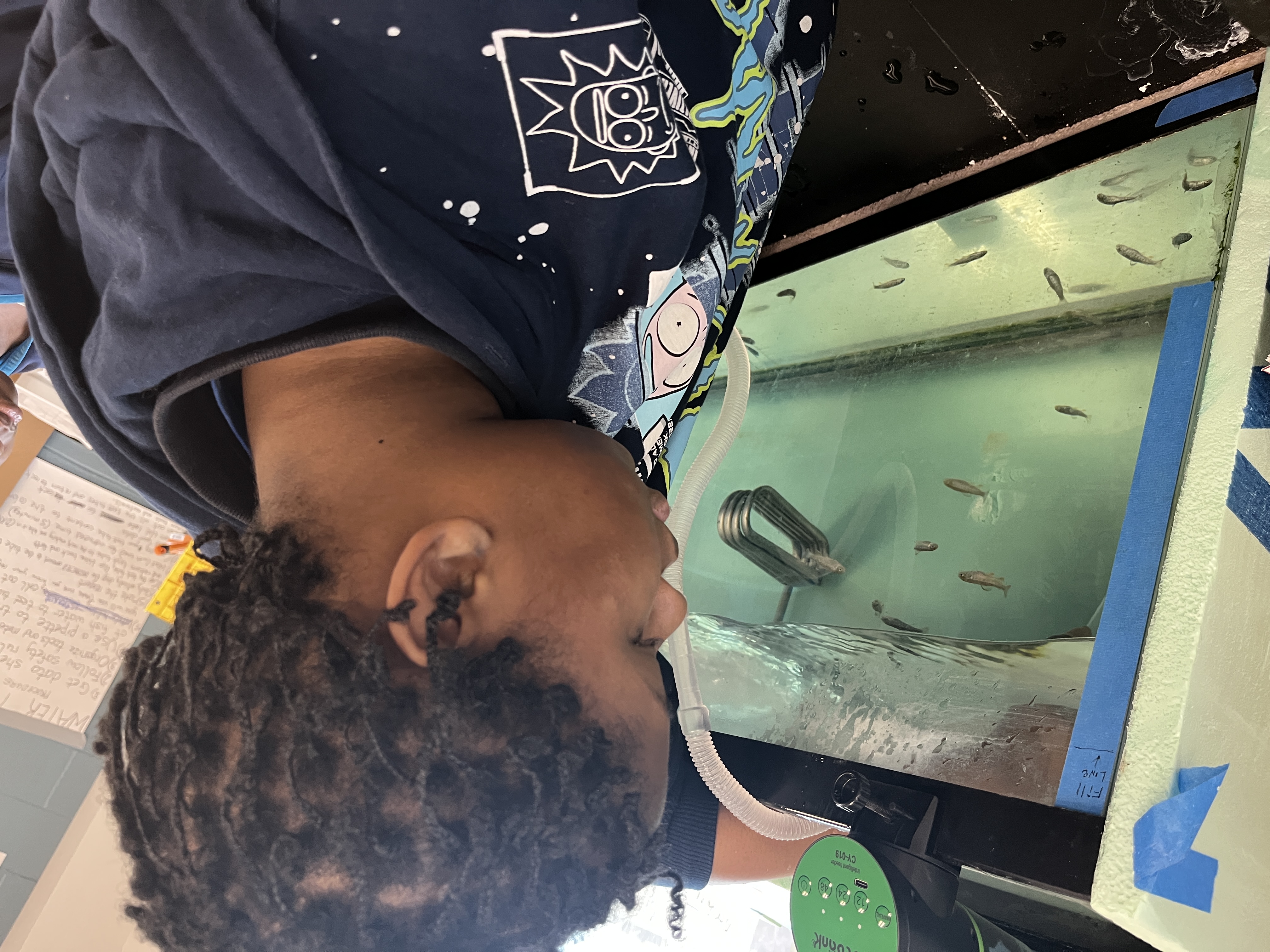
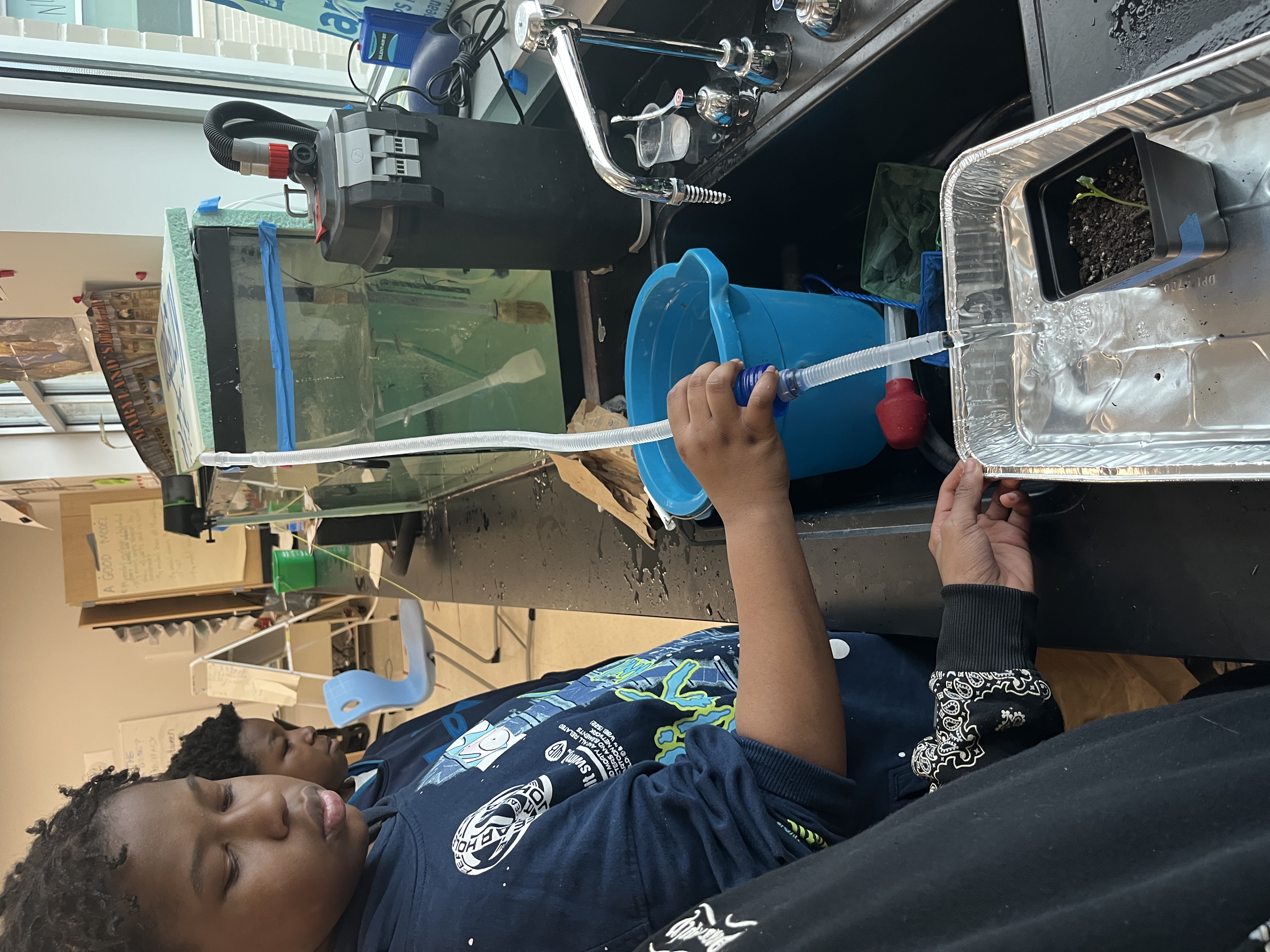
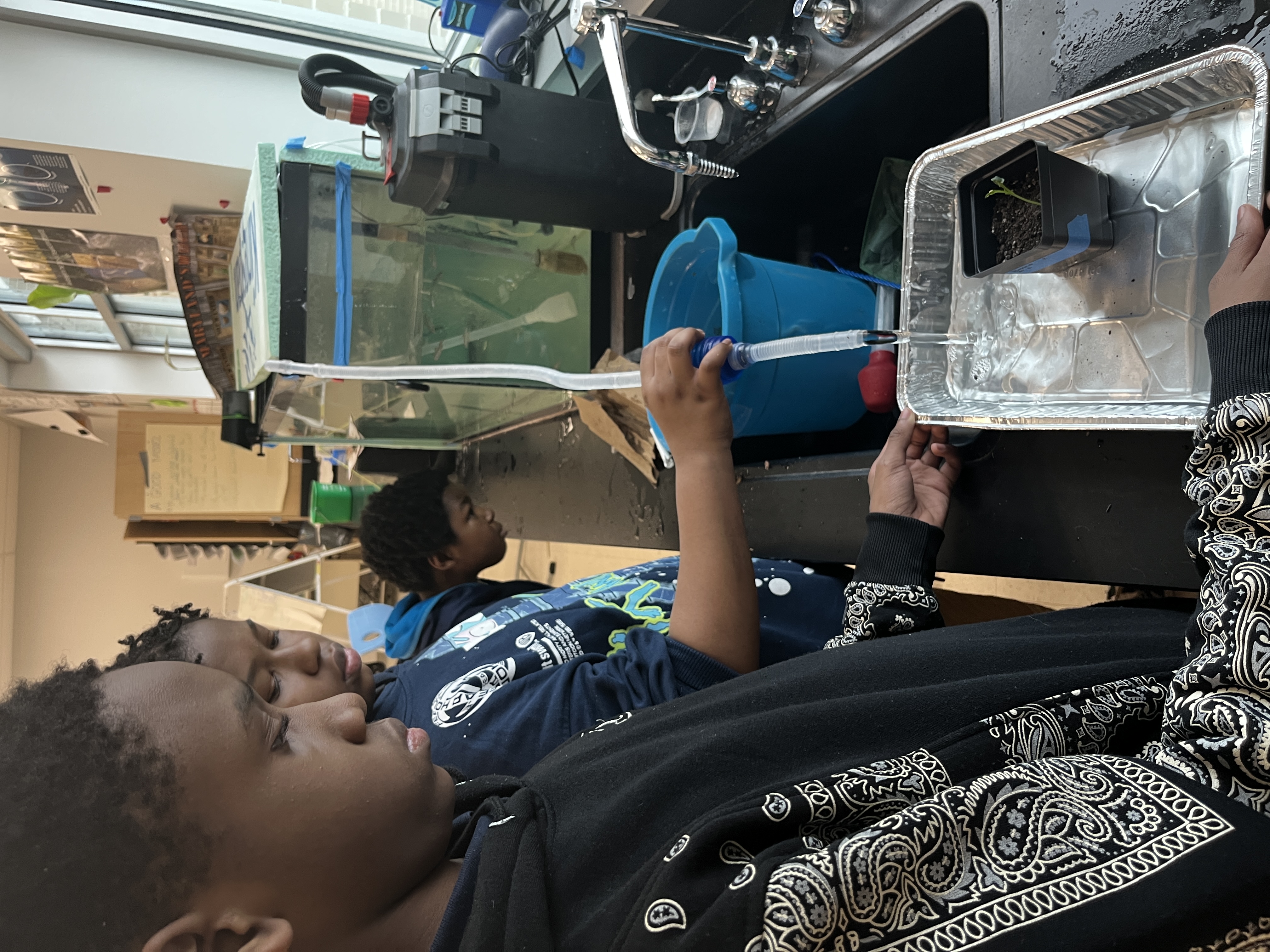
Students use waste water from the fish tank to water indoor plants; therefore recycling water from aquaculture to the plants.
Siphoning out waste fish tank water
Siphoning out waste fish tank water
Siphoning out waste fish tank water and putting in a tray that will hold plants
Placing plants into a tray filled with of fish tank water
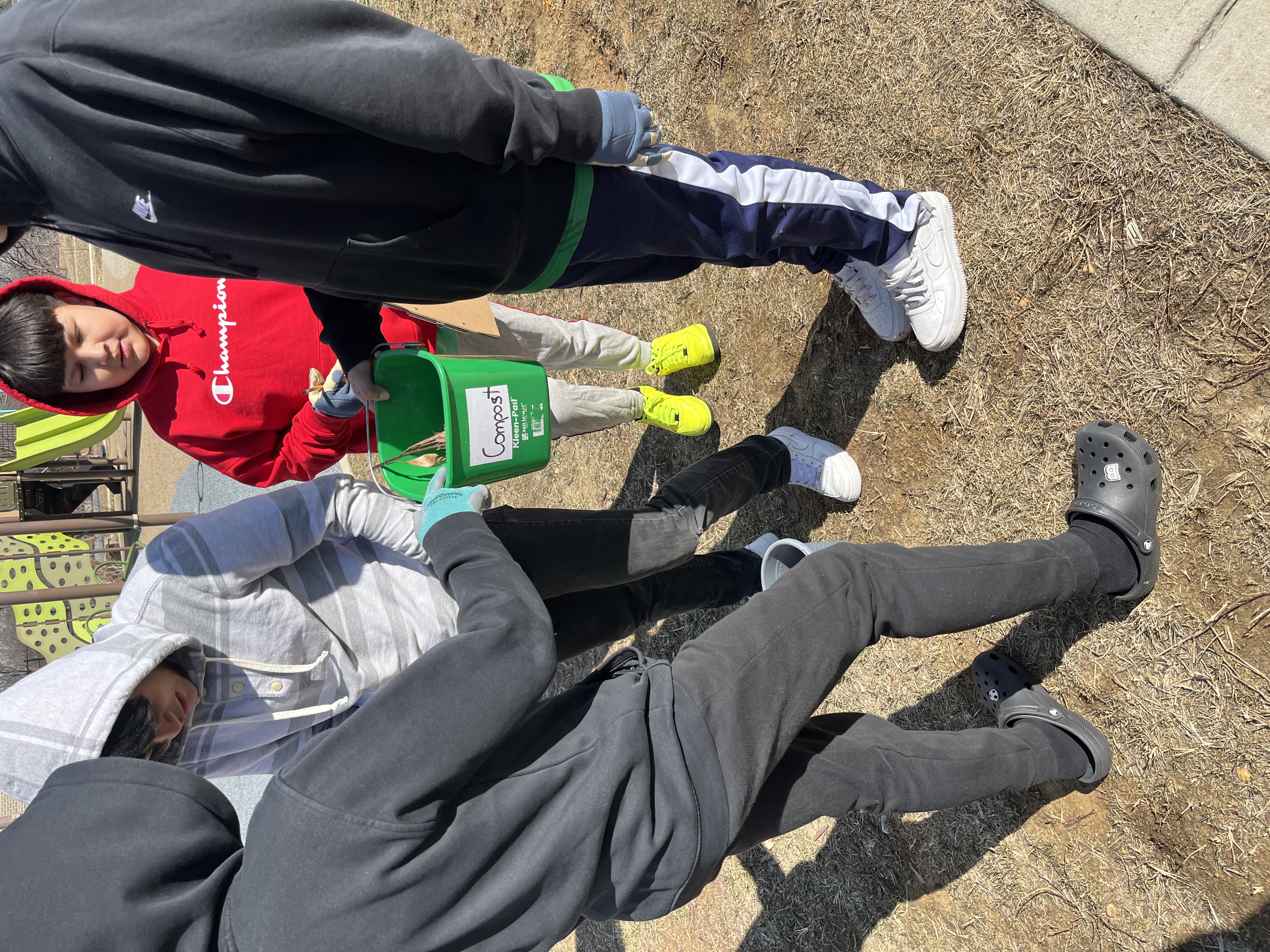
Multiple grades come out to clean our school yard - picking up trash and placing in either their compost bin or trash bin.
Collecting compost as well as trash
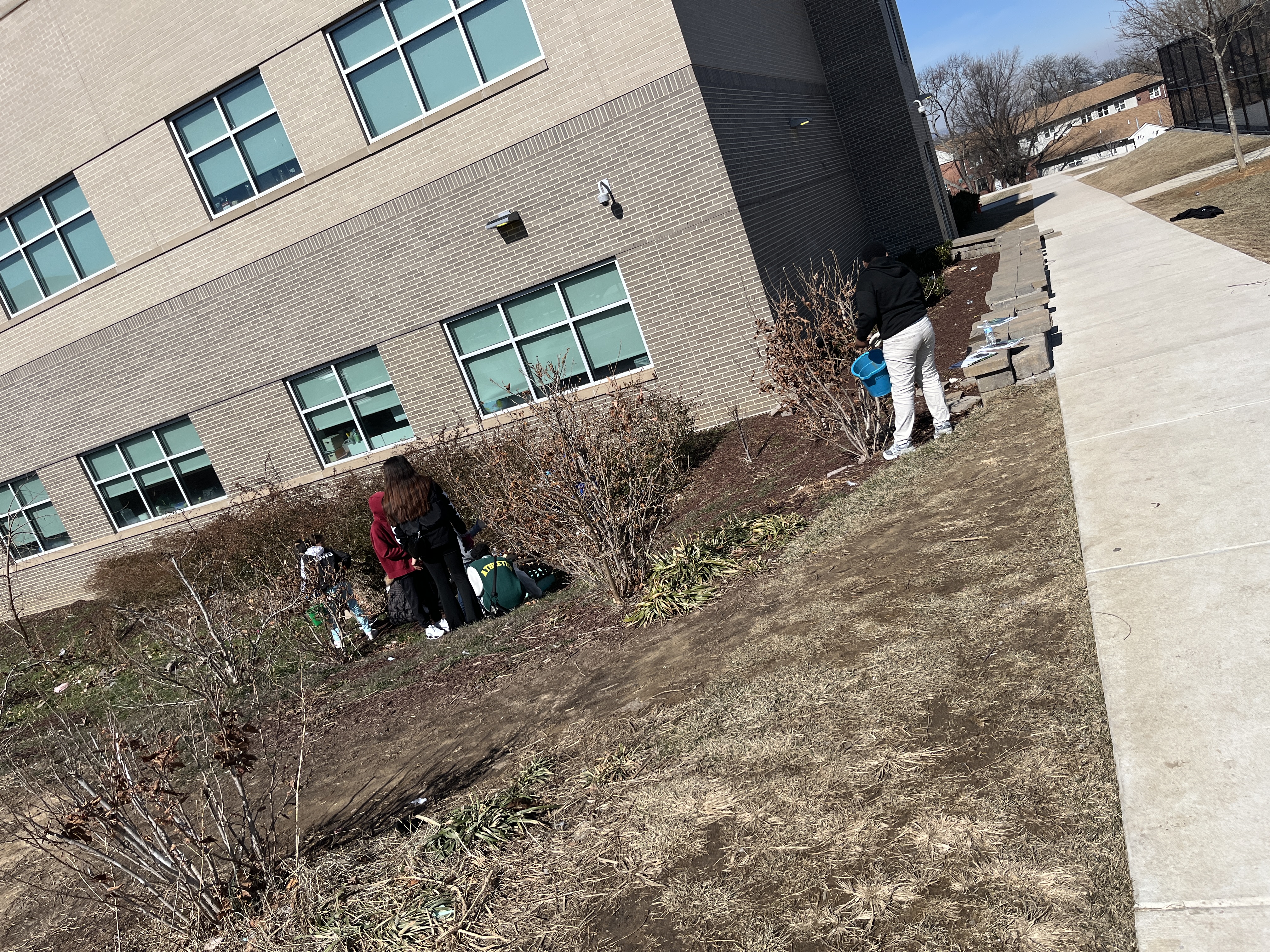
Cleaning up our school yard
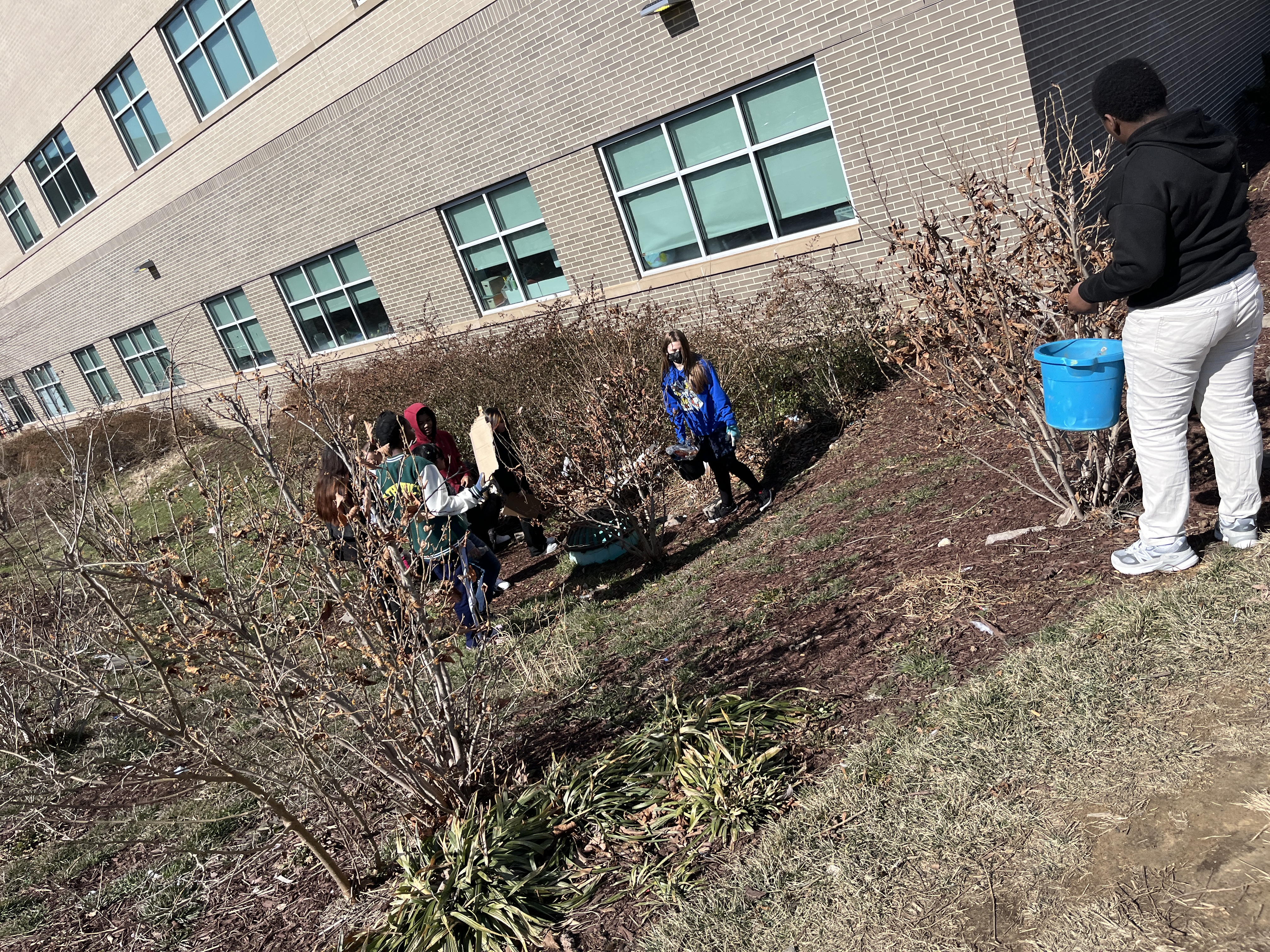
Cleaning up our school yard
2.2 Energy Conservation
2.2 Energy Conservation
No records were added by the school.
2.3 Solid Waste Reduction
2.3 Solid Waste Reduction
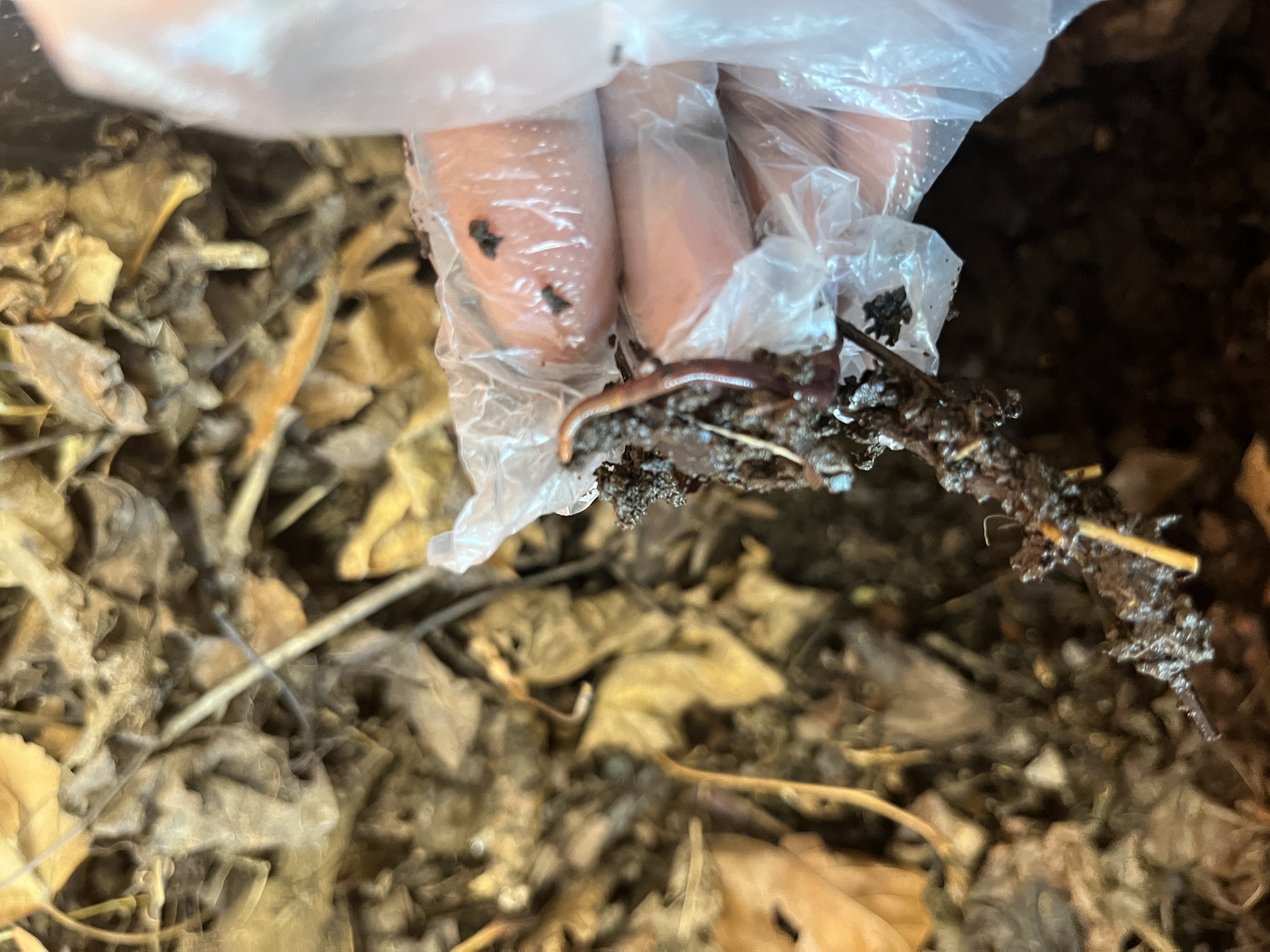
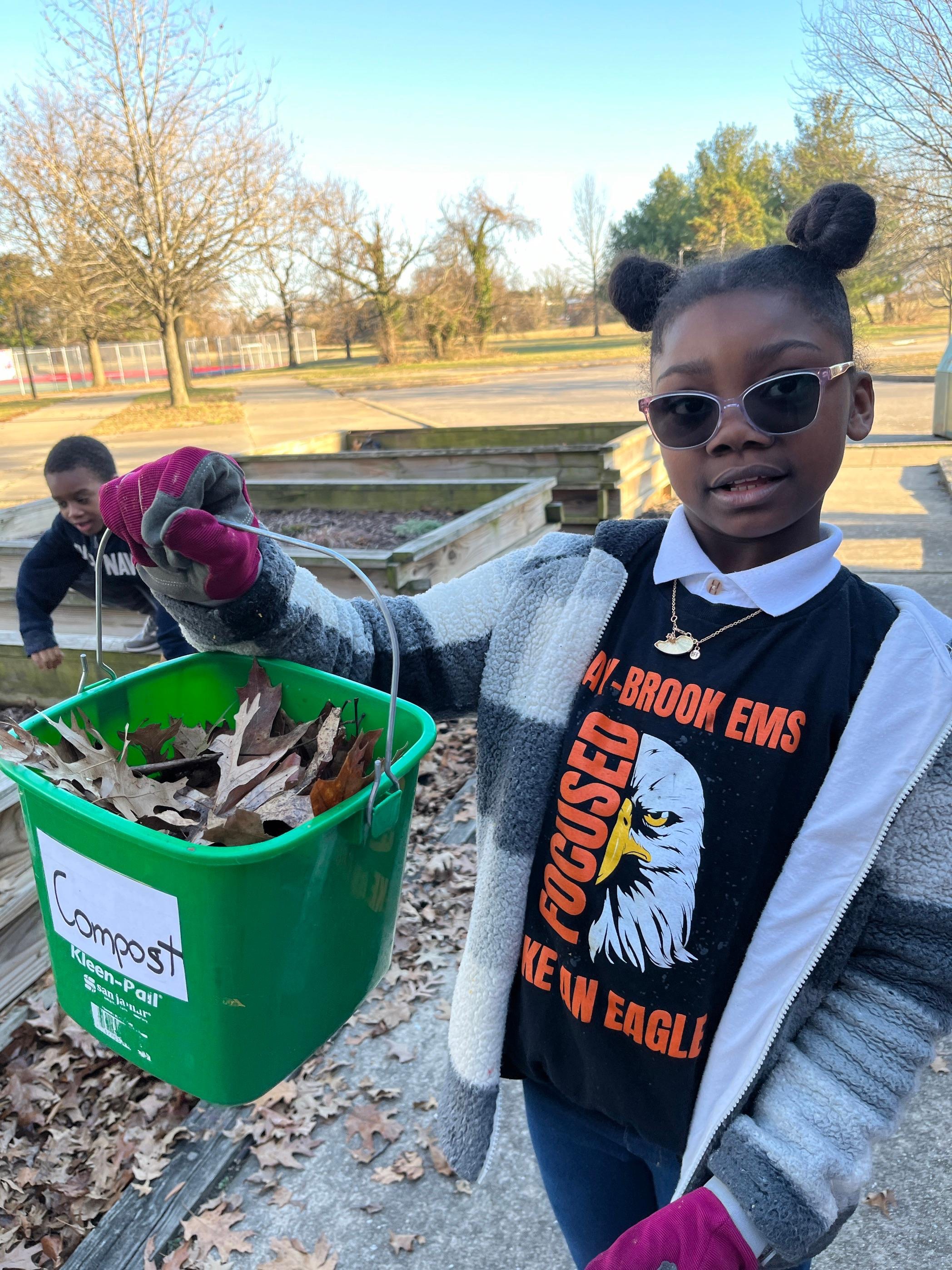
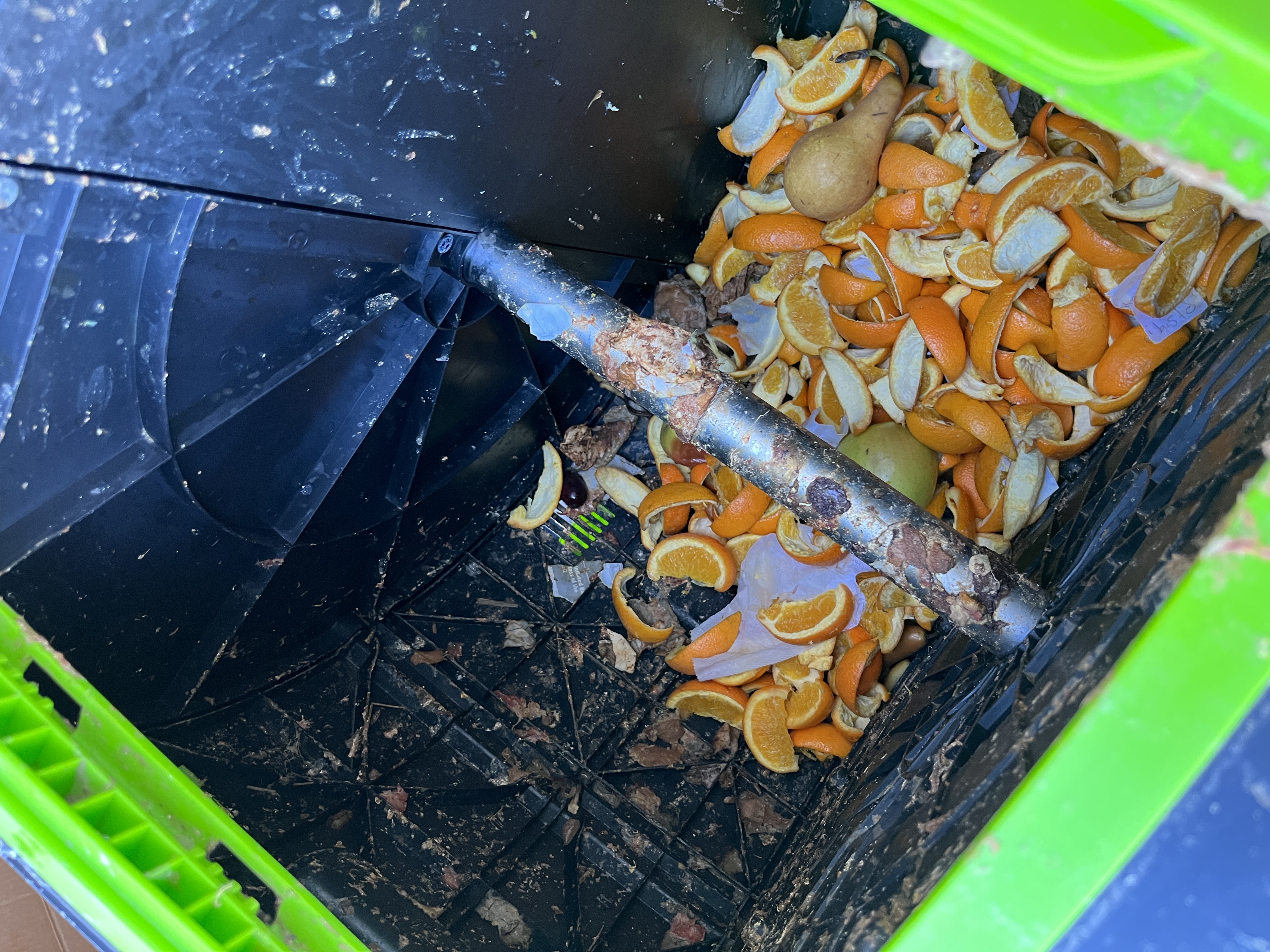
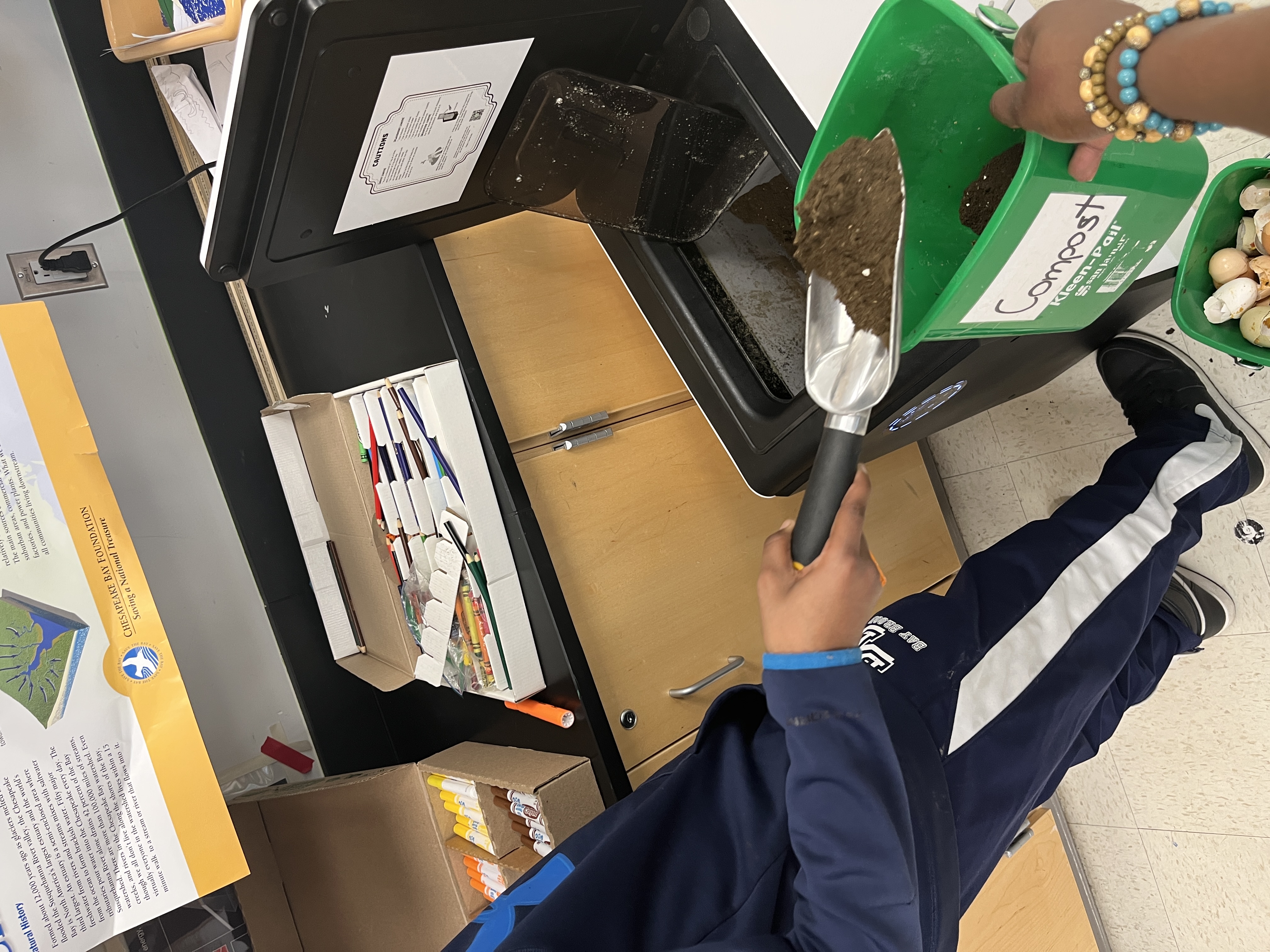
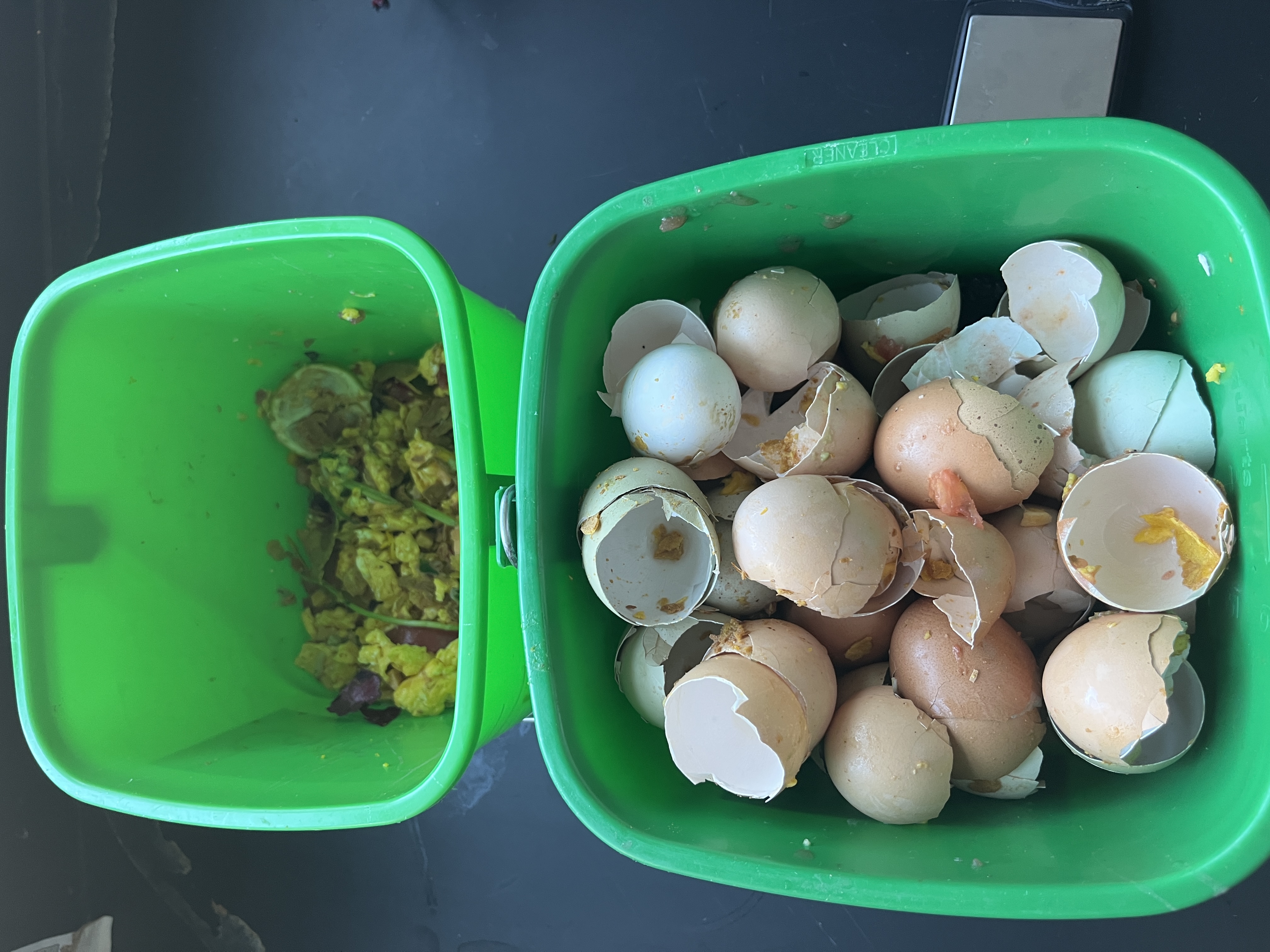
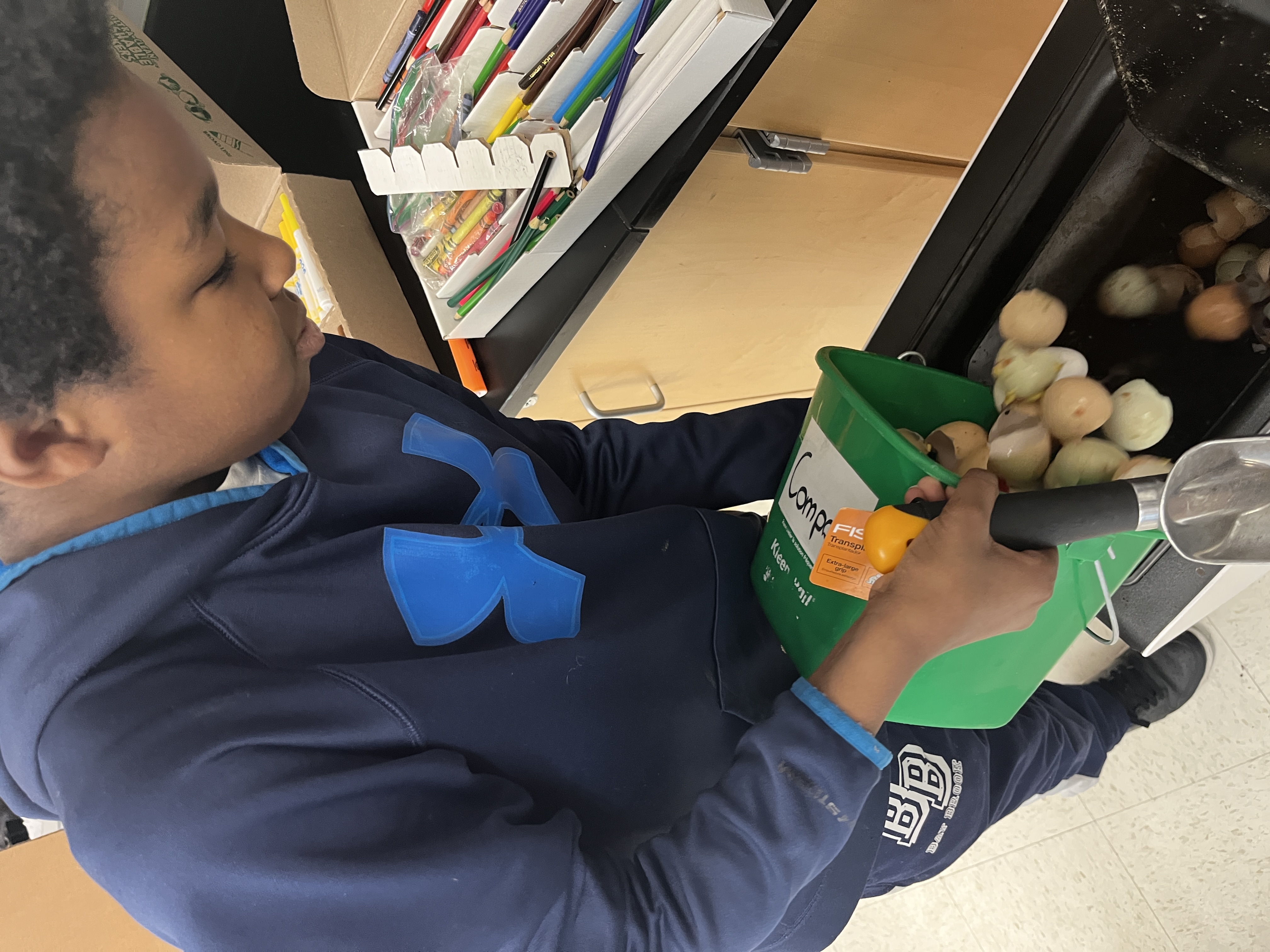
Students compost waste in the classroom. They have an opportunity to add fruit and veggies to the composting machine. They continentally turn the soil and make connections to what happening.
Our vermicompost bin helps us compost.
Students collecting leaves to balance out our compost bin
Using our tumbler to compost citrus fruits.
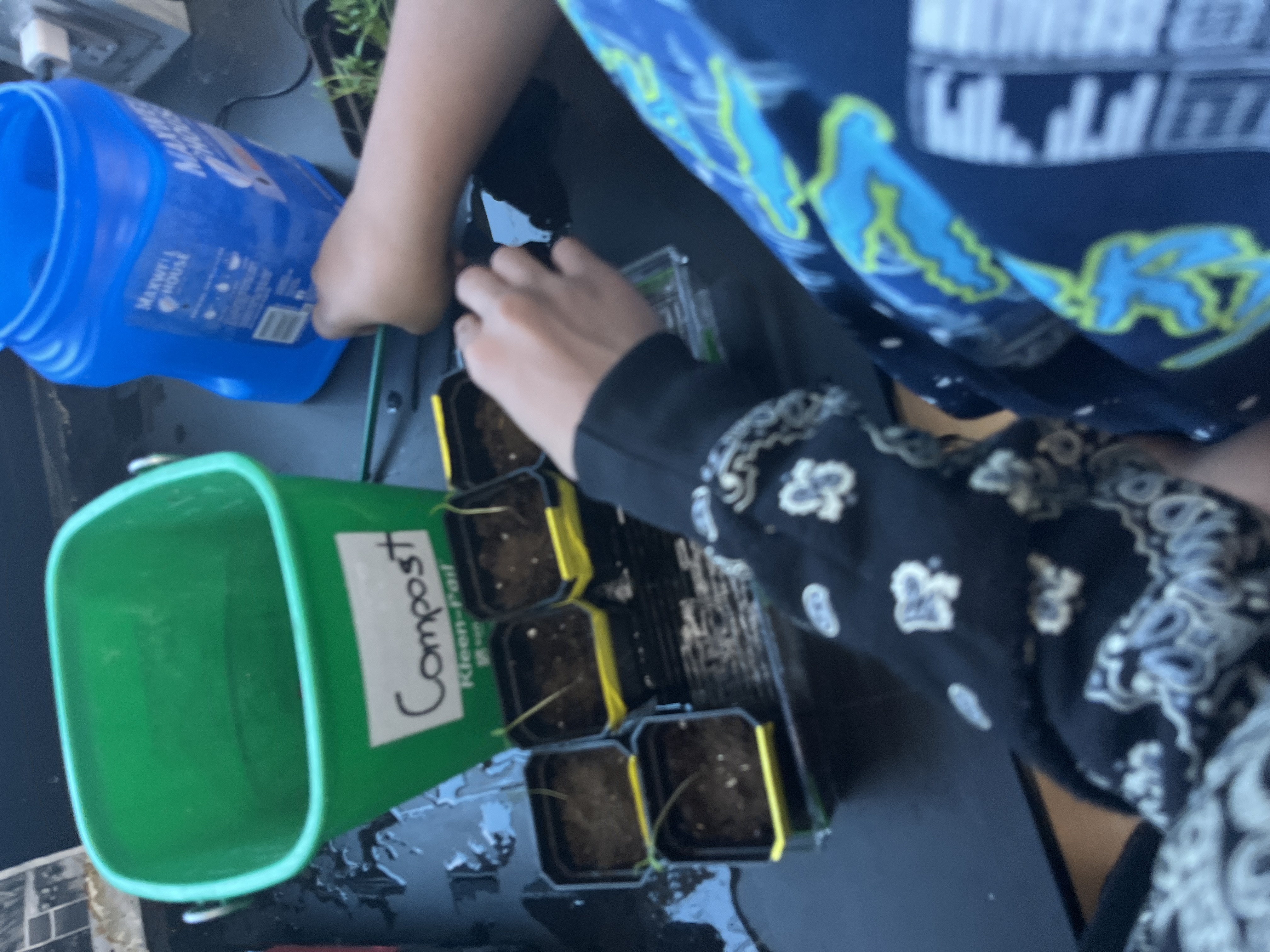
Incorporating compost developed in our classroom closed system bin when repotting the plants we are growing.
Digging out compost from the compost bin purchased with our Green Healthy Smart Challenge grant
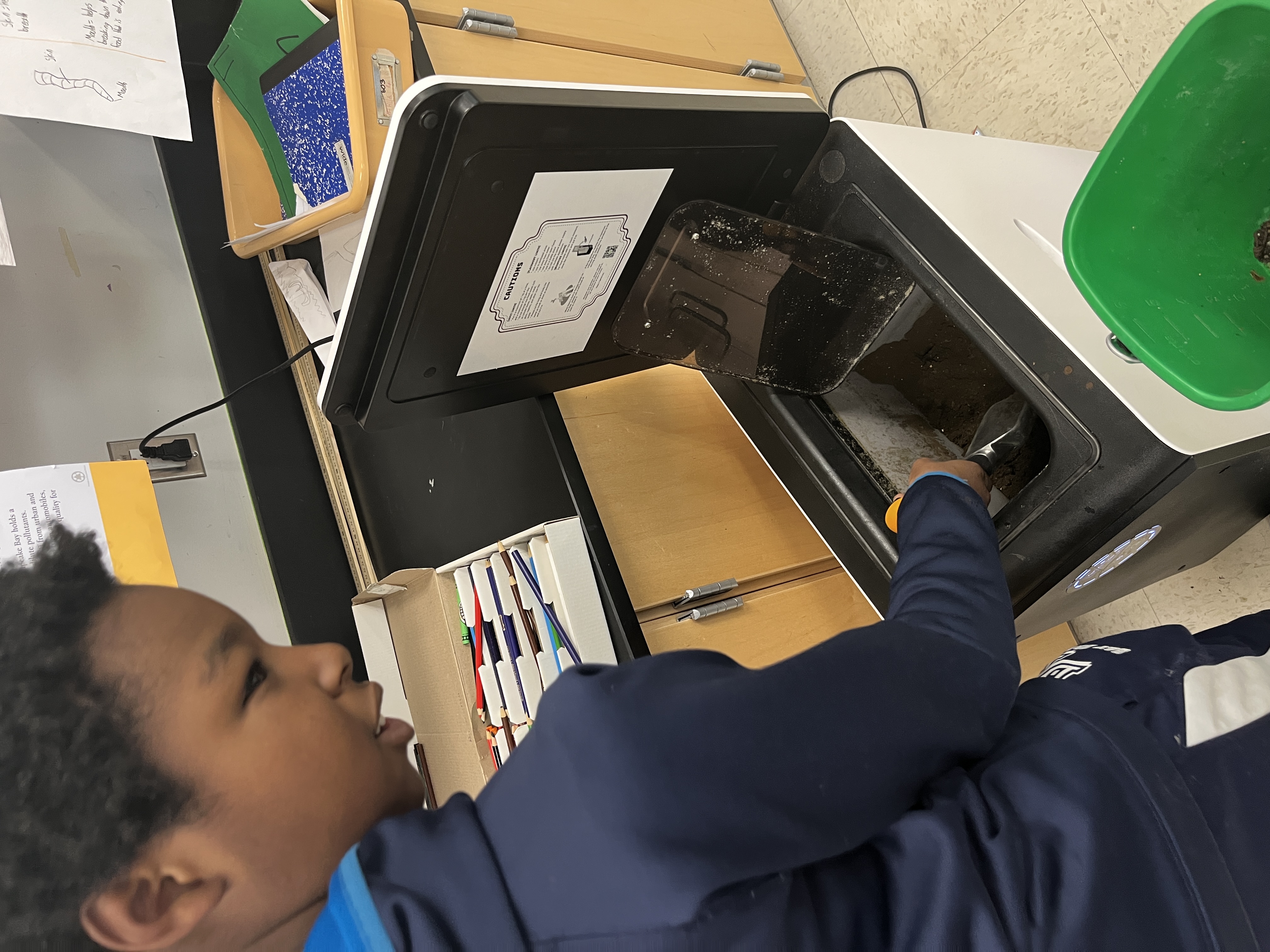
Collecting the compost we've generated in this closed system electronic compost bin
Planting using the compost we generated
Composting food scraps to reuse later
From waste to resource
Rich compost in the making
2.4 Habitat Restoration
2.4 Habitat Restoration
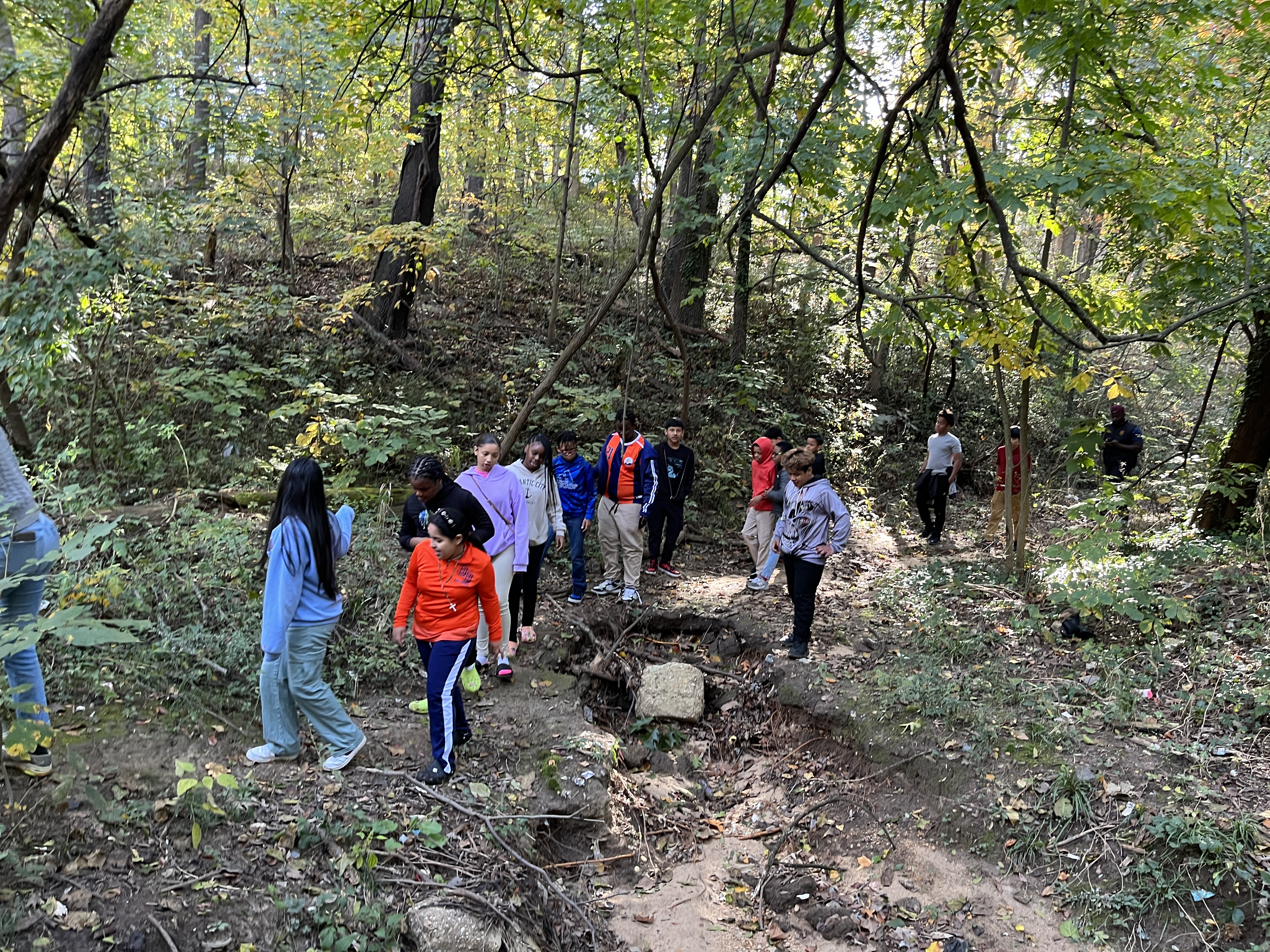
We hosting a tree give a way for families and members of the community. Scholars also had an opportunity to walk around our amazing campus exploring and learning about different trees, identifying their unique details.
Students walked around learning different trees, identifying them
Students walked around learning different trees, identifying them
Students walked around learning different trees, identifying them
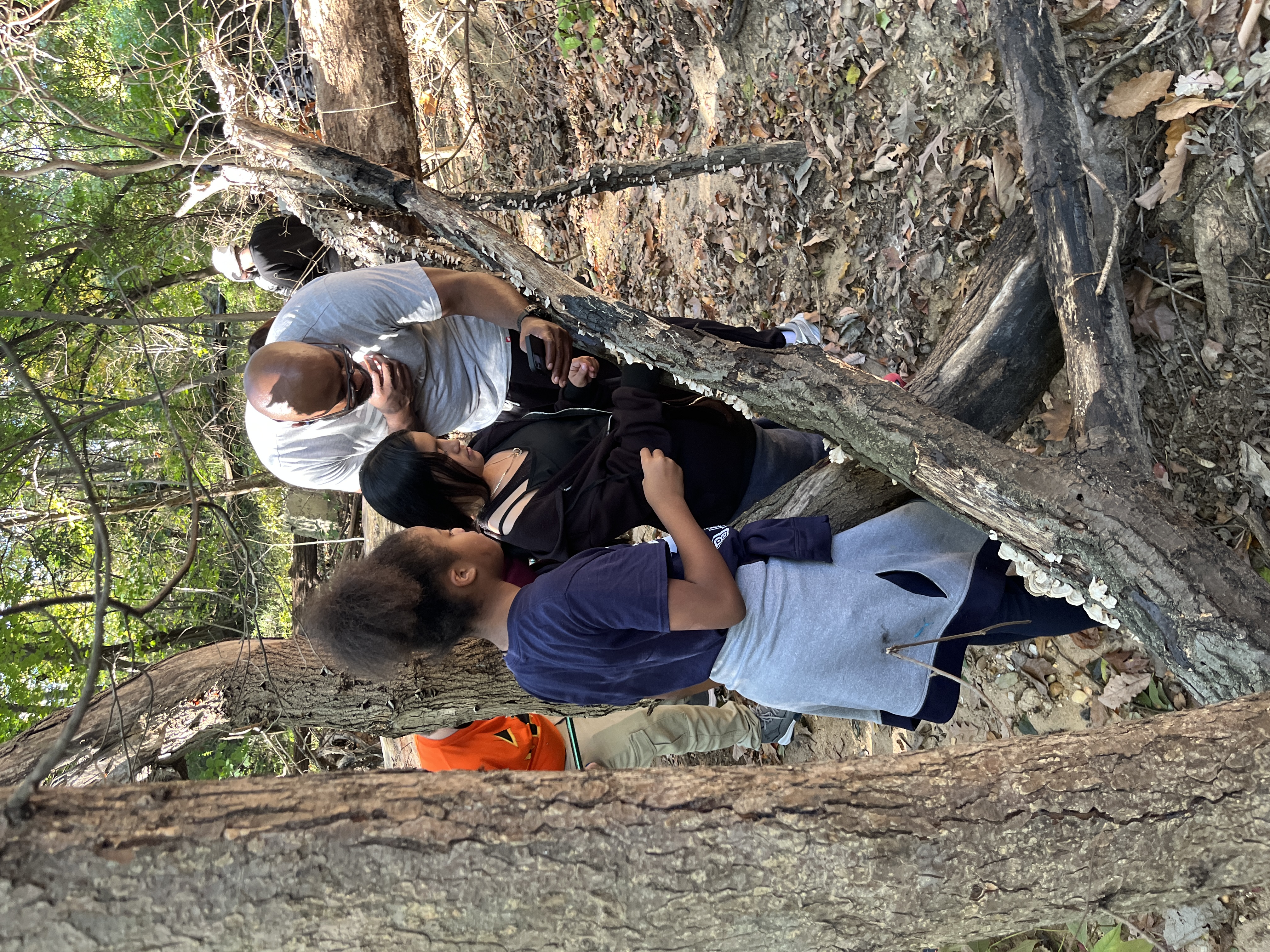
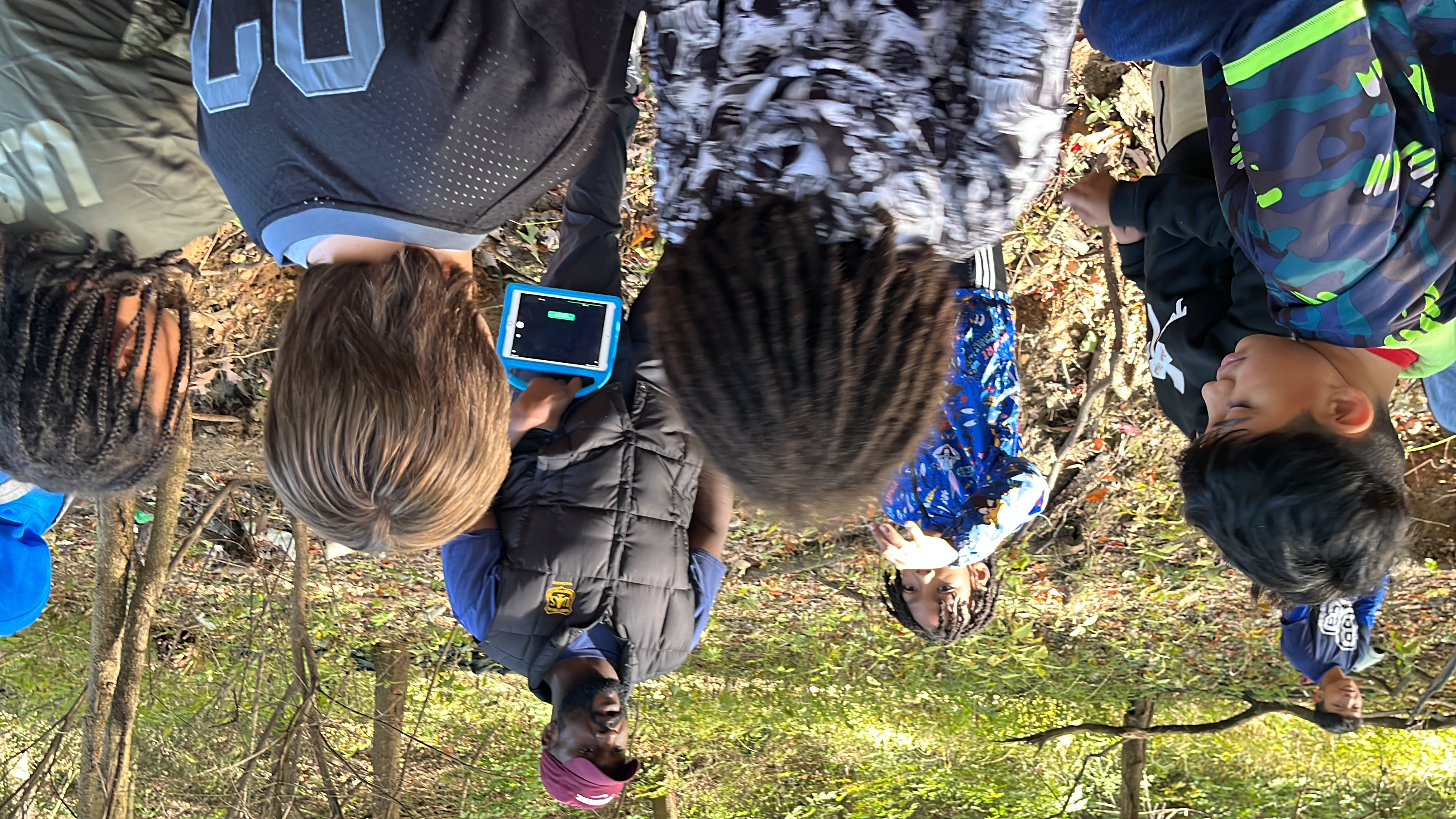
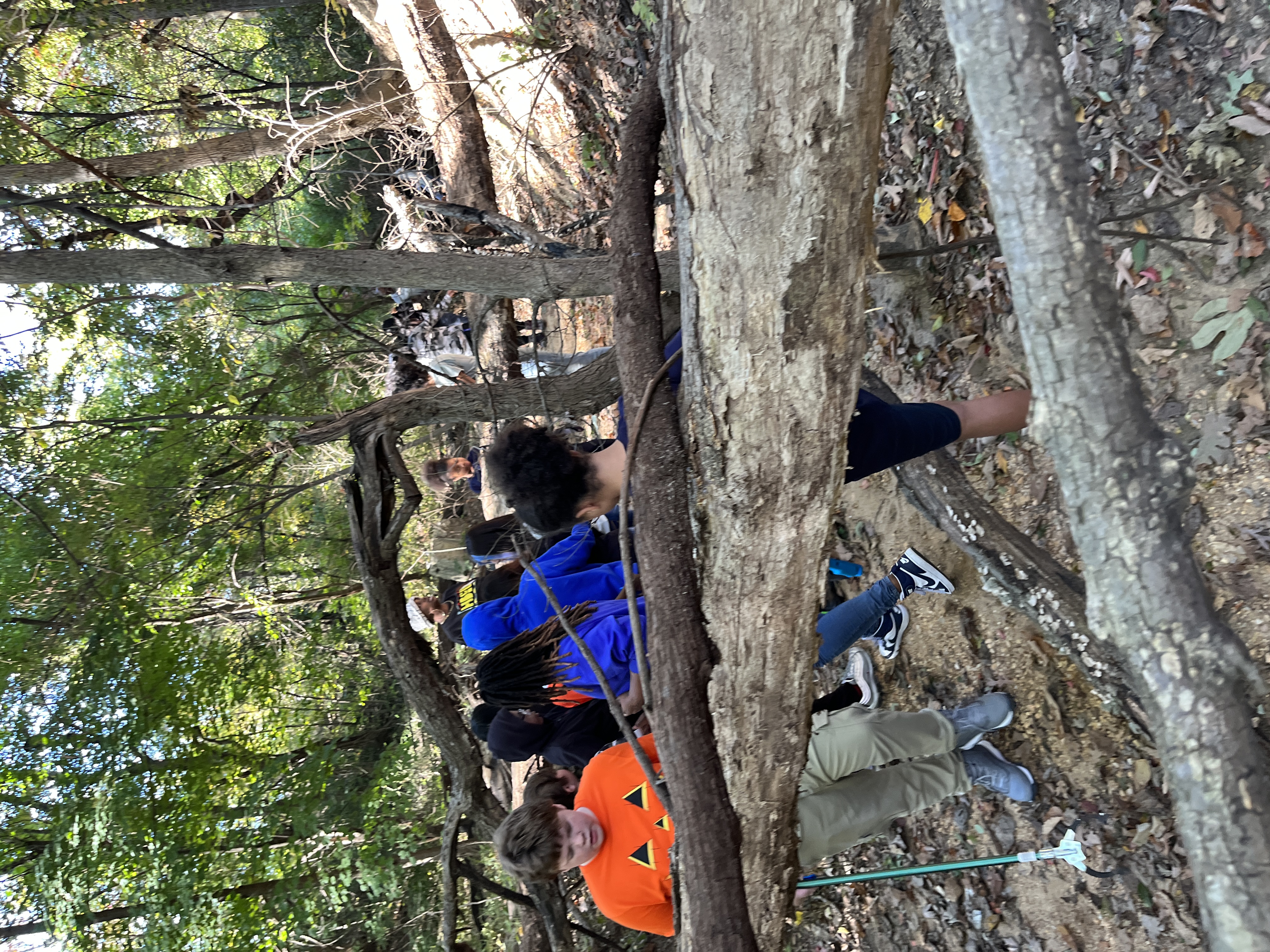
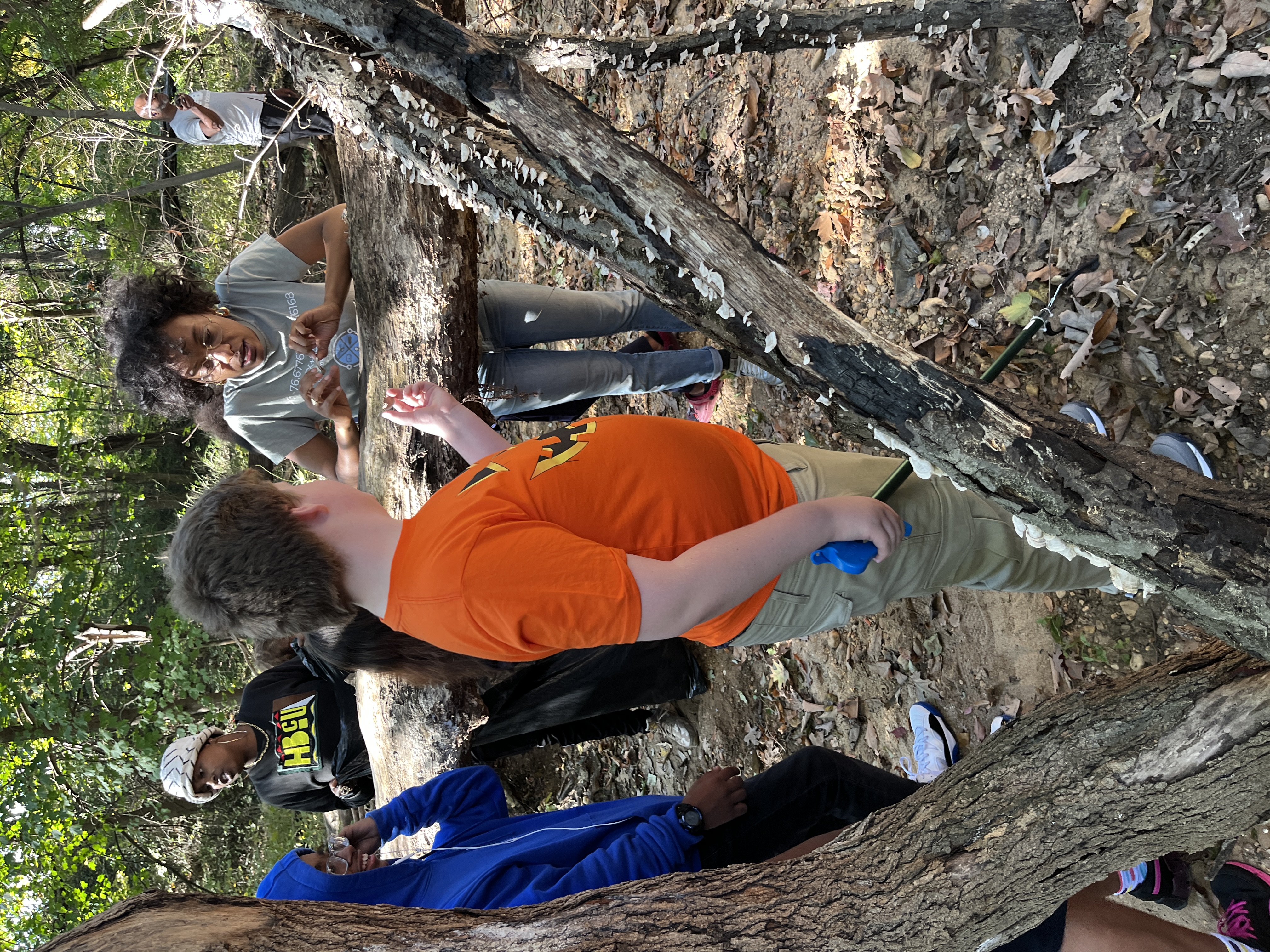
Students brainstorm strategies for preserving the forest adjacent to our school, conduct trash collection, and learn about the impact of invasive vines in this area.
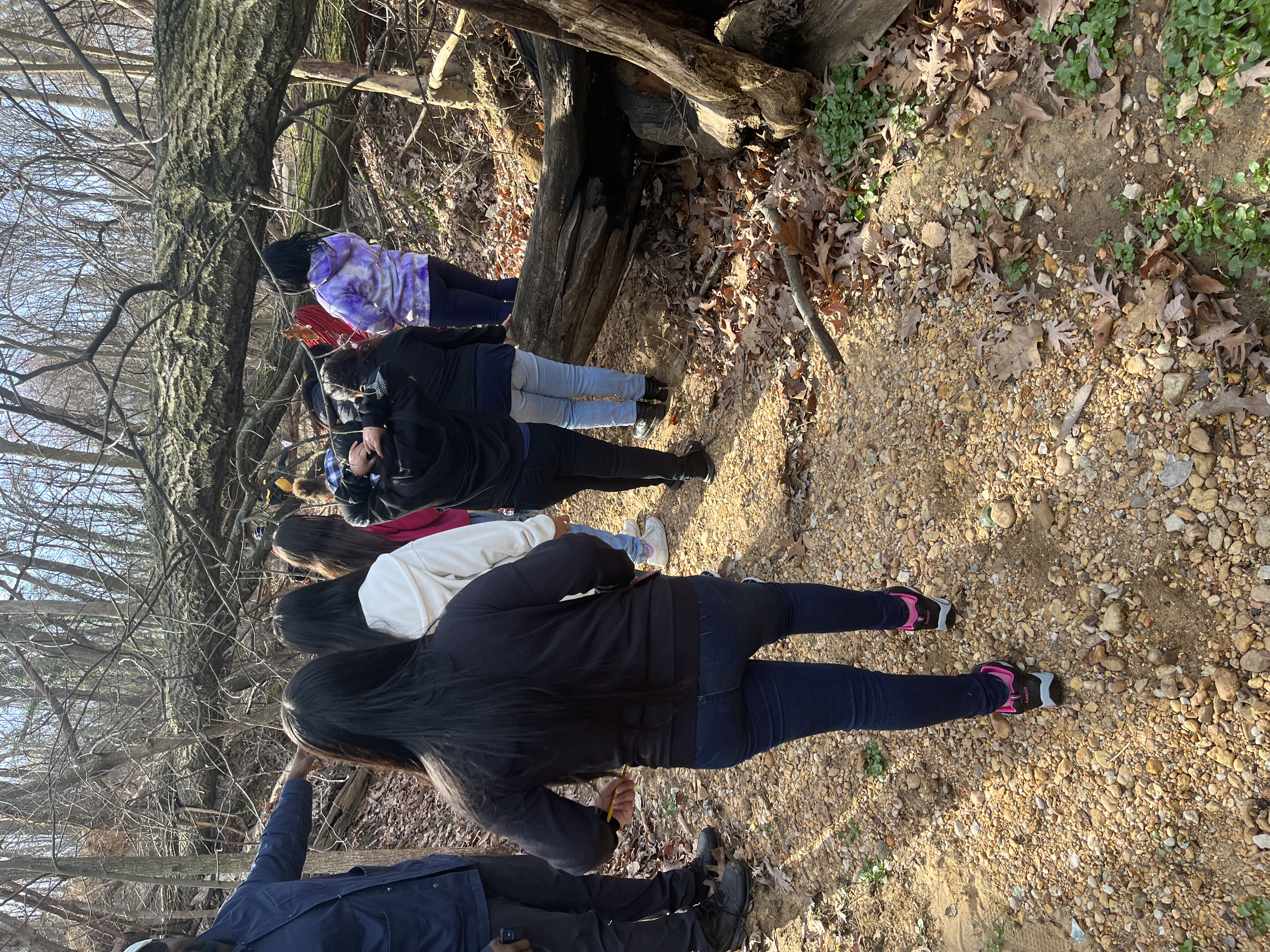
Students learn about the forest that is adjacent to our school and why more of its trees continue to fall and there is little vegetation on its floor.
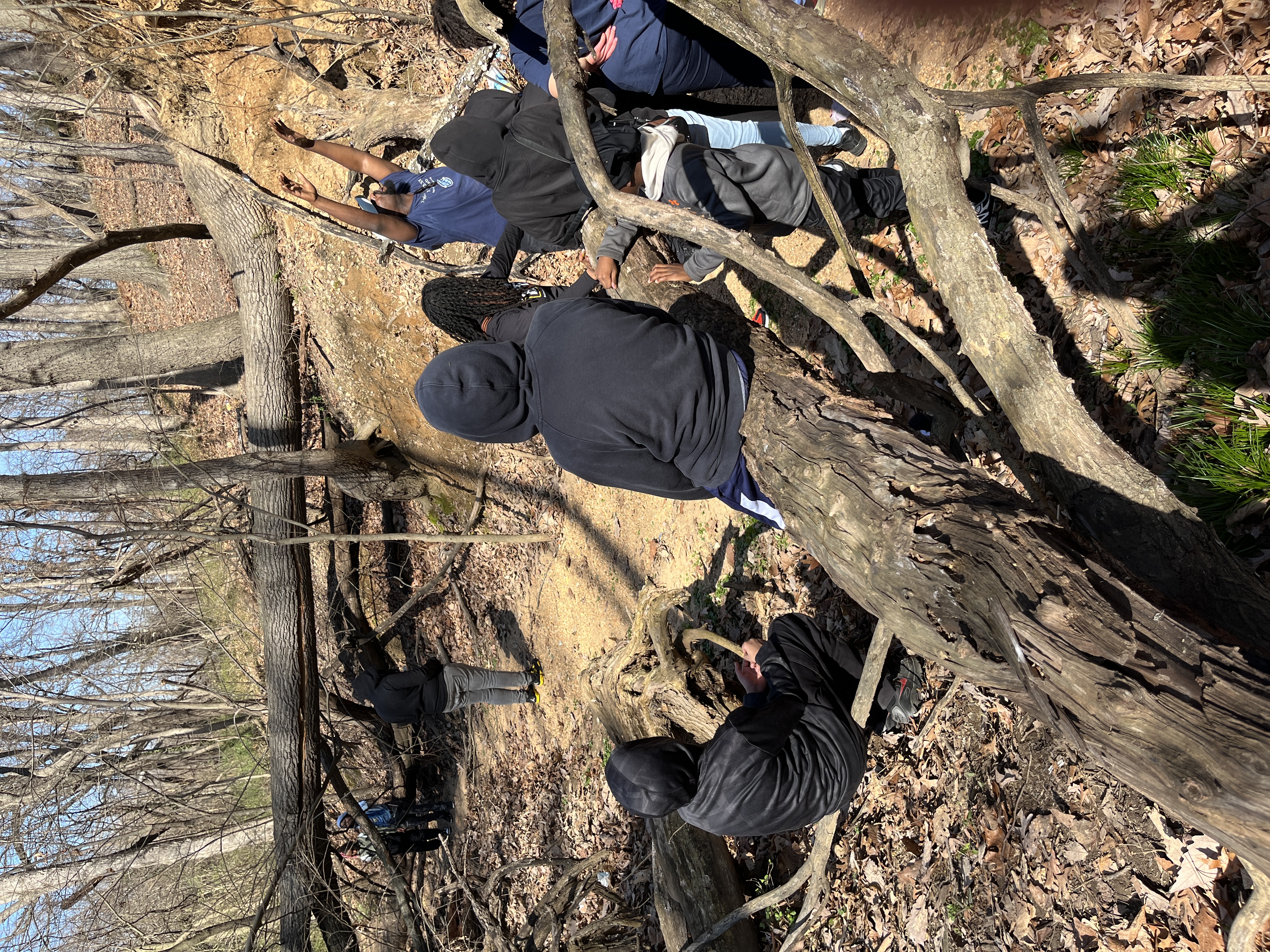
Students explore what organisms are currently in this forest and what might endanger them.
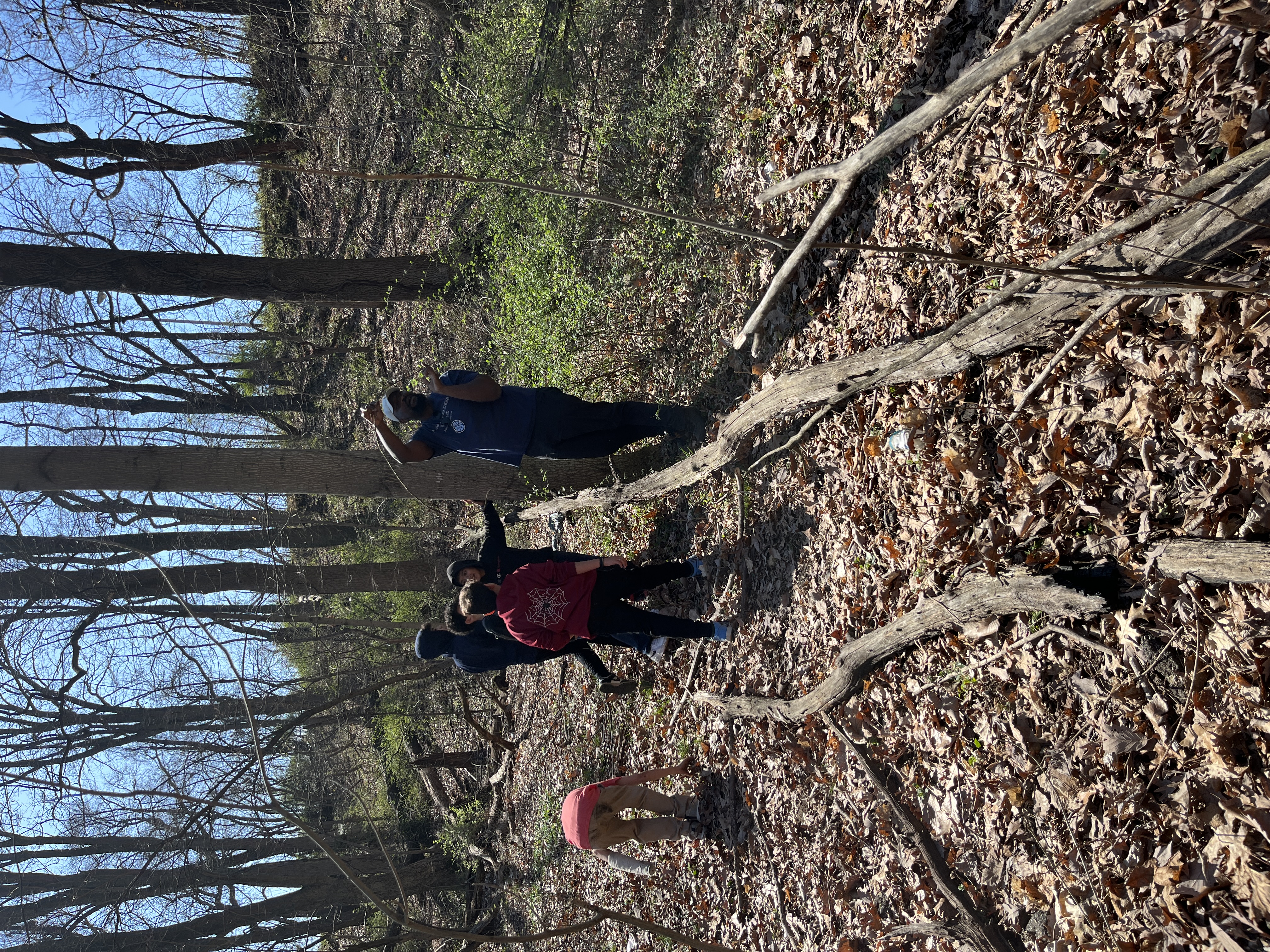
Students walked around learning different trees, identifying them
students participating in the project in Maryland and Washington, DC, collect data to help researchers better understand native orchids.
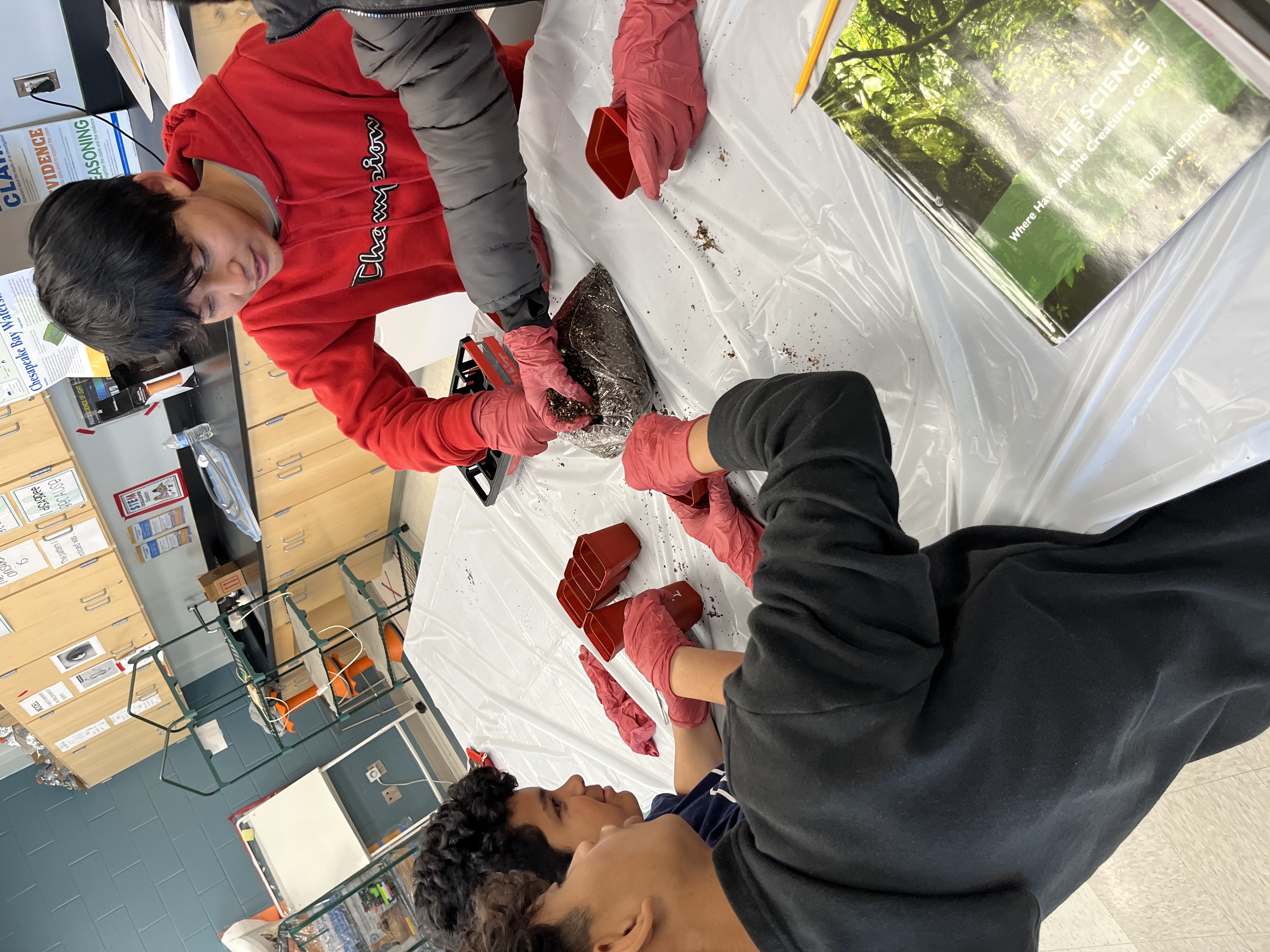
Planting Calopogon Orchid (Calopogon tuberosus)
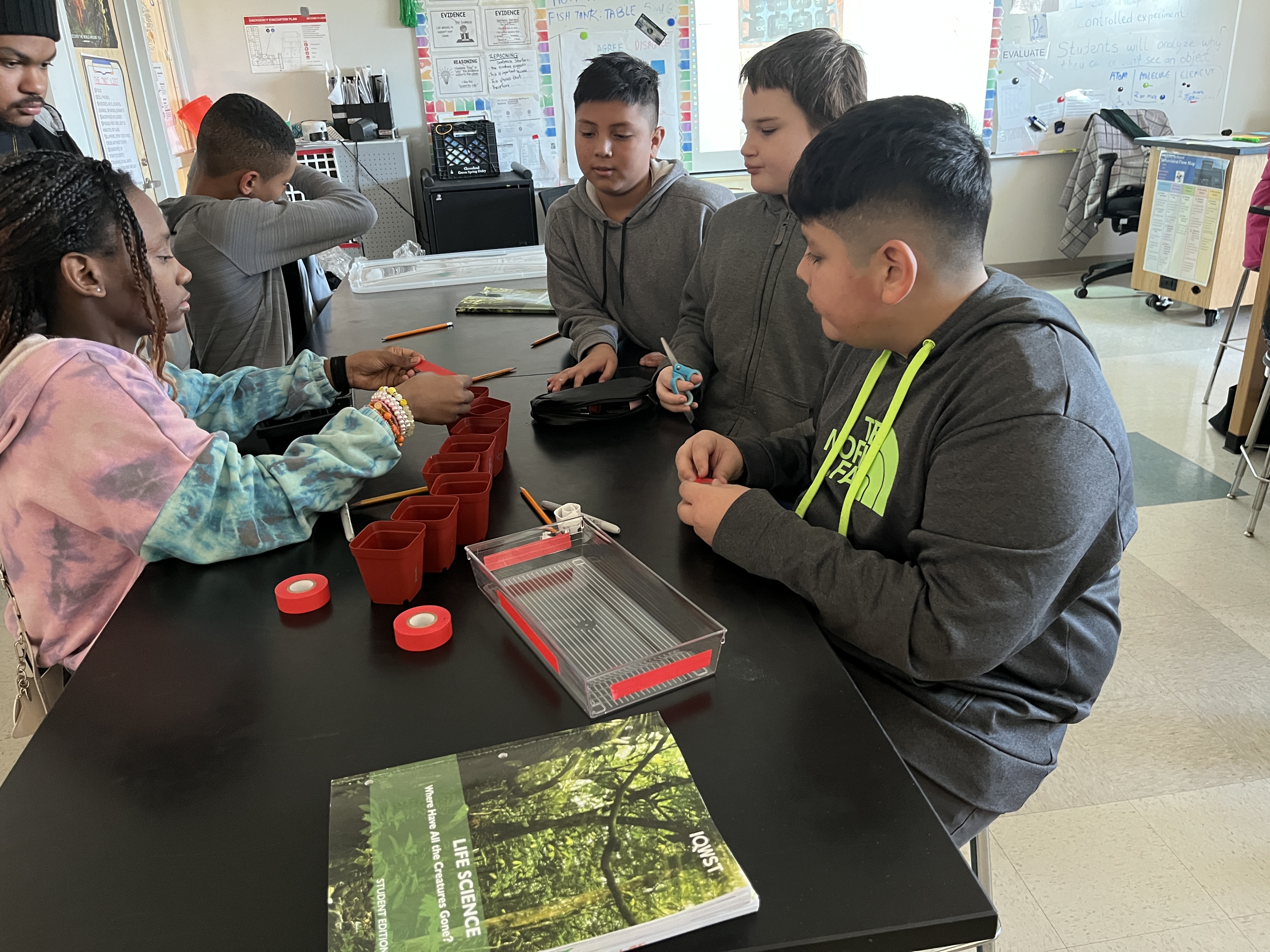
Planting Calopogon Orchid (Calopogon tuberosus)
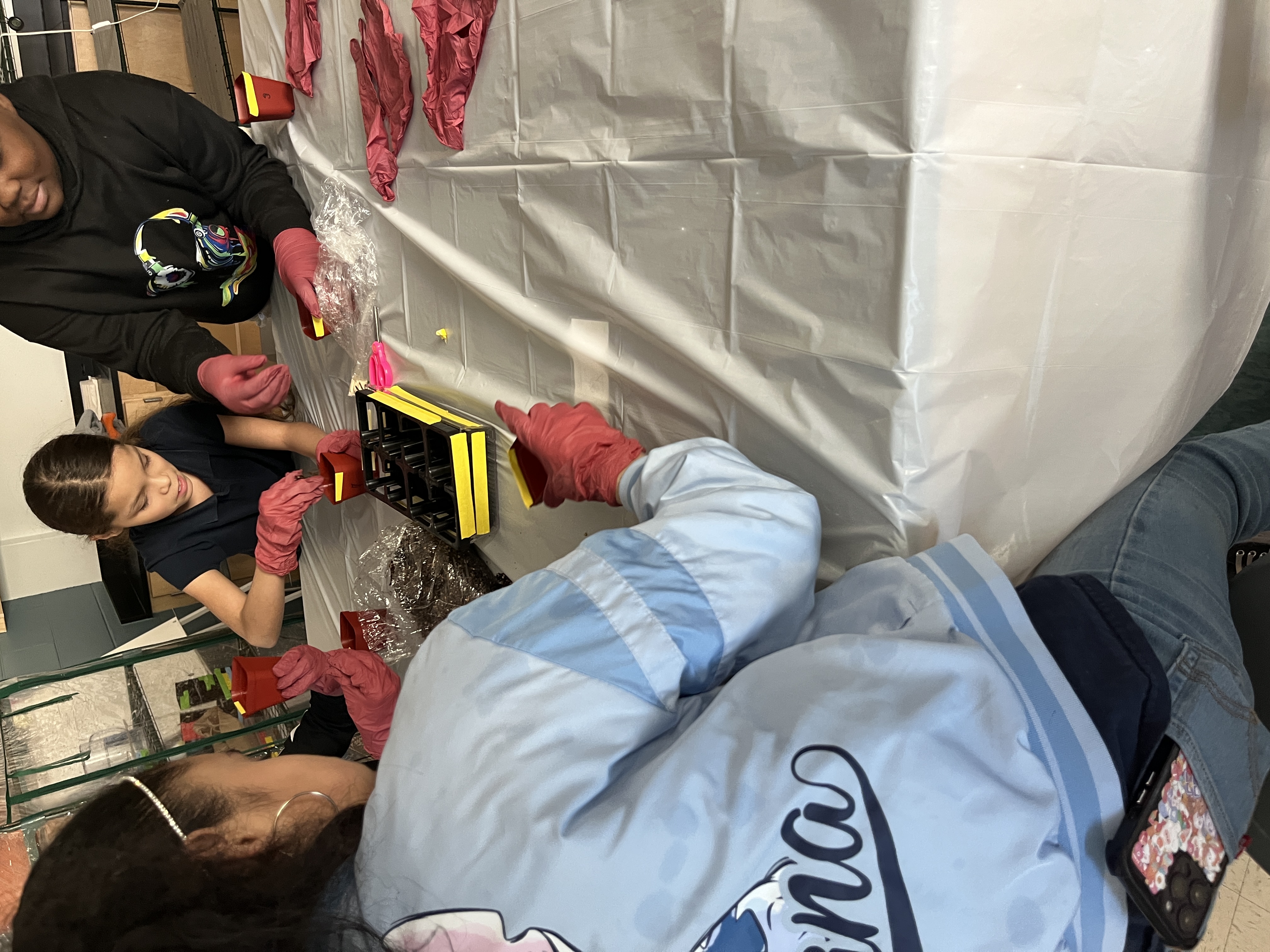
Planting Calopogon Orchid (Calopogon tuberosus)
2.5 Outdoor Learning Structures
2.5 Outdoor Learning Structures
We are moving the location of our school garden. Scholars had an opportunity to draw and write down their ideas of what they would like to be incorporated in our NEW outdoor garden/classroom area. They will be supporting with updating. We are naming it, painting and having a grand opening.
Scholars ideas and hopes for our new extended learning community.

Student ideas

Student ideas

Scholars supporting with garden beds.

Groups of scholars from multiple grades engaging in an out door learning session.

Students and parents come together to transform part of our grass field into a garden that is open to our school community.
Garden groundbreaking

Garden groundbreaking

Garden groundbreaking

Garden groundbreaking

Garden groundbreaking

Students explore various types of trees and shrubs as they walk, talk, draw and paint through the arboretum.
Bamboo!

Drawing parts of a flower

Enjoying the natural sounds in the arboretum while drawing

Student drawing plant structures.

Students drawing under the cover of trees

Students exploring painting technique as they try to paint what they see

Students explore interactions between producers, consumers and decomposers on a farm where they can feed the consumers with plants and throw the waste into a compost piles
Planting
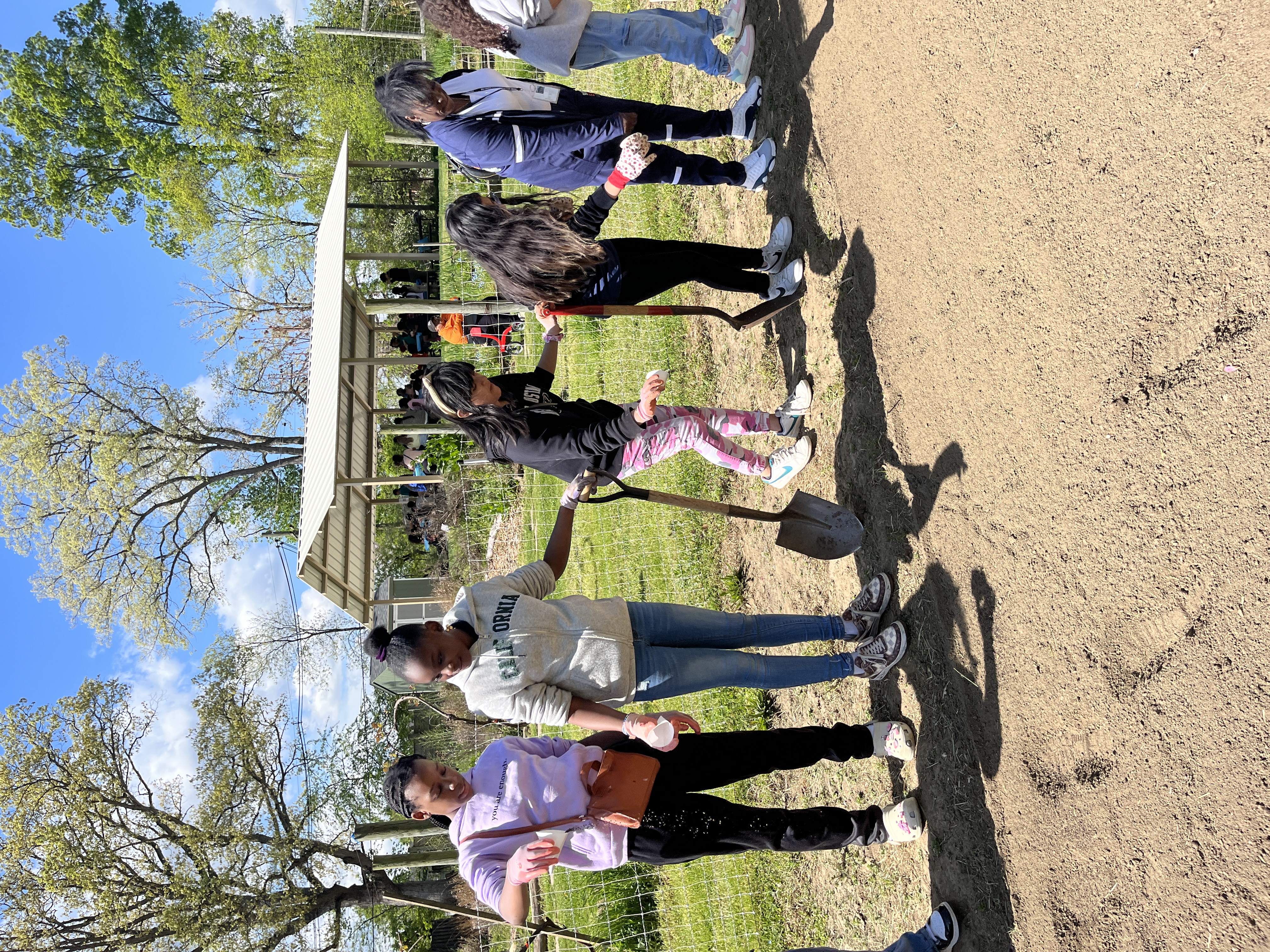
What consumers eat
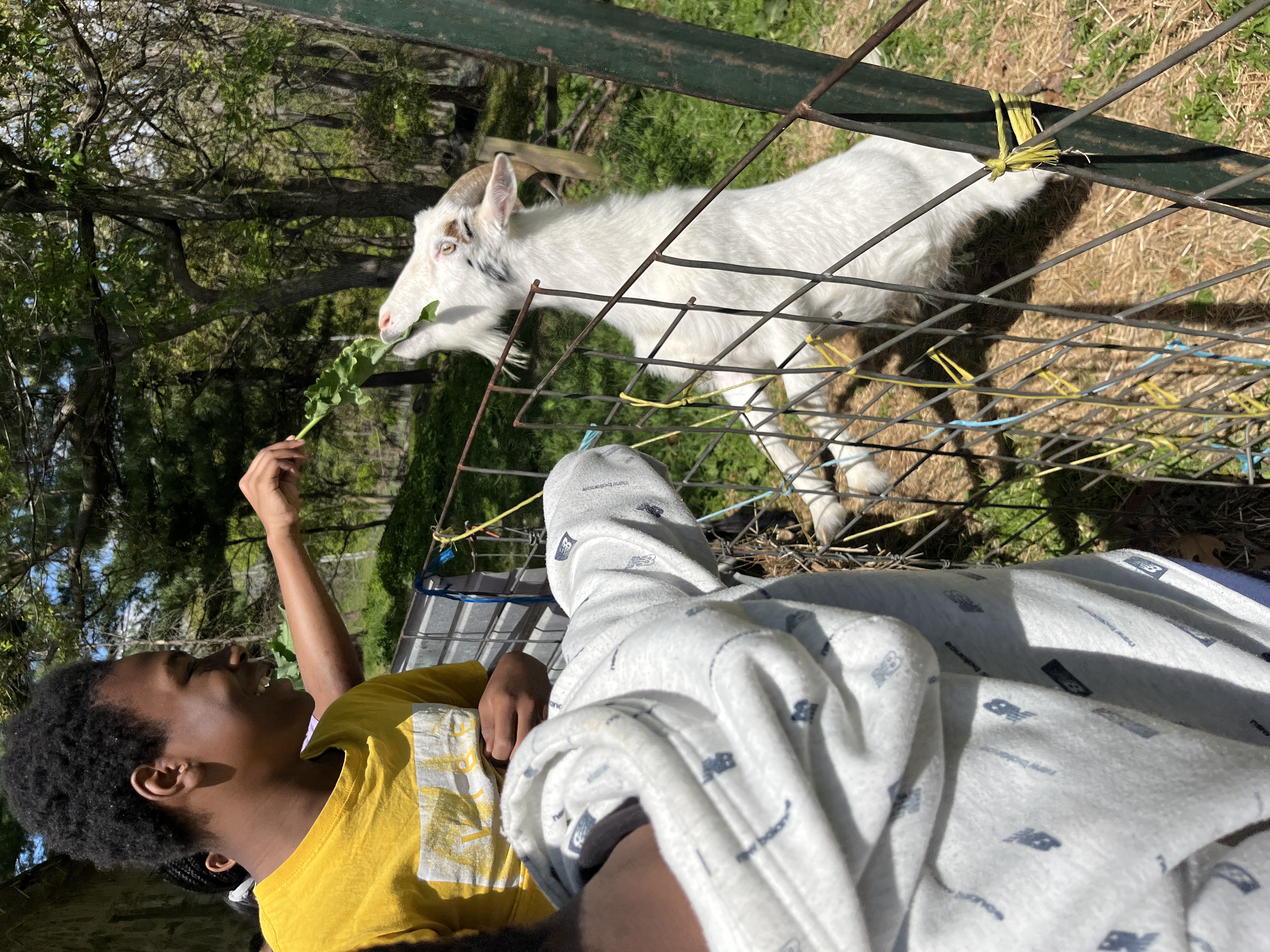
What consumers eat
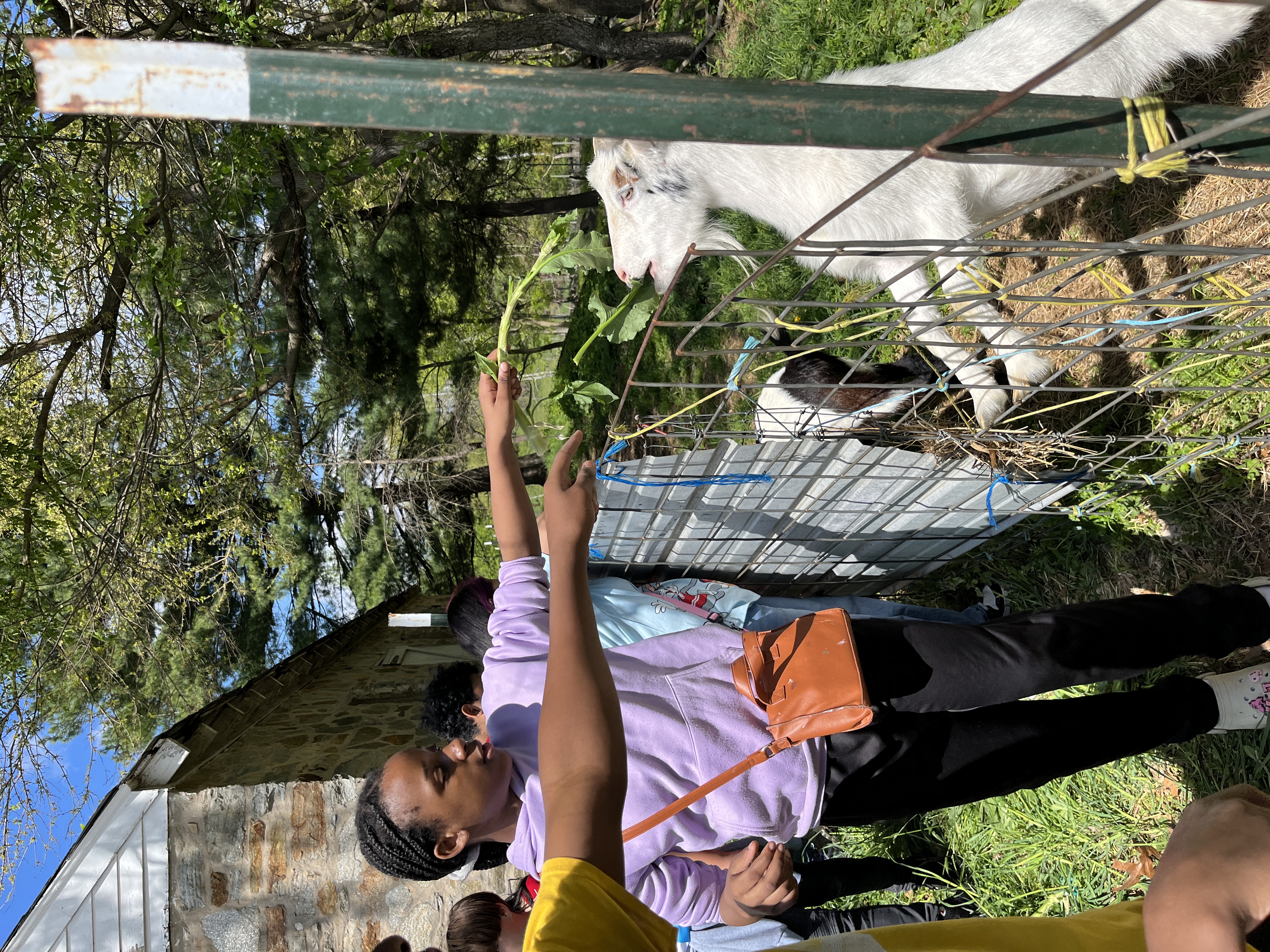
What consumers eat
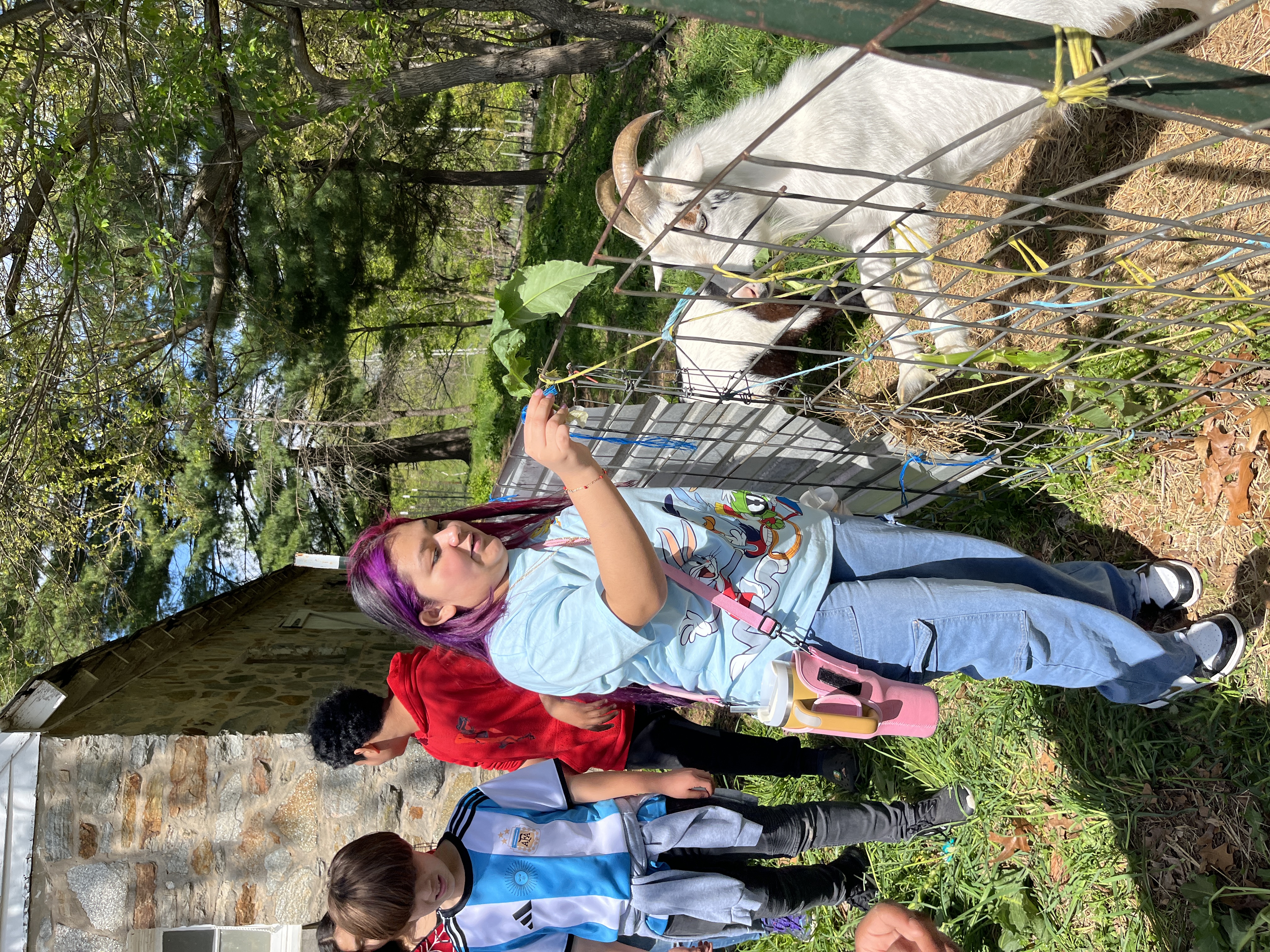
2.6 Responsible Transportation
2.6 Responsible Transportation
No records were added by the school.
2.7 Healthy Indoor Environments
2.7 Healthy Indoor Environments
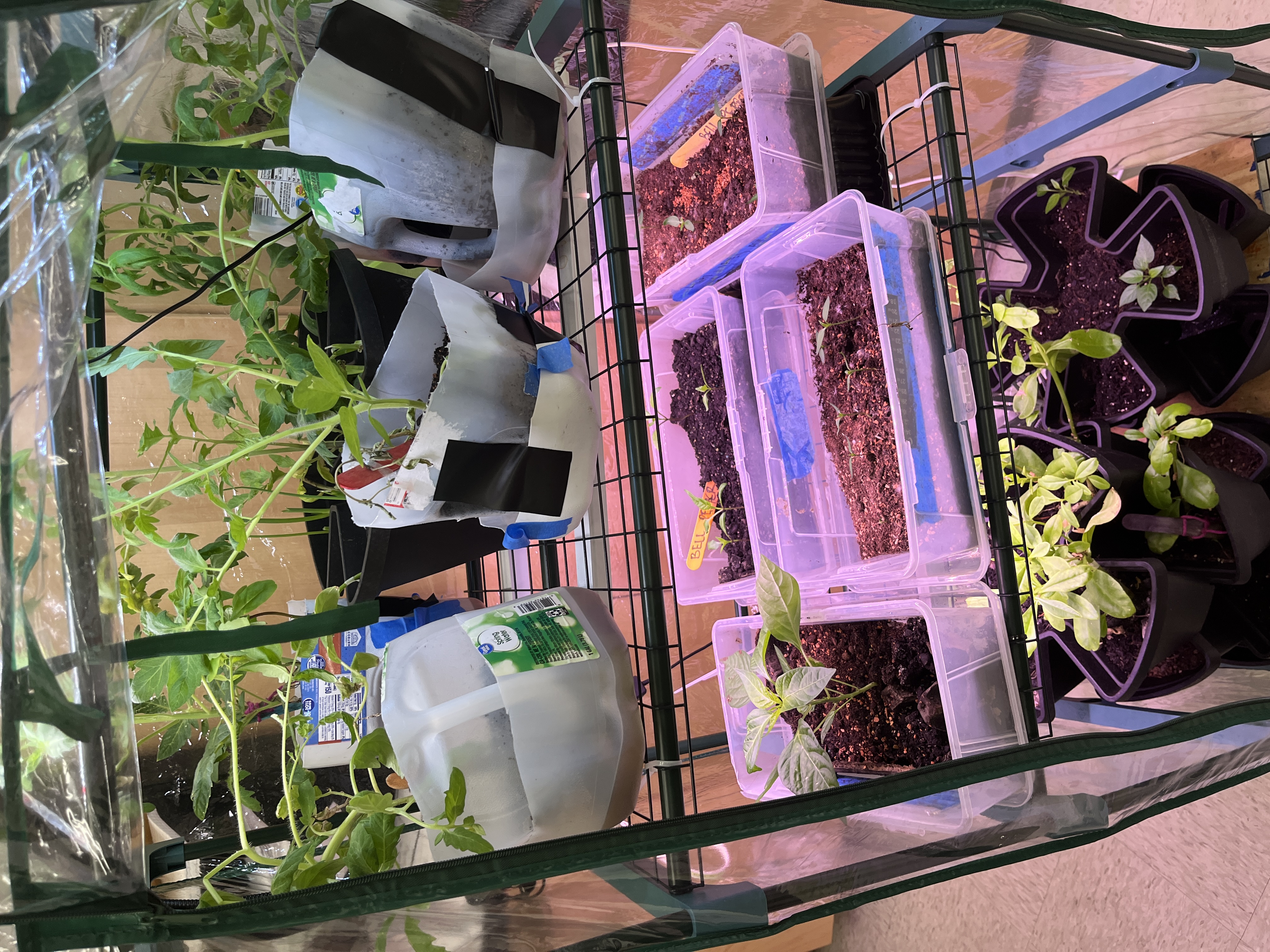
We are growing plants indoors to support purify air and provide more healthy options for farm to table eating options.
Scholars are leading the work by planting and taking care of our indoor plants. They are part of our classroom and learning community throughout the school year.
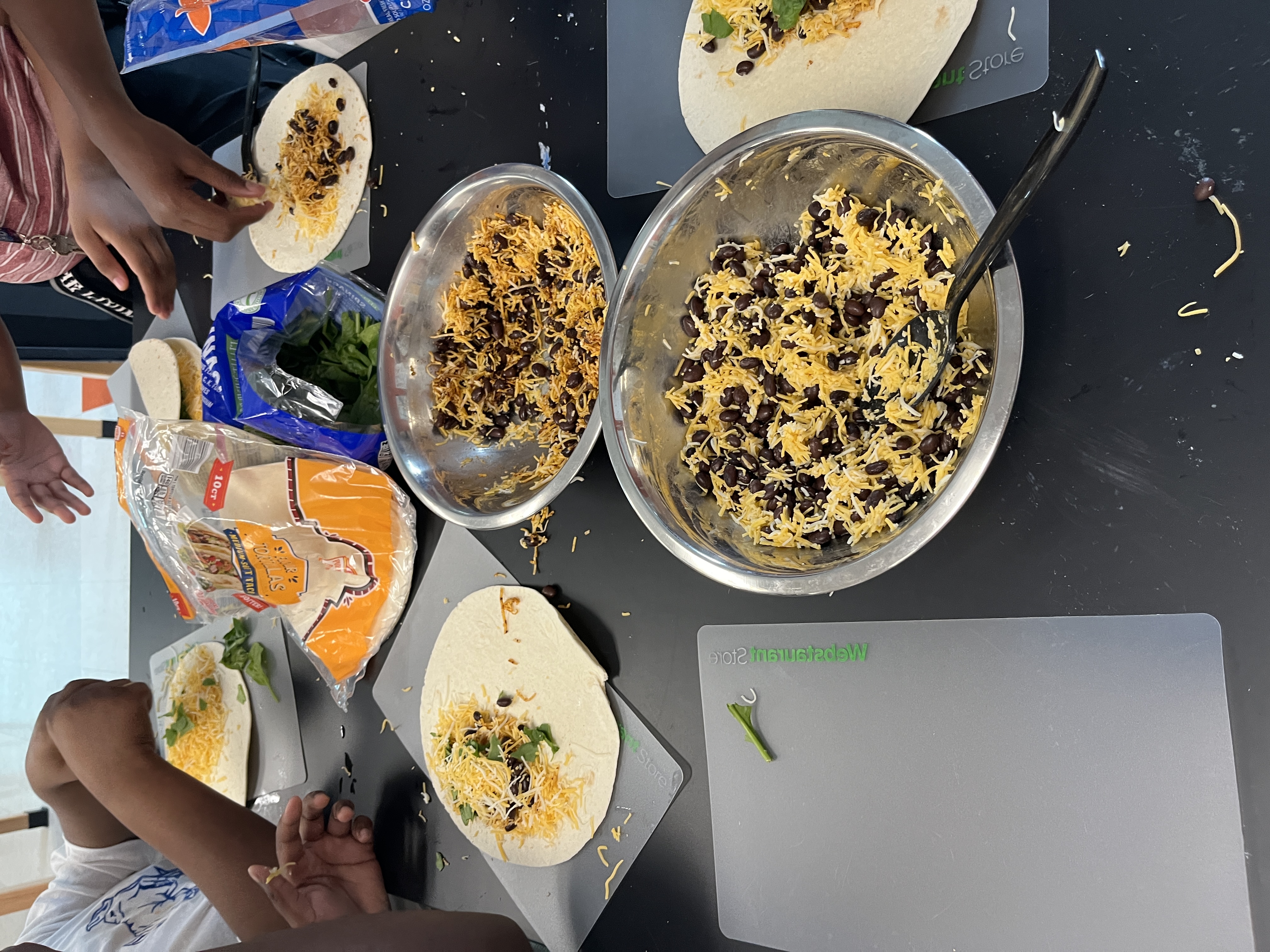
Students prepared quesadillas.
Using healthy foods to prepare nutritious meals
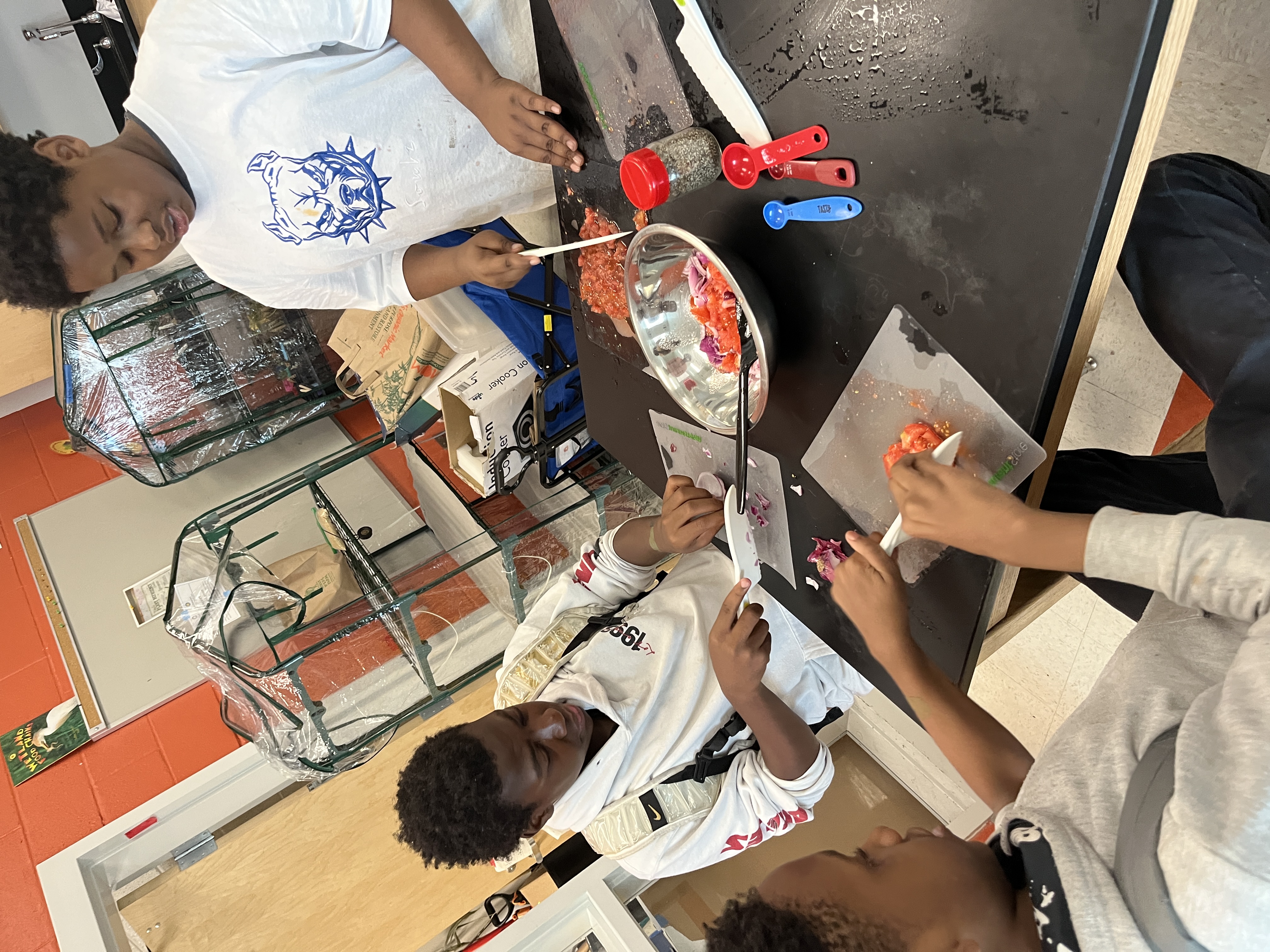
Mixing beans and cheese to set aside and add other ingredients
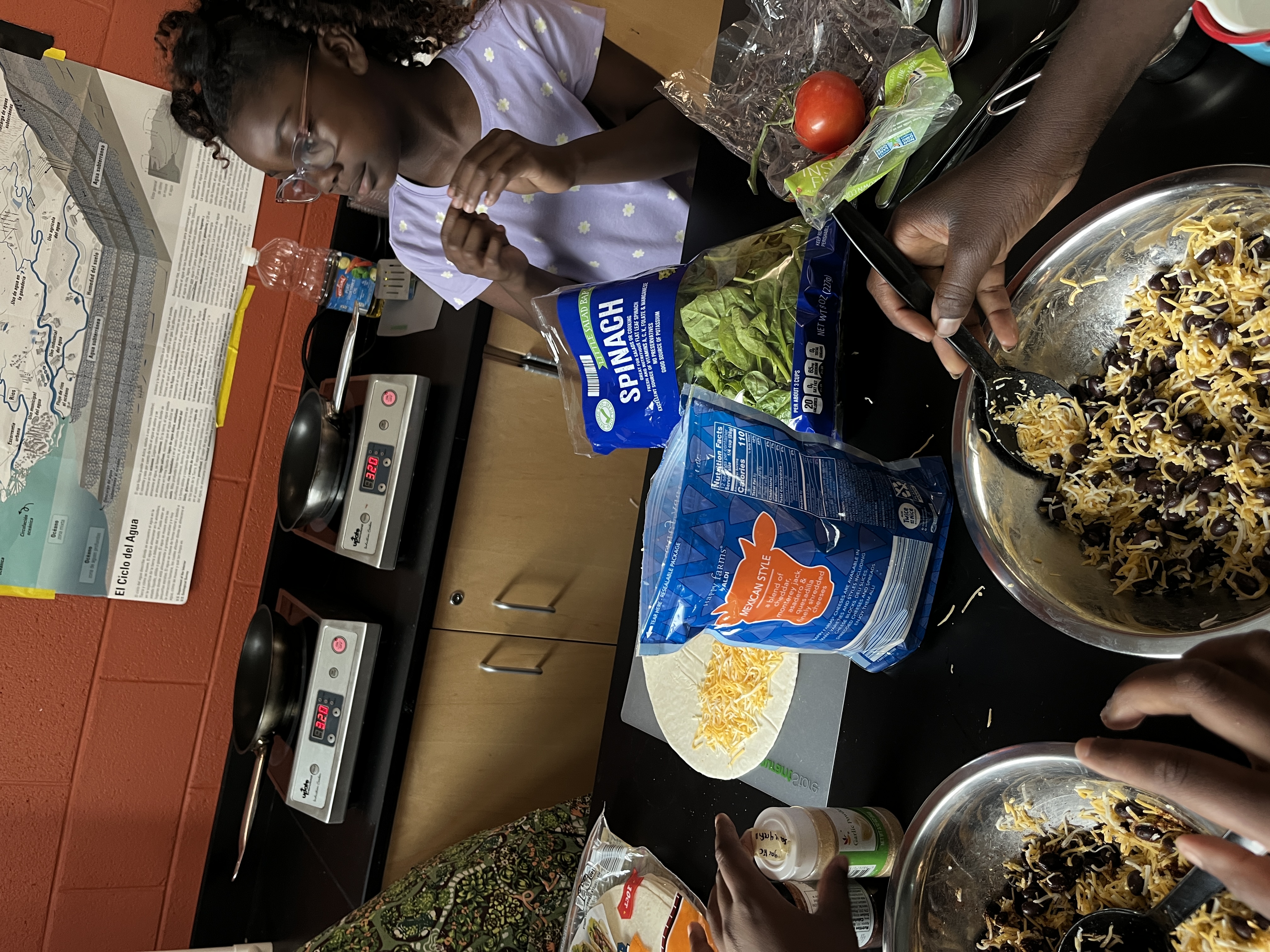
Ingredients are ready
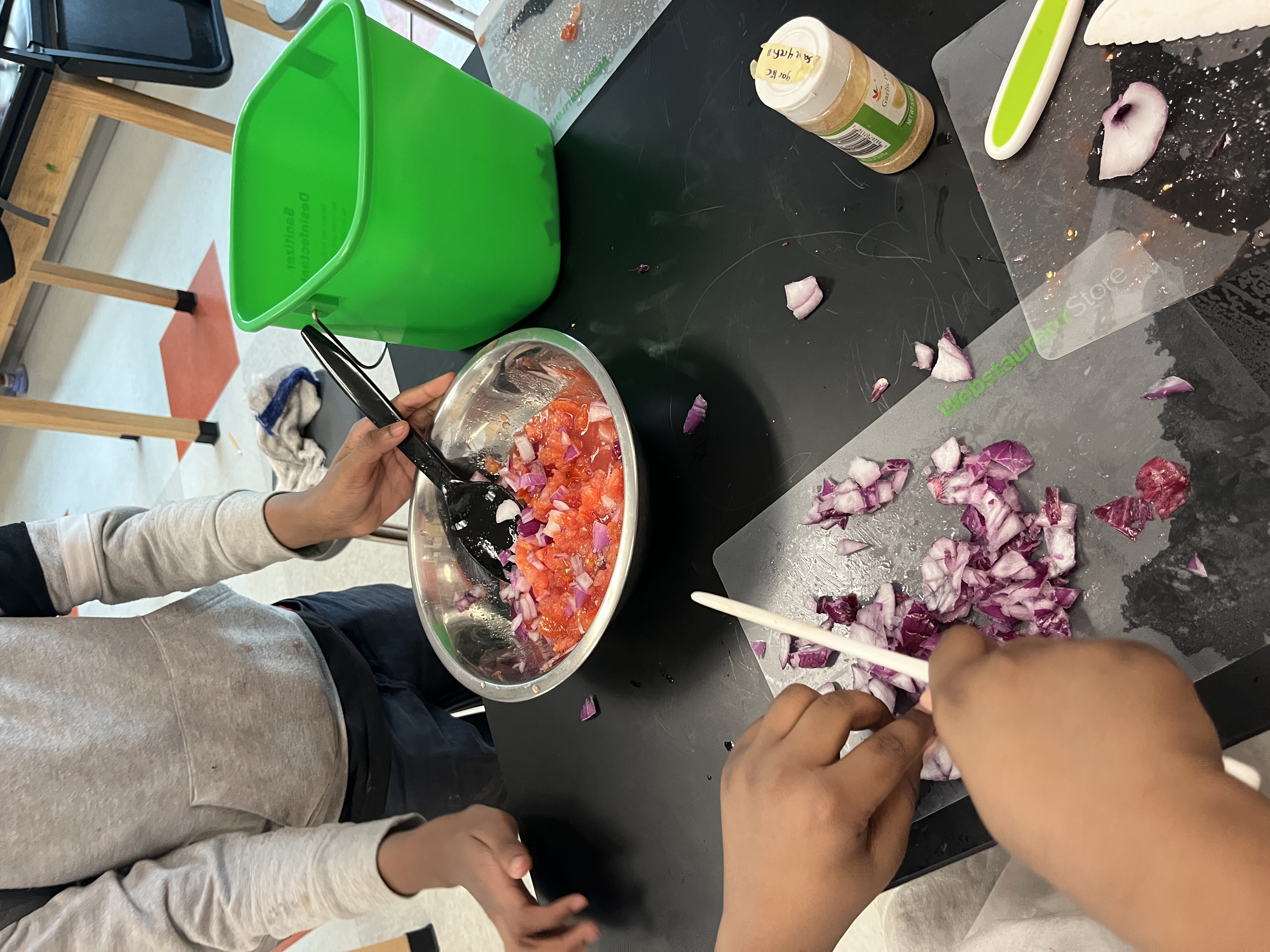
Time to heat it up.
We held a popcorn party in which corn was brought from the farm, students got an opportunity to plant some lettuce, chop some herbs, and season and eat their popcorn.
Making extra healthy snacks to go with the popcorn
Students from various grades mixing their own popcorn flavor.
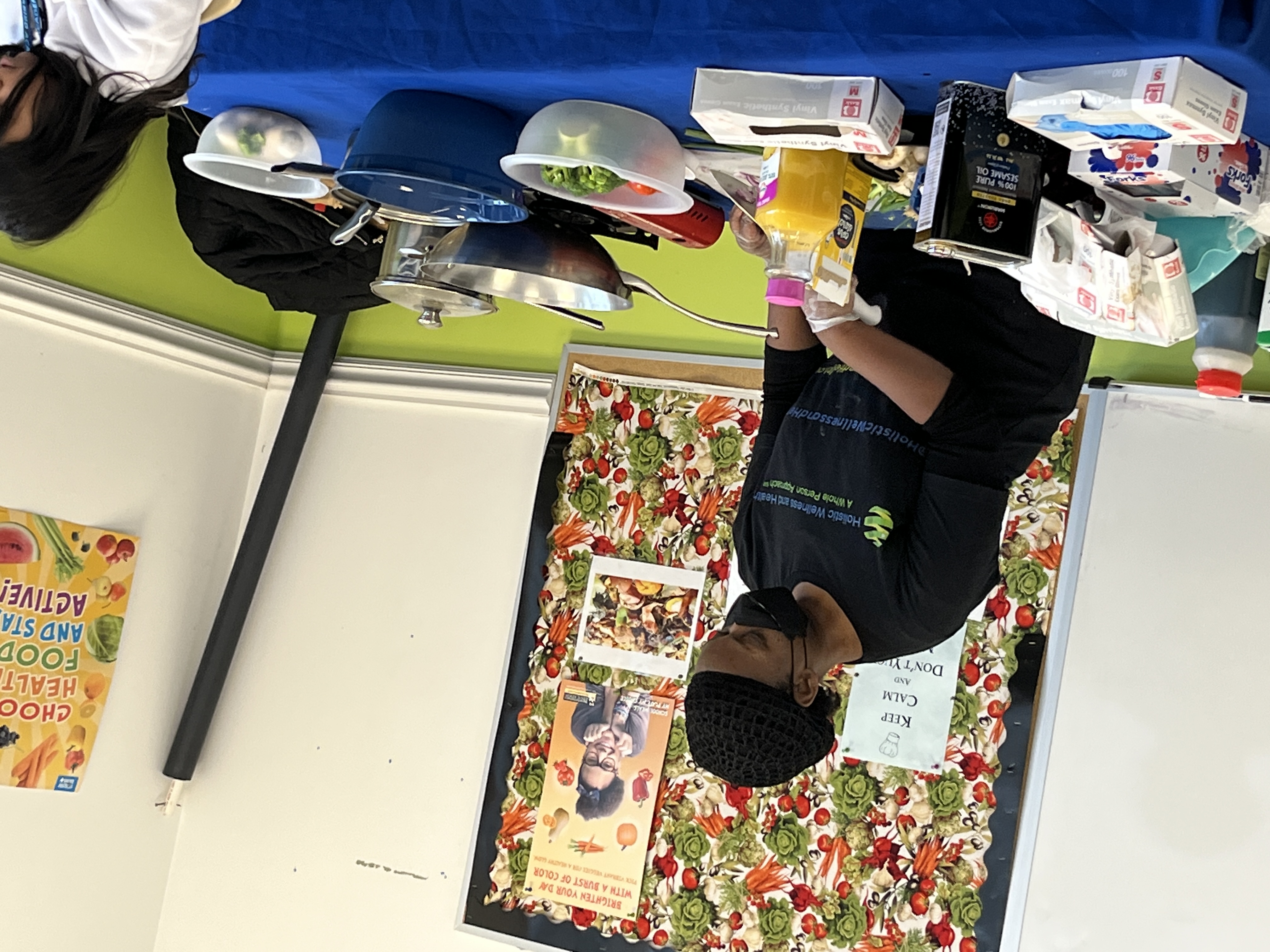
Students attended a cooking workshop at Great Kids Farms in which a local chef prepared food for students using healthy herbs while talking with students about healthy students. Student took food scraps from the cooking lesson to replant in their indoor garden.
Teaching students to cook
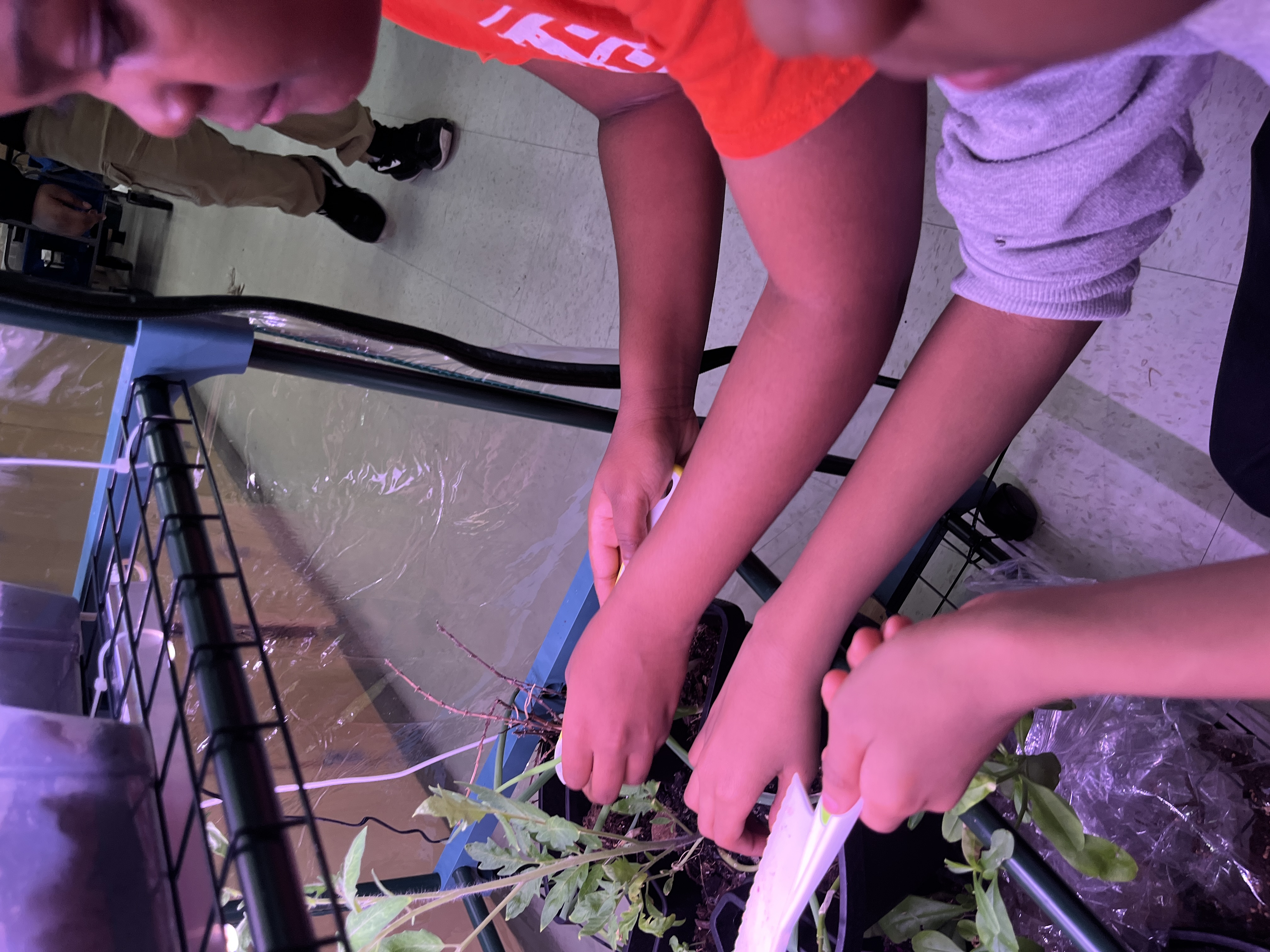
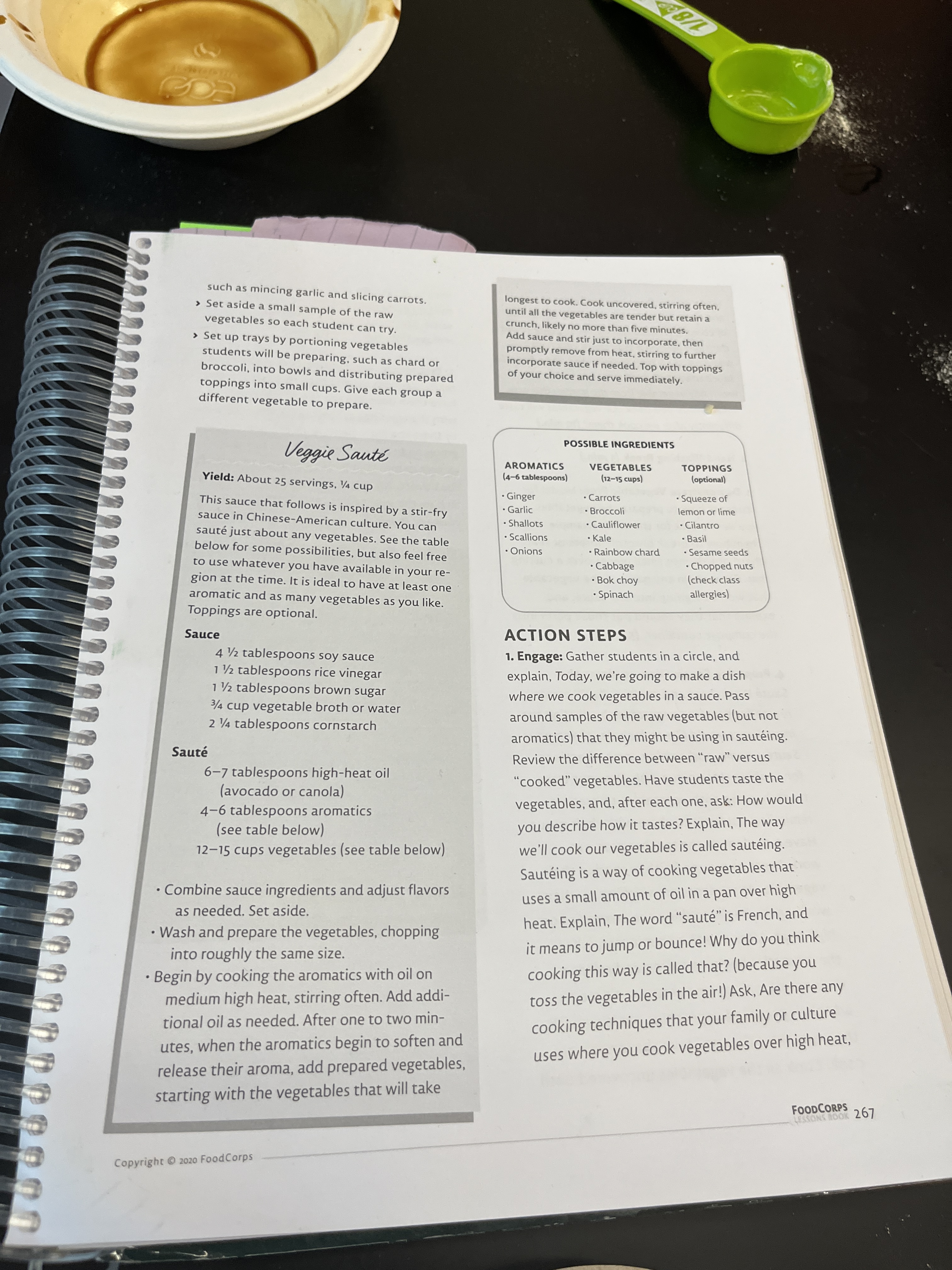
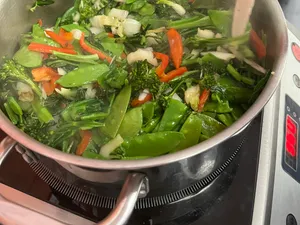
Green team members harvested herbs from our indoor garden and incorporated them into our veggie saute recipe
Students harvesting herbs to cook with from our indoor garden, managed by our school Green Team
Some more ingredients
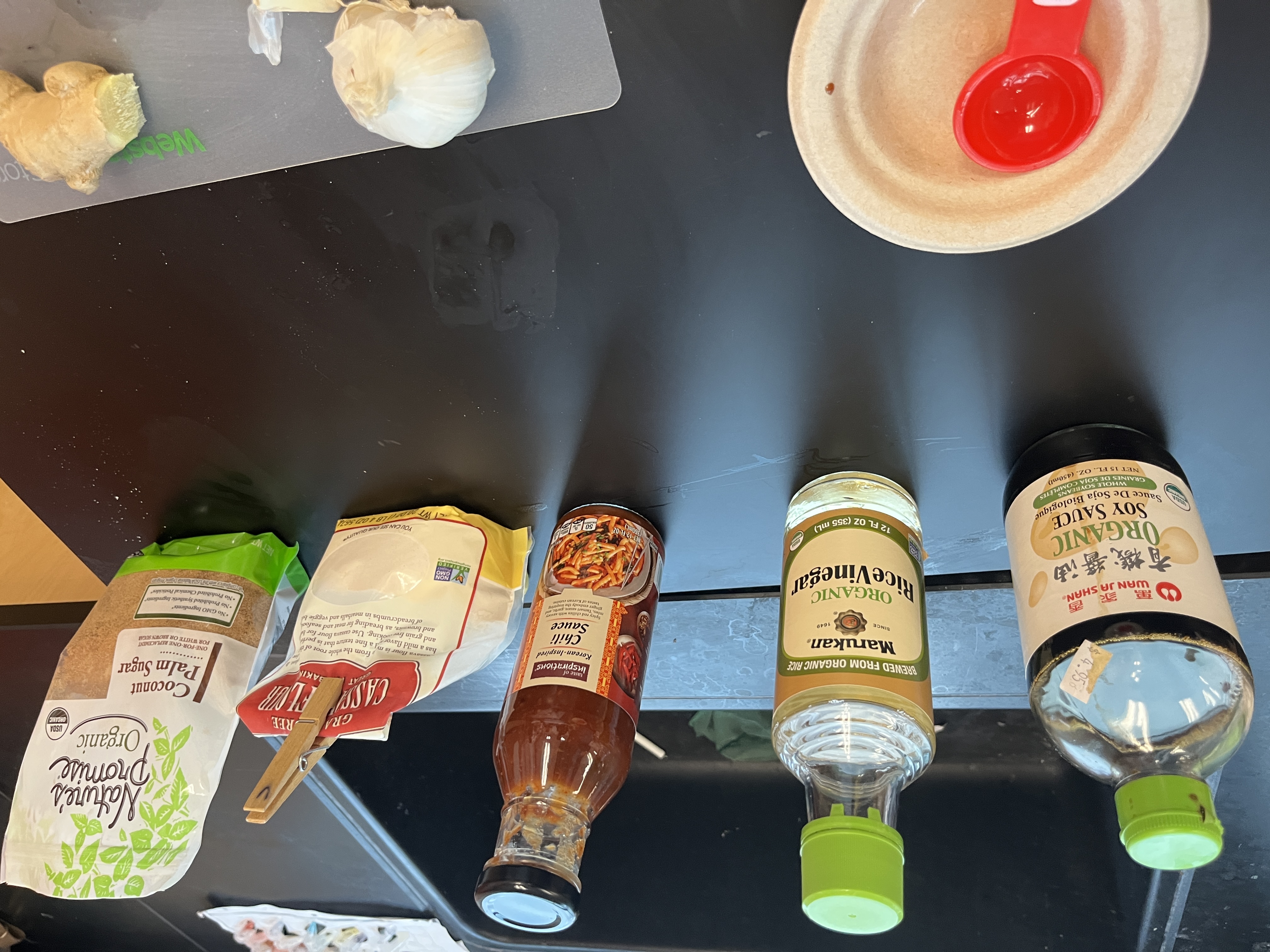
The original Veggie Saute recipe.
Stir fry is ready!
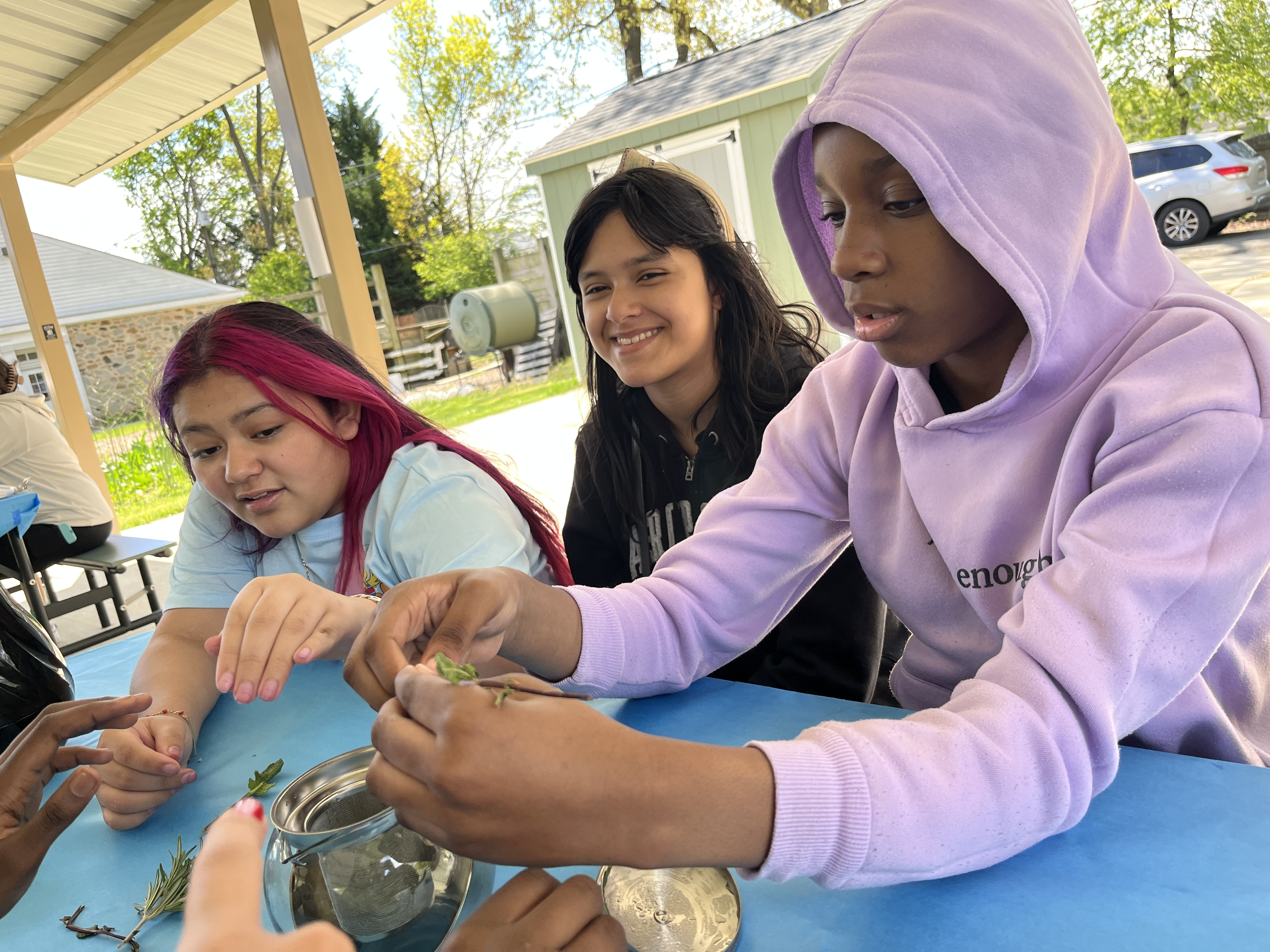
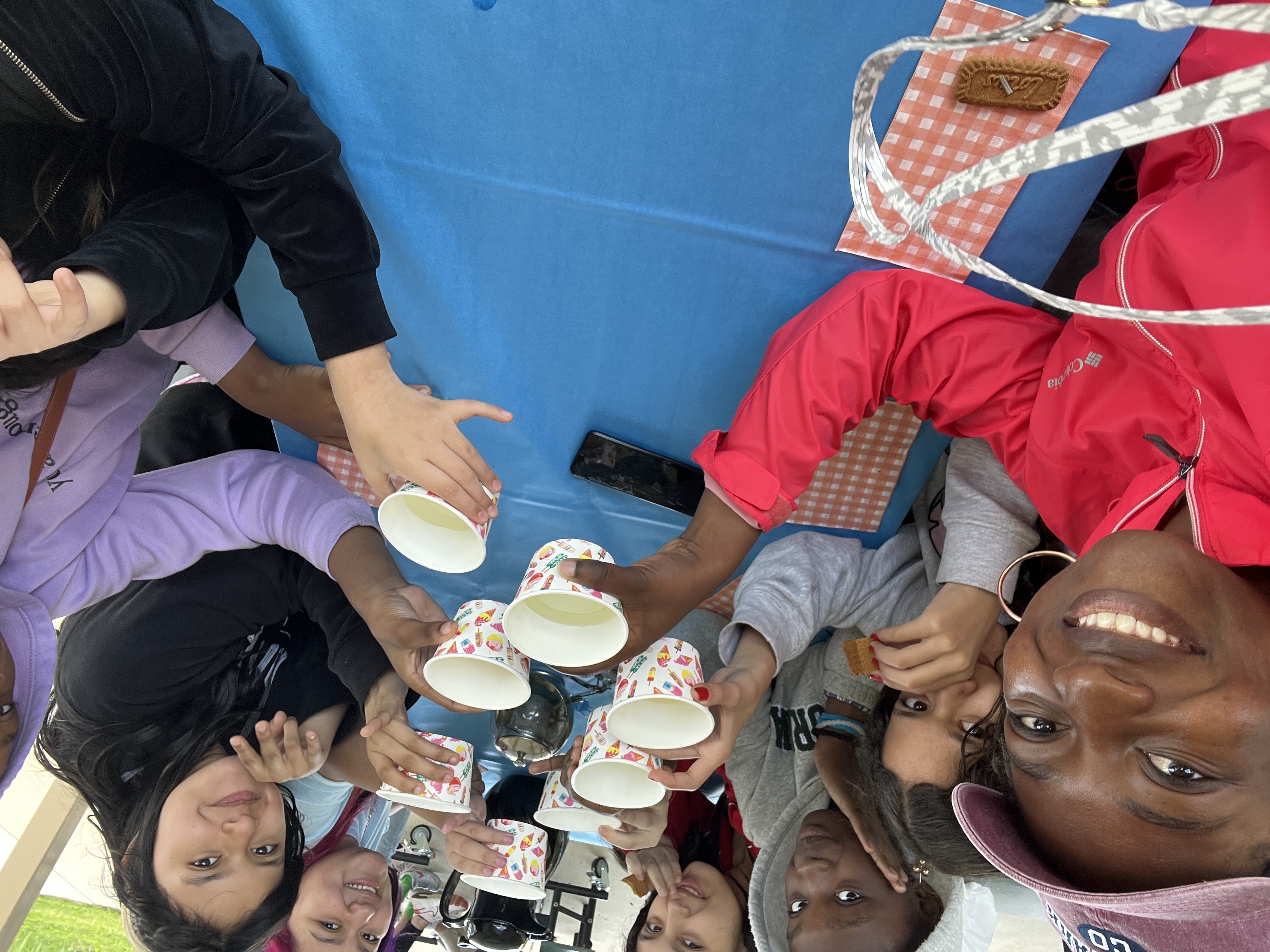
Students explored different herbs and chose which ones to make tea with
Exploring herbs of different flavors and putting the most preferred herbs into the tea pot to make tea.
Getting ready to taste the tea.
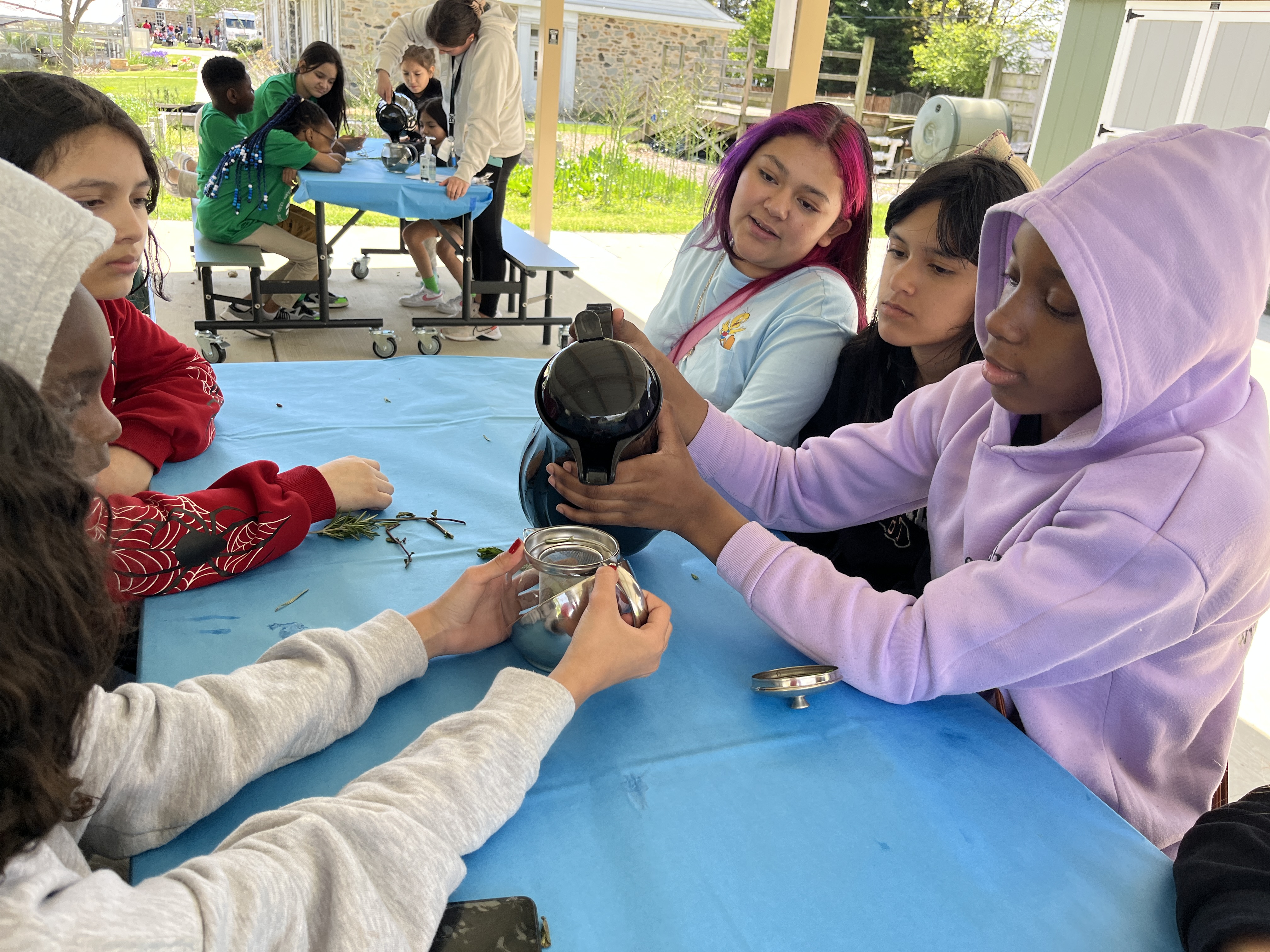
Delicious tea prepared by students with locally grown ingredients.
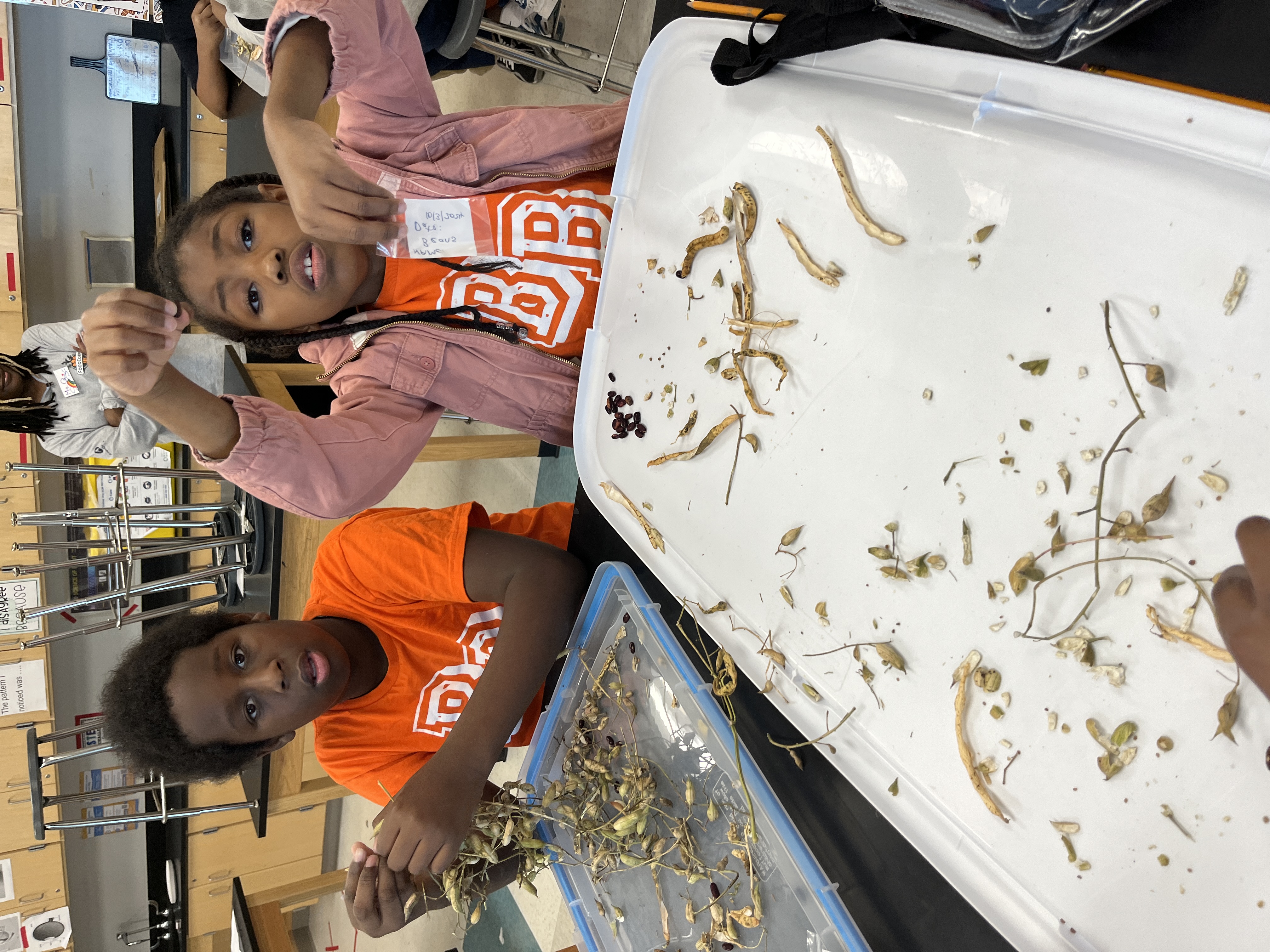
In the fall, Green Team members were able to store seeds from the radishes and beans that they had planted over the previous summer
Packaging the seeds to replant again later.
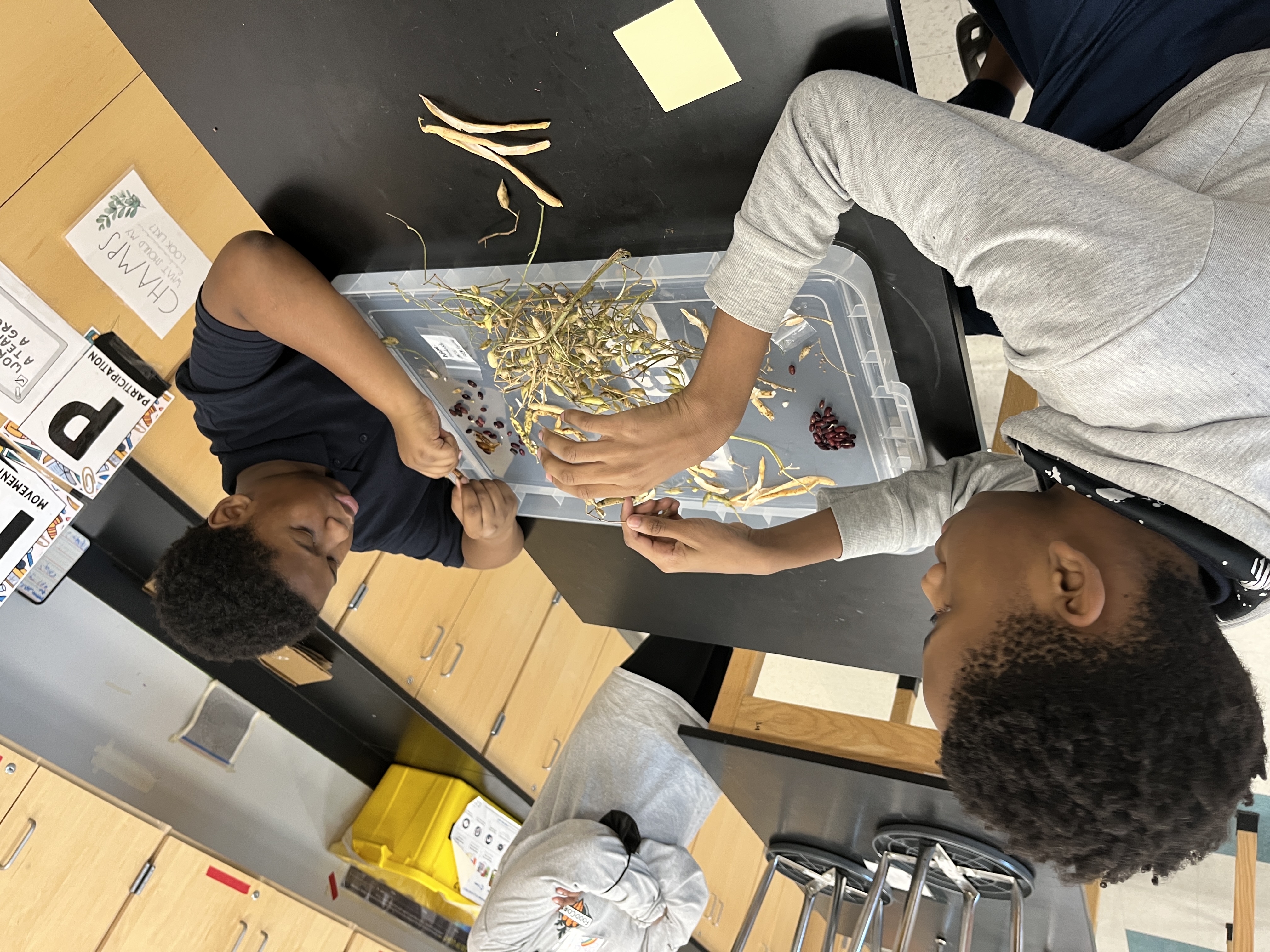
Removing seeds from their pods
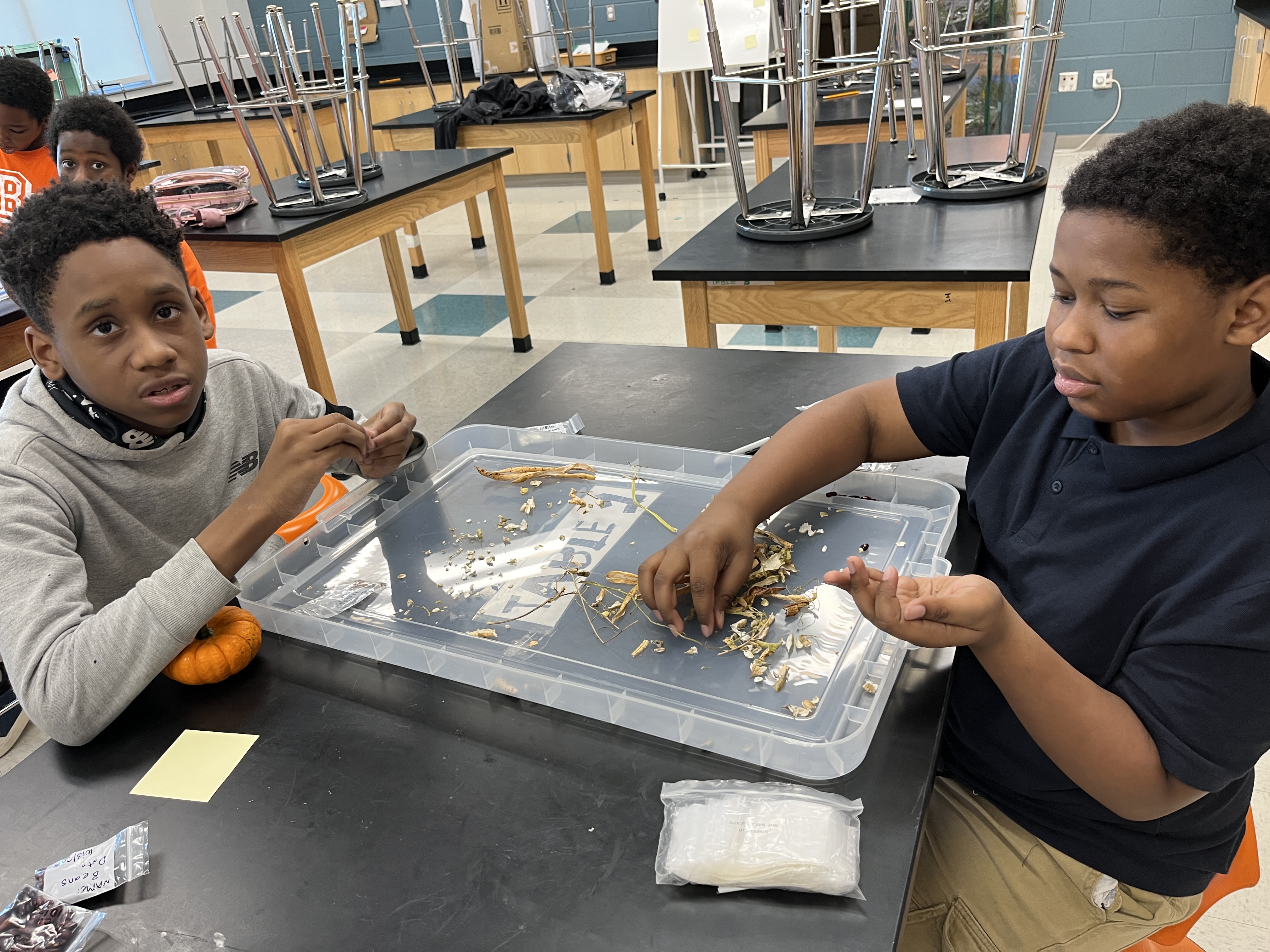
Last year's cultivation, this year's harvest.
Students do a hands-on cooking lesson and talk about how plants take energy from the sun, convert carbon dioxide and sugar to help them grow and they store energy .
While making breakfast tacos, students trace the different trophic levels of all the ingredients in the recipe that we are using to cook.
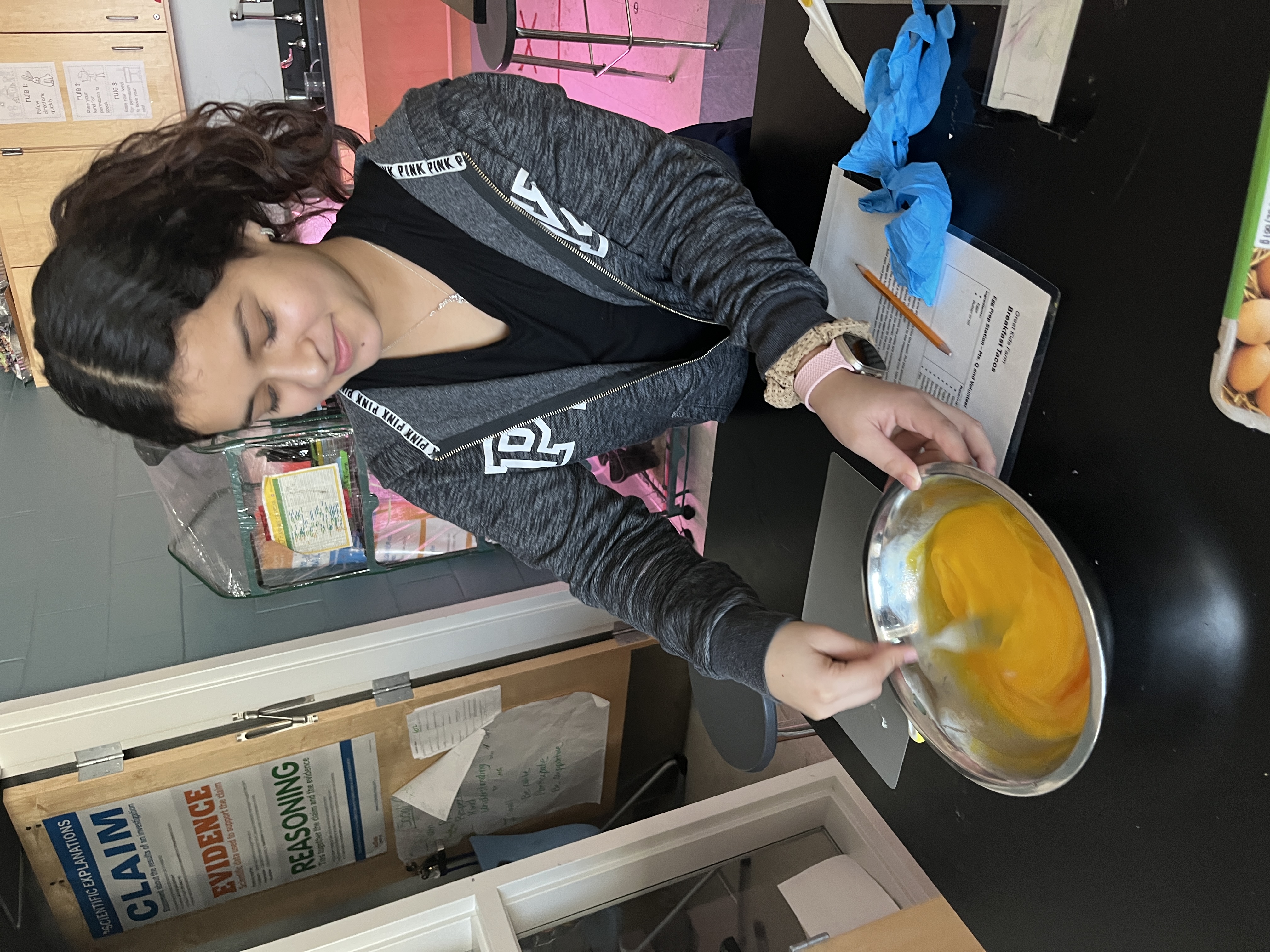
While making breakfast tacos, students trace the different trophic levels of all the ingredients in the recipe that we are using to cook.
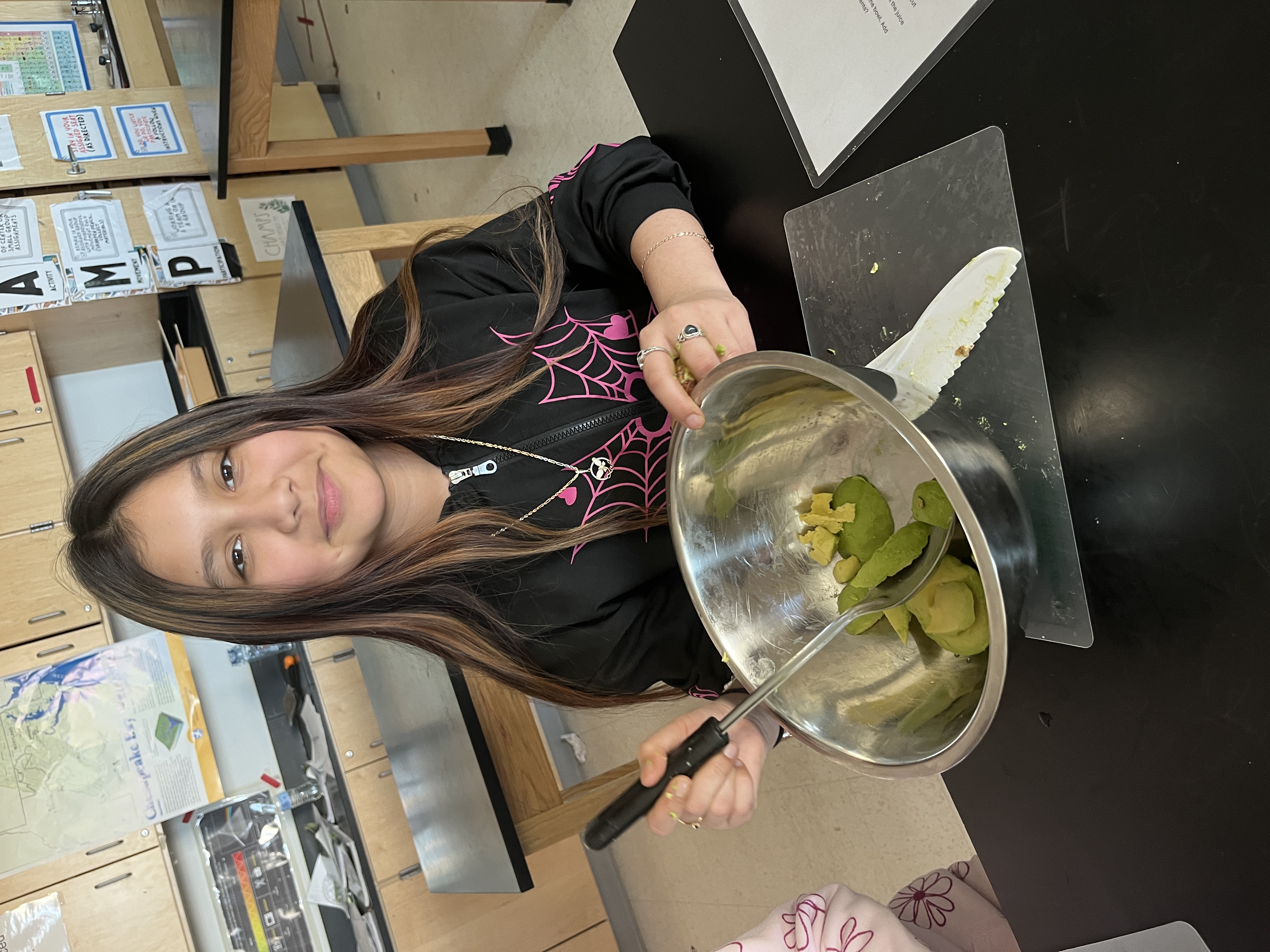
While making breakfast tacos, students trace the different trophic levels of all the ingredients in the recipe that we are using to cook.
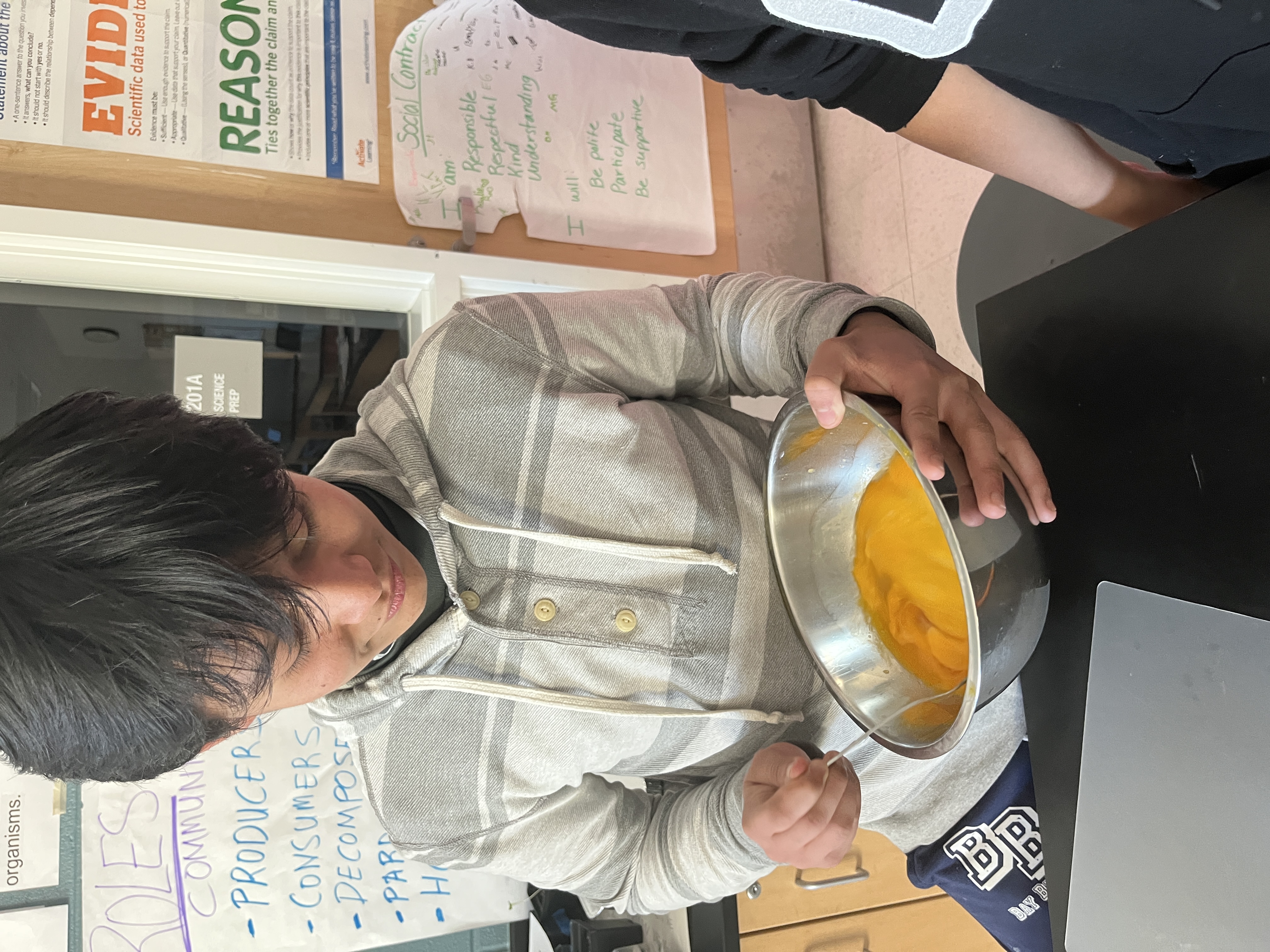
While making breakfast tacos, students trace the different trophic levels of all the ingredients in the recipe that we are using to cook.
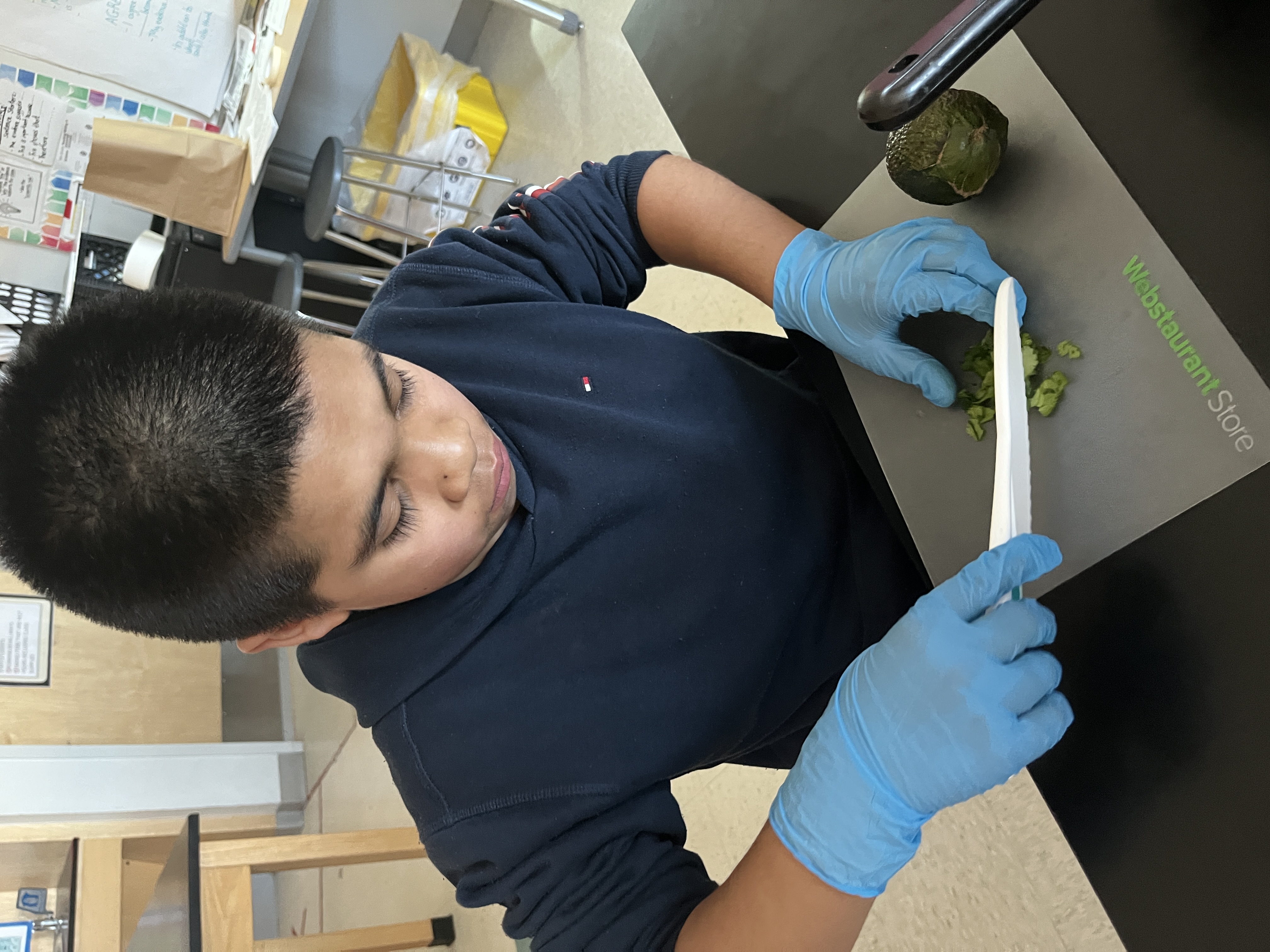
While making breakfast tacos, students trace the different trophic levels of all the ingredients in the recipe that we are using to cook.
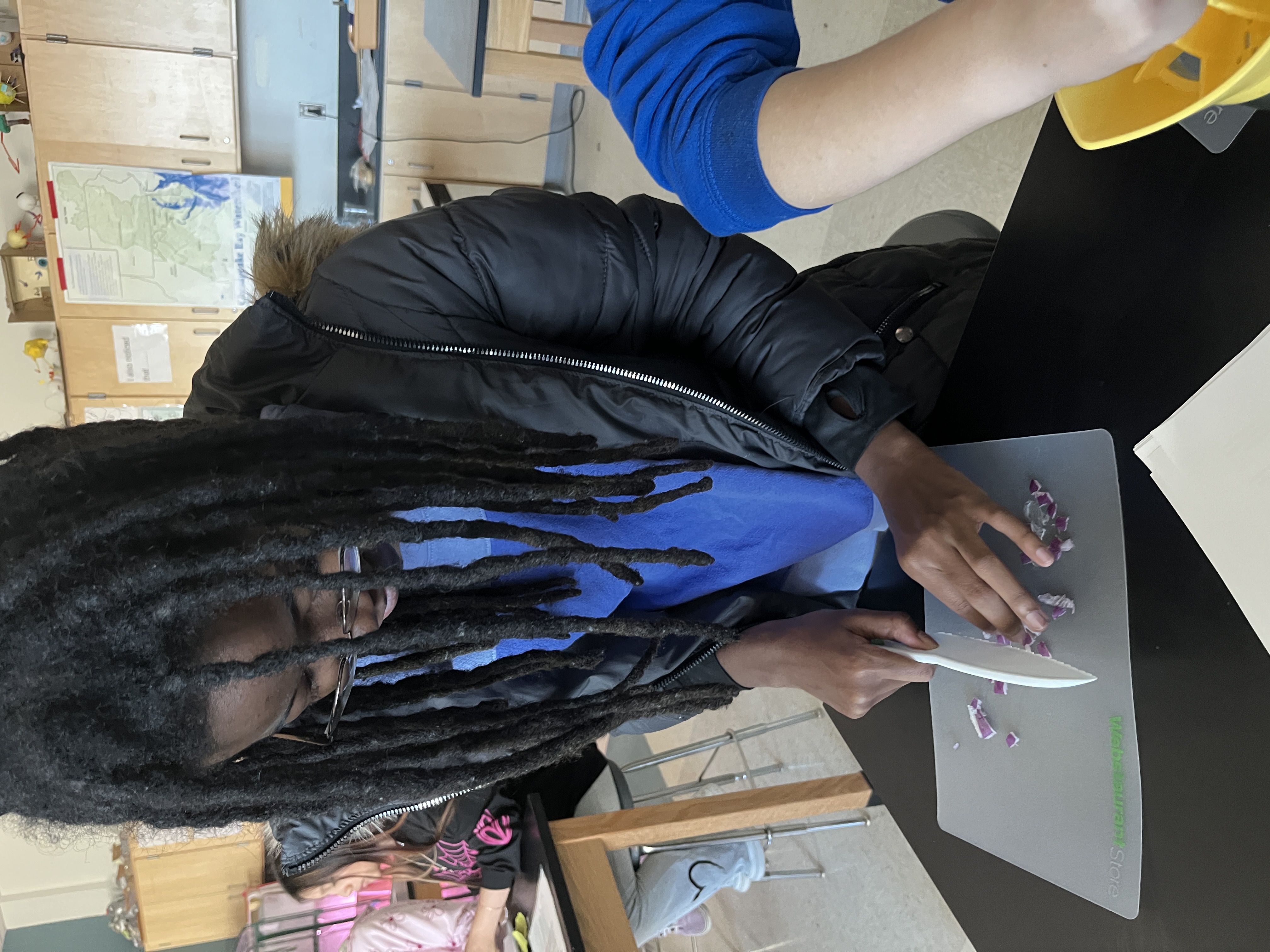
While making breakfast tacos, students trace the different trophic levels of all the ingredients in the recipe that we are using to cook.
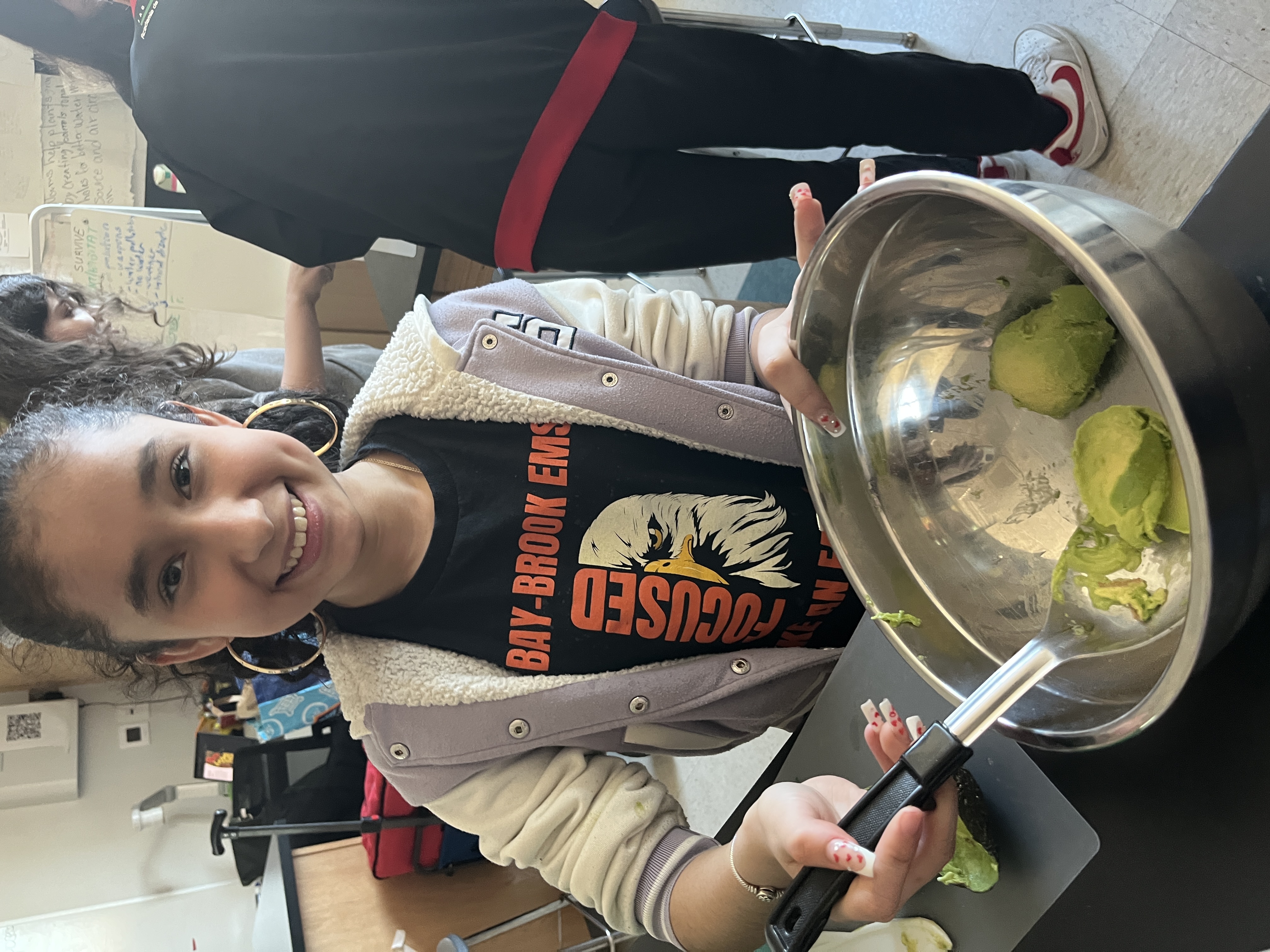
While making breakfast tacos, students trace the different trophic levels of all the ingredients in the recipe that we are using to cook.
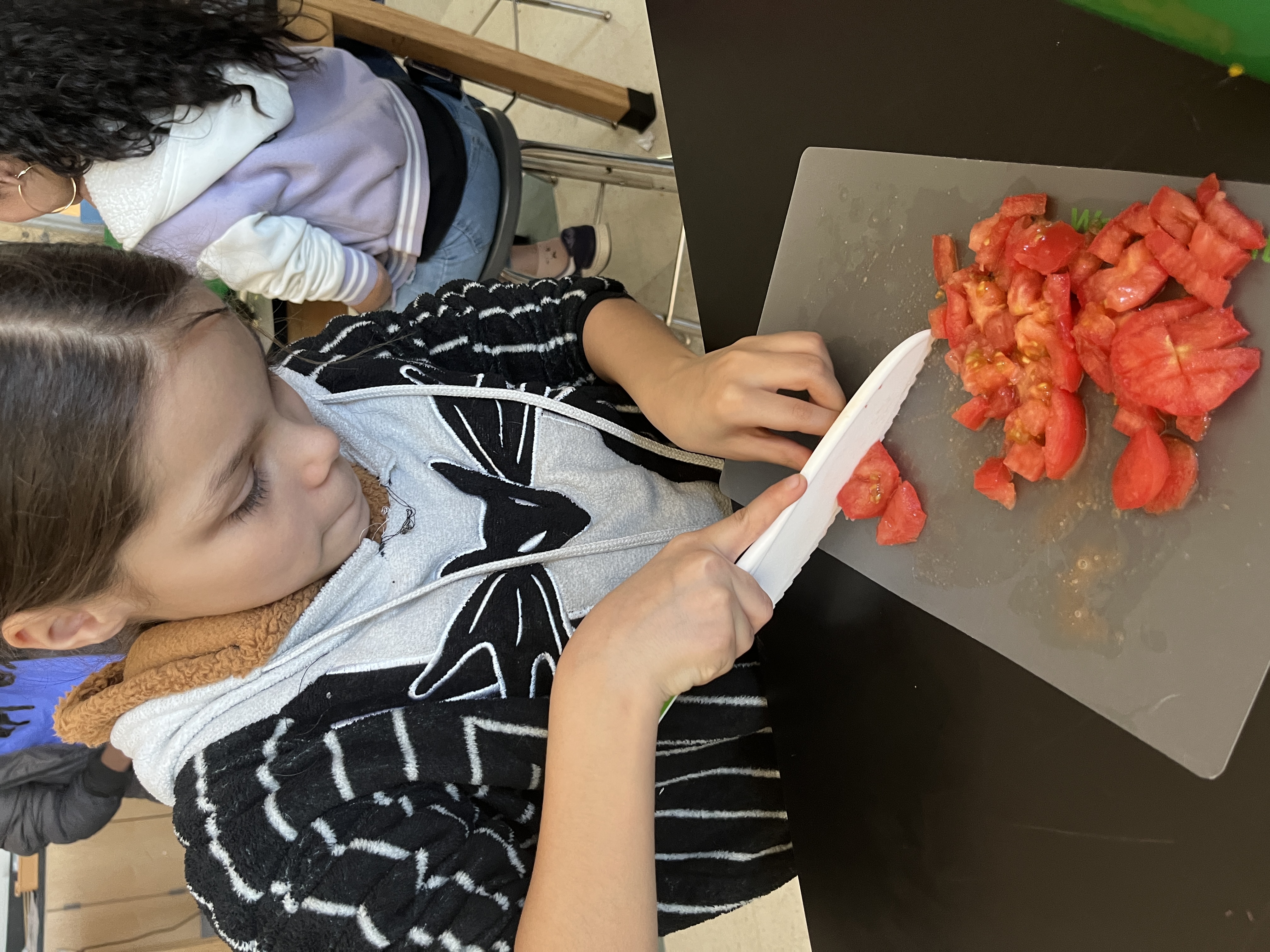
While making breakfast tacos, students trace the different trophic levels of all the ingredients in the recipe that we are using to cook.
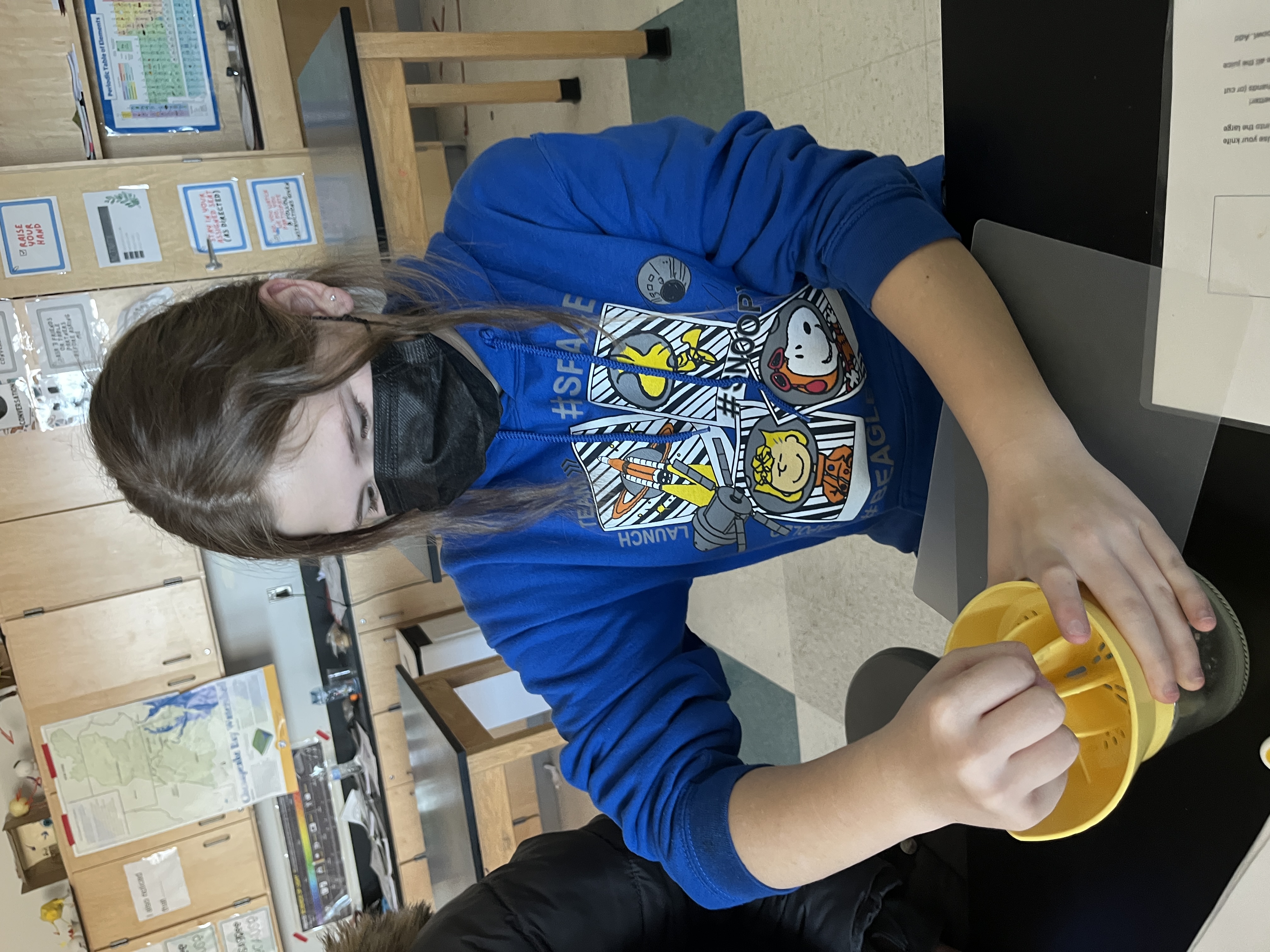
2.8 Participatory/Community Science
2.8 Participatory/Community Science
In 2024 and 2025, students participating in the project in Maryland and Washington, DC, collect data to help researchers better understand native orchids. The goal of this experiment is to determine the most effective soil conditions for orchids’ growth and survivorship and that best support the fungi orchids rely heavily on for growth.
In 2024, students experimented with grass pink orchids (Calopogon tuberosus). In nature, all orchids require mycorrhizal fungi in order to grow and reproduce. However, in labs and greenhouses, researchers have sometimes found it challenging to find the right balance of orchids and fungi.
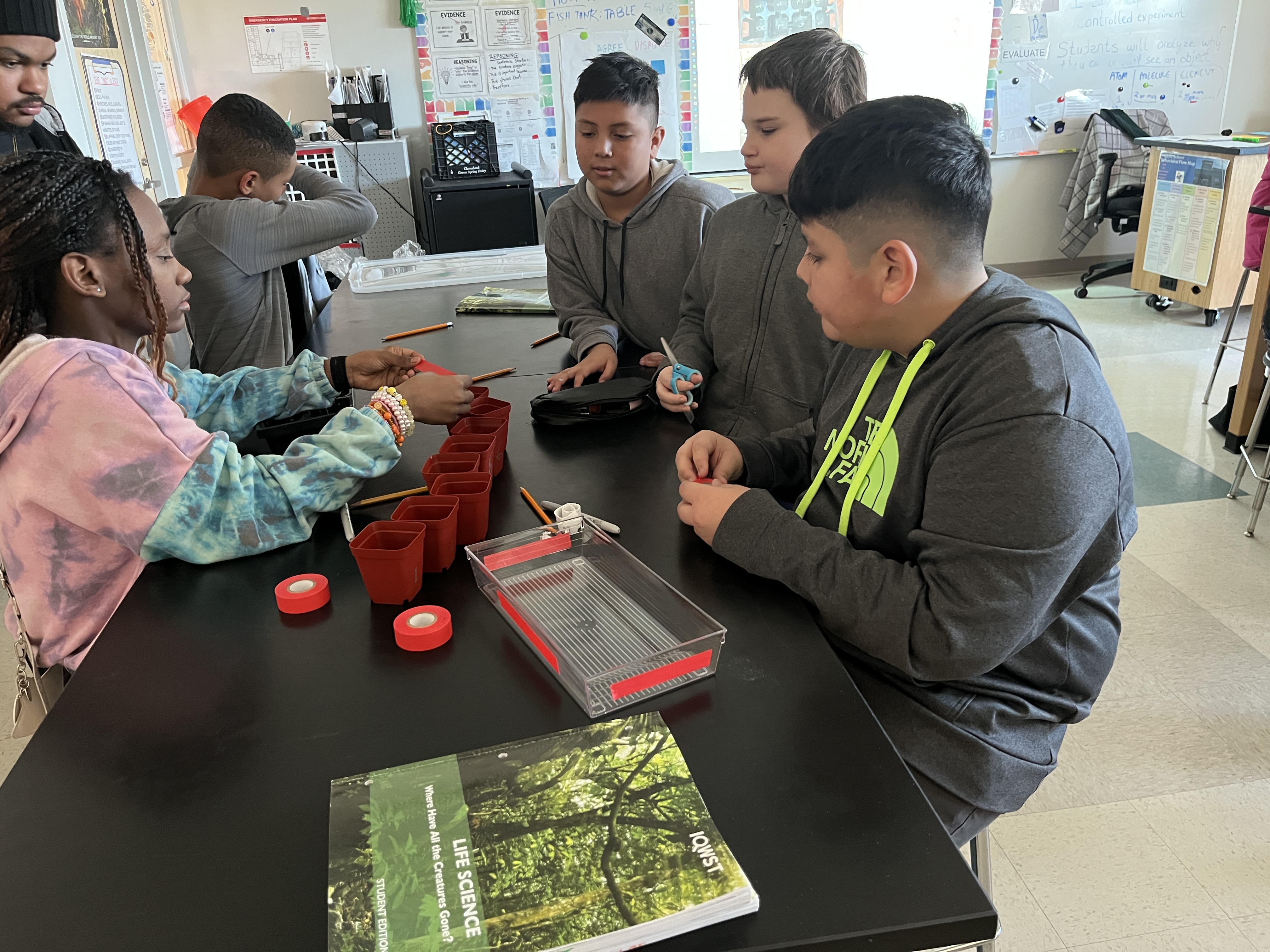
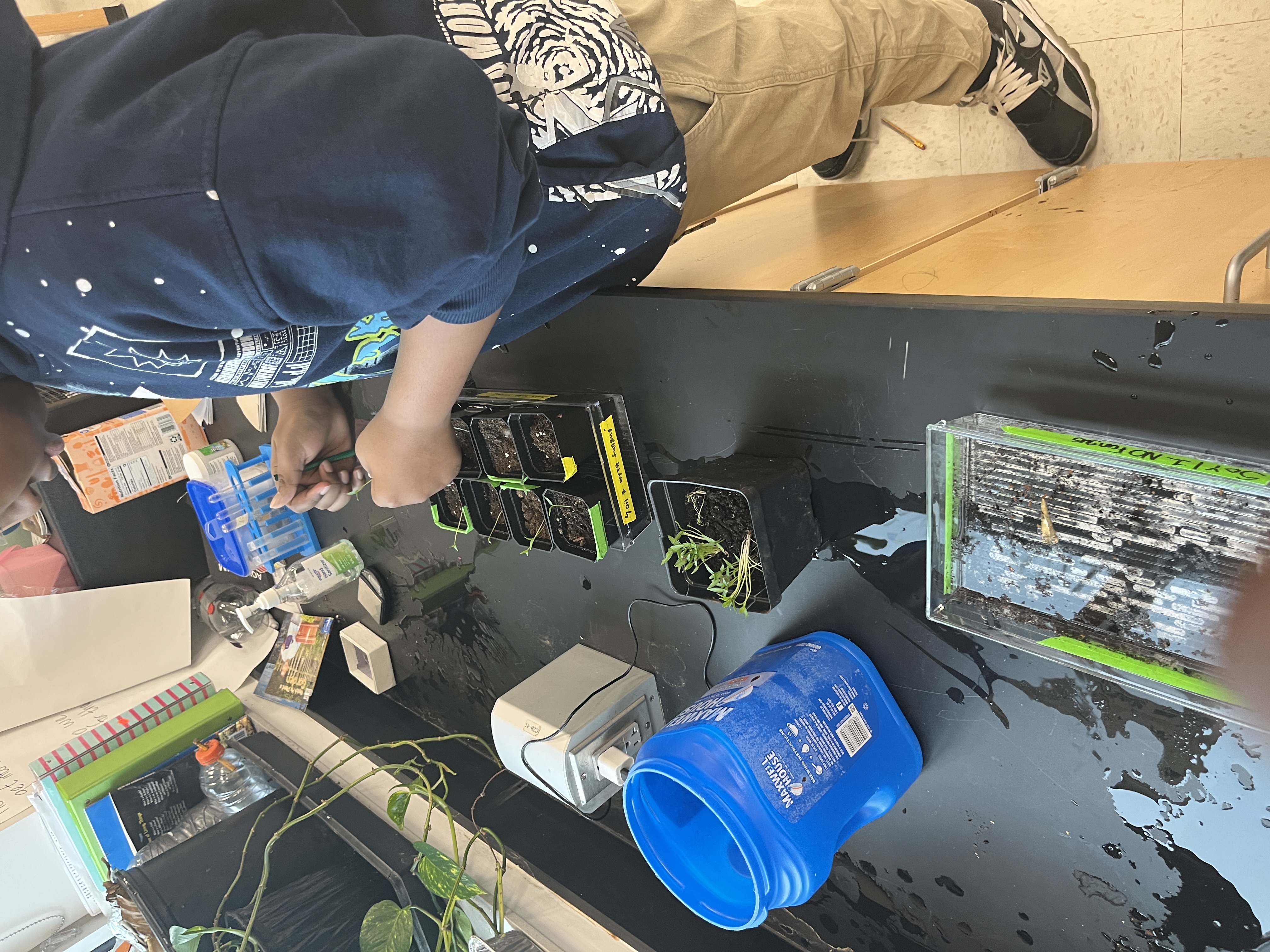
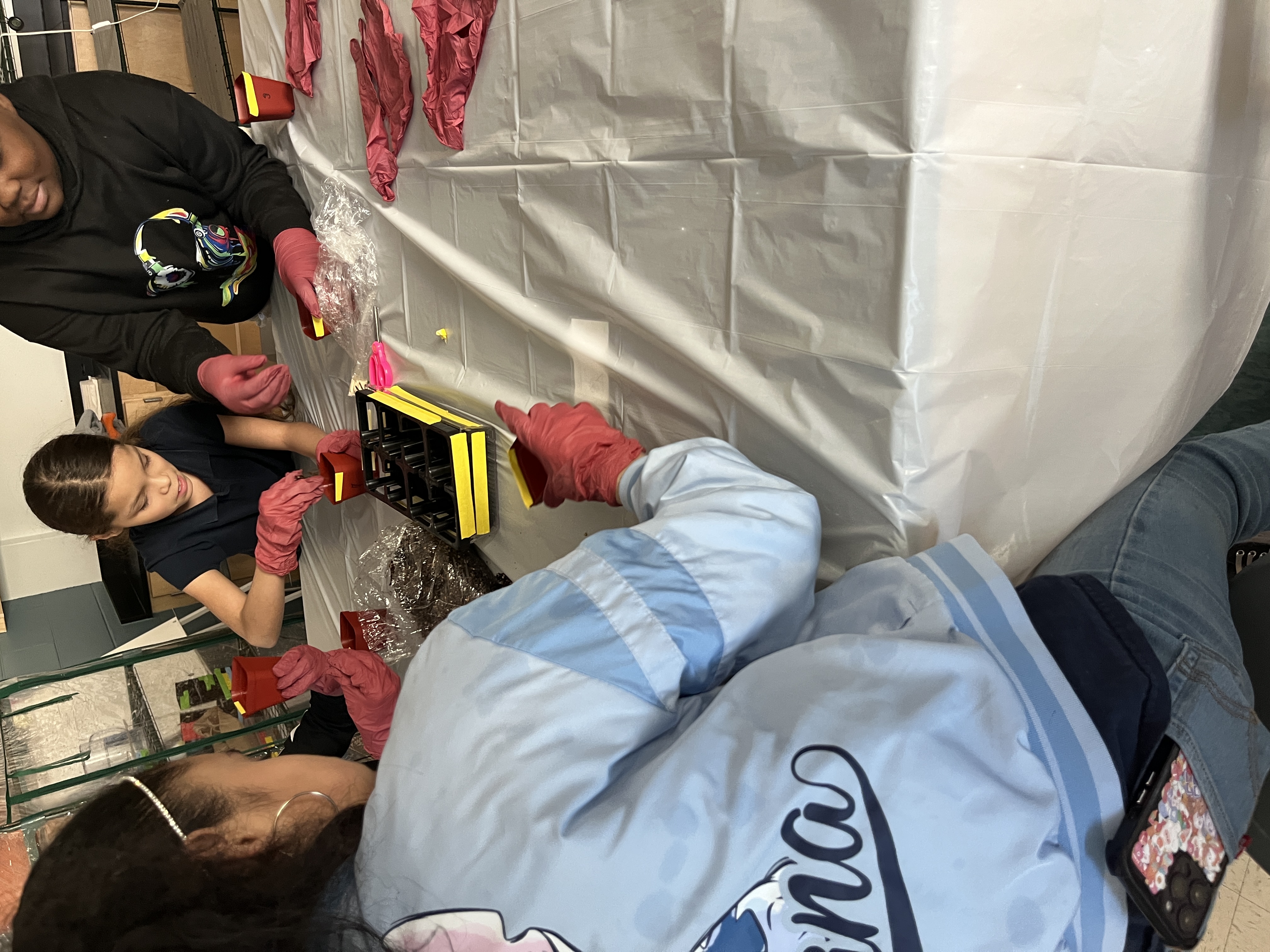
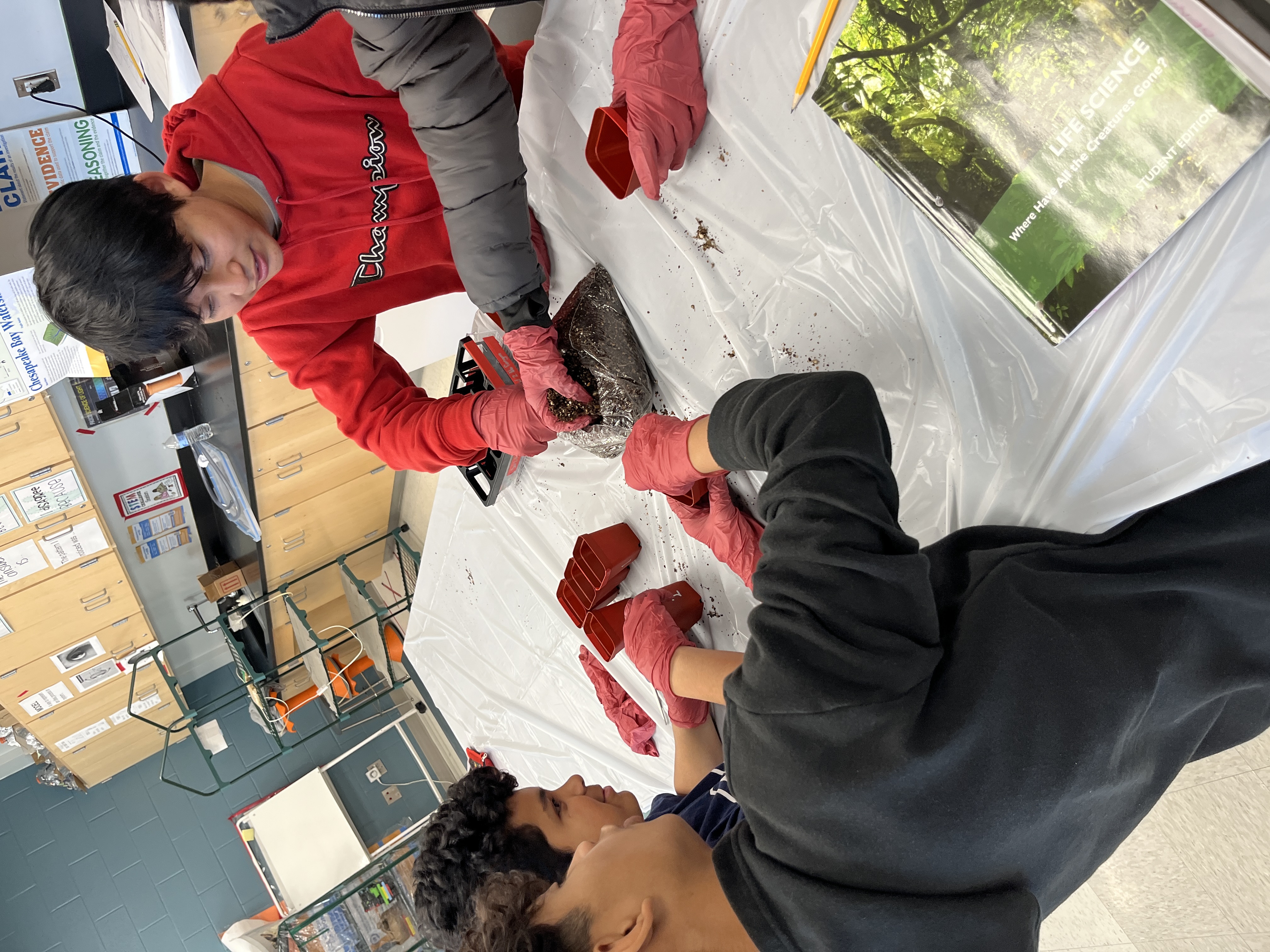
In order to determine the most effective soil conditions, each school is given 32 glass pink orchid seedlings. These seedlings have been germinated asymbiotically (without fungi) in sterile flasks. Each seedling will be assigned to one of four treatments: Soil 1 No Fungus, where no fungi are added to the soil type 1 (a mix of peat moss and turface); Soil 2 No Fungus, where no fungi are added to the soil type 2 (a mix of peat moss, perlite, calcined clay, milled sphagnum, and ground wood); Soil 1 with Fungus, where a cotton ball plug that has been inoculated with a fungus will be added to the soil type 1 when the seedlings are planted; and Soil 2 with fungus, where a cotton ball plug that has been inoculated with a fungus will be added to the soil type 2 when the seedlings are planted.
Every two weeks, students collect data, noting the number of plants that are alive and dead, the number of leaves each plant has, and the lengths of the leaves on each plant. Students share their data with others who are conducting the same experiment.
Students use plant identifier app to discover the plants within and around the school campus to better understand the school environment and how citizen science/community science is used.
Students using plant identifier app, Seek - iNaturalist, to discover the plants that surround our school.
Community Partnerships
Demonstrate that your school is forming long-term partnerships to foster environmental stewardship and cultivate community wellness through real-world connections.
3.1 Community Partnerships
3.1.1 School Active in the Community
Describe at least one environmentally-focused partnership in which your school is working to benefit your community.
Acceptable Documentation: Photos, newsletters, or social media highlighting students participating in an environmental service project such as a local park conservation project, harvesting produce from a farm or school garden to be donated to a food bank, holding a recurring used clothing drive or book swap for the community, or visiting another school to teach other students about the environment.
Students work with the community in collaborative activities, including recreation, planting crops, food donations, and more
Students brainstorming how to use the community garden at Farring Recreation Center
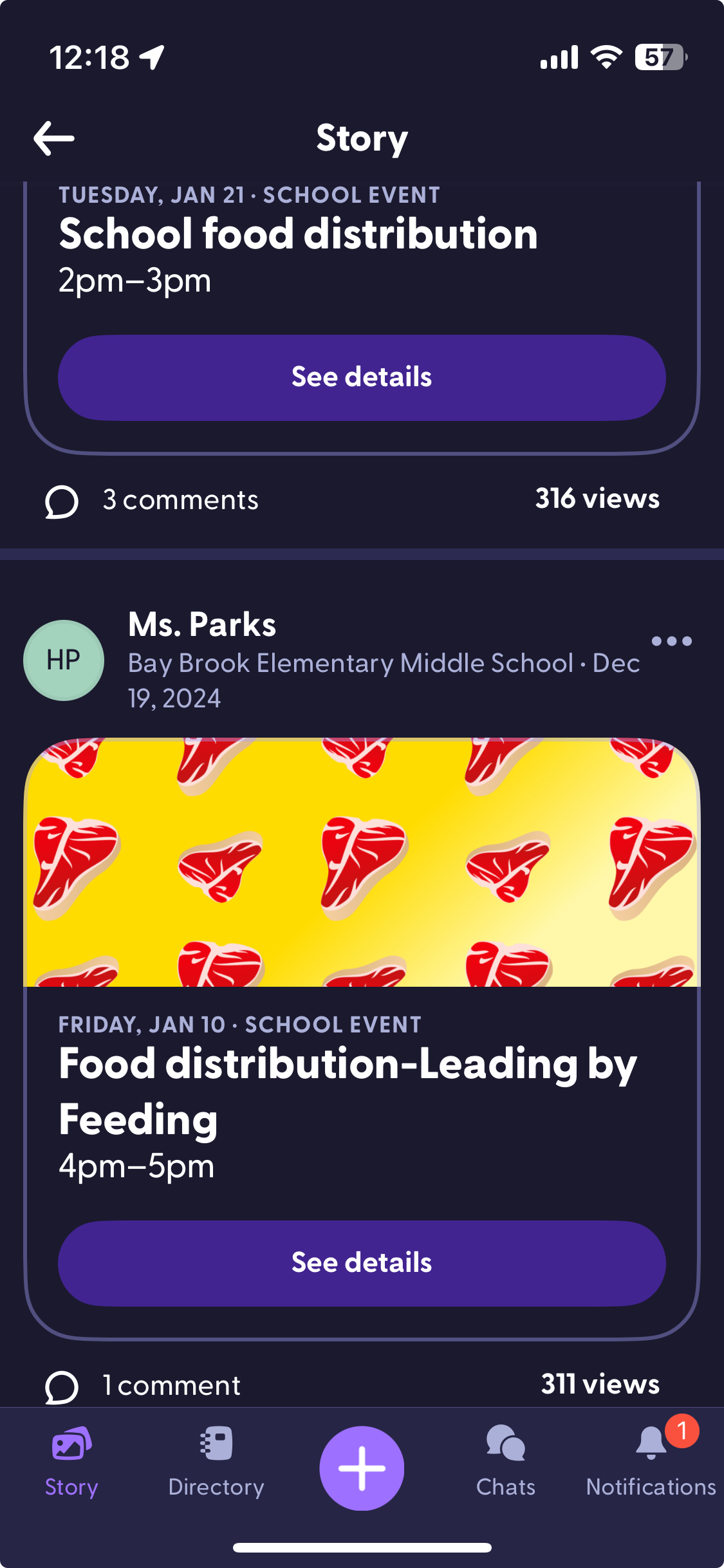
Food distribution to the community is conducted at Bay-Brook Elementary Middle School
Food distribution announcements advertised on the school's class dojo.
3.1.2 Community Active in the School
Describe at least one partnership in which a community partner (different from the systemic partner listed in 1.4.2) is providing any type of Green School services to the school that occur within the classroom, school building, or on school grounds.
Acceptable Documentation: Photos, newsletters, or social media highlighting a local business providing funding or in-kind donations for environmental activities, organizations delivering classroom presentations or assemblies on environmental topics, or organizations assisting with school campus projects such as tree plantings and bird box installations.
Great Kids Farm in collaboration with Food Corps supports Garden education. They supported us in setting up our outdoor garden and providing garden and food education indoors as well during the colder months.
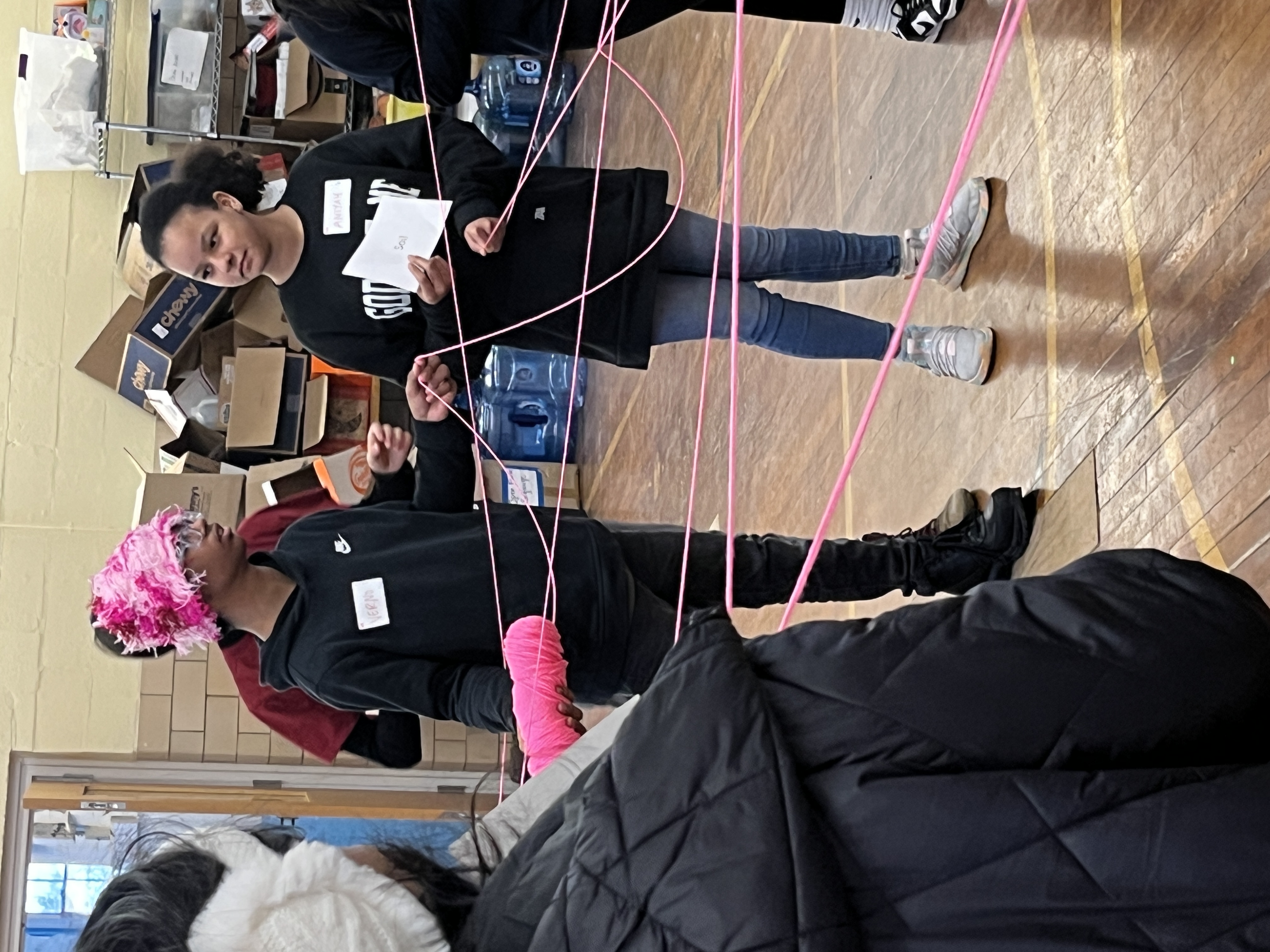
Students create a web showing interactions in the world that provide us with food and support food development
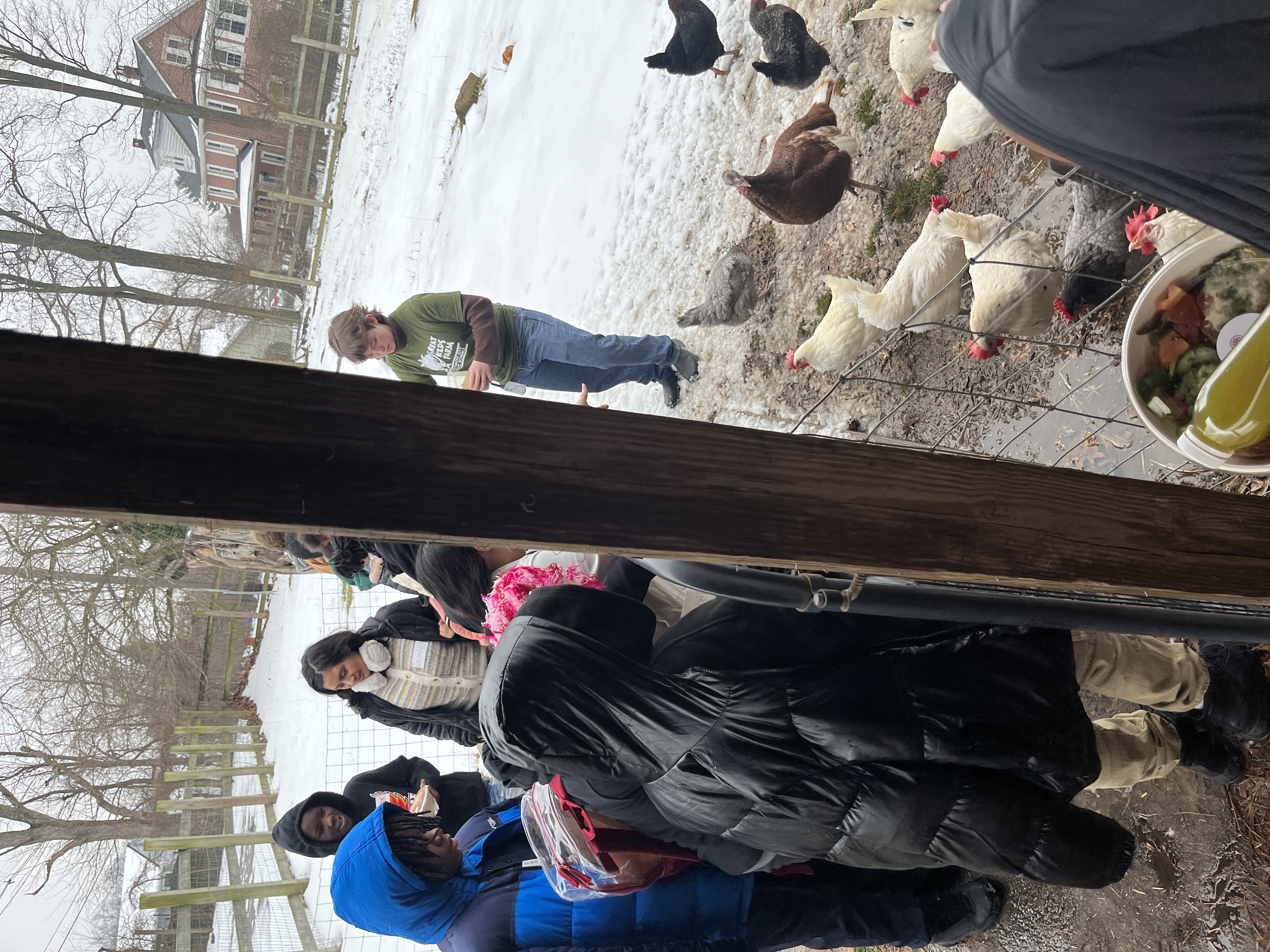
Students feed the turkeys and chickens, while discussing what their food is made up of and how to diversify their food.
Students chop vegetables, cook, and eat them, supporting the notions of from farm to table.
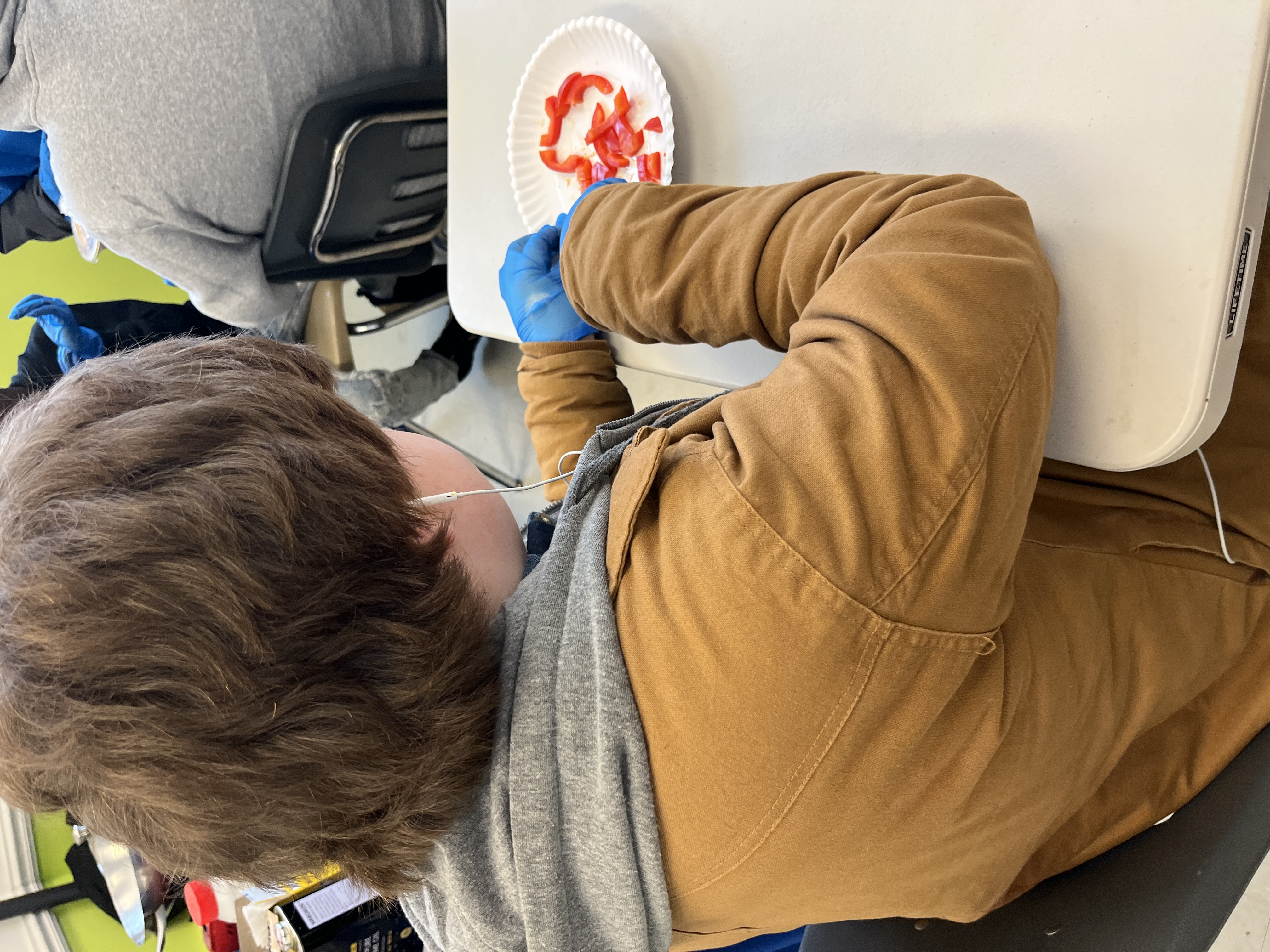
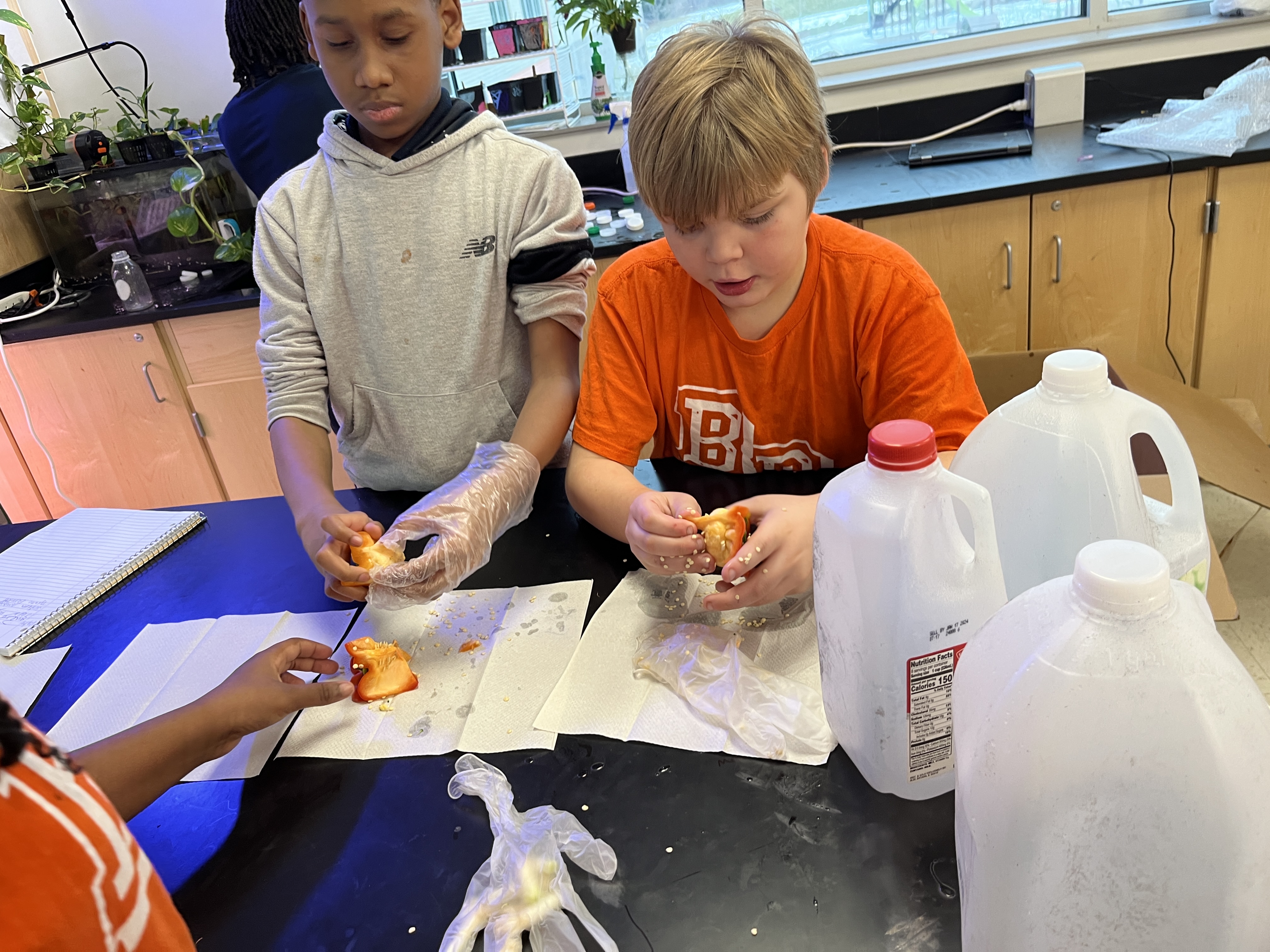
Students remove seeds from waste bell pepper parts to plant in the class during garden club.
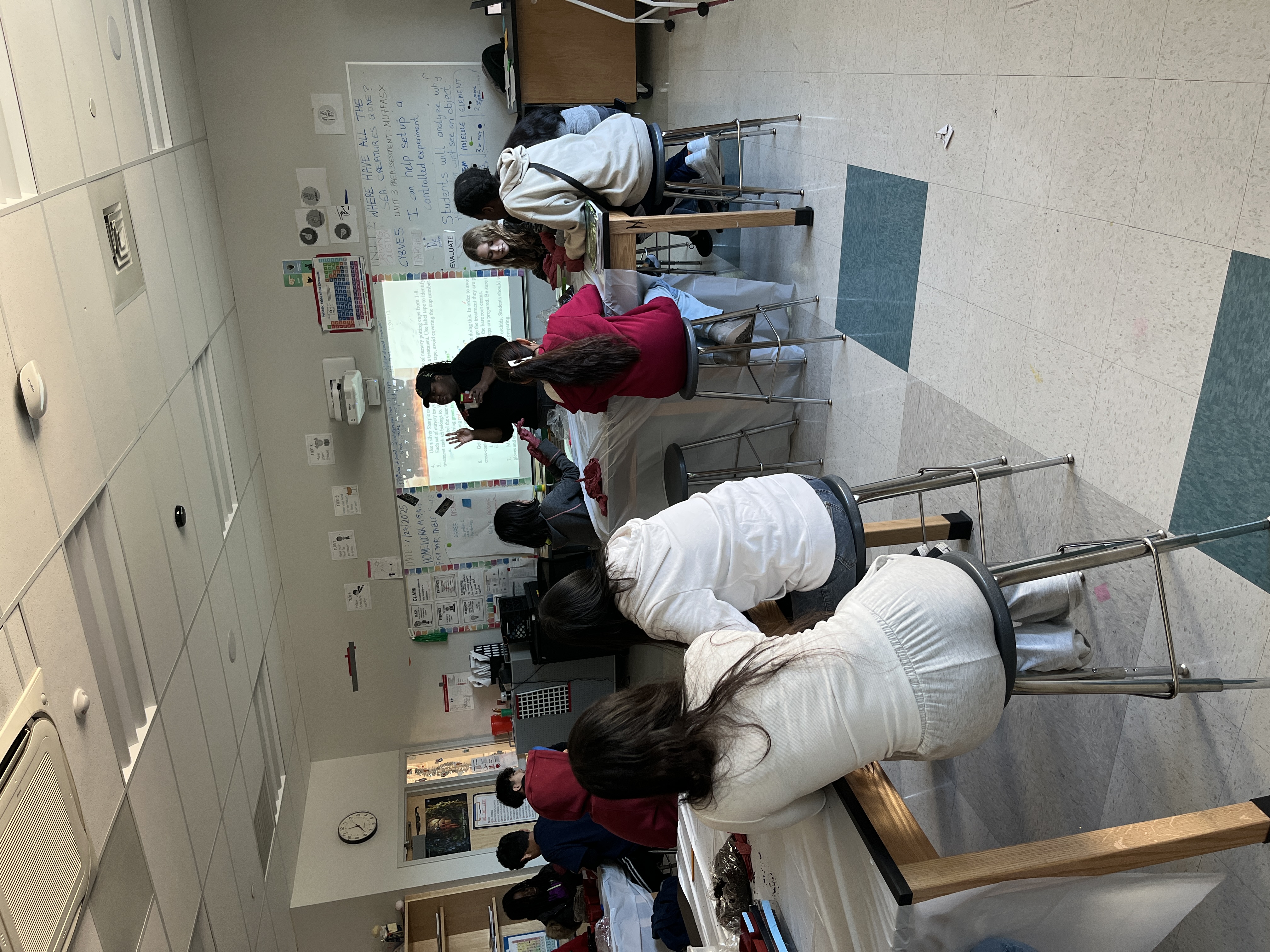
Students grow endangered orchids under the leadership and guidance of SERC
Discussing the role of orchids
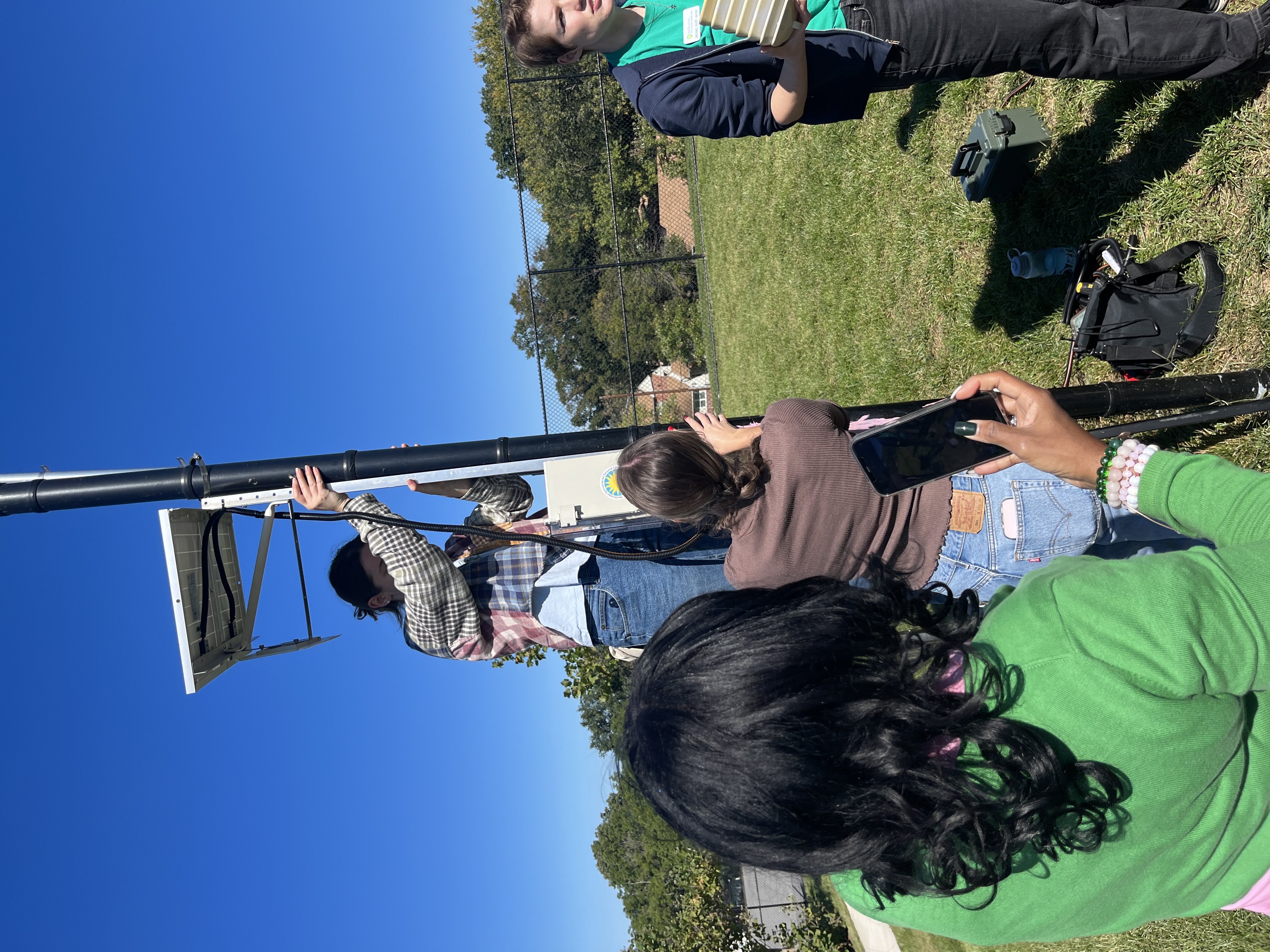
Students participate in the setting up of a weather station at our school
Setting up the weather station.
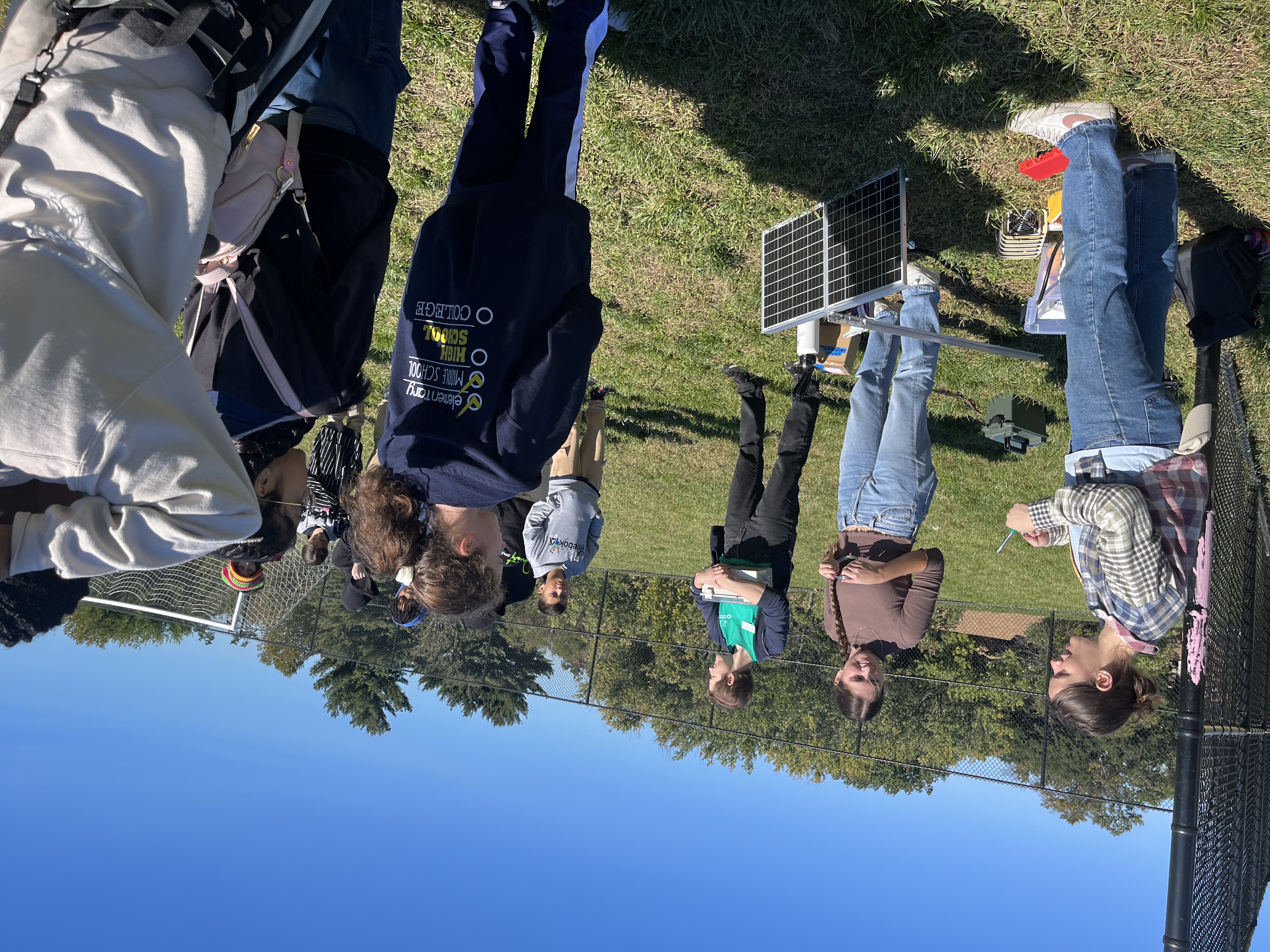
Setting up the weather station.
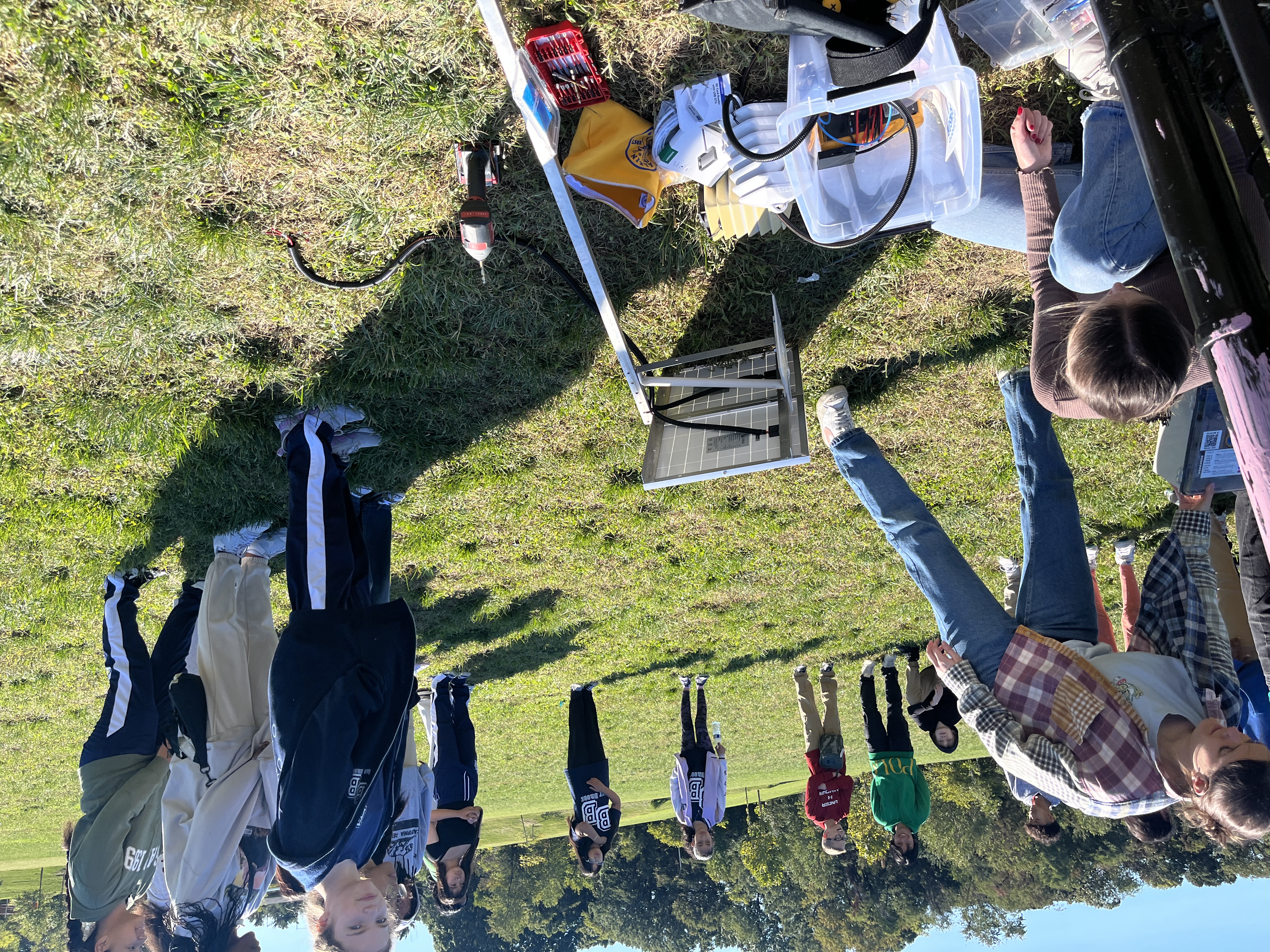
Setting up the weather station.
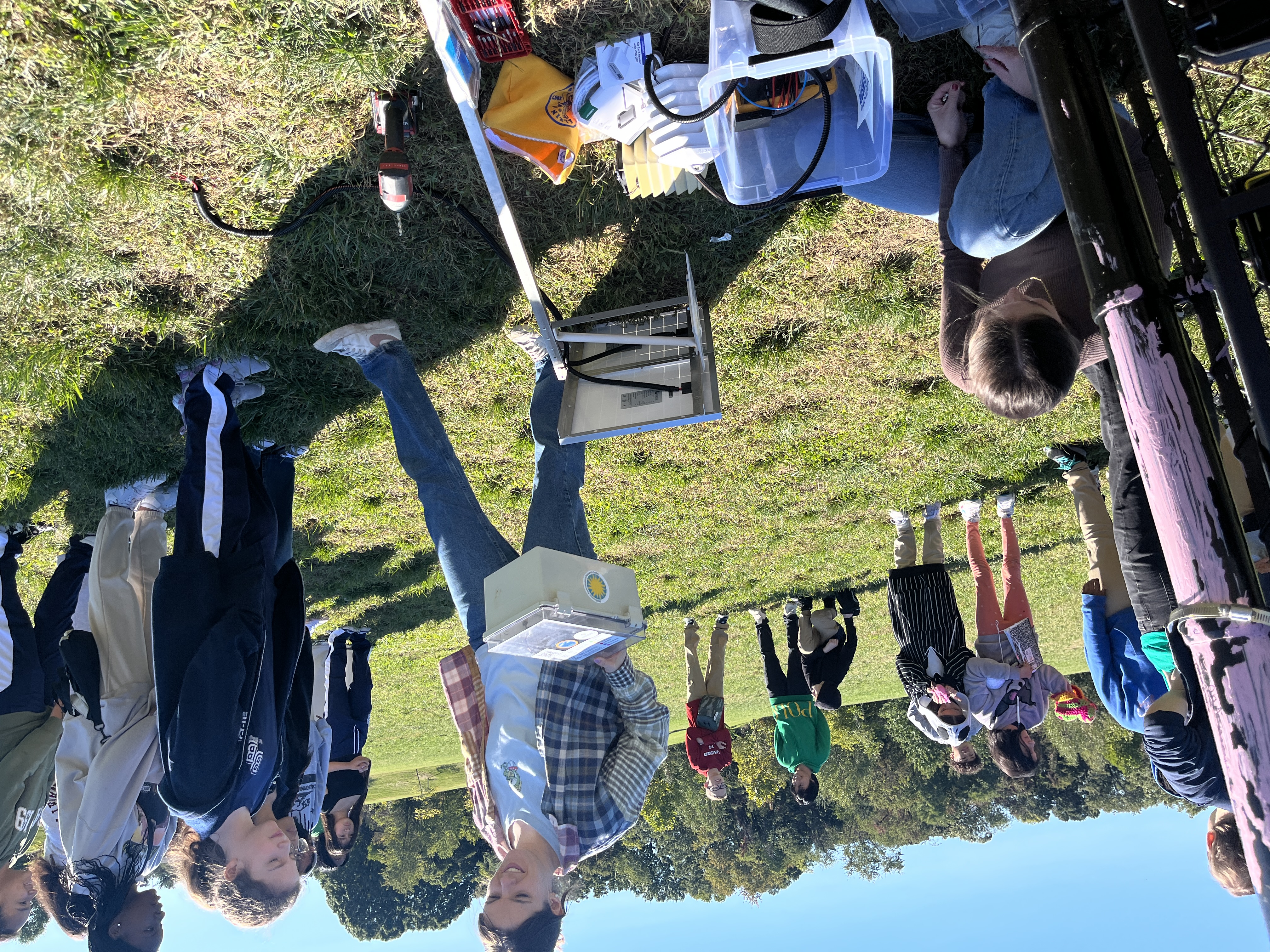
Setting up the weather station.
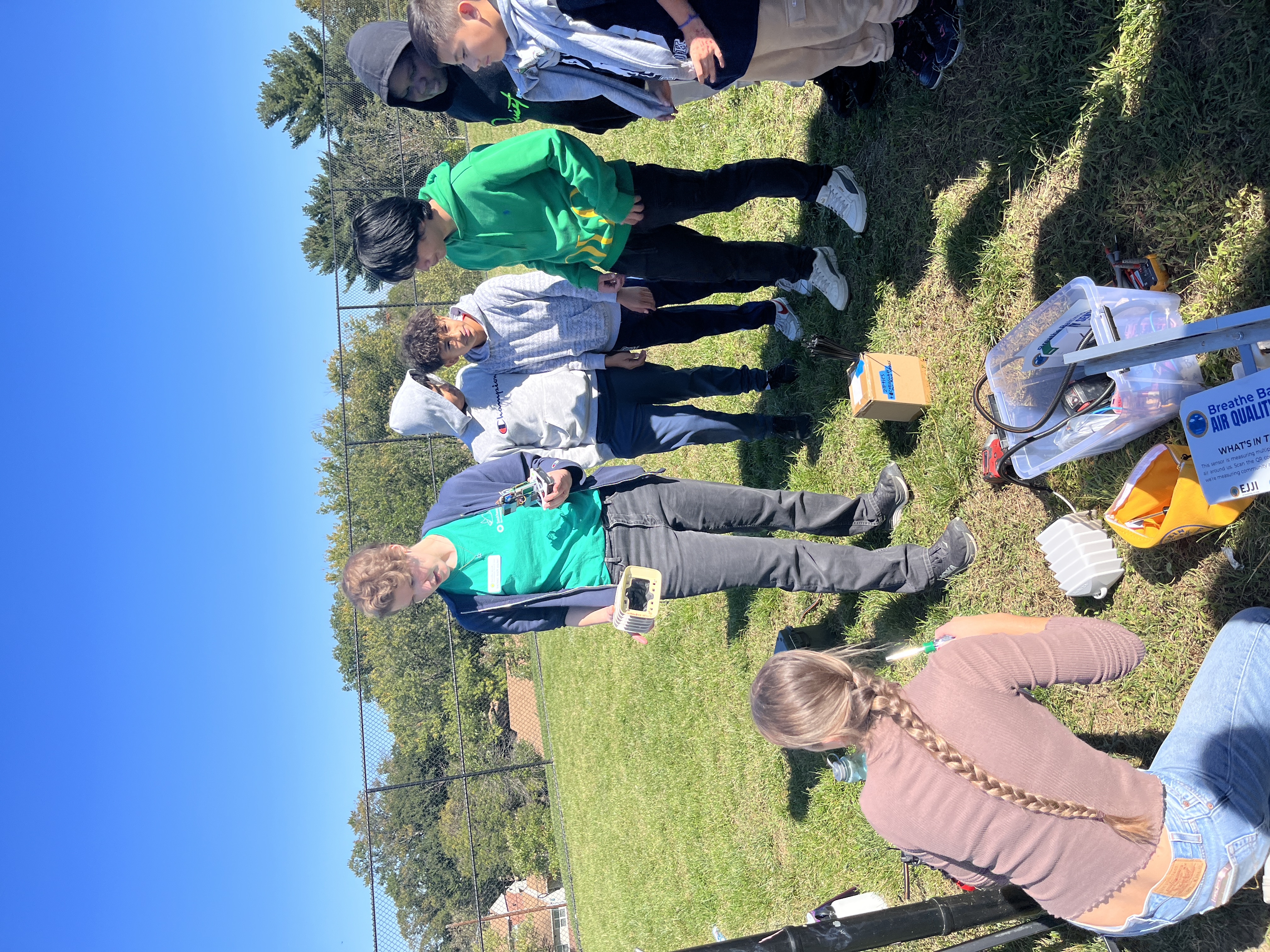
Setting up the weather station.
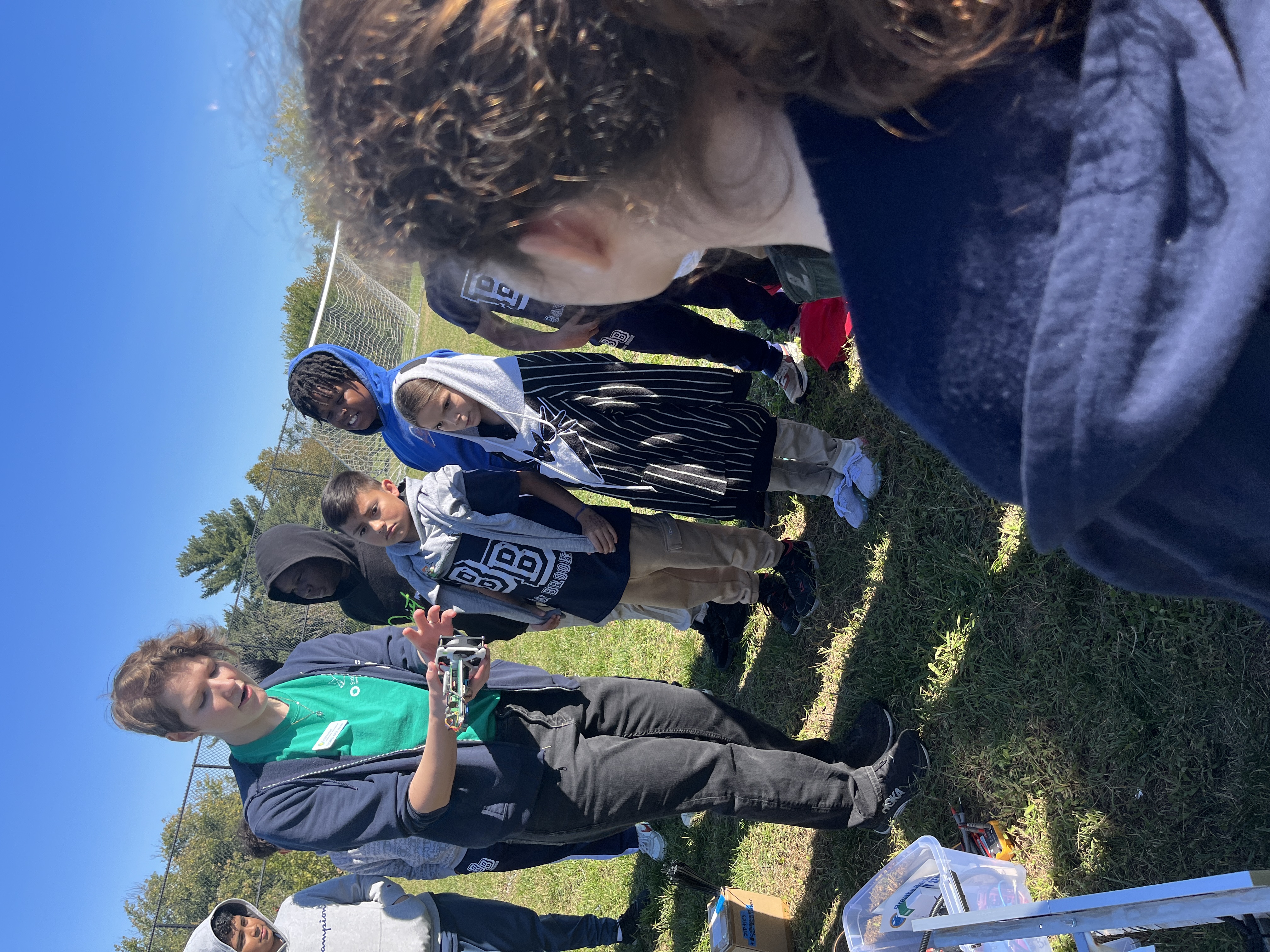
Setting up the weather station.
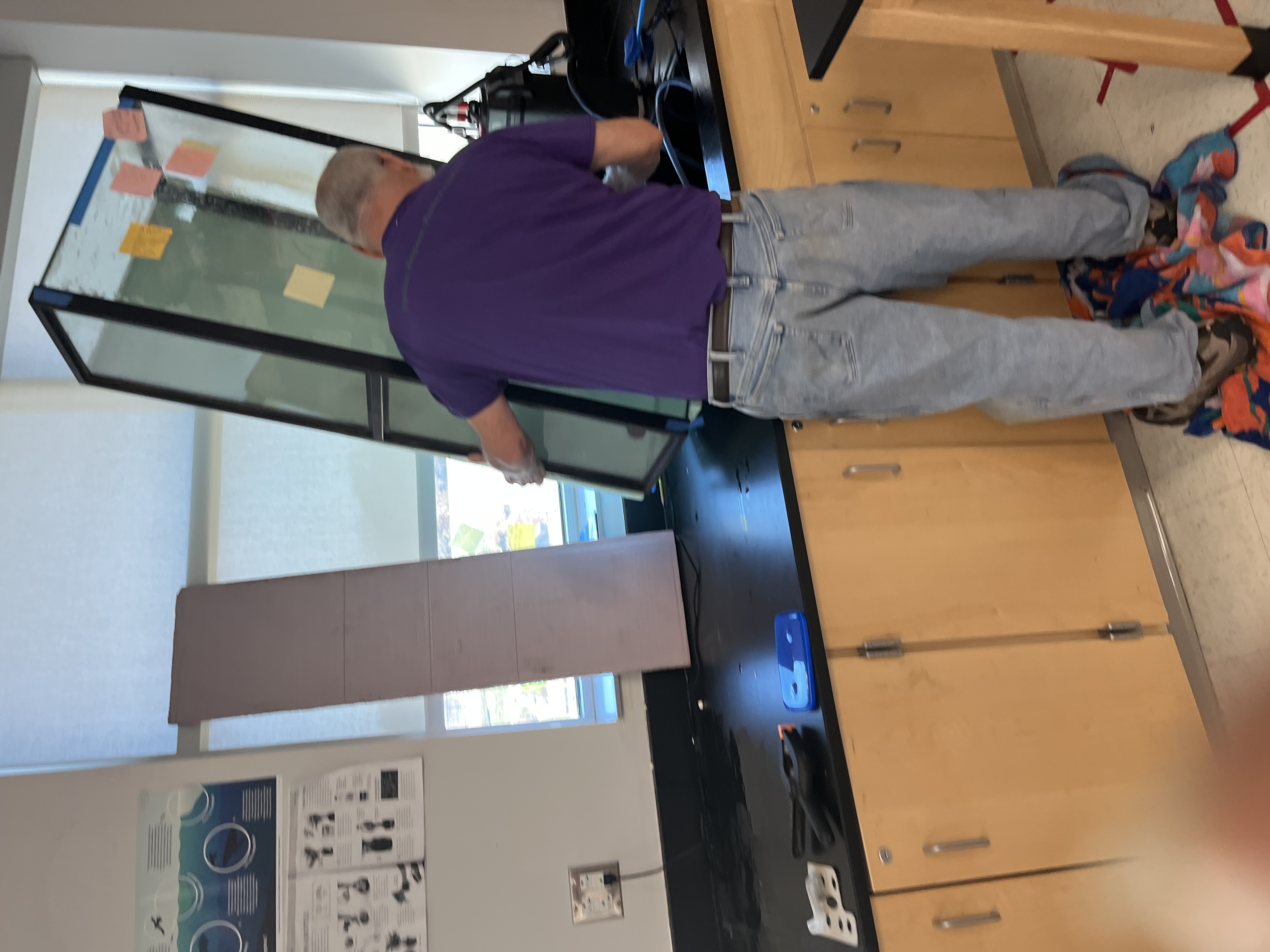
Growing trout in our classroom, collecting data and learning about how to manage water quality
Setting up trout in the classroom
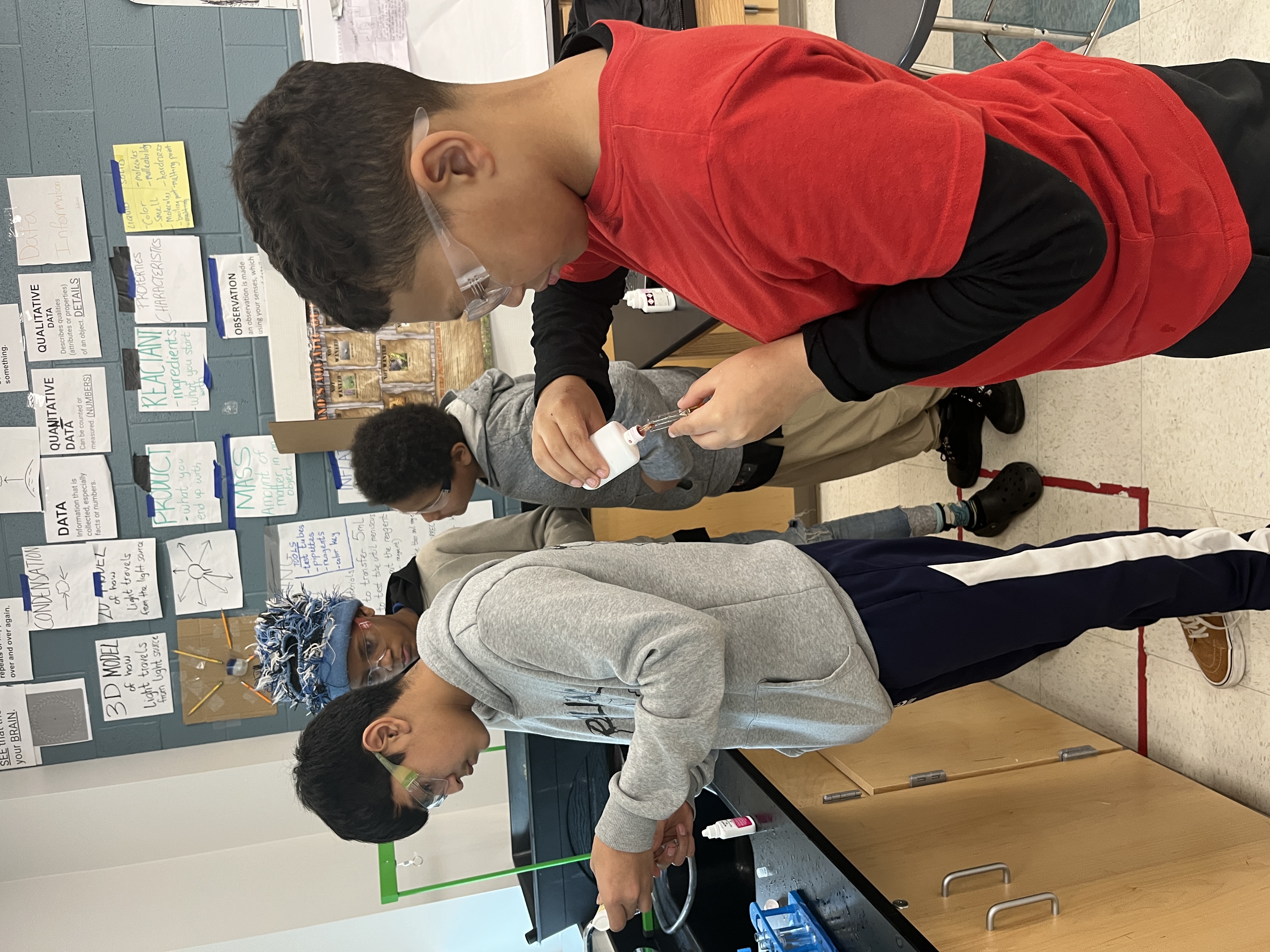
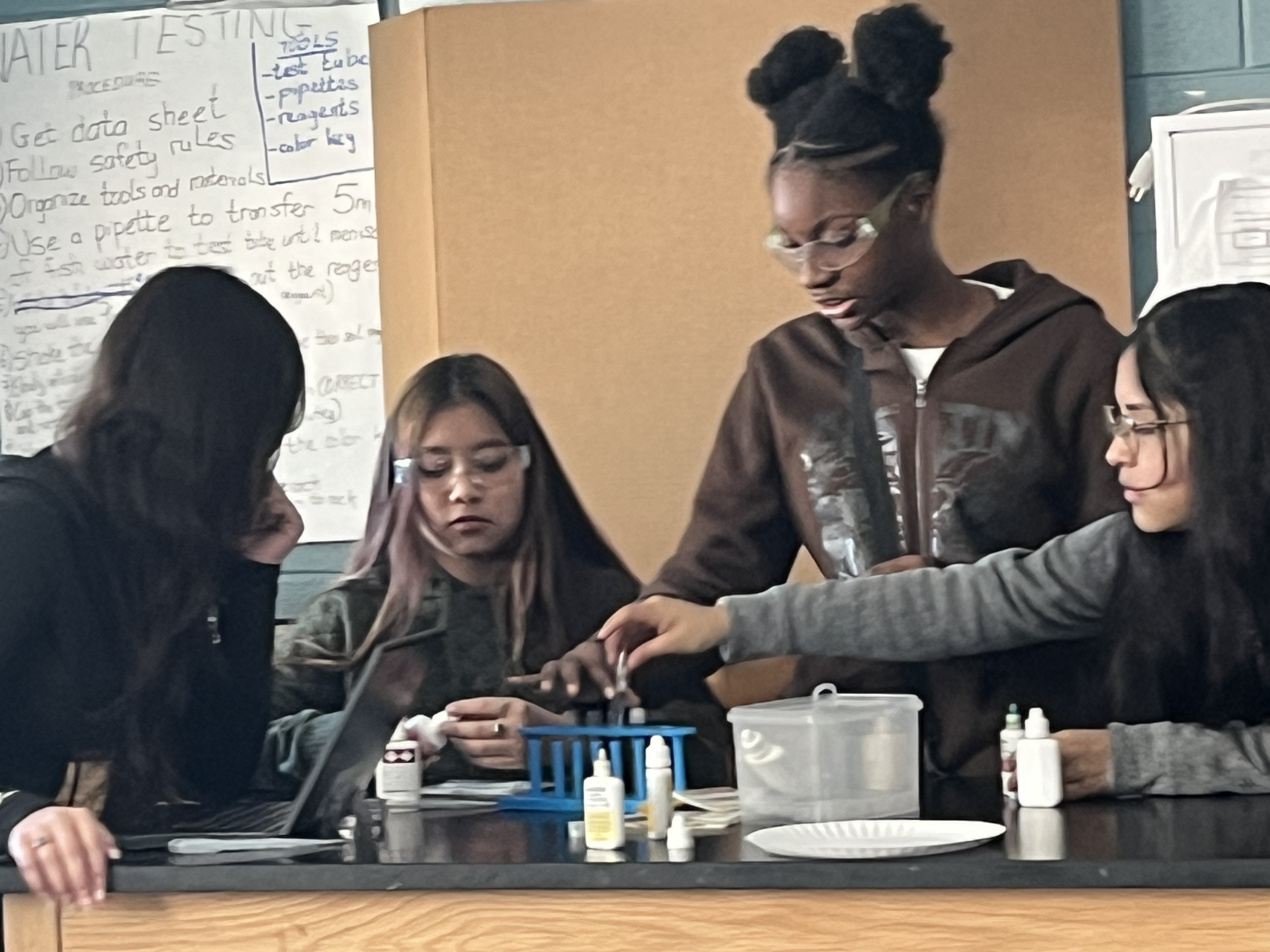
Students conducting water quality tests on the fish tank water
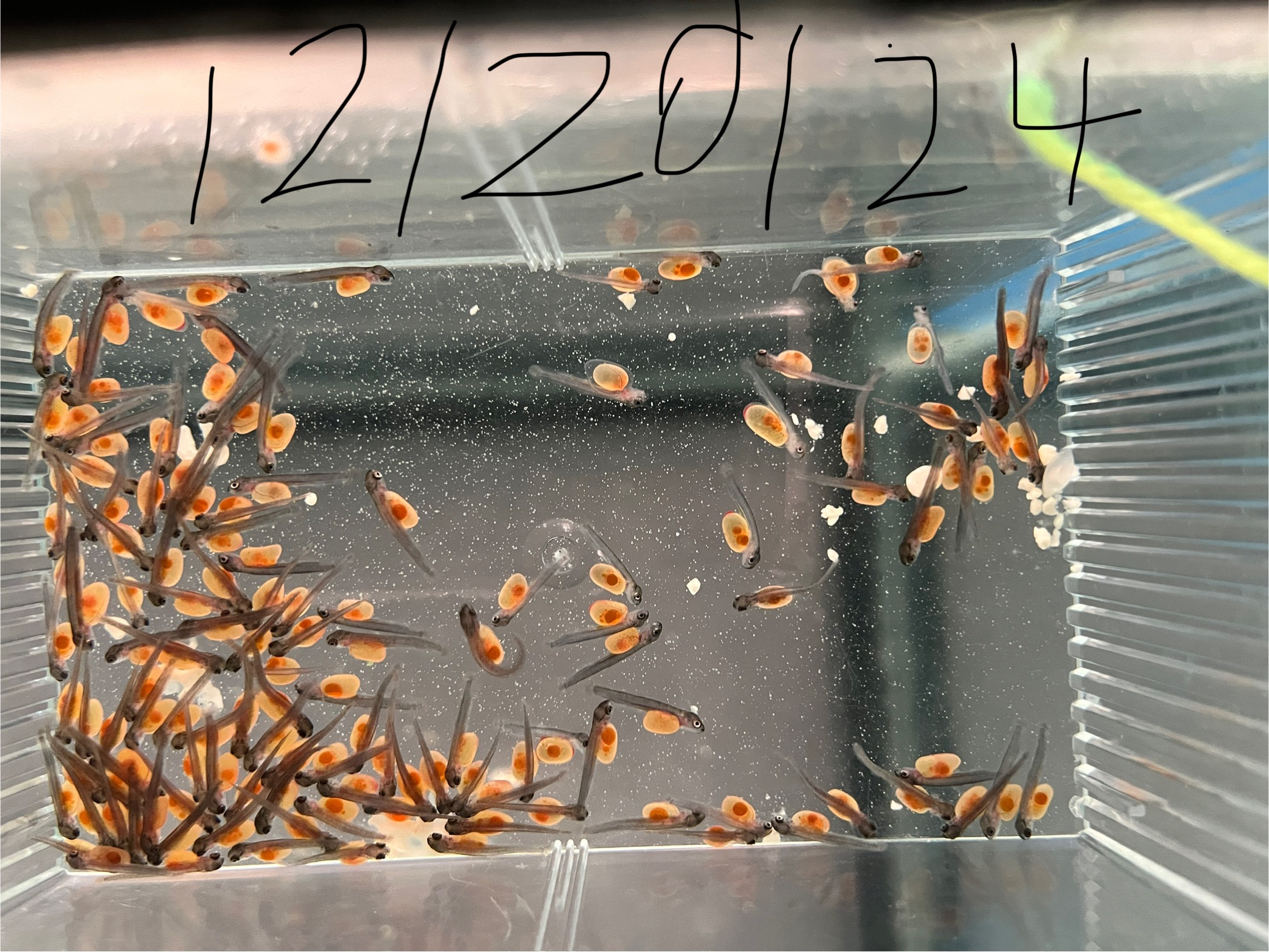
Trout eggs have hatched
Water quality testing
3.2 Additional Achievements
3.2 Additional Achievements optional
Share any environmentally-related awards, special recognition, certifications, or other achievements that your school, staff or students have accomplished.
No records were added by the school.