Systemic Sustainability
1.1 Environmental Curriculum & Instruction
1.1 Environmental Curriculum & Instruction
Elementary & middle schools must provide one example of outdoor/environmental instruction per grade level.
High schools must provide four different examples of outdoor/environmental instruction. These examples can be from any grade level but must show four distinct subject areas/classes (which may include multiple different sciences).
Language Objective: I can describe what I notice, and I wonder with complete sentences using teacher modeling. Kindergarten MLs went outside and did activities to notice things outside and create complete sentences: I notice what? Did what?
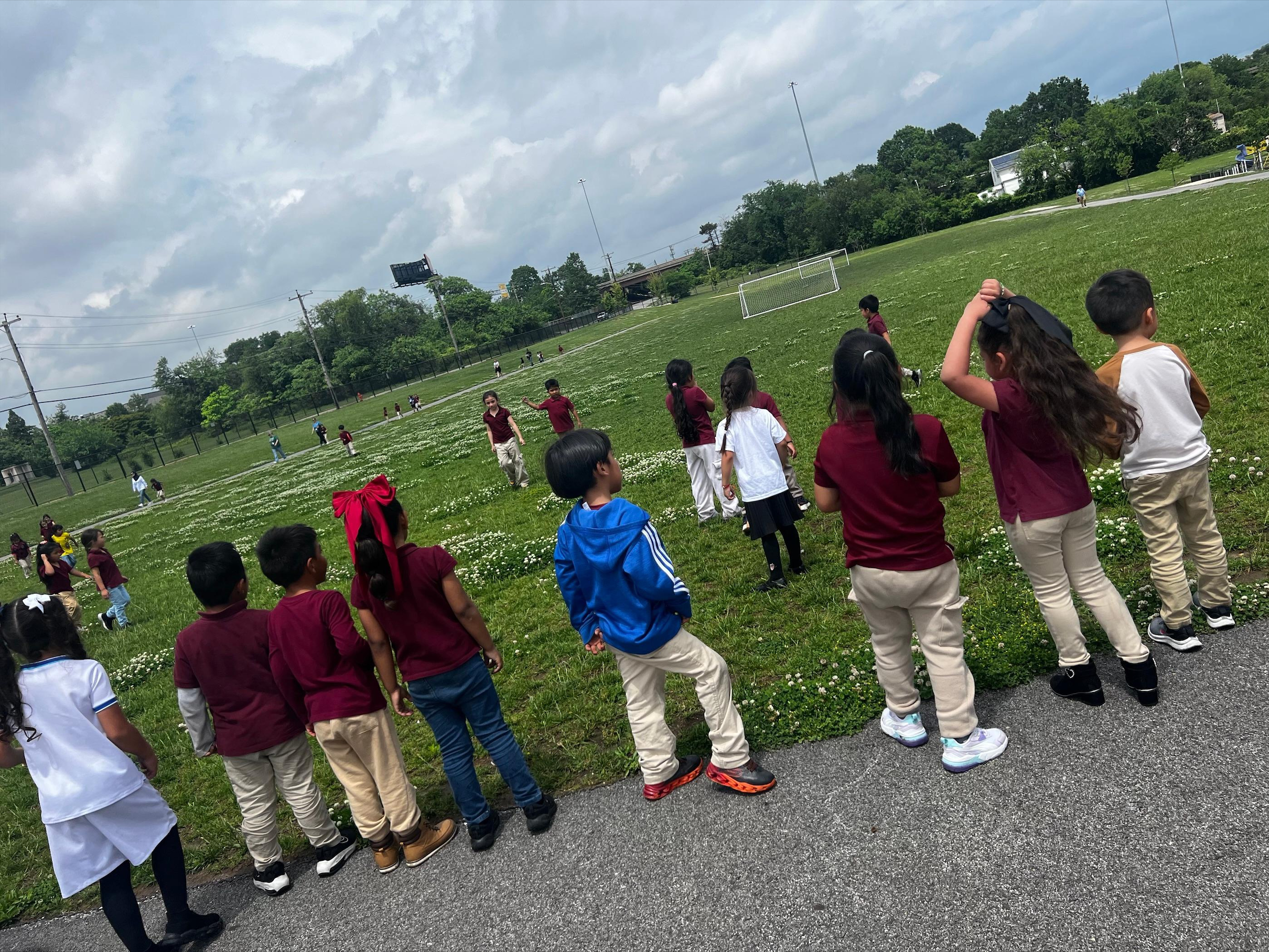
During our unit on living and non-living things, students watched the life cycle of butterflies and released them outside. Questions were asked about observations of the butterflies
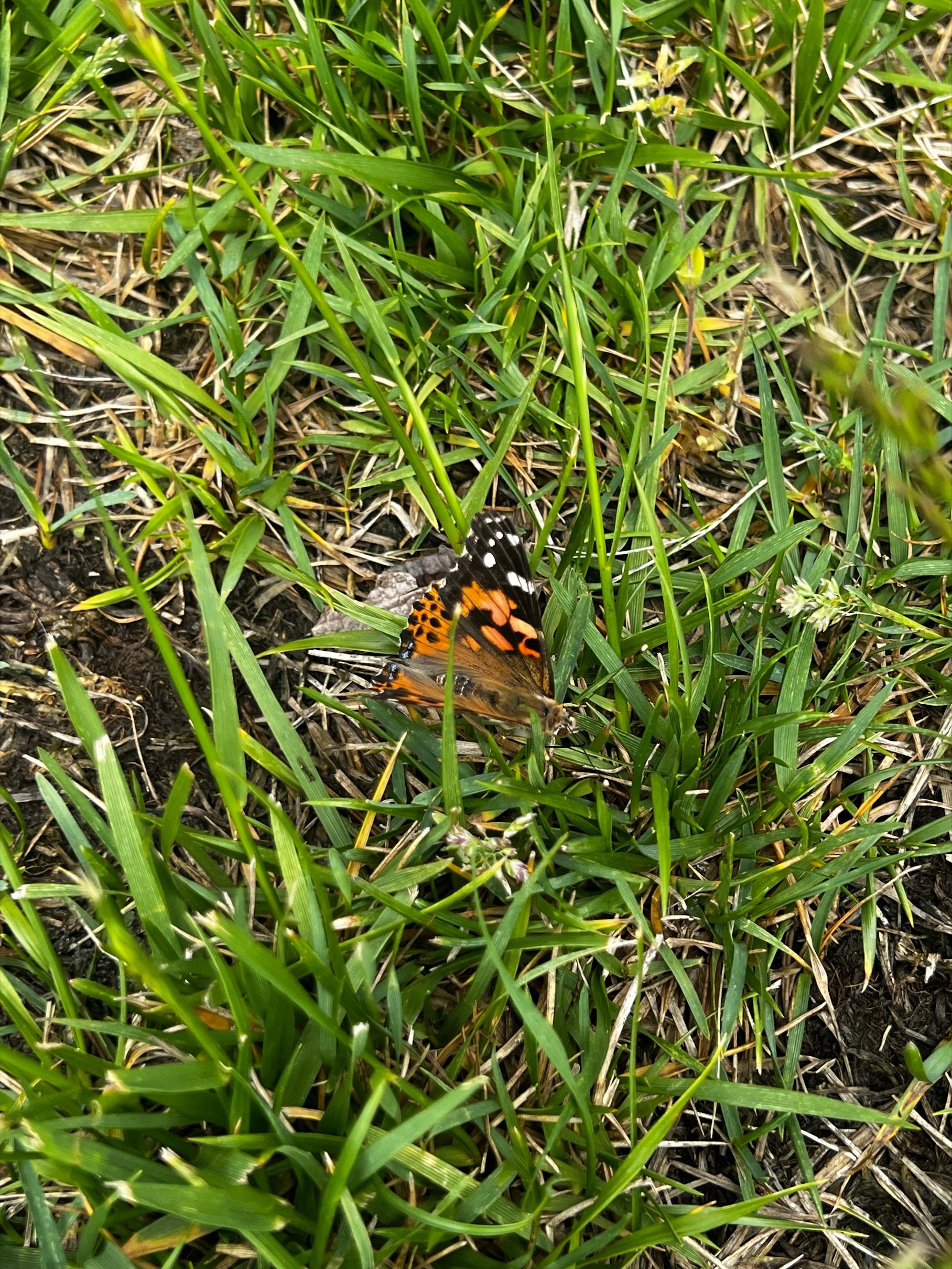
Students watched the release of butterflies at our school field and asked questions such as what happened to the butterflies when they were released, and who would take care of them now?
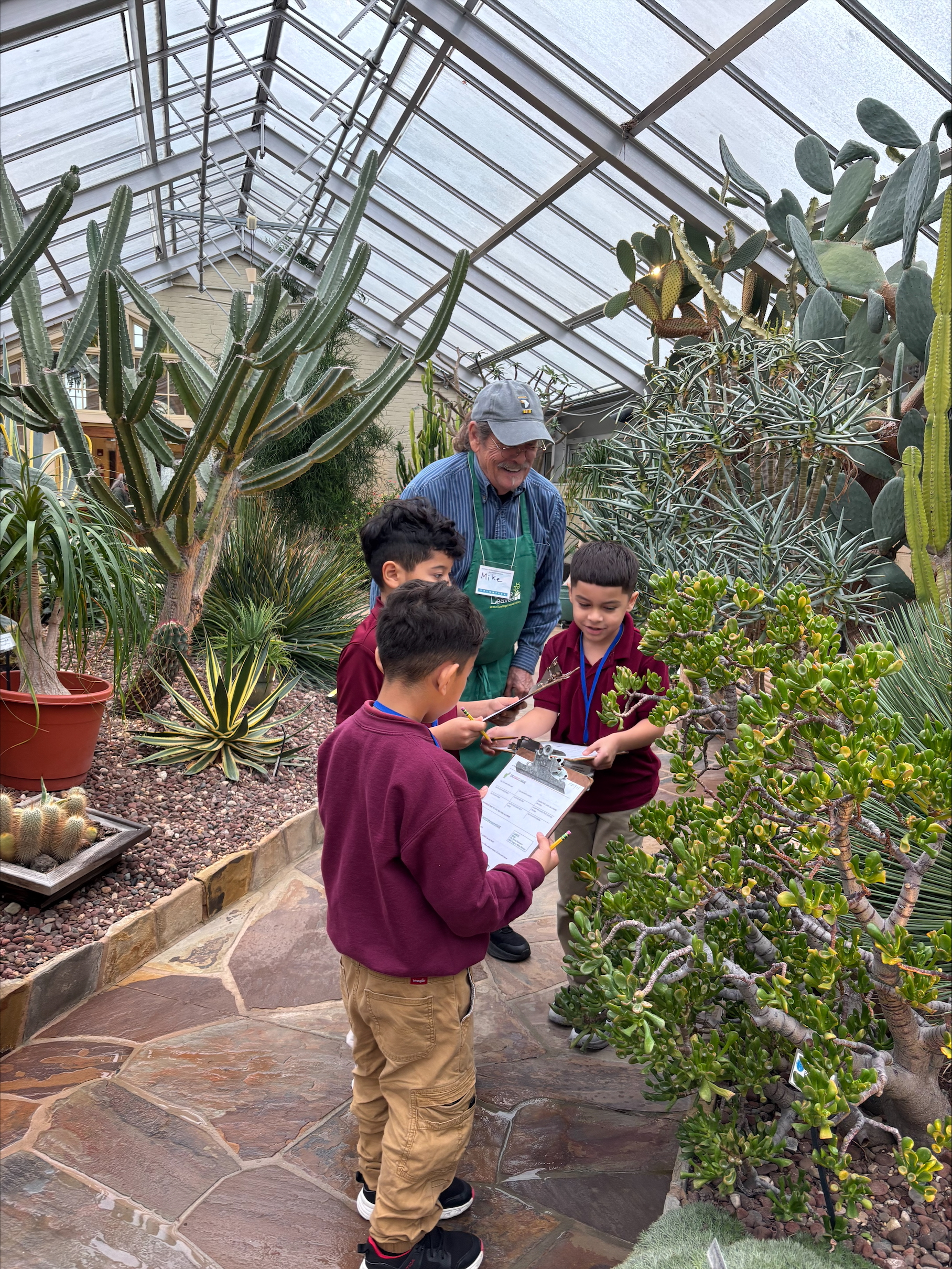
Second grade students visited the Rawlings Conservatory. Students got to ignite a sense of wonder and curiosity sparking their imaginations as they explored the vibrant world of plants, ecosystems and sustainability.
Photo of students at the conservatory.
Students explored the outdoor school grounds, writing down observations of organisms they noticed while identifying different traits of the organisms. Students took notes in their interactive science notebooks.
Photo of students recording observations outdoors.
Students explored natural objects on a trail walk at the Carrie Murray Nature Center. Students found natural things such as moss and insects. Students also aligned their learning to Native American History by creating shelters out of natural materials.
Photo of student in front of student made stick fort.
__20260212090267.jpeg)
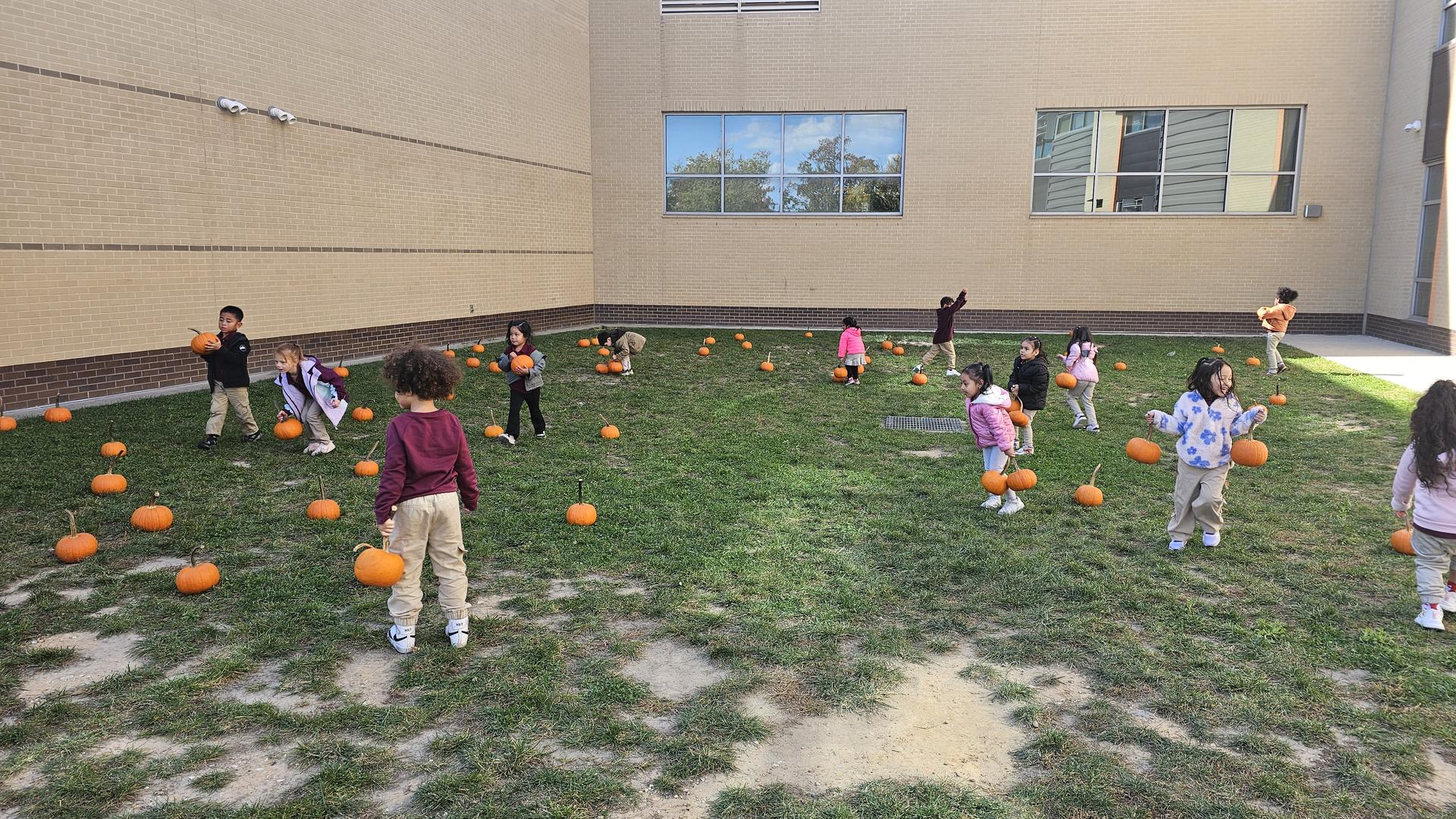
Prek students learned about what a pumpkin is, exploring parts of a pumpkin and using appropriate vocabulary to label the parts of a pumpkin. Then students were able to choose the perfect pumpkin to take home!
Pictures of students choosing a pumpkin
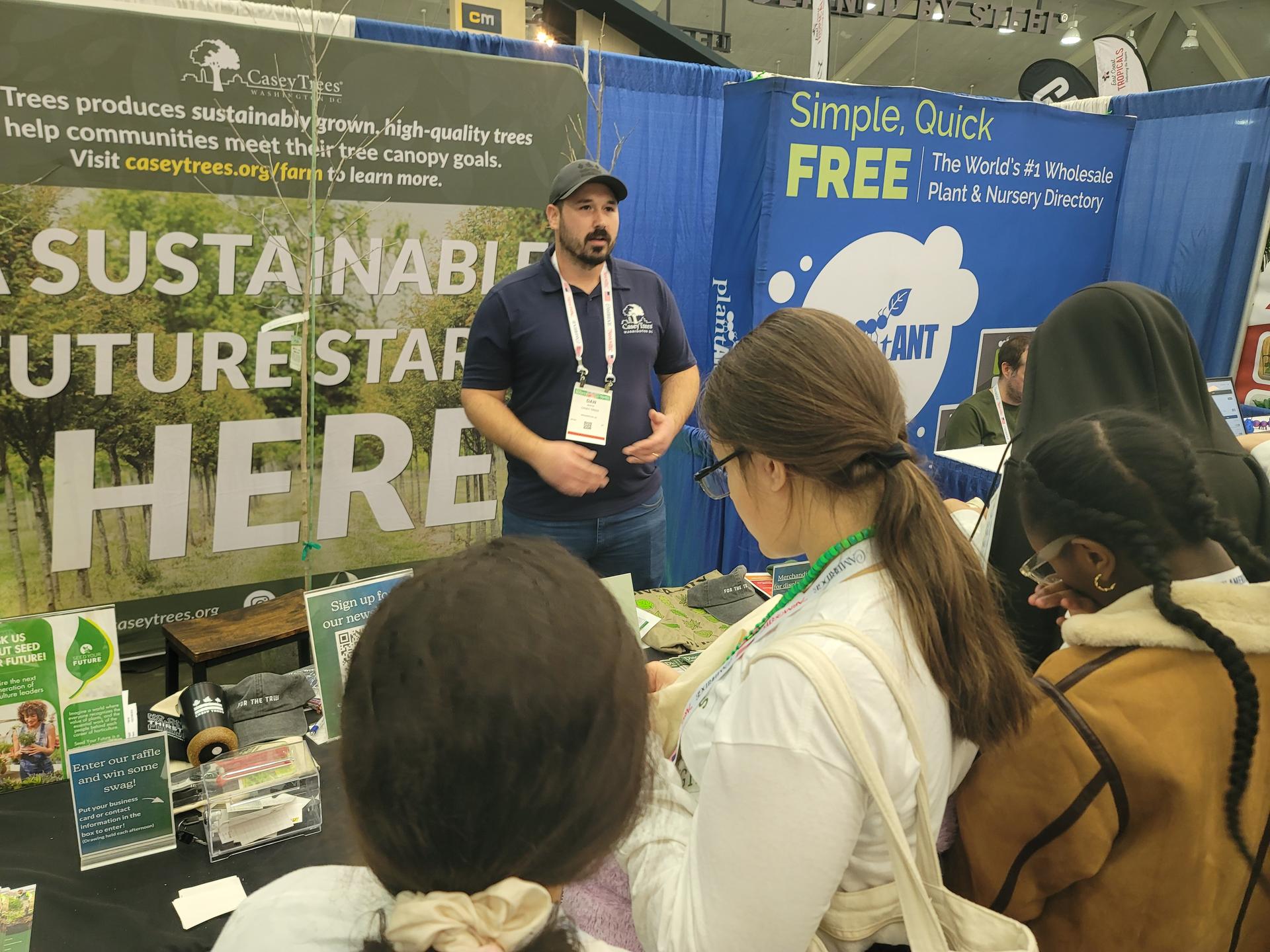
Students went to a local career fair geared towards middle school students, exploring all things outdoor careers. Students learned about different career paths in horticulture at the local convention center.
Picture of students exploring career stations.
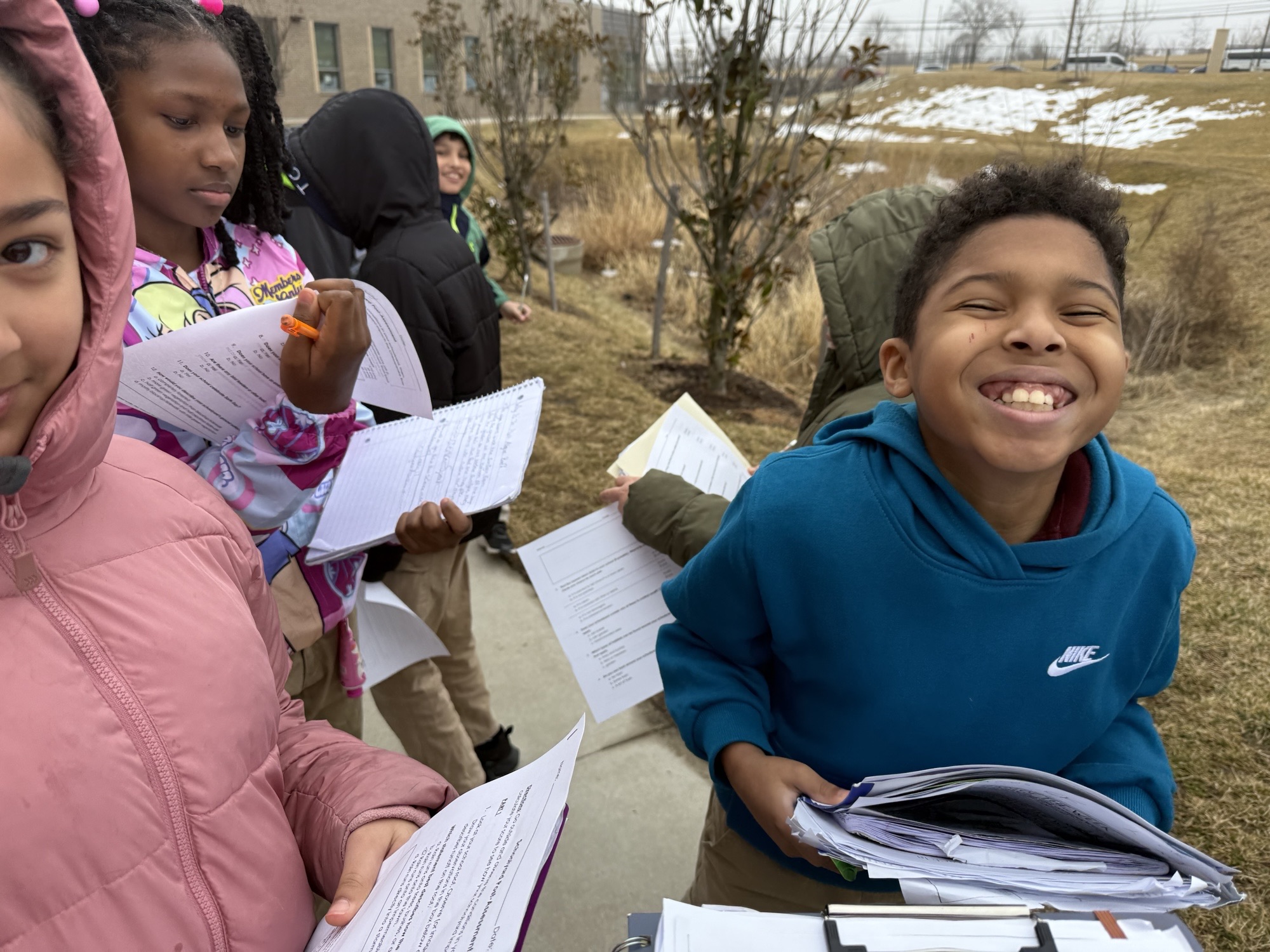
Students planned and carried out an investigation to assess the school grounds to identify its negative impacts on the Chesapeake Bay as part of their MWEE experience.
Picture of students learning outside
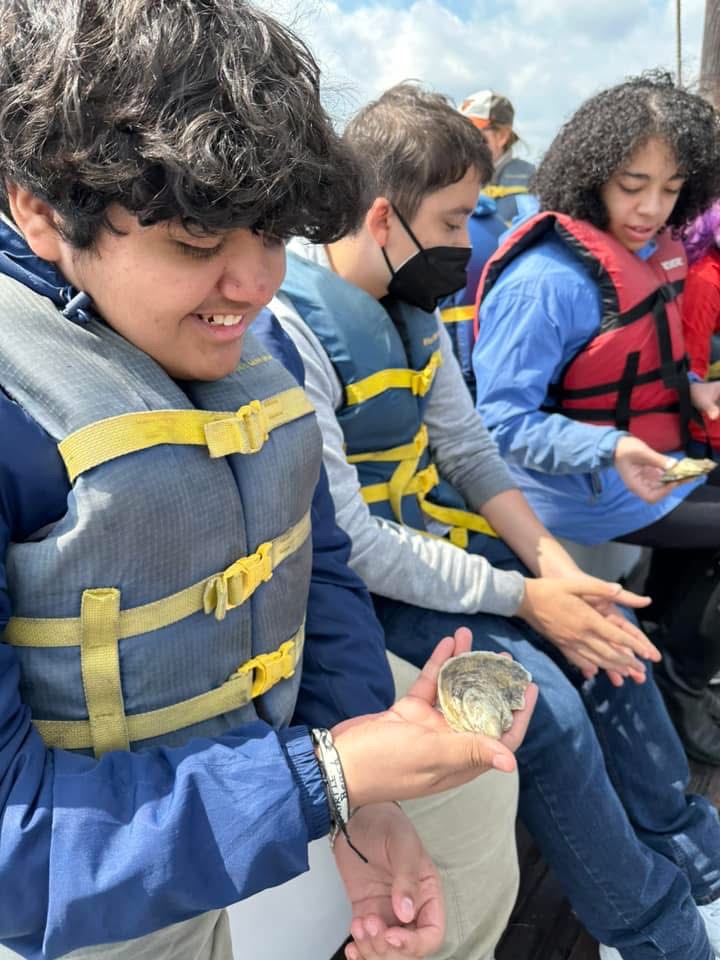
Students learned about Baltimore during the War of 1812 and the ecology of the Chesapeake Bay. They used their knowledge gained to become stewards of the Star Spangled Banner National Historic Trail.
Students exploring the ecology of the Chesapeake Bay by looking at oysters while aboard a historic ship in the Baltimore Inner Harbor.
Students study plant parts and growth, animal classification, life cycles (amphibians/reptiles), and how organisms adapt to their habitats. They explore inherited traits and how the environment impacts traits (e.g., lack of water stalling plant growth).
3rdgradescience (1.18 MB)
Third-grade students went on a nature hike to study plant parts and growth, animal classification, life cycles (amphibians/reptiles), and how organisms adapt to their habitats. They explored inherited traits and how the environment impacts traits (e.g., lack of water stalling plant growth).
3rdgradescience2 (543.81 KB)
A student is investigating the insects that live in soil and examining how their presence contributes to soil quality for growing various fruits and vegetables.
Students will understand the concept of motion through playing music and providing rhythm through movement and play.
Grade1motionandmusic (1.23 MB)
First-grade students explored and demonstrated their understanding of motion in the school’s outdoor music area, where they were able to move freely and engage in hands-on play activities.
1.2 Green School Awareness
1.2.1 Schoolwide Awareness - Staff
Demonstrate that all school personnel are aware of your school's Green School status and application process.
Acceptable Documentation: Staff meeting agenda or staff sign-in sheet with date and clear description of an all-staff presentation about your Green School efforts; this can be a showing of the MAEOE presentation video on "What it Means to be a Maryland Green School" found on the portal.
Green Team members presented green team initiatives to staff at October staff meeting. Green team members informed staff that we are reapplying for MAEOE certification. Staff were also made aware of outdoor learning opportunities at our school. Additionally, staff were made aware that the garden is now available as a flex learning space.
Monthly staff meeting consisted of a presentation lead by Green Team members on the opportunity and encouragement of each homeroom teacher and supporting educators to lead outdoor lessons with their students. Teachers were given ideas and strategies to successful outdoor learning.
Green Team Staff Meeting 10_13 (126.39 KB)
Green Team presentation
Copy of 10.13.25 Faculty Meeting (198.64 KB)
Faculty meeting agenda
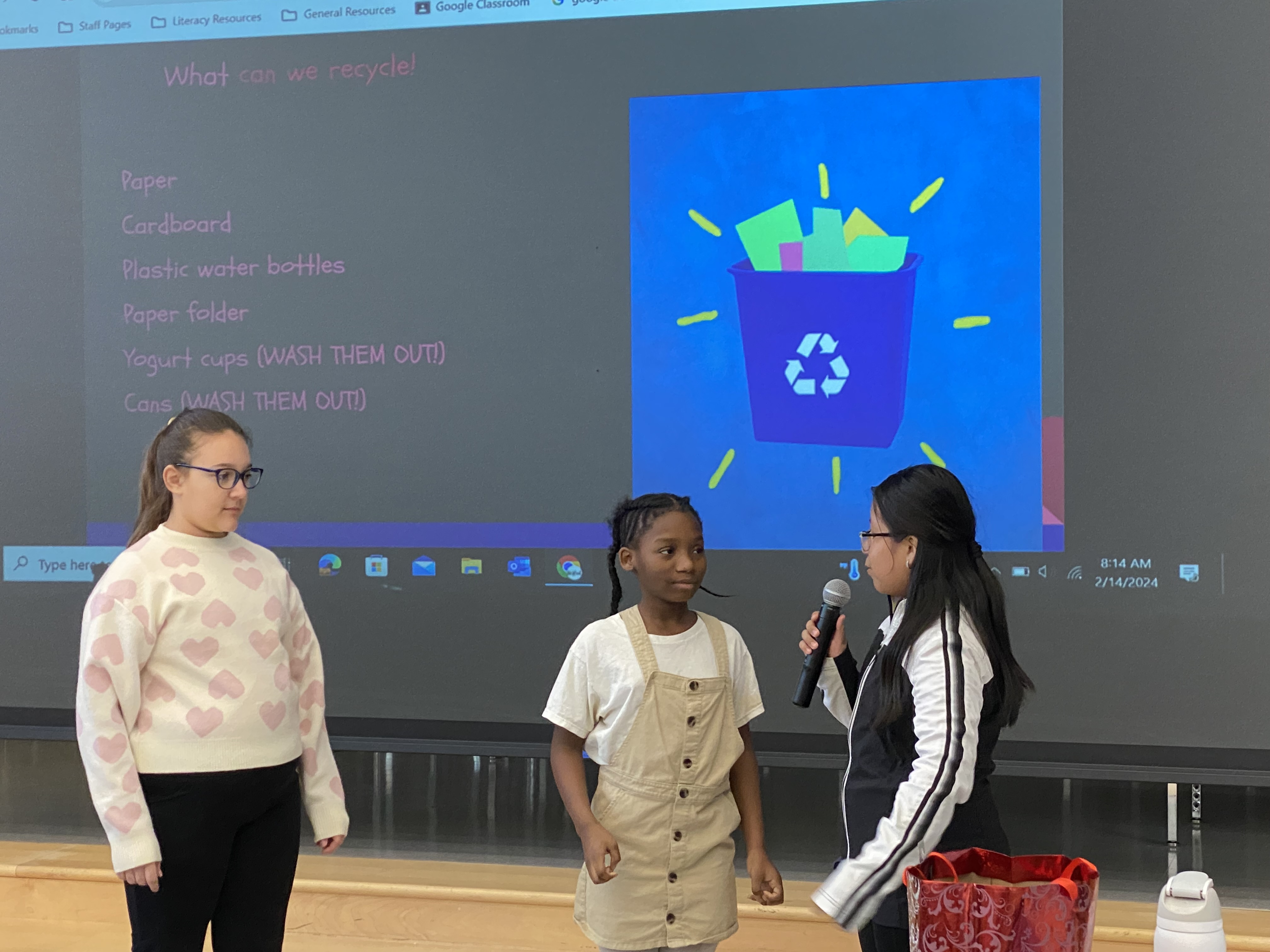
Staff and PTO were informed about the daily functions of our Green Team, including energy, recycling, and fundraising.
Members of our Green Team are presenting to staff and parents on the activities of the Green Team.
9.12.22 - September Faculty Meeting (1) (79.78 KB)
Staff Agenda of staff meeting
1.2.2 Schoolwide Celebration
Demonstrate how your school celebrates being a Green School by hosting a schoolwide environmentally-focused event open to all students.
Acceptable Documentation: Photos of students in all grades participating in activities celebrating Earth Day or other environment-themed holidays such as Earth Hour, America Recycles Day, World Water Day, Arbor Day, etc. and/or detailed event agendas or newsletters describing these celebrations.
All students grade prek-8th grade participate in "field day" style Earth Day rotations every year. Students participate in "green" stations including but not limited to composting, outdoor yoga, recycled art, Earth Day trivia, and more.
Students rotated through a variety of stations that promoted Green initiatives while also promoting students to get outdoors. Students rotated through six different stations learning about environmental advocacy and importance.
GracelandParkEarthDayCelebrations (5.64 MB)
Slideshow of evidence of Earth Day celebration during the 24/25 school year.
1.3 Environmental Professional Development for Teachers
1.3 Environmental Professional Development for Teachers
Demonstrate that 10% of instructional staff have completed an environmental PD. Instructional staff is defined as any staff that manages a gradebook.
- New Schools must have all PD completed within the past 2 years.
- Renewing schools must have all PD completed within the past 4 years.
A teacher who has participated in multiple workshops may only be counted once.
Acceptable Documentation: A certificate of completion from any MAEOE training or recommended PD listed on www.MAEOE.org under Professional Learning or any environmental training provided by your school district.
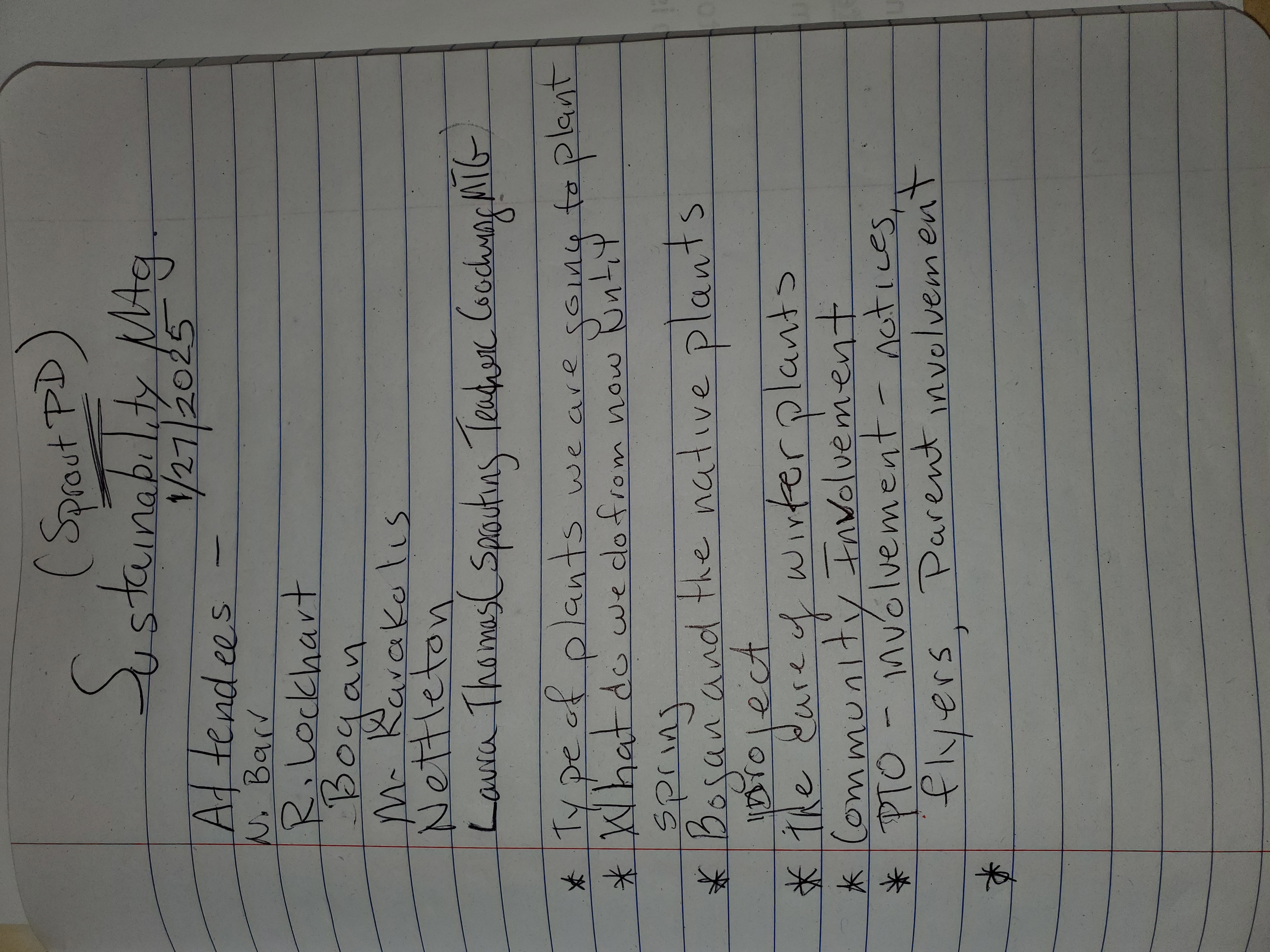
The University of Texas partnered with our school to provide guidance and PD's on the care and maintenance of our school garden. They provided coaching on developing best practices for managing our school garden, including online modules and 4 live coaching sessions throughout the year. Attendees included Nomiki Barr, Madeline Nettleton, Maria Kiriakakos, Janet Bogan, and Ross Lockhart.
Joined Sprout Organization (University of Texas) for our monthly PD, which guided Graceland Park teachers on working with the school garden and replanting guidelines in the Spring.
Meeting agenda with the Sprout representative outlining possible dos and don'ts for our school garden rehab project.
Copy of GLC Module 1 Garden Goals (176.44 KB)
Goals and guidelines from our Pd and assignments on garden work for our sessions.
Copy of Garden Lead Audit Form GLC Canvas Template (161.4 KB)
A checklist was developed to assess the condition of our garden and outline the work to be done by the garden staff.
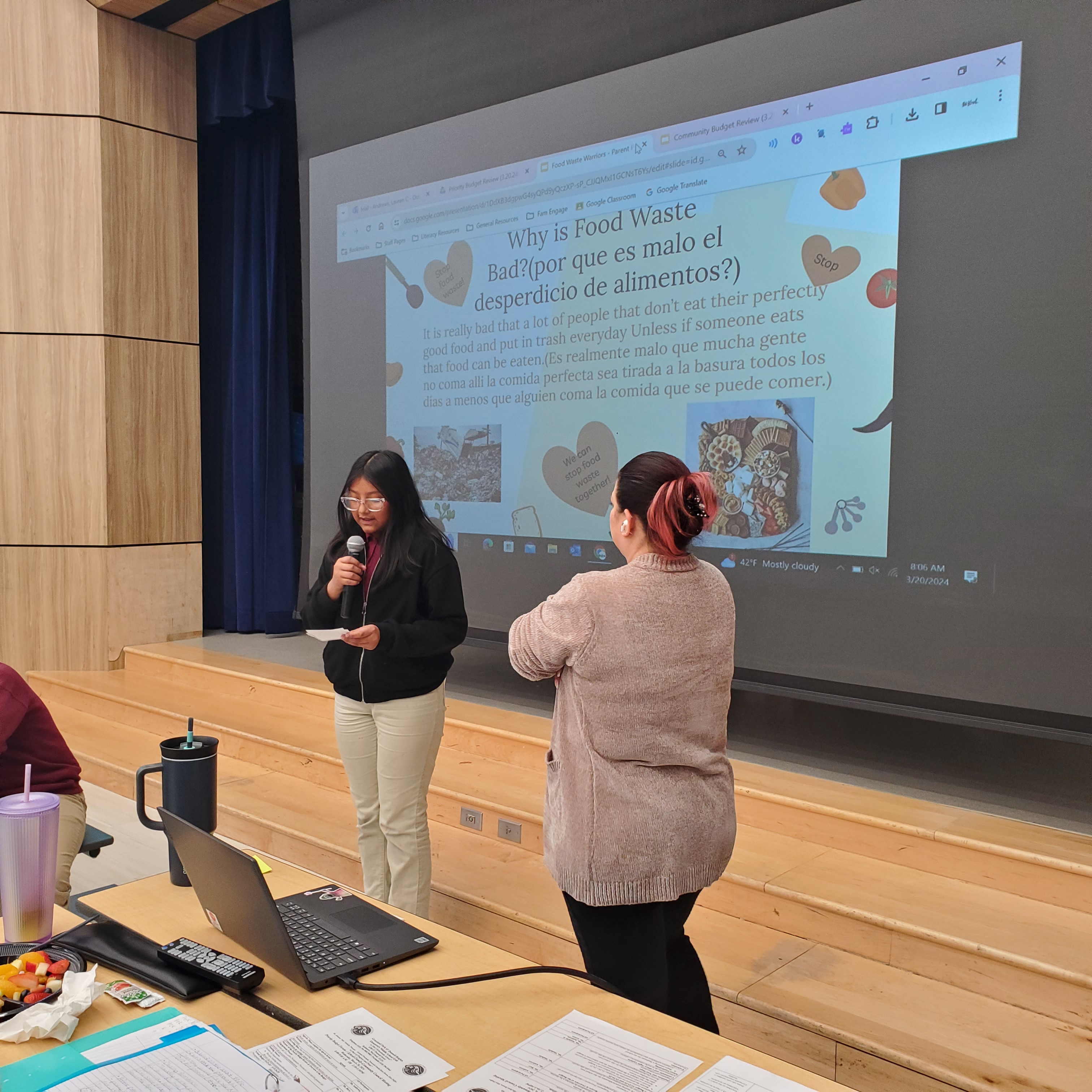
Representatives from Great Kids Farm visited our school to present on composting and its benefits. They explained how composting can help reduce food waste, enrich garden soil, improve water retention, and decrease greenhouse gas emissions, all of which positively impact our school community and environment.
Picture of the compost presentation given by the staff of Great Kids Farm.
Week of 9.22.25 Staff PD Composting Sign-in (3.37 KB)
Excel sign-in of staff who were present in the compost presentation -
1.4 Sustainable School Practices
1.4.1 Schoolwide Staff Sustainability
Demonstrate the sustainability practices your teachers, staff, and other personnel have implemented school-wide to make your school green. Any actions involving students belong under Objective 2.
Acceptable Documentation: Photos of practices being implemented by staff and/or policy documents that describe sustainable behaviors such as reducing paper use via double-sided copying or electronic communications, de-lamping or using natural light or task lamps to conserve energy; incentivizing carpooling or public transportation; reducing waste in the staff lounge; etc. You may also include the installation of sustainability features at your school such as solar panels, geothermal heating, water bottle refilling stations, etc.
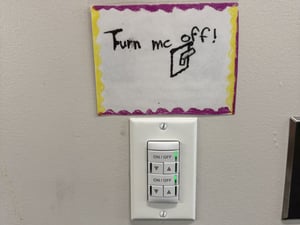
After posting signage encouraging educators to double side copy materials for learning, we noticed a decrease in use of paper. Additionally, we encouraged custodial staff to turn off any screens that they saw on at the end of the day when they cleaned the school.
1.4.2 Systemic Partnership
Demonstrate at least one partnership with a central office or board within the school system that supports part of the Maryland Green Schools Program. Any partnerships outside of your school system belong under Objective 3. Independent schools may partner with their board of trustees, parish office/archdiocese, or funders.
Acceptable Documentation: Sustainability plans, letters from district partners, or completed program applications as well as photos of practices being implemented in partnership with your systemic partner.
This letter describes the work between Graceland Park-O’Donnell Heights Elementary/Middle School School (Graceland) and Baltimore City Public Schools (City Schools) regarding environmental education and greening.
MAEOE_Systemic Partnership_Graceland_SY26 (302.47 KB)
Letter from our district regarding support and participation in Great Kids Farm activities and the Green Leader stipend program.
No records were added by the school.
Student Action
Schools must document eight total actions that address at least three of the listed sustainability practices.
These are student actions, not adult actions. Adult sustainable actions can be documented in Objective 1.4.
2.1 Water Conservation/Pollution Prevention
2.1 Water Conservation/Pollution Prevention
Students participate in regular trash/ litter clean up events throughout the year to reduce littering that can be lead into runoff and local storm drains.
Pollution Cleanup Photo (2.82 MB)
Pictures of various trash clean up's around the school grounds.
2.2 Energy Conservation
2.2 Energy Conservation
Students in Green Team created mini posters that were then placed in teacher mailboxes. Students made these mini posters that encouraged teachers to turn off lights, and unplug pencil sharpeners.
Students in green team made conservation promotion signs for classrooms.
2.3 Solid Waste Reduction
2.3 Solid Waste Reduction
Students conduct once a week composting on a small scale to reduce solid waste in the cafeteria. These students collect food scraps during their lunch and place scraps in the vermicompost kit in room 210.
Composting Photo (358.41 KB)
photo of two students composting collected solid waste
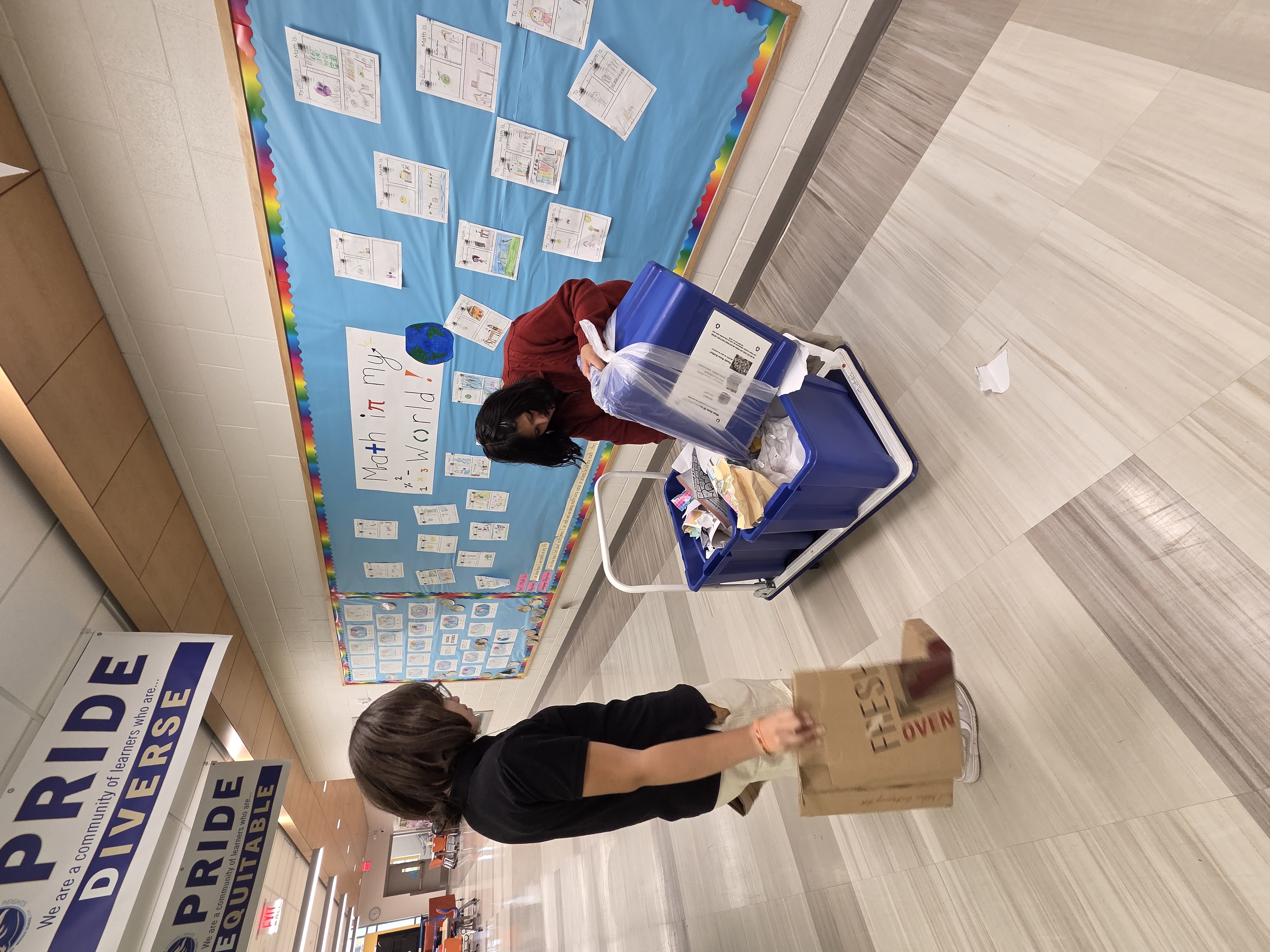
Students in the recycling club go into classrooms and sort out recyclable materials to be put in the large recycling dumpster for weekly pickup by the city.
The recycling club members are picking up recycling bins from classrooms on a weekly basis.
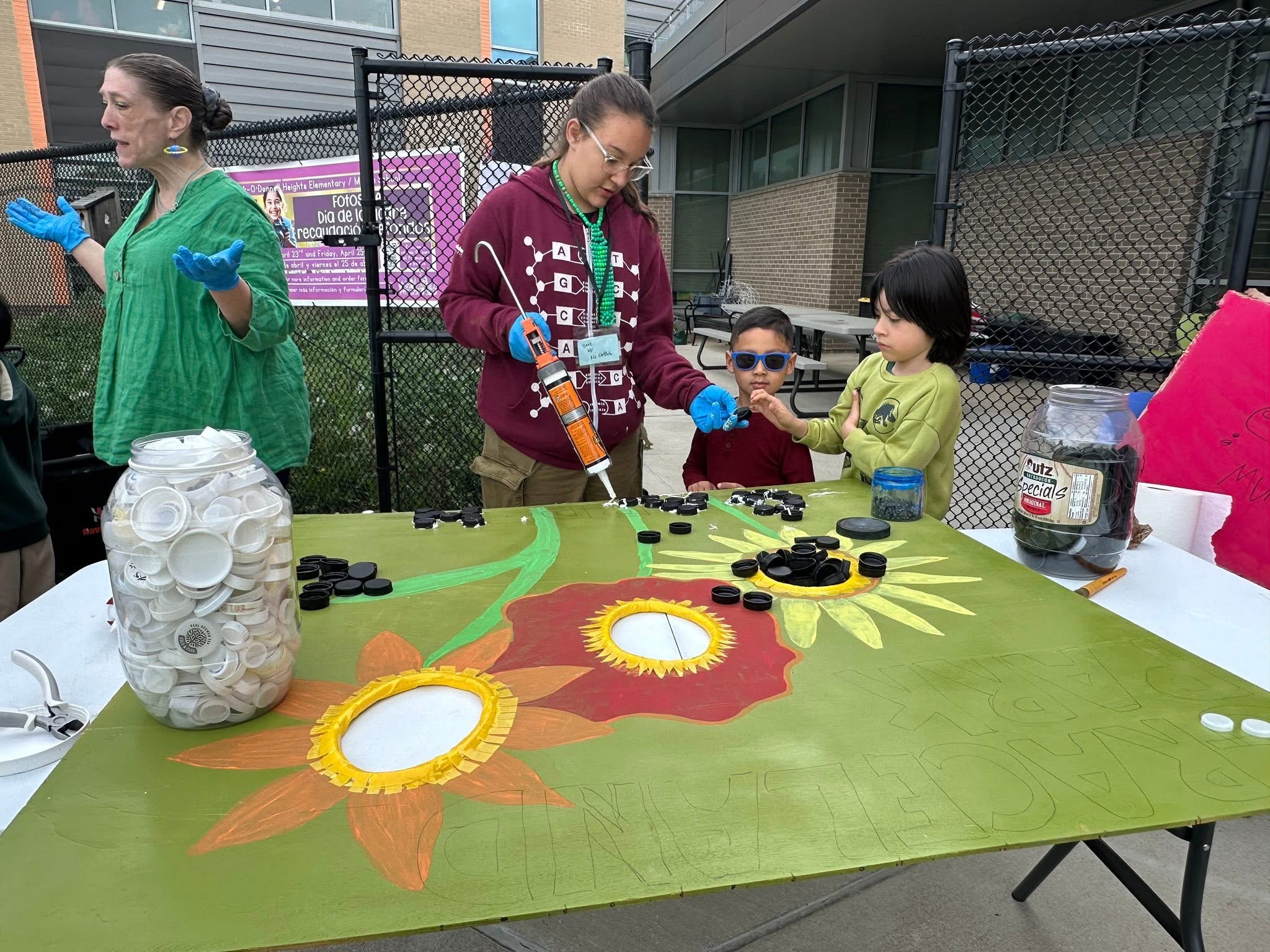
Students in art club were promoted to create a signage that would be the base of a schoolwide contribution art project. This art project had a base of scrap wood, painted over, then bottle caps were glued to the picture to create a recycled art piece.
Photo shows older art club students helping prek/ kinder students glue recycled bottle caps to the art piece.
2.4 Habitat Restoration
2.4 Habitat Restoration
Students aided in invasive plant removal, removing weeds and unwanted plants from our school garden to prep it for proper and wanted planting.
Student Gardening Photo (1.99 MB)
photo of student participation in the garden
Students in Ms.Williams class built and installed bird boxes outside the school garden, in view of their classroom, in hopes to watch how native bird species will find shelter in the bird boxes.
MAEOE Recertification 2.4 Habitats (383.67 KB)
Photos of students building bird boxes and displaying information about bird boxes
2.5 Outdoor Learning Structures
2.5 Outdoor Learning Structures
Students at the schoolwide "academic night" were encouraged to do leaf press art on a sign to be hung up in the school. This collaborative artwork piece was in connection to SEL and the schoolwide theme for the year of "wizard of oz".
Be_leaf_ in our students photos (12.28 MB)
Photo from the event station.
2.6 Responsible Transportation
2.6 Responsible Transportation
Students from Green Team were invited to be student representatives on the importance of using electric vehicles as an alternative to gas vehicles in Baltimore City. Students were recognized as exemplar students promoting green initiatives and cut the ribbon at the start of electric school bus ceremony for Baltimore City Public Schools.
Electric Bus Ceremony (375.64 KB)
Photo of ribbon cutting at electric bus ceremony
2.7 Healthy Indoor Environments
2.7 Healthy Indoor Environments
No records were added by the school.
2.8 Participatory/Community Science
2.8 Participatory/Community Science
No records were added by the school.
Community Partnerships
Demonstrate that your school is forming long-term partnerships to foster environmental stewardship and cultivate community wellness through real-world connections.
3.1 Community Partnerships
3.1.1 School Active in the Community
Describe at least one environmentally-focused partnership in which your school is working to benefit your community.
Acceptable Documentation: Photos, newsletters, or social media highlighting students participating in an environmental service project such as a local park conservation project, harvesting produce from a farm or school garden to be donated to a food bank, holding a recurring used clothing drive or book swap for the community, or visiting another school to teach other students about the environment.
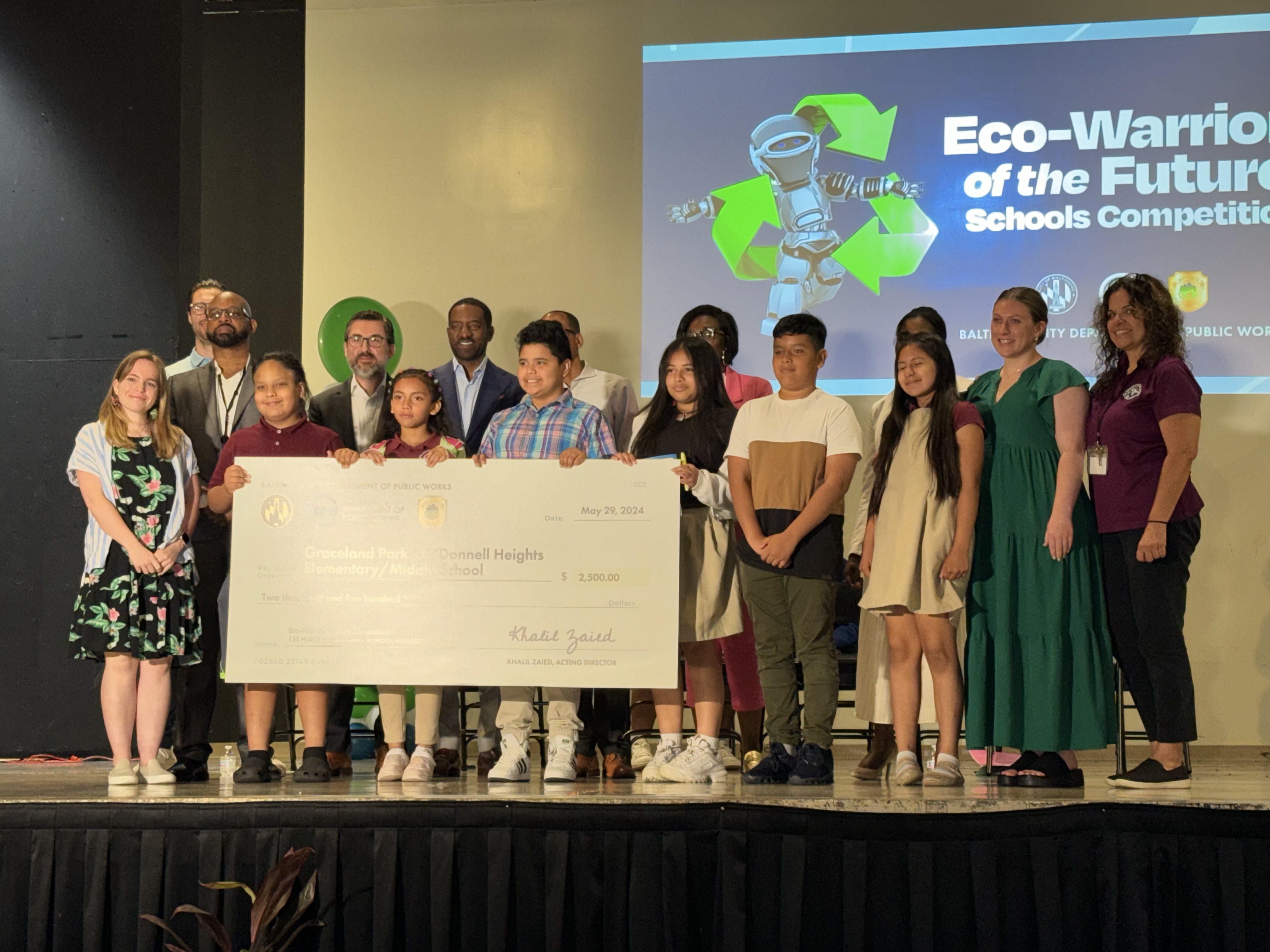
Students participated in the Department of Public Works (DPW) competition and partnership, promoting green spaces in their local communities and being advocates of green initiatives aligned with Mayor Brandon Scotts green initiatives for the city. Students completed a number of activities to promote "Cleaner, Greener, Baltimore". Student projects were submitted as part of a city-wide school competition promoted by DPW throughout the school year each year. In 2022-2023 our school won 4th place in the competition. In 2023-2024 we came back and one first place highlighting the work our students put in to promote green in their communities!
Photo of green team student / staff representatives at the ecowarriors awards ceremony when we won 1st place.
3.1.2 Community Active in the School
Describe at least one partnership in which a community partner (different from the systemic partner listed in 1.4.2) is providing any type of Green School services to the school that occur within the classroom, school building, or on school grounds.
Acceptable Documentation: Photos, newsletters, or social media highlighting a local business providing funding or in-kind donations for environmental activities, organizations delivering classroom presentations or assemblies on environmental topics, or organizations assisting with school campus projects such as tree plantings and bird box installations.
Green team staff are working closely with the Baltimore Tree Trust to have trees planted during the Spring of 2026 on school grounds. This project began summer of 2025 and will complete implementation in Spring of 2026! Students were part of the tree planting location choices on school grounds last summer, then this year students will engage in a three lesson curriculum on the importance of planting trees alongside the planting event.
BTT Documentation (328.96 KB)
Email that proves the implementation is in progress.
3.2 Additional Achievements
3.2 Additional Achievements optional
Share any environmentally-related awards, special recognition, certifications, or other achievements that your school, staff or students have accomplished.
No records were added by the school.