Systemic Sustainability
1.1 Environmental Curriculum & Instruction
1.1 Environmental Curriculum & Instruction
Elementary & middle schools must provide one example of outdoor/environmental instruction per grade level.
High schools must provide four different examples of outdoor/environmental instruction. These examples can be from any grade level but must show four distinct subject areas/classes (which may include multiple different sciences).
In unit 1 Lesson 7 kindergarten students work to design a shade shelter to protect an object from the sun. Students used different materials including Lincoln logs, magnatiles, legos, cardboard, empty paper towel rolls and more to create a shade from the sun. Students worked in groups to create the shade shelter and then teachers circulated around the room shining a flashlight on the object acting as the sun. Then students can adjust their shade shelter if needed to protect the object from the "sun". Finally the class discussed what made a shade shelter effective.
Shade Shelter (633.96 KB)
A students creates a shade shelter for their "monster".
Students learn about quick and slow changes to Earth and how it has an impact on the environment. They use resources to determine how wind erosion, water erosion, earthquakes, volcanoes, erosion, mountains, and glacier impacts Earth. Students created an experiment using sand and spray bottles to determine the impact of water erosion.
Curriculum description for erosion lesson
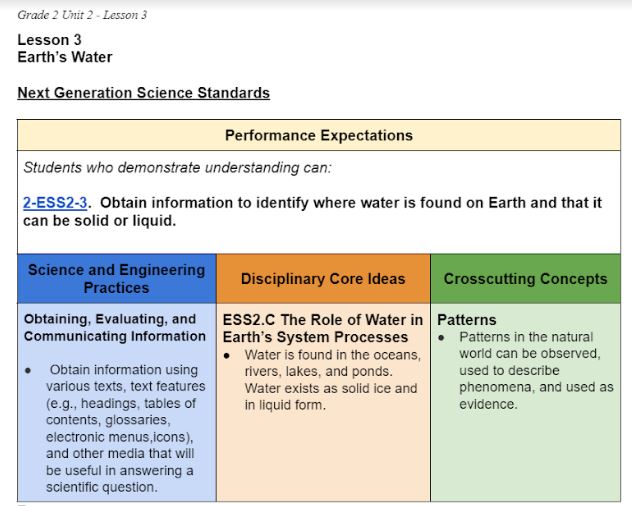
Student learns and reflects on how volcanoes have an impact on the earth.

Student makes a plan to decrease beach erosion.

Student uses a spray bottle to show how water erodes sand on beaches.

Student makes a plan to decrease beach erosion.

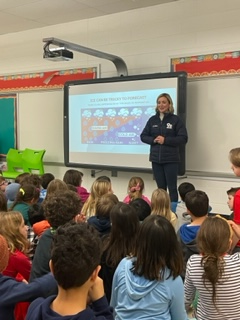
A channel 9 Meteorologist visited Wood Acres Elementary 3rd grade. The students learned how to build a home that could withstand an extreme storm-tornado, blizzard, or hurricane. The students measured the wind using anemometers.
Students using materials to build a home that can withstand extreme weather.
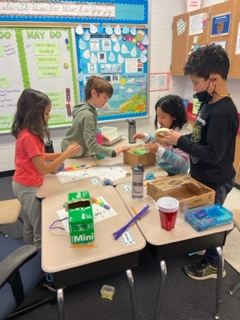
Students using materials to build a home that can withstand extreme weather.
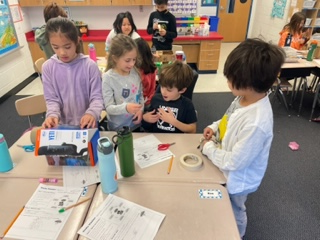
Students get a tour of an eco-vehicle that WUSA 9 uses.
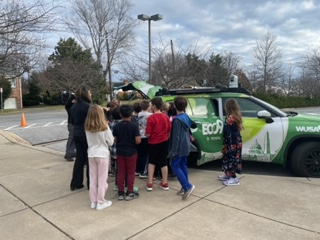
A meteorologist visited 3rd grade students to teach about extreme weather and safety measures.
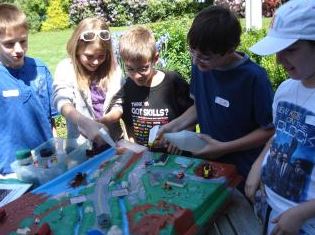
In lesson Unit 5, students study the effects of weathering and erosion on the earth's surface. They look at the land around our school and notice areas that have been affected by these things. They discuss and learn ways that we can prevent runoff, like bioswales, rain gardens, and the importance of planting vegetation.
Enviroscape Model
We will be having the students plan and construct (out of materials that can be found at home) a model nest and have them explain how the nest will help protect young birds. Student's will upload their videos to a Flip Grid.
2022 Email to parents about Science Engineering project (2.01 MB)
This is the letter that 1st grade will be sending to families about their birds nest project.
1st Grade Birds Nests (1 KB)
Photographs of students with the birds nests they created.
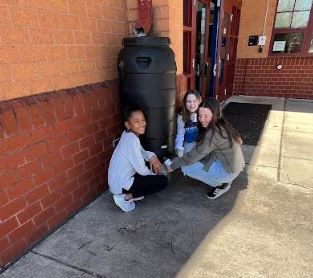
Students created water collection tools to collect water in the school yard and test it form contaminants. They, also, took a tour outside to determine that the school is environmentally friendly due to the recent renovations. 5th grade students created water collection tools to collect water in the school yard and test it for contaminants. They took a tour of the outside to determine that the school is very environmentally friendly due to the recent renovations – Wood Acres has a water retention area, drains that direct water straight to the soil, and an area to the side of our school that collects runoff water. The class discussed that it is far better to have water drain to the natural ground because the earth is a natural filter. Students also took a tour of their neighborhood and took notes regarding where the drains take the water. Students are also more aware of what substances get carried in run off and go to our watershed.
Students collecting water to test
1.2 Green School Awareness
1.2.1 Schoolwide Awareness - Staff
Demonstrate that all school personnel are aware of your school's Green School status and application process.
Acceptable Documentation: Staff meeting agenda or staff sign-in sheet with date and clear description of an all-staff presentation about your Green School efforts; this can be a showing of the MAEOE presentation video on "What it Means to be a Maryland Green School" found on the portal.
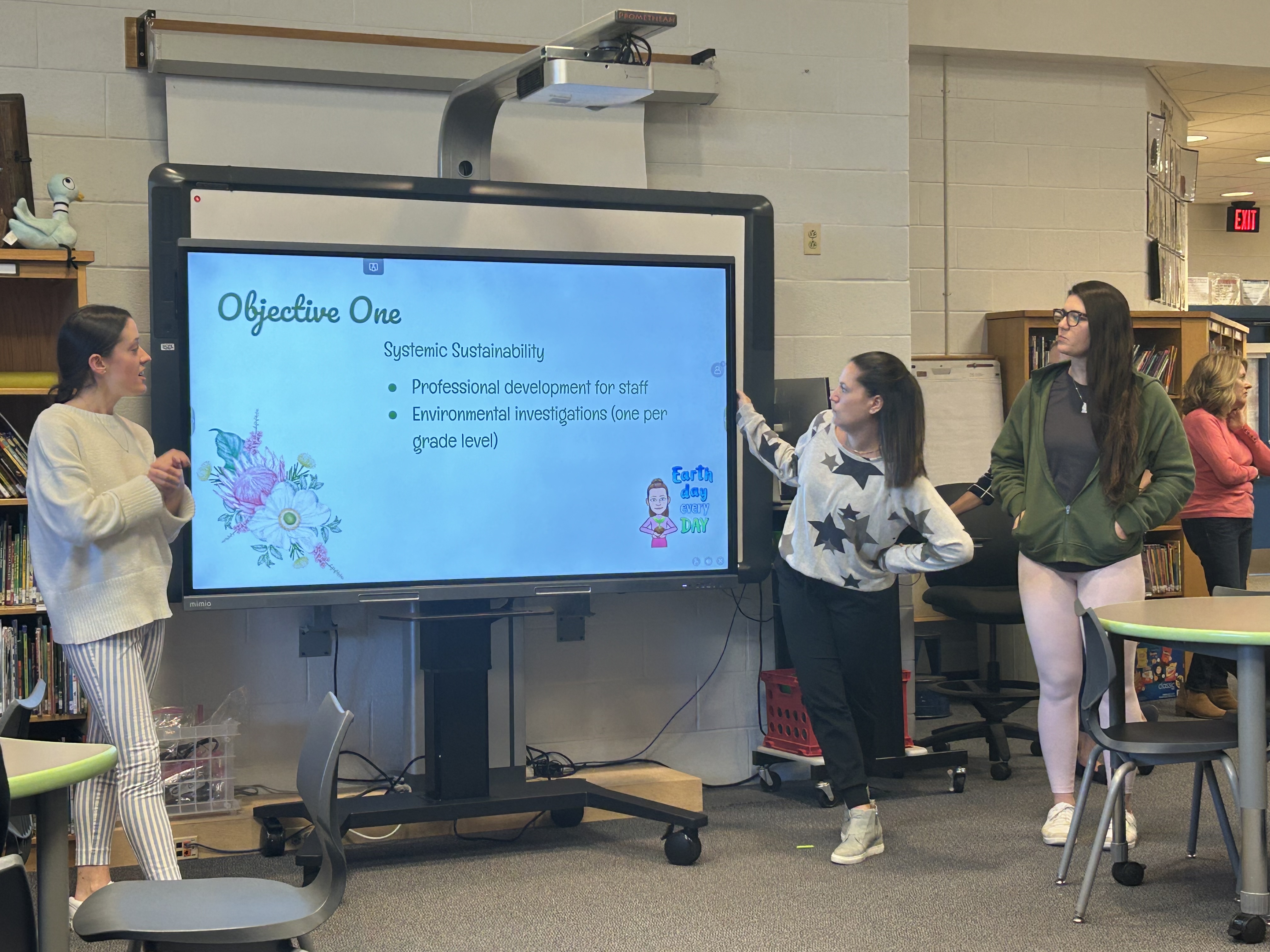
Our green team presented a slide deck to staff on January 30th, 2023 to inform them about the Green School application process.
Our green team presented a slide deck to staff on January 30th, 2023 to inform them about the Green School application process.
The Wood Acres Elementary School Green Team presented at a staff meeting to inform and educate the staff on our Green School recertification
1.2.2 Schoolwide Celebration
Demonstrate how your school celebrates being a Green School by hosting a schoolwide environmentally-focused event open to all students.
Acceptable Documentation: Photos of students in all grades participating in activities celebrating Earth Day or other environment-themed holidays such as Earth Hour, America Recycles Day, World Water Day, Arbor Day, etc. and/or detailed event agendas or newsletters describing these celebrations.
Multiple Walking events
Annual Walk and Bike to School Event outside the main entrance of Wood Acres! All Wood Acres families are encouraged to walk with their kids and community to school that day!
WES celebration (132.44 KB)
PTA post of activity
It's the 30th anniversary of JogFest! Whole community comes out to celebrate Wood Acres
WES Jog Fest (250.75 KB)
Students at 2022 Jog Fest
1.3 Environmental Professional Development for Teachers
1.3 Environmental Professional Development for Teachers
Demonstrate that 10% of instructional staff have completed an environmental PD. Instructional staff is defined as any staff that manages a gradebook.
- New Schools must have all PD completed within the past 2 years.
- Renewing schools must have all PD completed within the past 4 years.
A teacher who has participated in multiple workshops may only be counted once.
Acceptable Documentation: A certificate of completion from any MAEOE training or recommended PD listed on www.MAEOE.org under Professional Learning or any environmental training provided by your school district.
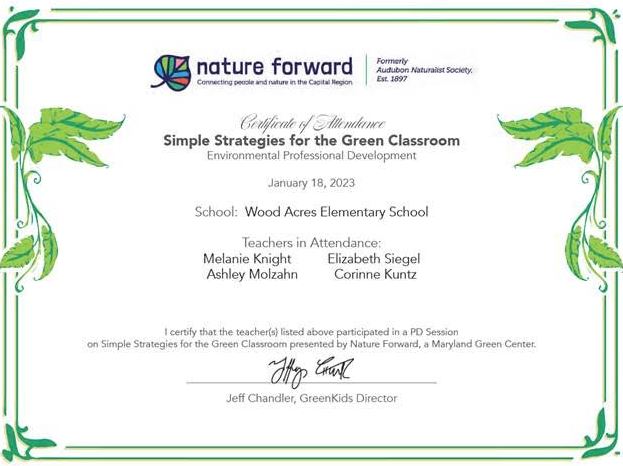
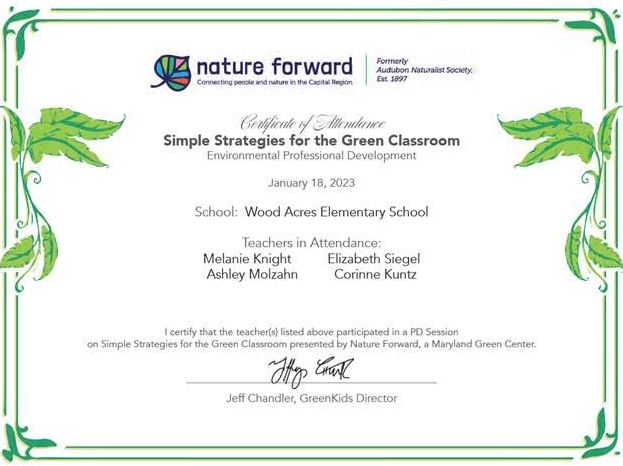
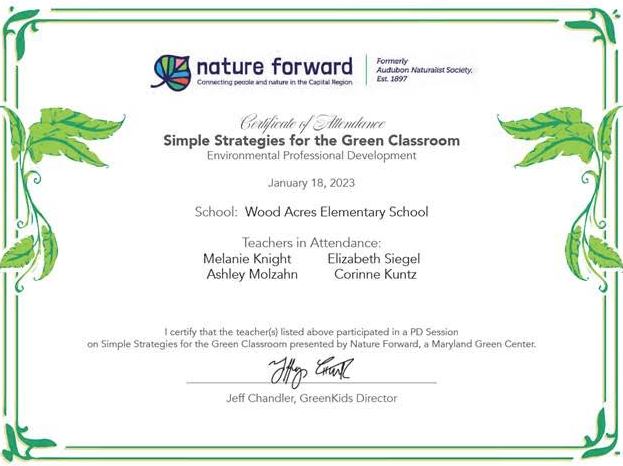
Nature Forward Professional Development At this training we learned simple strategies for a green classroom. We learned strategies to engage students in Sustainability Practices and had the opportunity to connect with our peers.
We attended the Nature Forward Professional Development to learn simple strategies for the green classroom.
Nature Forward PD (3.39 KB)
Proof of attendance at the Nature Forward Green School Strategies Professional Development.
Nature Forward PD
Green Kids Training
Nature Forward PD
Green Kids Training
Green Kids Training
Green Kids Training
1.4 Sustainable School Practices
1.4.1 Schoolwide Staff Sustainability
Demonstrate the sustainability practices your teachers, staff, and other personnel have implemented school-wide to make your school green. Any actions involving students belong under Objective 2.
Acceptable Documentation: Photos of practices being implemented by staff and/or policy documents that describe sustainable behaviors such as reducing paper use via double-sided copying or electronic communications, de-lamping or using natural light or task lamps to conserve energy; incentivizing carpooling or public transportation; reducing waste in the staff lounge; etc. You may also include the installation of sustainability features at your school such as solar panels, geothermal heating, water bottle refilling stations, etc.
Recycling Bin Audit-Mr. Yusuf came to Wood Acres and went through the school's recycling bins. He labeled and replaced incorrect bins. Staff uses reusable water bottles to reduce water conservation. Staff turns off lights when leaving the classroom throughout the day.
Appropriately labeled trash/recycling bins.

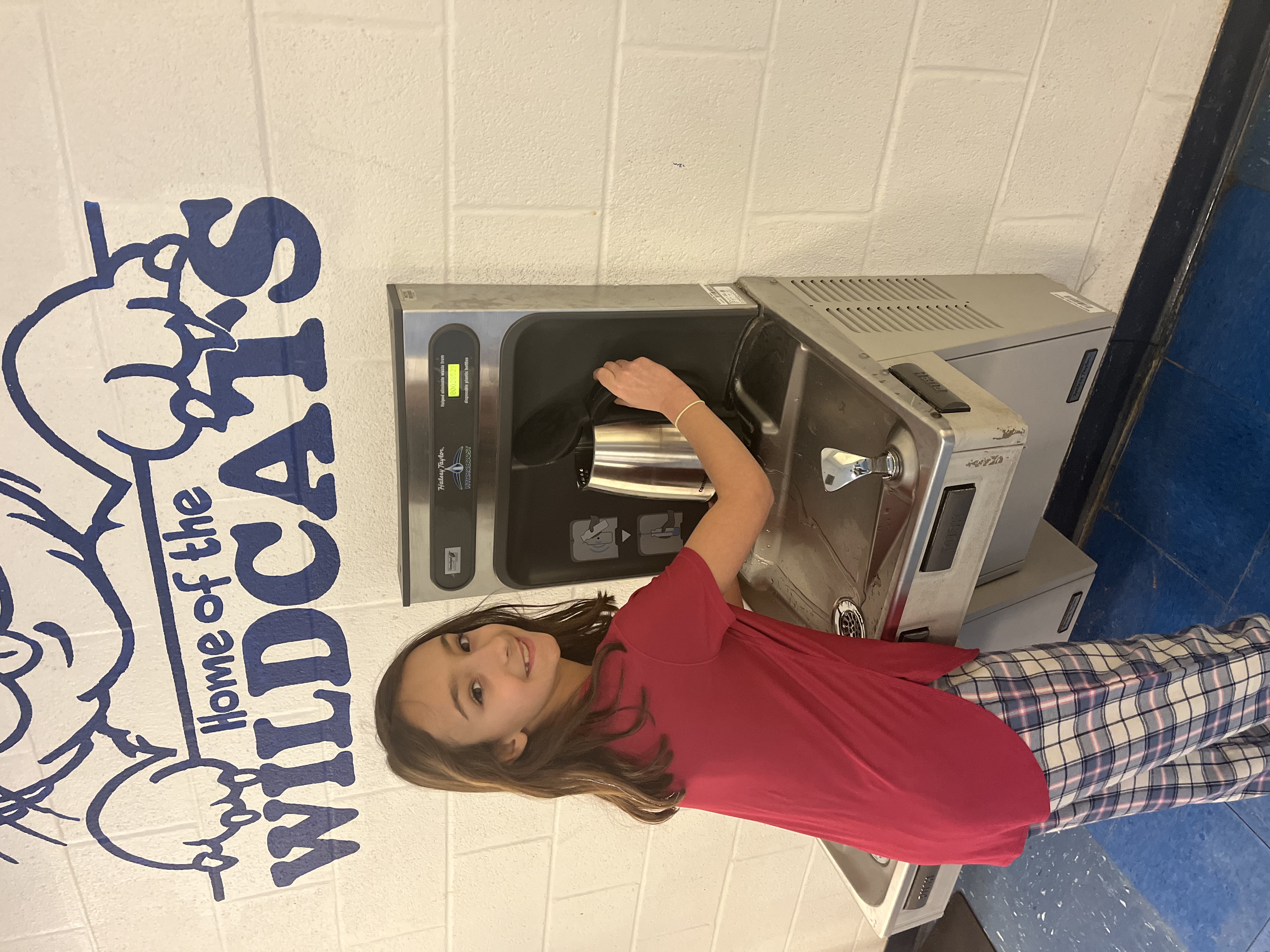
Water bottle filler

Water for the staff to fill reusable water bottles. The water jug gets recycled.

Recycling bins with updated labels in the hallway.

1.4.2 Systemic Partnership
Demonstrate at least one partnership with a central office or board within the school system that supports part of the Maryland Green Schools Program. Any partnerships outside of your school system belong under Objective 3. Independent schools may partner with their board of trustees, parish office/archdiocese, or funders.
Acceptable Documentation: Sustainability plans, letters from district partners, or completed program applications as well as photos of practices being implemented in partnership with your systemic partner.
The Montgomery County Department of Facilities Management Division of Sustainability and Compliance (John Meyer and Yusuf Umar) came to Wood Acres Elementary School to set up a food recovery program. They provided our cafeteria with a mini refrigerator. Mr. Yusuf presented to every grade how to use the refrigerator and taught the students the rules of recycling.
Mini refrigerator placed in the cafeteria to collect unwanted food.

Teacher completes a daily temperature check, so the food stays fresh.

No records were added by the school.
Student Action
Schools must document eight total actions that address at least three of the listed sustainability practices.
These are student actions, not adult actions. Adult sustainable actions can be documented in Objective 1.4.
2.1 Water Conservation/Pollution Prevention
2.1 Water Conservation/Pollution Prevention
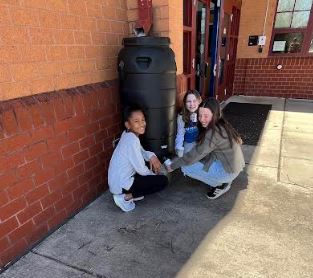
5th grade students created water collection tools to collect water in the school yard and test it for contaminants. They took a tour of the outside to determine that the school is very environmentally friendly due to the recent renovations – Wood Acres has a water retention area, drains that direct water straight to the soil, and an area to the side of our school that collects runoff water. The class discussed that it is far better to have water drain to the natural ground because the earth is a natural filter. Students also took a tour of their neighborhood and took notes regarding where the drains take the water. Students are also more aware of what substances get carried in run off and go to our watershed.
Students testing rain water
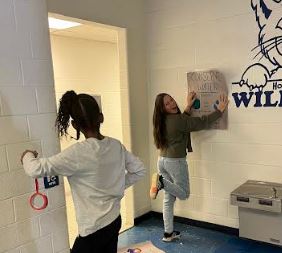
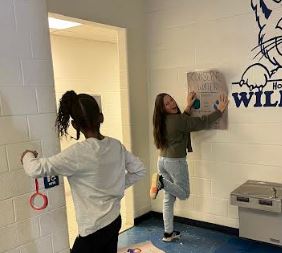
The student green team created posters to remind students to conserve water.
Students hanging posters to conserve water
2.2 Energy Conservation
2.2 Energy Conservation
2nd graders use natural light during instruction.
Student job to turn out the lights when leaving the classroom.

Students saving electricity by working using natural light.
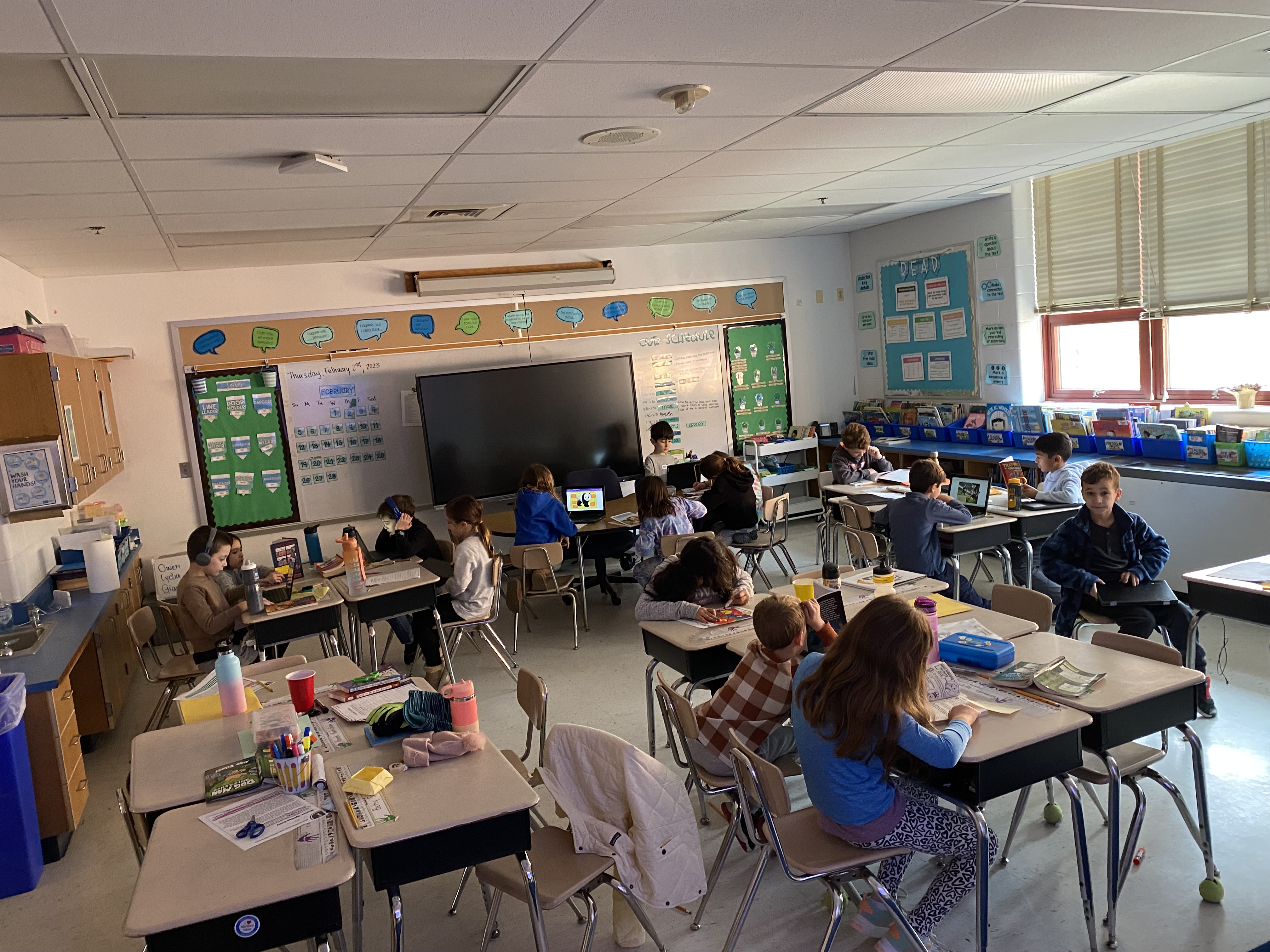
Students in the 4th Grade prefer the use of natural light and lamps during instruction.
Students in the 4th Grade prefer the use of natural light

Students in the 4th Grade prefer the use of natural light
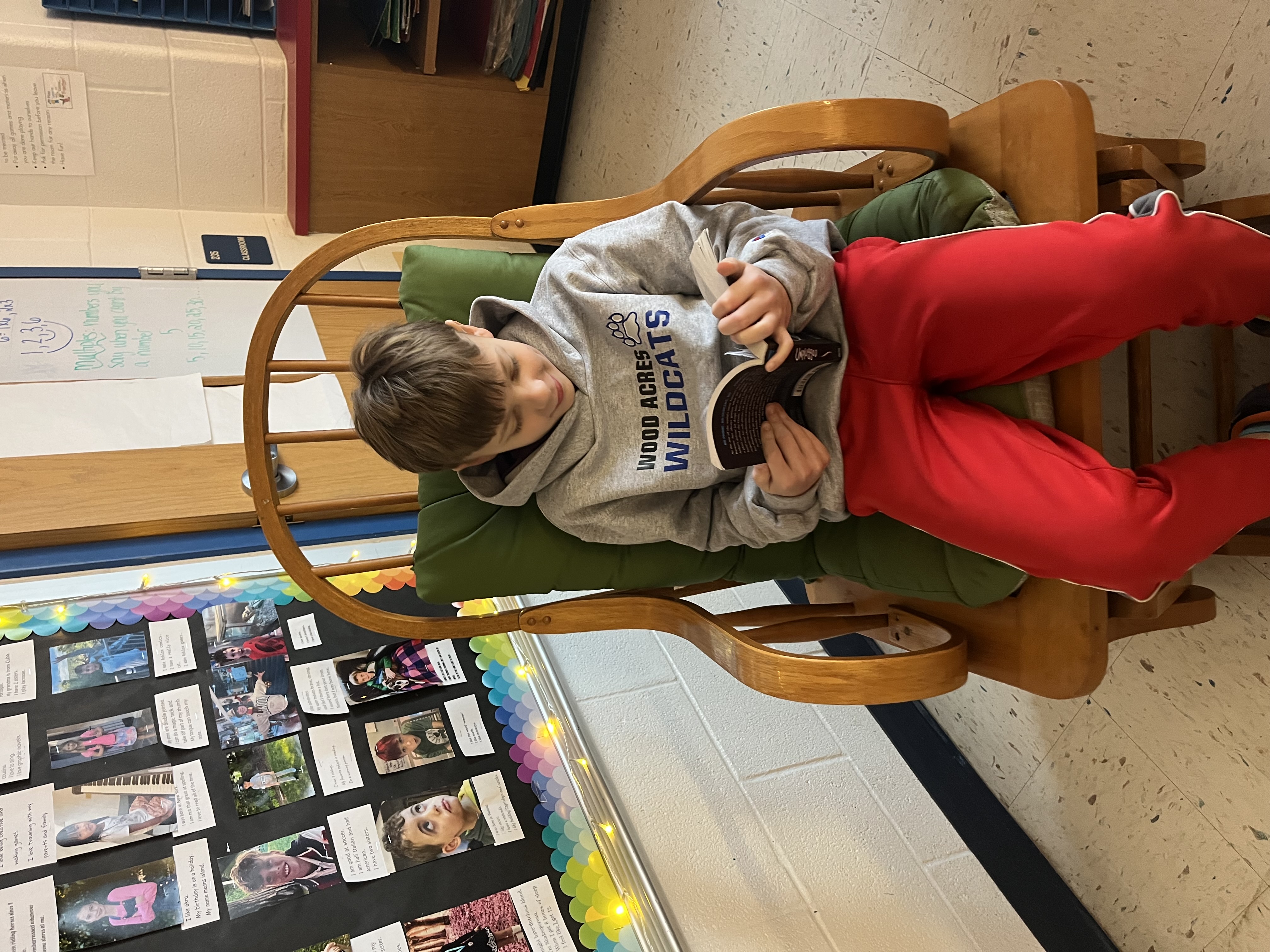
Kindergarteners turn off the lights as a class job. "Light Monitor"
A Kindergartener turning off the lights to save energy.

2.3 Solid Waste Reduction
2.3 Solid Waste Reduction
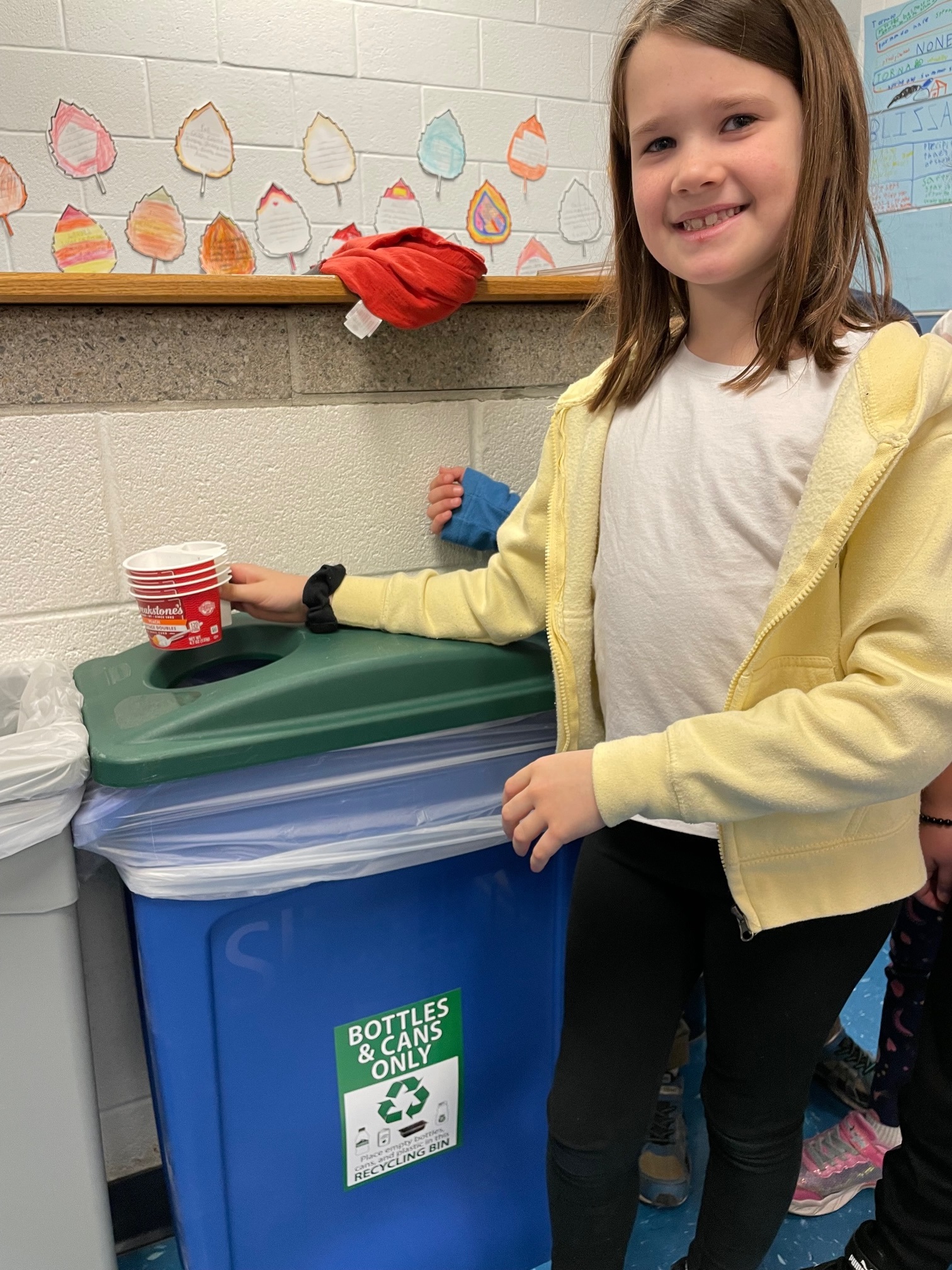
A green school manager came in and spoke to every lunch period about food waste reduction. He taught the students which lunch items were recyclable and the appropriate bin to put them in. He, also, put in a mini-refrigerator to reduce food waste.
Student donating food to the food recovery program.

Student recycling after learning the correct numbers from Mr. Yusuf.
Students use the bottle filler to fill up a pitcher to reduce use of plastic bottles.
Students use the bottle filler to fill up a pitcher to reduce use of plastic bottles.
Wood Acres student Green Team created posters encouraging water conservation and hung them up near bottle fillers.
Students hanging posters
2.4 Habitat Restoration
2.4 Habitat Restoration
No records were added by the school.
2.5 Outdoor Learning Structures
2.5 Outdoor Learning Structures
No records were added by the school.
2.6 Responsible Transportation
2.6 Responsible Transportation
No records were added by the school.
2.7 Healthy Indoor Environments
2.7 Healthy Indoor Environments
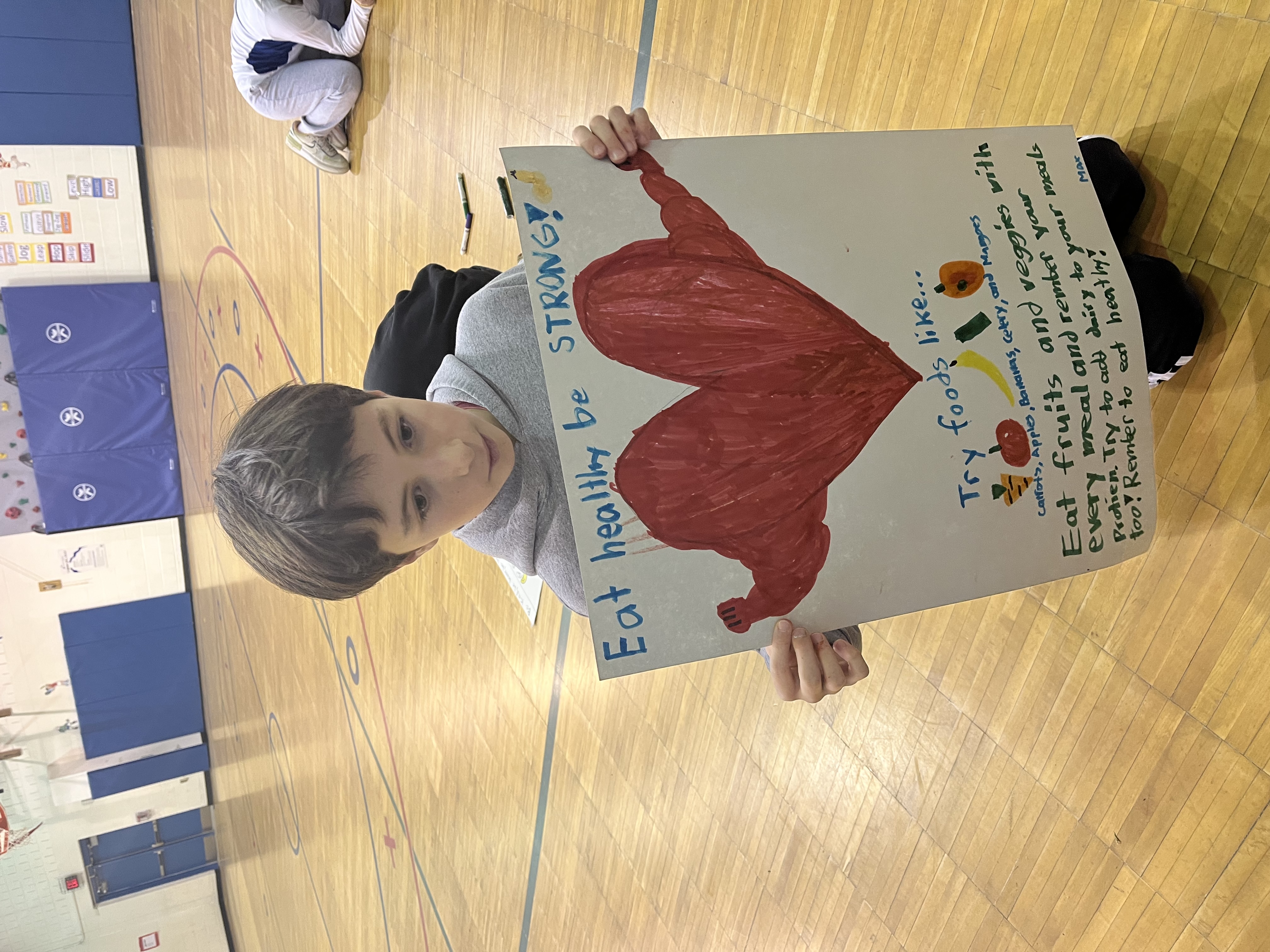
Students created posters to encourage healthier eating habits. They hung them up in the cafeteria.
Wood Acres Green Team creates Healthy Eating posters to hang in the cafeteria.
2.8 Participatory/Community Science
2.8 Participatory/Community Science
No records were added by the school.
Community Partnerships
Demonstrate that your school is forming long-term partnerships to foster environmental stewardship and cultivate community wellness through real-world connections.
3.1 Community Partnerships
3.1.1 School Active in the Community
Describe at least one environmentally-focused partnership in which your school is working to benefit your community.
Acceptable Documentation: Photos, newsletters, or social media highlighting students participating in an environmental service project such as a local park conservation project, harvesting produce from a farm or school garden to be donated to a food bank, holding a recurring used clothing drive or book swap for the community, or visiting another school to teach other students about the environment.
Wood Acres PTA proudly supports Martha’s Table and the hundreds of our D.C. neighbors it serves daily who are experiencing hunger or homelessness by increasing access to healthy food. This is an easy and impactful way for kids to directly help their community on a regular basis. WHAT: fresh fruit, trail mix, homemade muffins, meat sandwiches on whole wheat bread (no condiments) or pantry items. Fresh items will be delivered that night or the following night.
Food Collection Dates: 1/9, 2/6, 3/6, 4/17, 5/1, 6/5
Martha's Table trail mix supplies.

PTA collecting Martha's Table donations.

Martha's Table will be collecting gently used children's books. Collection bins will be in the Kiss and Go Loop. (11/29-12/5)
Collection of Used Books
3.1.2 Community Active in the School
Describe at least one partnership in which a community partner (different from the systemic partner listed in 1.4.2) is providing any type of Green School services to the school that occur within the classroom, school building, or on school grounds.
Acceptable Documentation: Photos, newsletters, or social media highlighting a local business providing funding or in-kind donations for environmental activities, organizations delivering classroom presentations or assemblies on environmental topics, or organizations assisting with school campus projects such as tree plantings and bird box installations.
Good Earth Garden Market will be providing a gift card to Wood Acres Elementary School to buy plants to promote clean air in the classrooms.
Phone call: 2/28 at 2:00pm
3/12 Visited Good Earth market, received a donation. We bought air plants for the classrooms because they are easy to maintain and can remove mild contaminants and chemicals from the air.
Next steps with Good Earth Market: Visit again in the spring to get more air plants and education on their care.
Donated Air Plants from Good Earth Garden Market in Potomac, MD.

Air Plants and their description and care instructions for the staff.

Available Air Plants at Good Earth Garden Market in Potomac, MD.

3.2 Additional Achievements
3.2 Additional Achievements optional
Share any environmentally-related awards, special recognition, certifications, or other achievements that your school, staff or students have accomplished.
No records were added by the school.